This post contains affiliate links. We may earn a small commission at no extra cost to you. Learn more
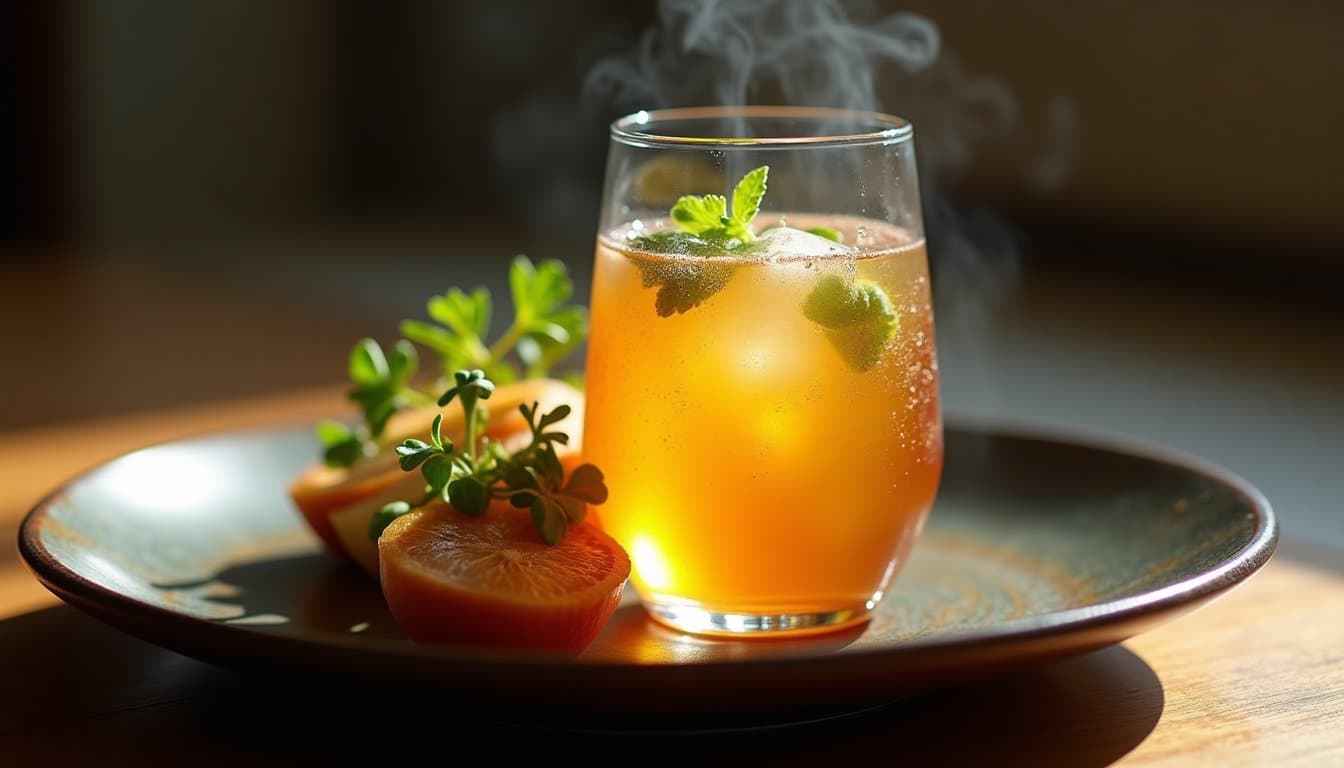
Wild Irish Nettle & Elderflower Sparkling Tonic with Ginger
what's this?
Strangeness scale
- 1 — Slightly odd
- 2 — Raises eyebrows
- 3 — Genuinely strange
- 4 — Deeply weird
- 5 — Unhinged
- Cook
- 20m
- Total
- 145h
- Difficulty
- Medium
- Serves
- 6
- Origin
- Irish
Stinging nettles, the plant that has terrorized bare ankles since childhood, turn out to make one of the most interesting fermented drinks you've never heard of. A short infusion with elderflower and ginger produces something floral, gently fizzy, and genuinely green-tasting, somewhere between kombucha and a botanical soda, with none of the vinegary sharpness of either. Wild yeasts do the carbonation work, so no equipment beyond a jar and some patience is required.
Equipment
Why It Actually Works
Heating the nettles neutralizes the formic acid responsible for the sting while leaving chlorophyll, iron, and mineral compounds intact, which is why the finished drink tastes genuinely green rather than just vaguely herbal. Elderflower's linalool and aromatic esters are chemically close to those in muscat grapes and lychee, so they soften the nettle's earthiness the way a floral note resolves a chord. Ginger's gingerols and shogaols add pungent warmth, while the wild yeasts from the apple cider vinegar mother culture consume residual sugars to produce CO2 and trace ethanol well under 0.5%, giving you real effervescence without a brewing setup.
Learn the flavor science rules behind recipes like this →Ingredients
- 100 g fresh young stinging nettle tops (top 4–6 leaves only), rinsed with gloves on
- 6 large elderflower heads, gently shaken to remove insects
- 30 g fresh ginger root, thinly sliced, unpeeled
- 150 g raw cane sugar or Irish beet sugar
- 1.5 litres filtered or cooled boiled water, divided
- 2 tbsp raw unfiltered apple cider vinegar (with the mother)
- 1 medium unwaxed lemon, zest peeled in strips and juice reserved
- 1 pinch of sea salt flakes
Instructions
1. Don your gloves and harvest or prepare your nettle tops — only the tender top cluster of leaves, as these are least fibrous and most flavourful. Give them a thorough rinse under cold water. The sting is entirely neutralised by heat, so do not panic.
2. Bring 500 ml of the filtered water to a rolling boil in a medium saucepan. Add the nettles, lemon zest strips, and ginger slices. Reduce heat and simmer gently for 8 minutes until the water turns a deep jade green and smells wonderfully grassy and bright.
3. Remove from heat and immediately add the elderflower heads, nestling them into the hot liquid. Cover the pan with a lid and allow to steep for 20 minutes — the residual heat coaxes out the elderflower's delicate muscat aromatics without destroying them.
4. Strain the infusion through a fine-mesh sieve or muslin cloth into a large sterilised glass jar or fermentation vessel (at least 2-litre capacity). Press gently on the solids to extract all liquid, then discard the spent botanicals.
5. While the liquid is still warm (not hot — aim for around 35–38°C, comfortable on your wrist), stir in the raw cane sugar and sea salt until completely dissolved. Sugar feeds the wild fermentation; salt suppresses unwanted bacterial competition.
6. Add the remaining 1 litre of cool filtered water and stir to combine. Add the apple cider vinegar (this inoculates your brew with wild yeasts and beneficial bacteria from the mother culture) and the reserved lemon juice. Stir gently.
7. Cover the jar loosely with a piece of muslin or a clean cloth secured with a rubber band — this allows CO2 to escape while keeping dust and insects out. Do not seal tightly at this stage or pressure will build dangerously.
8. Leave the jar at room temperature (ideally 18–22°C, which is optimistic for an Irish kitchen but a warm corner works beautifully) for 2–3 days. Stir once daily with a clean spoon. After 24–48 hours you should see tiny bubbles forming around the surface — that is your wild fermentation waking up.
9. Taste the brew on day 2. It should be lightly tart, gently sweet, and beginning to taste alive. When it reaches a flavour you enjoy — still slightly sweet with a pleasant tang — it is ready to bottle.
10. Using a funnel, carefully pour the tonic into sterilised swing-top glass bottles or screw-top bottles, filling to within 3 cm of the top. Seal tightly. This is when the magic happens: the sealed environment traps CO2 produced by the continuing fermentation, creating natural carbonation.
11. Leave the sealed bottles at room temperature for a further 12–24 hours to build carbonation, then transfer to the refrigerator. Cold temperatures slow fermentation dramatically and preserve your preferred level of fizz and sweetness.
12. To serve, open bottles carefully over a sink — point away from your face and open slowly. Pour over ice into tall glasses and garnish with a fresh elderflower sprig or a thin slice of ginger if you have them. Drink within 2 weeks for best flavour and fizz.
13. Safety note: Open your bottles once daily in the fridge ('burping') if storing longer than 3 days, as fermentation can continue slowly even when cold. Never store sealed bottles in a hot environment — this is a live ferment and pressure builds.
Nutrition (estimated per serving)
- Calories
- 102
- Fat
- 0g
- Carbs
- 26g
- Protein
- 1g
- Fiber
- 0g
- Sodium
- 48mg
Variations
- Replace elderflower with fresh meadowsweet blossoms (Filipendula ulmaria) for a slightly almond-like, vanilla-adjacent floral note that's just as common in Irish hedgerows.
- Swap the cane sugar for 120 g of raw Irish wildflower honey. The result ferments more slowly and lands closer to a Jun-style tonic, with a more complex, mead-adjacent sweetness.
- In autumn when nettles re-emerge, replace the elderflower with 1 tablespoon of dried elderberries and add a cinnamon stick and 3 cloves to the initial simmer for a warming, deeply spiced sparkling brew.
Storage & Make-Ahead
The finished tonic keeps well in the fridge for up to 5 days in sealed glass bottles or a lidded jar, though the carbonation from the apple cider vinegar will mellow after day two, so drink it sooner if you want the most fizz. You can make the nettle-ginger-elderflower concentrate up to 3 days ahead and store it separately in the fridge, then add the cold water, vinegar, and lemon juice just before serving. The tonic doesn't freeze well, as freezing dulls the floral elderflower notes and breaks the delicate balance of the ginger heat against the nettle grassiness. If your elderflower heads are at peak bloom today but you're not ready to brew, wrap them loosely in a damp cloth and refrigerate for no more than 24 hours before using.
Reader Tips
No tips yet — be the first!
More Strange Recipes
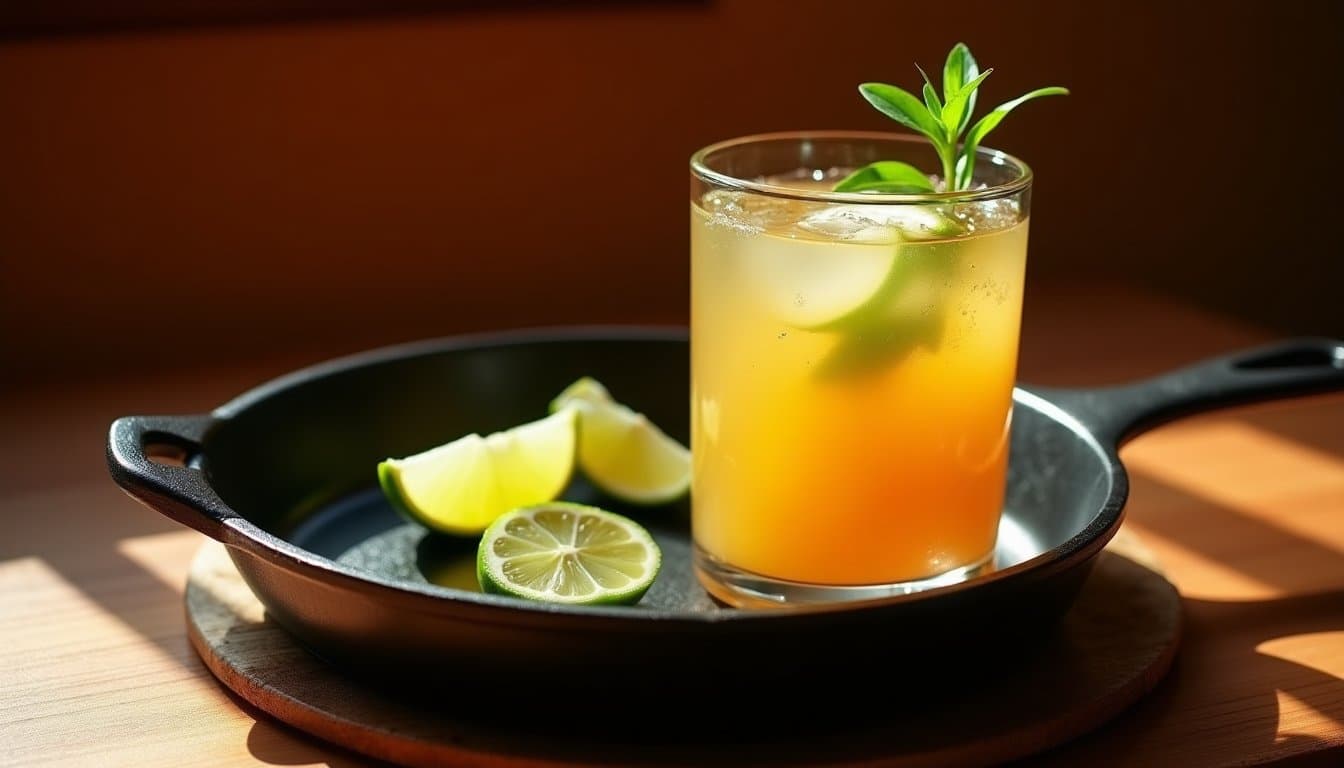
Wild Garlic & Lime Agua Fresca with Chili and Tajín
Yes, we put wild garlic in a drink, and no, you won't regret it. Blanching and flash-chilling the leaves strips out the harsh bite while leaving a grassy, allium-sweet backbone that makes lime pop in ways citrus alone never could. Tajín's chili-lime-salt crust on the rim turns this Mexican spring cooler into a full sensory event.
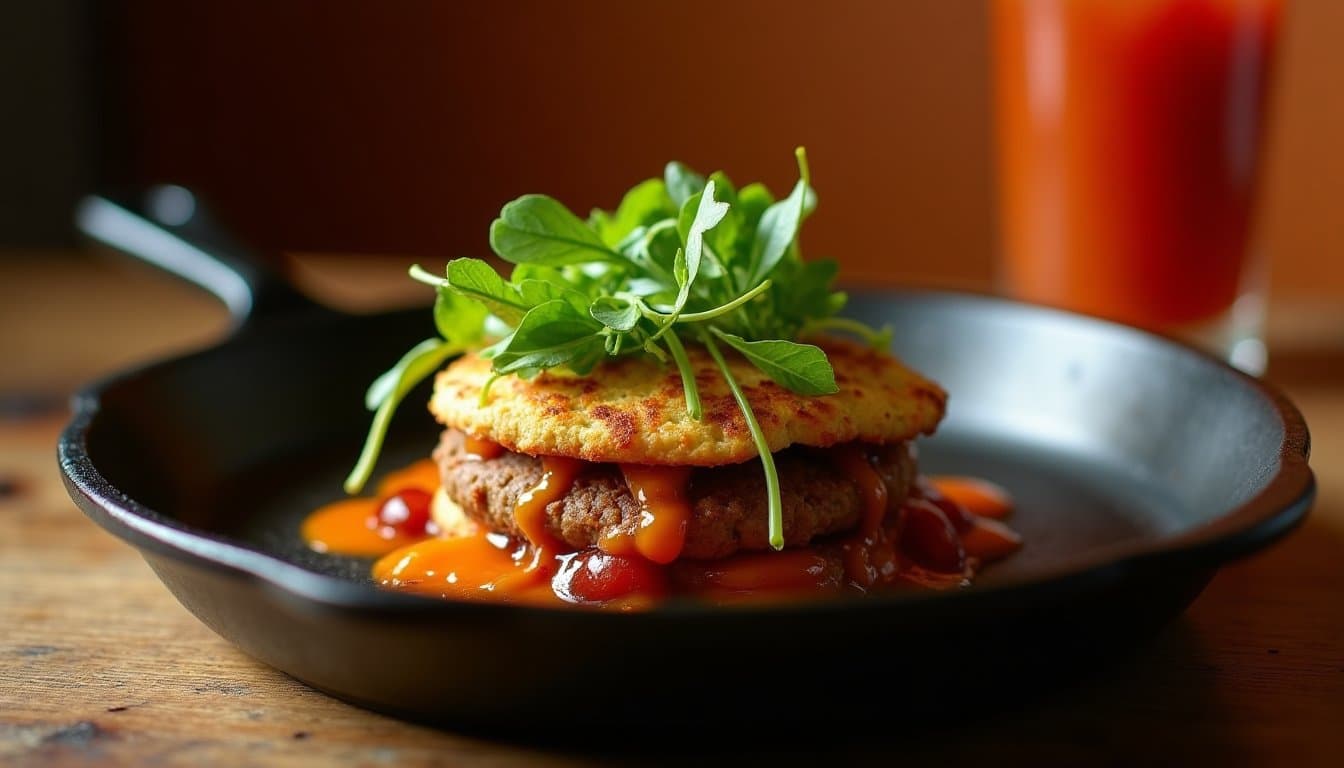
Smoked Watercress and Ramp Bloody Mary with Pickled Asparagus
Cold-smoking watercress and ramps over cherry wood before blending them with aji amarillo, chicha de jora vinegar, and fire-roasted tomatoes produces a Bloody Mary that tastes like a garden that actually caught fire. The pickled asparagus spear does real work here, adding a grassy, briny snap that makes the tired celery stick look like a prop. This is a Peruvian-inflected brunch drink with enough going on that you'll want to make it on a Tuesday.
Spring Onion & Ginger Bubble Tea with Taro Sesame Milk
Taiwanese bubble tea doesn't usually start with a hot wok, but this one does. Spring onions and ginger get wok-bloomed using the same technique behind scallion oil noodles, then folded into a creamy taro and black sesame milk base. The drink lands somewhere between Taiwan's best street food stall and a boba shop, with a subtly umami, lightly floral flavor you won't find anywhere on a standard menu.
Get the free flavor science guide.
5 rules that explain why unusual combinations work — plus new recipes every week.
You can unsubscribe anytime. No spam, ever. Or just read the guide.