This post contains affiliate links. We may earn a small commission at no extra cost to you. Learn more
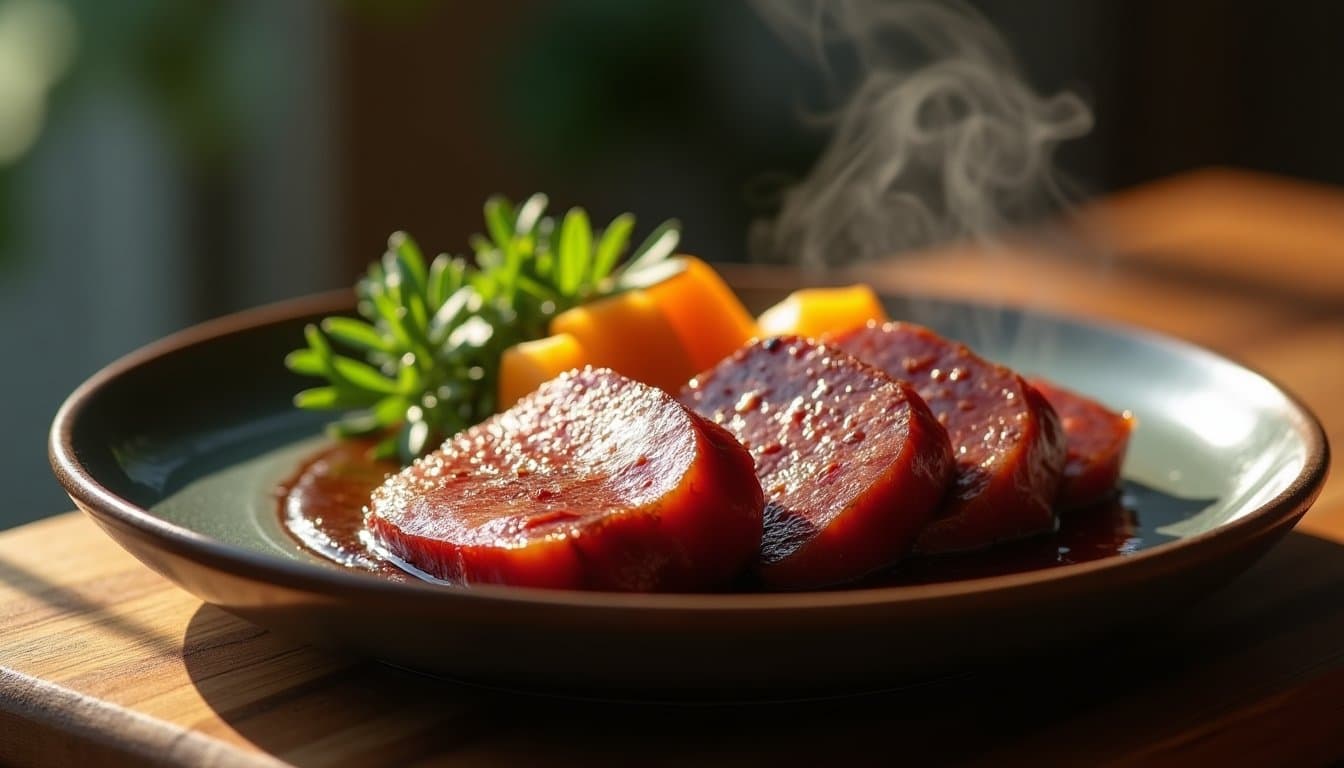
Cold-Smoked Duck Breast with Rhubarb-Ramp Gastrique and Spring Pea Purée
what's this?
Strangeness scale
- 1 — Slightly odd
- 2 — Raises eyebrows
- 3 — Genuinely strange
- 4 — Deeply weird
- 5 — Unhinged
- Cook
- 1h
- Total
- 1h 45m
- Difficulty
- Hard
- Serves
- 2
- Origin
- Nordic
Duck breast gets cold-smoked over juniper and birch, seared to a lacquered crisp, then laid over sweet spring pea purée with a glossy rhubarb-ramp gastrique that is equal parts savage and elegant. Rhubarb's oxalic tartness cuts clean through the duck's subcutaneous fat, while wild ramps bring a sulfurous, garlicky funk that somehow tastes like the forest floor decided to dress for dinner. Nordic spring on a plate: fleeting, feral, and worth every step.
Equipment
Why It Actually Works
Rhubarb's high malic and oxalic acid content works on the palate the way a squeeze of lemon does, cutting through duck's rich subcutaneous fat and resetting your taste receptors between bites, but with considerably more drama. Wild ramps contain organosulfur compounds, the same family found in garlic and onion, that bond with Maillard reaction compounds in the seared duck skin and produce new savory aroma molecules that amplify the smoky, meaty character rather than fighting it. The spring pea purée brings plant-forward sweetness and chlorophyll freshness that bridges the assertive gastrique and the smoke, keeping the whole plate from tipping into chaos.
Learn the flavor science rules behind recipes like this →Ingredients
- 2 whole duck breasts, skin-on, about 300g each
- 1 tbsp flaky sea salt, for dry cure
- 1 tsp black pepper, coarsely cracked
- 1 tsp juniper berries, crushed
- 1 handful birch wood chips, soaked 30 minutes
- 1 handful juniper sprigs, fresh or dried, for smoke
- 200g fresh rhubarb stalks, sliced 1cm thick
- 6 stalks wild ramps (ramsons), bulbs and leaves separated, thinly sliced
- 80ml apple cider vinegar
- 60g golden caster sugar
- 100ml duck or chicken stock, good quality
- 1 tbsp cold unsalted butter, cubed
- 300g fresh or frozen spring peas, shelled
- 2 tbsp crème fraîche
- 1 tbsp unsalted butter
- 1 small shallot, finely minced
- 50ml vegetable stock, warm
- salt and white pepper, to taste
- fresh pea shoots, to garnish
- ramp leaves, thinly sliced, to garnish
- edible flowers such as wood sorrel or violet, optional garnish
Instructions
1. DRY CURE THE DUCK: Combine the flaky sea salt, cracked black pepper, and crushed juniper berries. Score the duck skin in a crosshatch pattern, cutting only through the fat and not into the flesh. Rub the cure all over both breasts, wrap tightly in cling film, and refrigerate for at least 2 hours or overnight. Pat completely dry with paper towels before smoking.
2. SET UP YOUR COLD SMOKE: If using a stovetop smoker or a grill with indirect heat, aim for a smoking temperature below 30°C (85°F) to cold-smoke without cooking the duck. Combine soaked birch wood chips with juniper sprigs. Place duck breasts on a rack over the smoke source, cover tightly, and cold-smoke for 25–30 minutes. The flesh should take on a pale amber hue and smell aggressively of the forest. Remove and rest at room temperature for 15 minutes.
3. MAKE THE RHUBARB-RAMP GASTRIQUE: In a small heavy-bottomed saucepan, combine the sugar and apple cider vinegar over medium heat. Stir until the sugar dissolves, then stop stirring and allow it to reduce by half until it smells like a sharp caramel, about 6–8 minutes. Add the rhubarb pieces and ramp bulbs, stirring to coat. Pour in the duck or chicken stock and simmer on medium-low for 12–15 minutes until the rhubarb has completely collapsed and the sauce coats a spoon. Season with salt. Just before serving, stir in the sliced ramp leaves and swirl in the cold butter cubes off the heat to gloss and mellow the gastrique. Keep warm.
4. MAKE THE SPRING PEA PURÉE: In a small saucepan, sweat the minced shallot in butter over low heat until completely translucent, about 4 minutes. Add the peas and warm vegetable stock, bring to a gentle simmer, and cook for 3–4 minutes until the peas are just tender but still vibrantly green — do not overcook or you will lose the color. Transfer to a blender with the crème fraîche and blitz on high for 2 full minutes until completely smooth and silky. Pass through a fine-mesh sieve for maximum luxury. Season aggressively with salt and white pepper. Keep warm in a bain-marie.
5. SEAR THE DUCK: Place the cold-smoked duck breasts skin-side down in a cold, dry, heavy-bottomed skillet (cast iron is ideal). Turn the heat to medium and allow the fat to render slowly for 8–10 minutes without moving the duck, until the skin is deeply golden, crackly, and most of the fat has rendered out. Flip and cook flesh-side down for 3–4 minutes for medium-rare, targeting an internal temperature of 57–60°C (135–140°F). Rest on a wire rack for 7 minutes — this is non-negotiable.
6. PLATE WITH INTENTION: Spoon a generous swoosh of pea purée across each warm plate. Slice each duck breast against the grain into 4–5 thick slices and fan them over the purée, skin-side up to preserve the crackle. Spoon the warm rhubarb-ramp gastrique generously over and around the duck, letting it pool into the purée. Garnish with fresh pea shoots, thinly sliced raw ramp leaves, and edible flowers if you are feeling appropriately unhinged. Serve immediately.
Nutrition (estimated per serving)
- Calories
- 720
- Fat
- 38g
- Carbs
- 42g
- Protein
- 55g
- Fiber
- 7g
- Sodium
- 1450mg
Variations
- Morel gastrique: replace ramps with dried morels, rehydrated and blended into the gastrique, for an earthier, more autumnal profile that still reads Nordic and strange.
- Gooseberry gastrique: swap rhubarb for fresh green gooseberries, which give a rounder, less jagged tartness and let the ramp funk move to the front.
- Cold plate version: skip the sear entirely, slice the cold-smoked duck thin like charcuterie, and serve alongside a chilled pea-and-buttermilk soup instead of purée for a no-cook summer dinner.
Storage & Make-Ahead
The dry-cured, cold-smoked duck breasts keep well in the fridge for up to 3 days, wrapped tightly in butcher's paper or cling film, and actually benefit from a night of rest after smoking as the smoke flavor mellows and distributes more evenly through the meat. The rhubarb-ramp gastrique can be made 2 days ahead and refrigerated in a jar, then gently rewarmed over low heat with a splash of stock before finishing with the cold butter. The pea purée is best made the day of serving since it loses its bright color quickly, but you can sweat the shallot and measure out your stock the night before to speed things up. Store the garnishes, pea shoots, sliced ramp leaves, and any edible flowers, separately in a damp paper towel in the fridge and add them only at the moment of plating.
Reader Tips
No tips yet — be the first!
More Strange Recipes
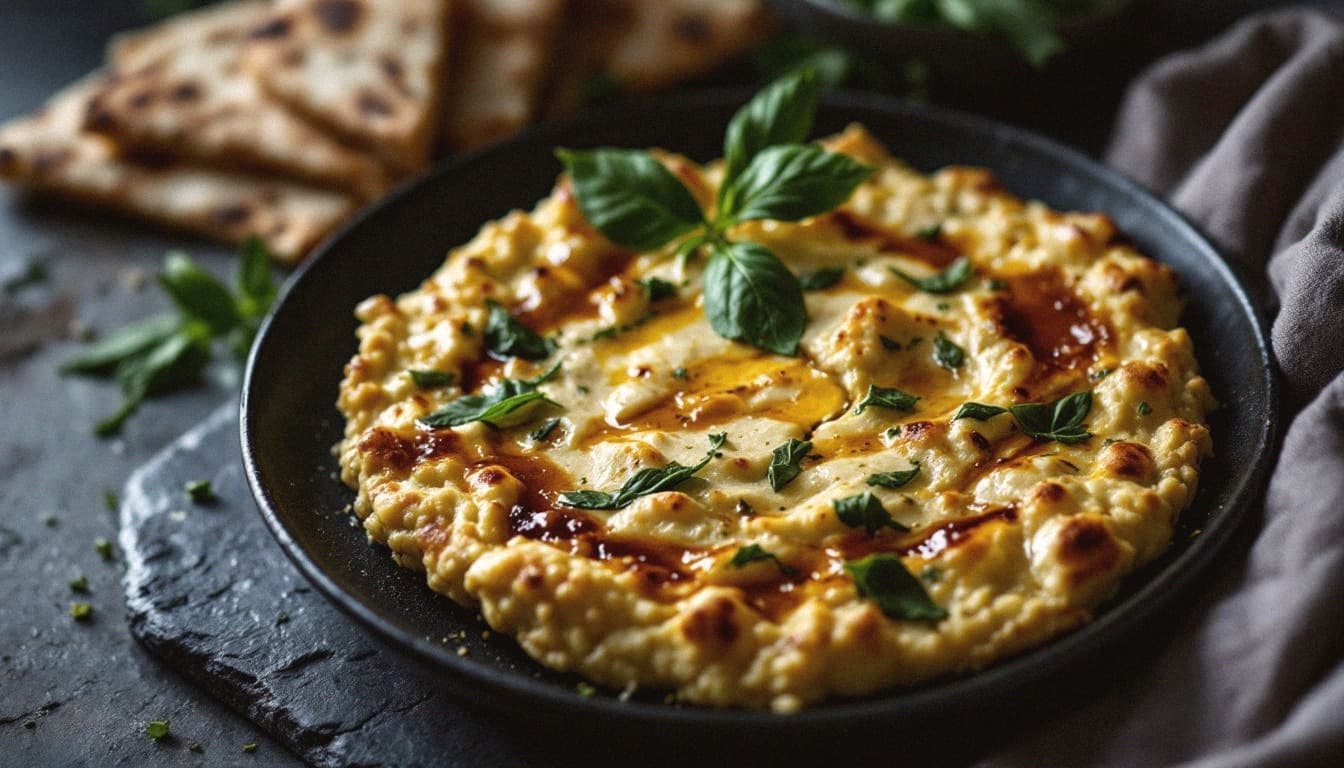
Wild Garlic Fatteh with Spring Peas and Pomegranate Molasses
Fatteh without yogurt sounds like a mistake, but wild garlic sauce and pomegranate molasses together do exactly what yogurt does: cut the richness of chickpeas with acid and funk. The wild garlic loses its raw, almost aggressive bite when it hits warm broth, settling into something foresty and complex that no restaurant version of this dish has ever tasted like. Make it while wild garlic is actually in season, because ramps or dried garlic won't get you there.
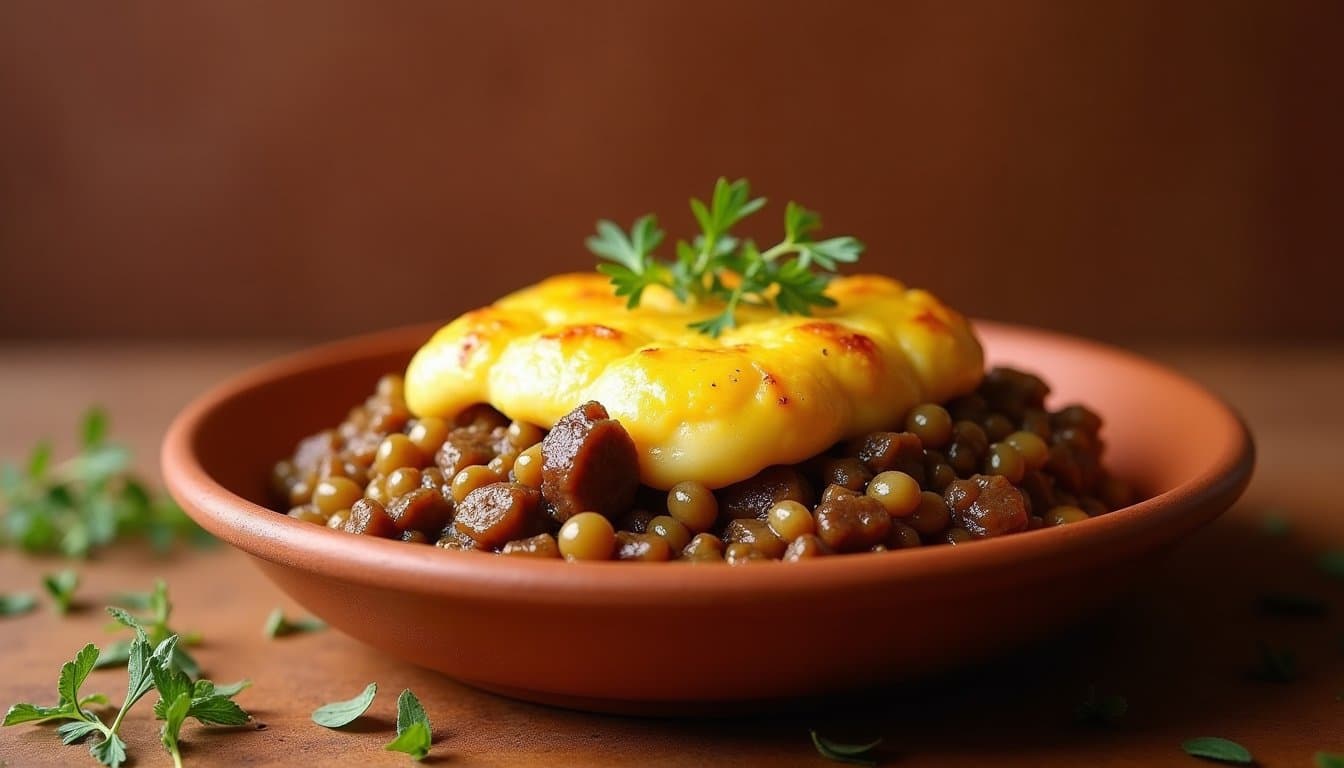
Wild Garlic Lamb Keema Shepherd's Pie with Ramp Mash and Pickled Pea Topping
A British pub kitchen meets a Mumbai dhaba, and neither one blinks. Spiced lamb keema loaded with wild garlic replaces the usual mince filling, a ramp-infused mash crowns the top, and bright pickled peas cut through the richness like a vinegar slap. Comfort food with a passport and a mild identity crisis — exactly how we like it.
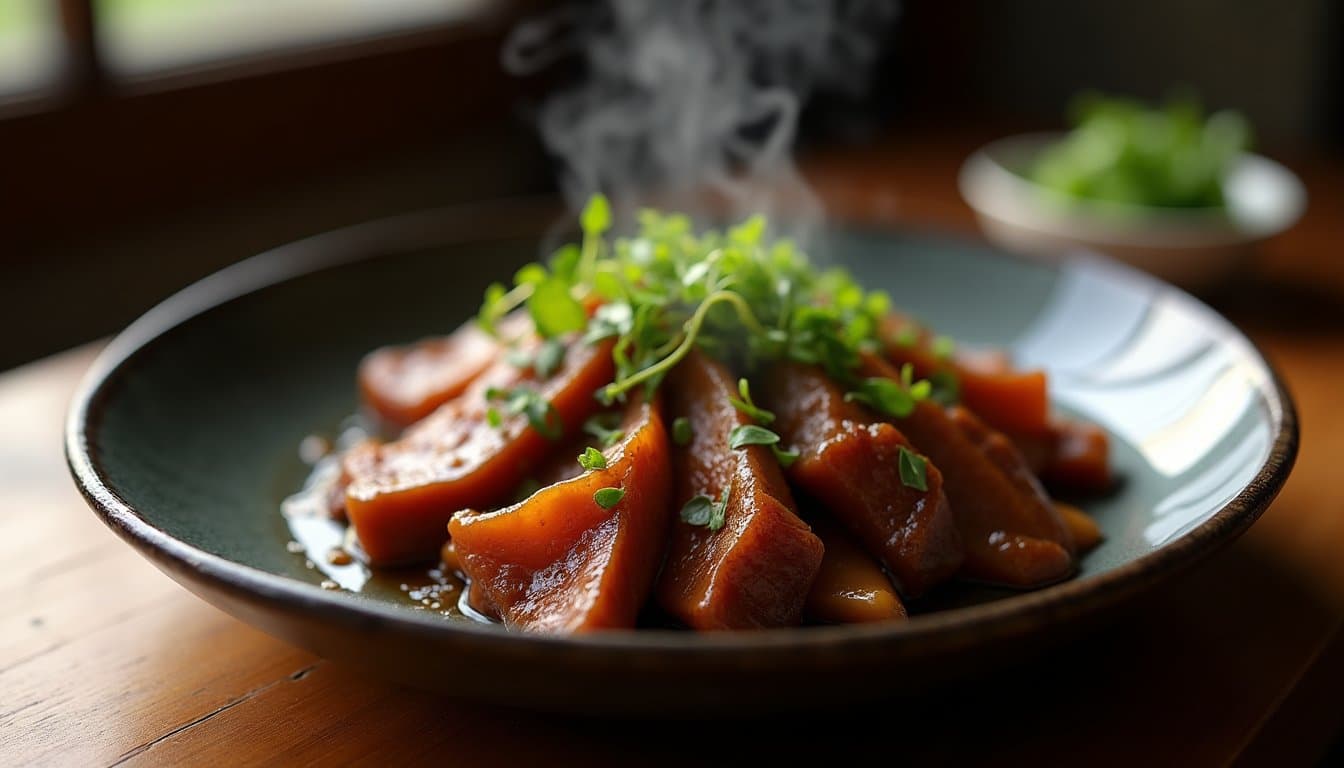
Kombu-Braised Korean Short Ribs with Watercress Gremolata and Black Sesame
Flanken-cut short ribs braised in kelp-and-doenjang broth until the collagen gives up completely, then buried under a raw watercress gremolata spiked with toasted black sesame and yuzu zest. The ocean-floor depth of kombu does something almost unsettling to the beef's natural glutamates. The bitter, peppery watercress is what keeps the whole thing from becoming too much of a good thing.
Get the free flavor science guide.
5 rules that explain why unusual combinations work — plus new recipes every week.
You can unsubscribe anytime. No spam, ever. Or just read the guide.