This post contains affiliate links. We may earn a small commission at no extra cost to you. Learn more
Kimchi Grilled Cheese with Gochujang Butter and Spring Pea Spread
what's this?
Strangeness scale
- 1 — Slightly odd
- 2 — Raises eyebrows
- 3 — Genuinely strange
- 4 — Deeply weird
- 5 — Unhinged
- Cook
- 12m
- Total
- 27m
- Difficulty
- Easy
- Serves
- 2
- Origin
- Korean
A grilled cheese built on the premise that kimchi and gruyère have no business being this compatible — and yet. Fermented kimchi's funky acidity cuts through molten gruyère and sharp cheddar while gochujang butter caramelizes into a spicy-sweet lacquered crust. A spring pea spread pulls the whole chaotic thing into focus.
Equipment
Why It Actually Works
Kimchi's lactic acid fermentation produces glutamates that stack directly on top of gruyère's aged umami compounds, creating a layered savoriness that neither ingredient achieves alone. Gochujang butter works because the fermented chili paste contains both capsaicin, which is fat-soluble and carries beautifully through butter, and natural sugars that caramelize at grill temperatures. The spring pea spread does the same job a pickle or slaw does on a classic diner melt: its fresh sweetness and slight vegetal bitterness keep the sandwich from collapsing into a one-note salt bomb.
Learn the flavor science rules behind recipes like this →Ingredients
- 4 slices thick-cut sourdough bread
- 1 cup kimchi, roughly chopped and squeezed dry
- 3 oz gruyère, freshly grated
- 3 oz sharp cheddar, freshly grated
- 4 tbsp unsalted butter, softened
- 1.5 tbsp gochujang paste
- 1 tsp toasted sesame oil
- 1 tsp honey
- 1 cup fresh or frozen spring peas, thawed if frozen
- 2 tbsp cream cheese, softened
- 1 tbsp fresh mint leaves, roughly torn
- 1 tbsp fresh lemon juice
- 1 small garlic clove, microplaned
- 0.5 tsp flaky sea salt, plus more to taste
- 0.25 tsp white pepper
- 1 tsp toasted sesame seeds, for garnish
- 1 tsp gochugaru flakes, for garnish
Instructions
1. Make the gochujang butter: In a small bowl, mash together the softened butter, gochujang paste, sesame oil, and honey until fully combined and a uniform deep-orange color. Taste and adjust — it should be spicy, slightly sweet, and deeply savory. Set aside at room temperature.
2. Make the spring pea spread: Combine the peas, cream cheese, mint, lemon juice, microplaned garlic, salt, and white pepper in a food processor. Pulse 8–10 times until you have a chunky, bright-green spread with some texture — do not fully purée. Taste and adjust salt and lemon. Set aside.
3. Prep the kimchi: Place your roughly chopped kimchi in a clean kitchen towel or several layers of paper towel and squeeze firmly to remove as much liquid as possible. This is non-negotiable — wet kimchi = soggy sandwich = sadness.
4. Build the sandwiches: Lay out all 4 slices of sourdough. Spread the spring pea spread generously on two slices (these will be the insides). On the other two inside-facing slices, pile the squeezed kimchi evenly. Top the kimchi with the mixed gruyère and cheddar, distributing evenly. Press the pea-spread slices firmly onto the cheese-and-kimchi halves to form 2 sandwiches.
5. Butter the outsides: Spread the gochujang butter generously and evenly on both outer faces of each sandwich. Don't be shy — this butter is the crust, the color, and the soul of this recipe.
6. Heat a cast-iron skillet or grill pan over medium-low heat. Place the sandwiches butter-side down. Press gently with a spatula or a second heavy pan. Cook for 4–5 minutes until the bottom is deeply golden-brown, lacquered, and slightly crispy. Watch the heat — the honey in the gochujang butter will burn if the pan is too hot.
7. Flip carefully and cook the second side for another 3–4 minutes, pressing again, until equally golden and the cheese is fully melted. If the bread colors before the cheese melts, tent loosely with foil and lower the heat slightly.
8. Remove from heat, let rest for 90 seconds (this stops the molten cheese from immediately escaping), then slice diagonally. Garnish the cut faces with flaky sea salt, sesame seeds, and a pinch of gochugaru. Serve immediately while the cheese is still dramatically stretchy.
Nutrition (estimated per serving)
- Calories
- 920
- Fat
- 58g
- Carbs
- 68g
- Protein
- 35g
- Fiber
- 6g
- Sodium
- 1480mg
Variations
- Add 2 strips of crispy bacon per sandwich and swap 1 tbsp of the gochujang in the butter for 1 tsp doenjang (Korean fermented soybean paste) — you get a smokier, deeper umami backbone without losing the heat.
- For a vegan build, use vegan butter, swap the gruyère and cheddar for Violife smoked cheddar and Miyoko's mozzarella, and replace the cream cheese in the pea spread with soaked raw cashews blended smooth. The kimchi's fermented funk still carries the sandwich.
- Fold 3 oz of canned oil-packed tuna mixed with a little gochujang mayo into the kimchi layer before assembling. It becomes a Korean-inflected tuna melt that will make you reconsider every tuna melt you've eaten before it.
Storage & Make-Ahead
The gochujang butter keeps in the fridge for up to two weeks wrapped tightly in plastic or stored in a small jar, and it actually gets better after a day as the flavors meld. The pea spread is best made the day you plan to eat, since the mint starts to oxidize and dull after about 24 hours in the fridge. Squeeze the kimchi dry and have your cheese grated ahead of time so assembly takes under five minutes, but don't butter the bread until you're ready to cook or the gochujang butter will soak in and you'll lose that crispy, lacquered crust. Leftover assembled sandwiches reheat decently in a dry skillet over medium-low heat for a few minutes per side, though the pea spread is better added fresh rather than reheated with the rest.
Reader Tips
No tips yet — be the first!
More Strange Recipes
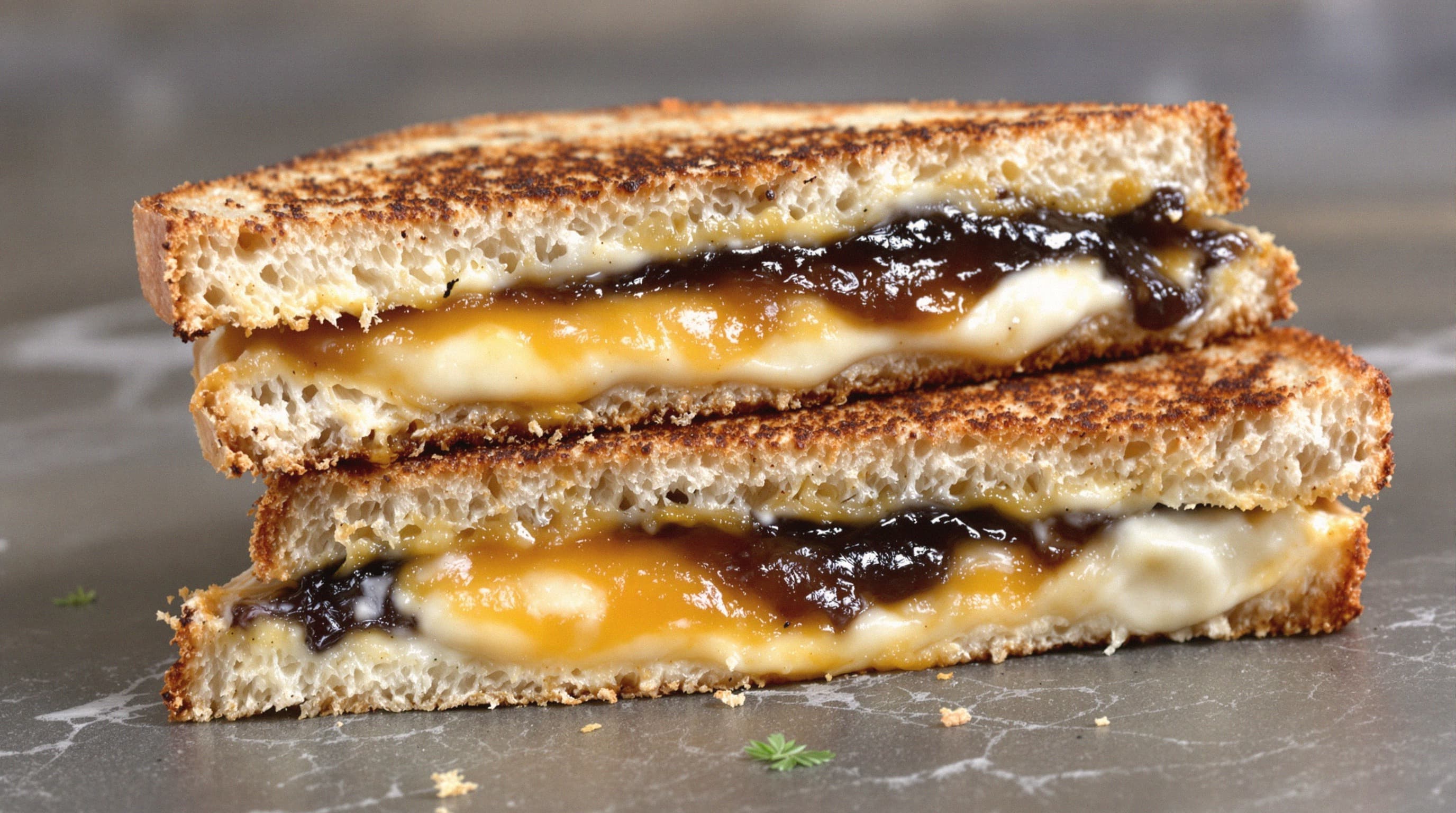
Black Garlic Grilled Cheese with Apricot Jam and Taleggio
Black garlic gets mashed directly into softened butter and spread on the bread before grilling, so its molasses-sweet, faintly funky depth is baked into every bite rather than lurking as an afterthought. Taleggio melts into something almost custardy, and the apricot jam cuts through its barnyard richness with just enough fruit acid to keep things from going heavy. This sandwich sits right at the edge of dessert without crossing over.
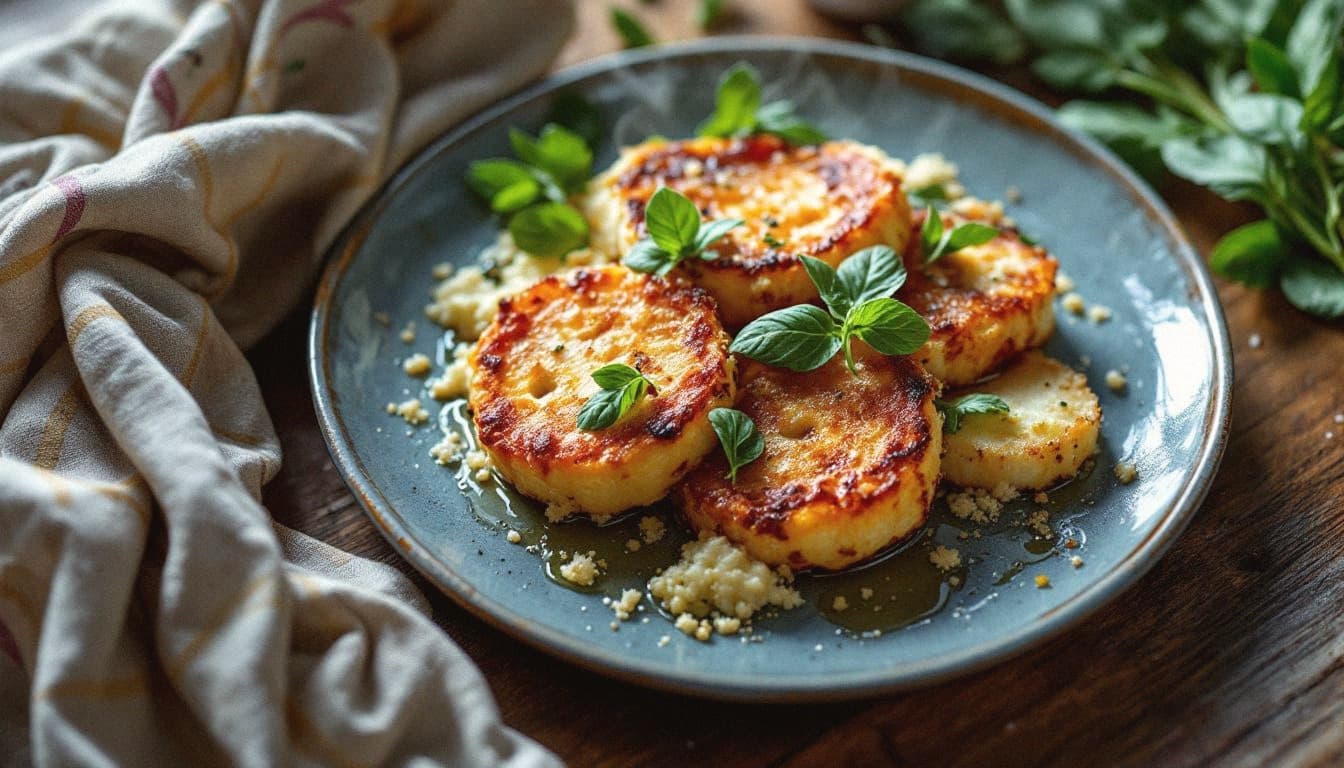
Wild Garlic Saganaki with Morel Mushrooms, Honey, and Ouzo
Frying halloumi with wild garlic and dried morels sounds like a recipe written by someone emptying their fridge, but the flavor logic is tighter than it looks. The morels push the cheese's savory depth somewhere almost meaty, the ouzo flame knocks the anise back to a whisper, and the thyme honey lands just in time to stop the whole thing from tipping into brine. Make this in late spring when wild garlic is still young enough to wilt in 45 seconds and smell like the forest floor.
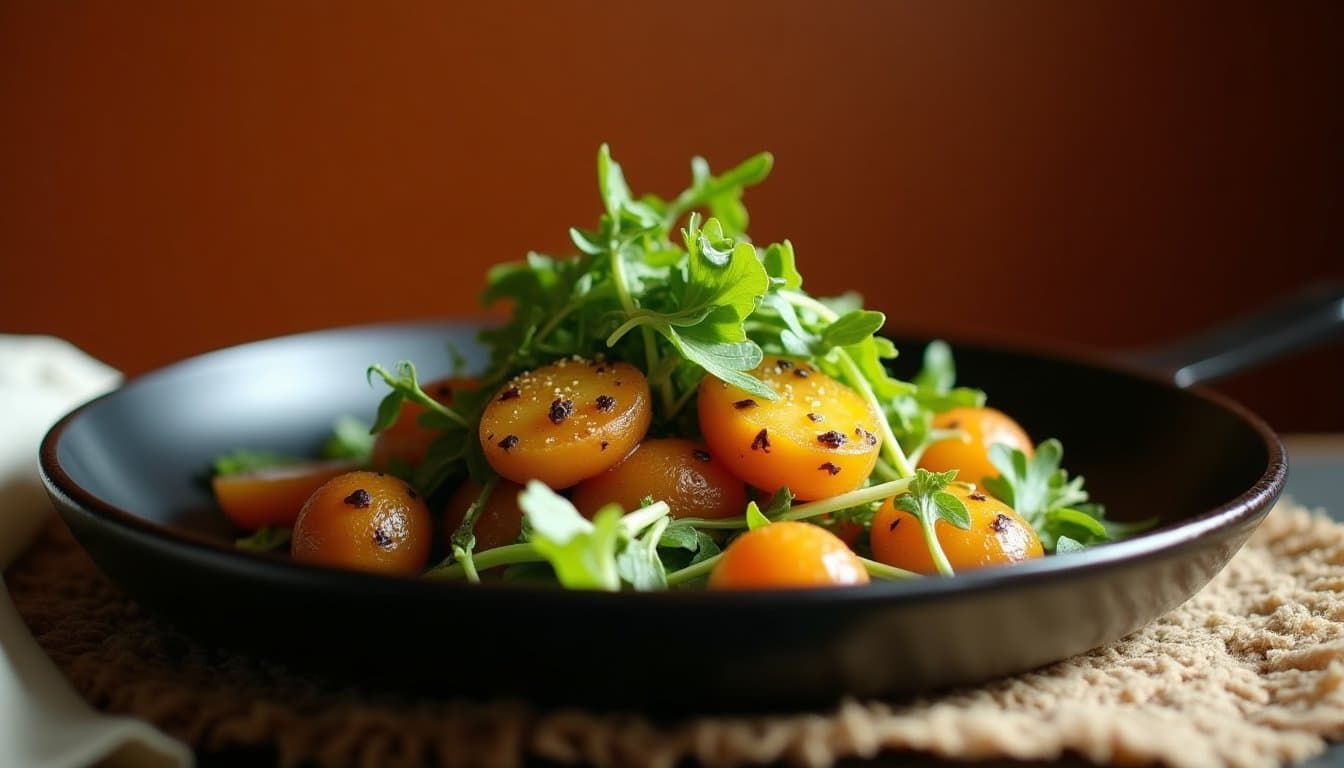
Anchovy-Kissed New Potato & Lamb's Lettuce Salad with Watercress Snow
New potatoes and anchovies are a perfectly reasonable bistro pairing, which is exactly why blitzing raw watercress into a near-frozen vinaigrette 'snow' that melts over warm potatoes feels so disorienting in the best way. The cold-hot contrast pulls the anchovy's glutamates forward while the peppery watercress oils bloom against the potato starch. No unusual ingredients, genuinely surprising results.
Get the free flavor science guide.
5 rules that explain why unusual combinations work — plus new recipes every week.
You can unsubscribe anytime. No spam, ever. Or just read the guide.