This post contains affiliate links. We may earn a small commission at no extra cost to you. Learn more
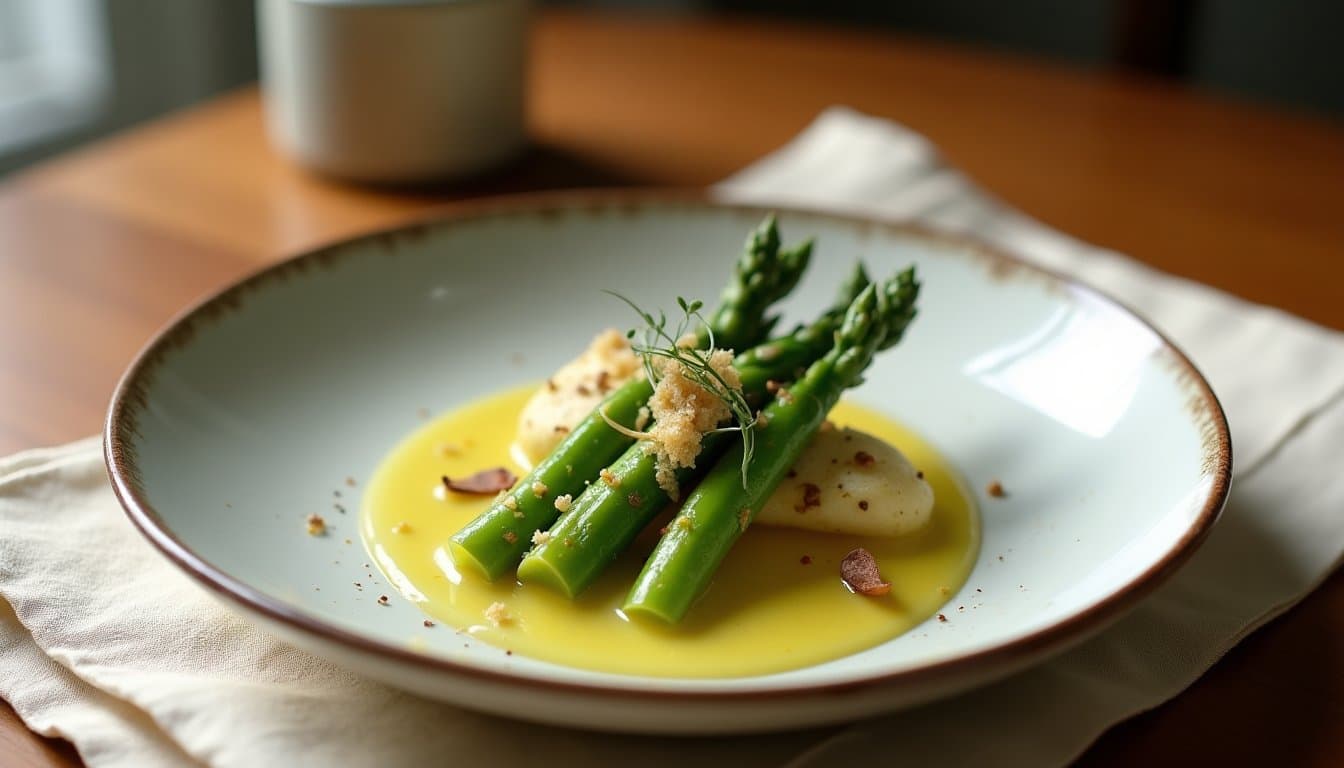
Poached Asparagus Yuzu Sake Spritz with Elderflower and Mint
what's this?
Strangeness scale
- 1 — Slightly odd
- 2 — Raises eyebrows
- 3 — Genuinely strange
- 4 — Deeply weird
- 5 — Unhinged
- Cook
- 10m
- Total
- 25m
- Difficulty
- Easy
- Serves
- 4
- Origin
- Vietnamese
Poaching asparagus directly in sake sounds like a mistake. It isn't. The asparagus gives the sake a grassy, umami-laced sweetness, and that infused liquid becomes the backbone of a cocktail finished with yuzu, elderflower cordial, and bruised mint. The glutamates in asparagus amplify the fruity esters in sake in a way that citrus alone never could, and the result is savory-floral in the best possible sense.
Equipment
Why It Actually Works
Asparagus contains asparagusic acid and sulfur compounds that, when poached gently in sake rather than water, bind to the ethanol and disperse through the liquid, softening their sharpness into a clean, grassy umami note. Yuzu's high concentration of nomilin and limonene cuts residual bitterness while its floral citrus aroma bridges the vegetal sake base and the honeysuckle sweetness of elderflower cordial. The pinch of sea salt suppresses bitterness perception on the palate, the same trick Vietnamese cooks use when balancing nước chấm, and it makes everything taste sharper and more cohesive.
Learn the flavor science rules behind recipes like this →Ingredients
- 300 ml junmai sake (dry, gluten-free certified), chilled after poaching
- 8 spears fresh asparagus, woody ends snapped off
- 60 ml yuzu juice, freshly squeezed or bottled
- 45 ml elderflower cordial (vegan, gluten-free)
- 15 ml simple syrup, adjust to taste
- 1 stalk lemongrass, bruised and cut into 5 cm pieces
- 1 small knob fresh ginger, about 2 cm, peeled and thinly sliced
- 1 sprig fresh mint, leaves picked and lightly bruised
- 240 ml sparkling water or dry sparkling sake, well chilled
- 1 pinch flaky sea salt
- ice cubes, for serving
- 4 thin asparagus tips, reserved for garnish
- 4 small fresh mint sprigs, for garnish
- 4 strips yuzu or lemon zest, for garnish
Instructions
1. In a small saucepan over low-medium heat, combine the sake, lemongrass pieces, and ginger slices. Bring to a very gentle simmer — you want lazy bubbles, not a rolling boil, to preserve the sake's delicate esters.
2. Add the asparagus spears to the barely simmering sake and poach for 4 to 5 minutes until just tender but still vivid green. The liquid will turn a pale jade and smell faintly vegetal and grassy — that is exactly what you want.
3. Remove the asparagus and set aside 4 of the prettiest tips for garnish. Transfer the remaining spears to a blender or use an immersion blender to purée them with 60 ml of the poaching liquid until completely smooth.
4. Strain the poaching liquid through a fine-mesh sieve into a bowl, pressing gently on any solids. Discard the lemongrass and ginger. Whisk the asparagus purée back into the strained sake infusion — this adds body and intensifies the grassy flavor without cloudiness.
5. Stir in the yuzu juice, elderflower cordial, simple syrup, and a pinch of flaky sea salt. Taste and adjust sweetness or acidity. Transfer to the refrigerator or a bowl of ice water to chill completely, at least 10 minutes.
6. To build each drink, fill four tall glasses or Vietnamese-style iced coffee glasses with ice cubes. Divide the chilled asparagus-sake base evenly among the glasses, filling each about two-thirds full.
7. Top each glass gently with sparkling water or sparkling sake, pouring slowly down the side of the glass to preserve the fizz. Give one very slow stir with a bar spoon.
8. Garnish each glass with a reserved asparagus tip balanced on the rim, a sprig of fresh mint, and a curled strip of yuzu or lemon zest. Serve immediately while effervescent.
Nutrition (estimated per serving)
- Calories
- 98
- Fat
- 0g
- Carbs
- 14g
- Protein
- 1g
- Fiber
- 1g
- Sodium
- 45mg
Variations
- Swap fresh mint for Vietnamese coriander (rau răm) in the garnish and muddle a few leaves into the base. It adds a peppery, lemony bite that leans harder into the Vietnamese flavor profile.
- For a zero-proof version, replace the sake with cold-brewed sencha and use coconut water instead of sparkling water. The result is a delicate, lotus-adjacent spritz that doesn't taste like an afterthought.
- Double the ginger in the poaching liquid, add a thin slice of fresh bird's eye chili, and finish with a dash of rice vinegar. It buzzes with heat and tang in a way that makes the floral notes feel almost dangerous.
Storage & Make-Ahead
The poached sake base (strained of lemongrass and ginger) keeps in a sealed jar in the fridge for up to three days; the yuzu, elderflower cordial, and simple syrup can be stirred together as a concentrate and refrigerated separately for the same window. Don't combine the base with the sparkling water or sparkling sake until you're pouring drinks, or you'll lose all the fizz. The poached asparagus spears hold well in the fridge for two days submerged in a little of the poaching liquid, but the reserved garnish tips are delicate, so keep those dry on a paper towel and use them within 24 hours. This drink doesn't freeze well since both the sake and the yuzu juice turn flat and slightly bitter after thawing.
Reader Tips
No tips yet — be the first!
More Strange Recipes
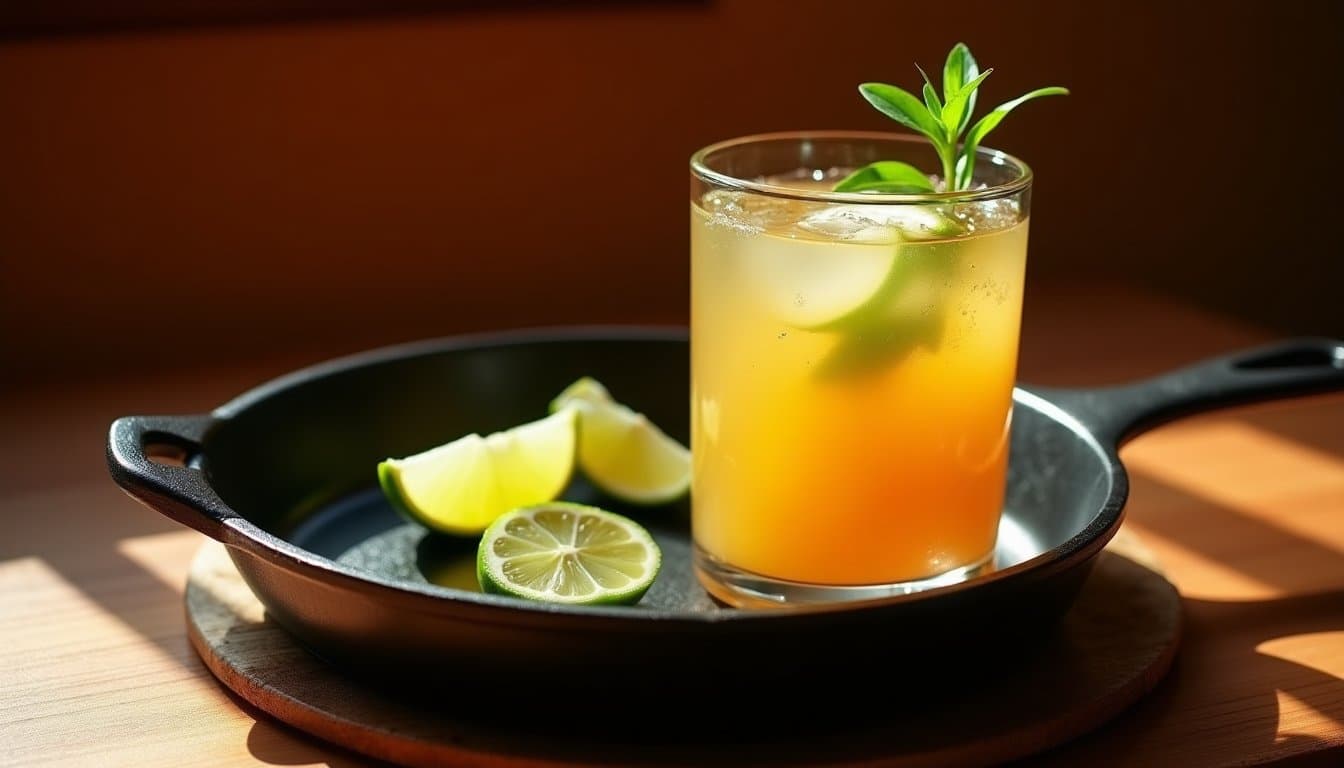
Wild Garlic & Lime Agua Fresca with Chili and Tajín
Yes, we put wild garlic in a drink, and no, you won't regret it. Blanching and flash-chilling the leaves strips out the harsh bite while leaving a grassy, allium-sweet backbone that makes lime pop in ways citrus alone never could. Tajín's chili-lime-salt crust on the rim turns this Mexican spring cooler into a full sensory event.
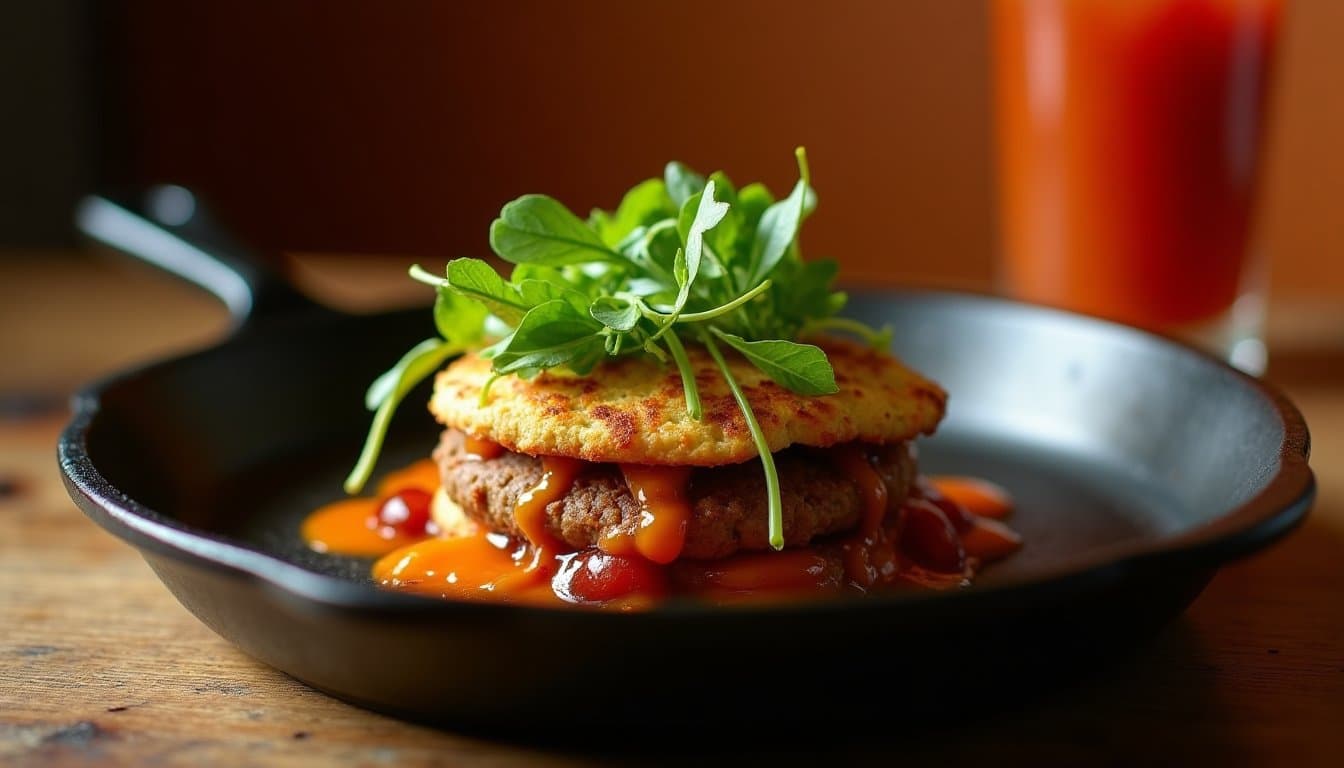
Smoked Watercress and Ramp Bloody Mary with Pickled Asparagus
Cold-smoking watercress and ramps over cherry wood before blending them with aji amarillo, chicha de jora vinegar, and fire-roasted tomatoes produces a Bloody Mary that tastes like a garden that actually caught fire. The pickled asparagus spear does real work here, adding a grassy, briny snap that makes the tired celery stick look like a prop. This is a Peruvian-inflected brunch drink with enough going on that you'll want to make it on a Tuesday.
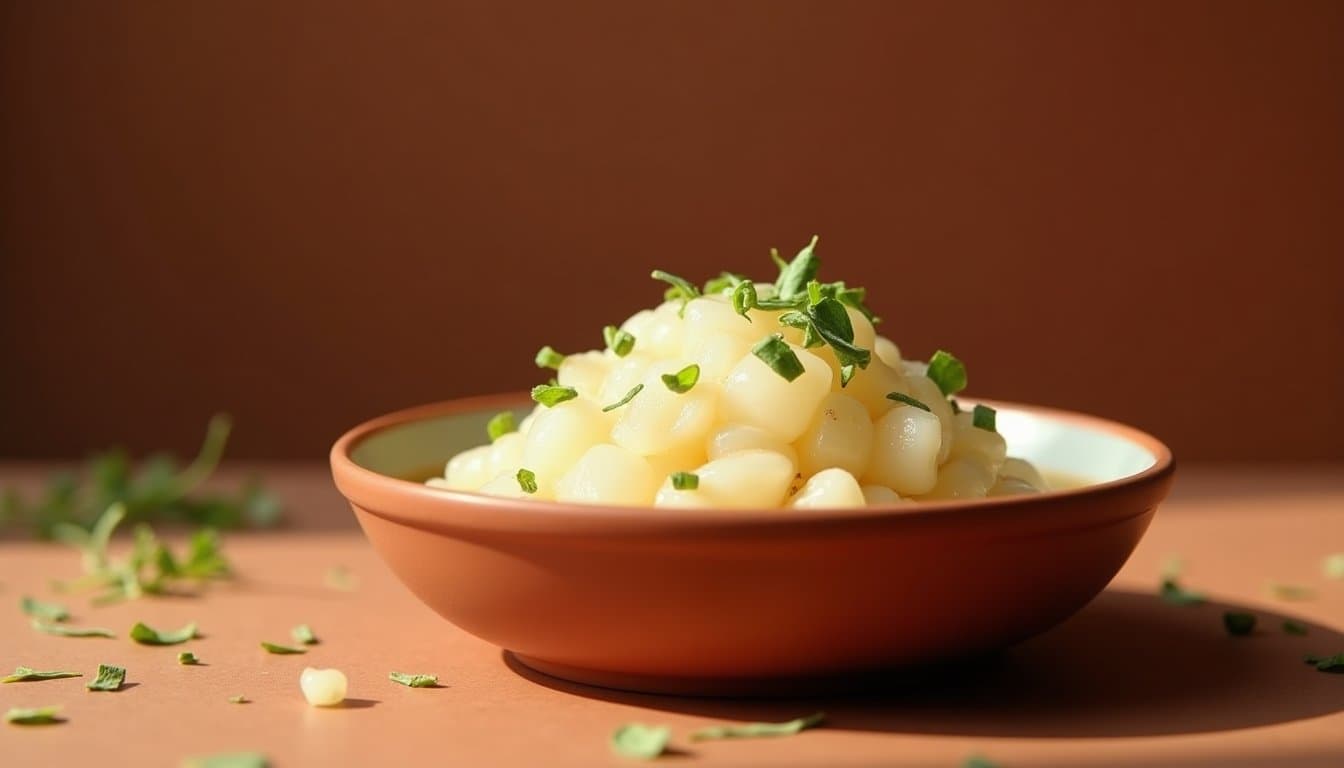
Spring Onion & Ginger Bubble Tea with Taro Sesame Milk
Taiwanese bubble tea doesn't usually start with a hot wok, but this one does. Spring onions and ginger get wok-bloomed using the same technique behind scallion oil noodles, then folded into a creamy taro and black sesame milk base. The drink lands somewhere between Taiwan's best street food stall and a boba shop, with a subtly umami, lightly floral flavor you won't find anywhere on a standard menu.
Get the free flavor science guide.
5 rules that explain why unusual combinations work — plus new recipes every week.
You can unsubscribe anytime. No spam, ever. Or just read the guide.