This post contains affiliate links. We may earn a small commission at no extra cost to you. Learn more
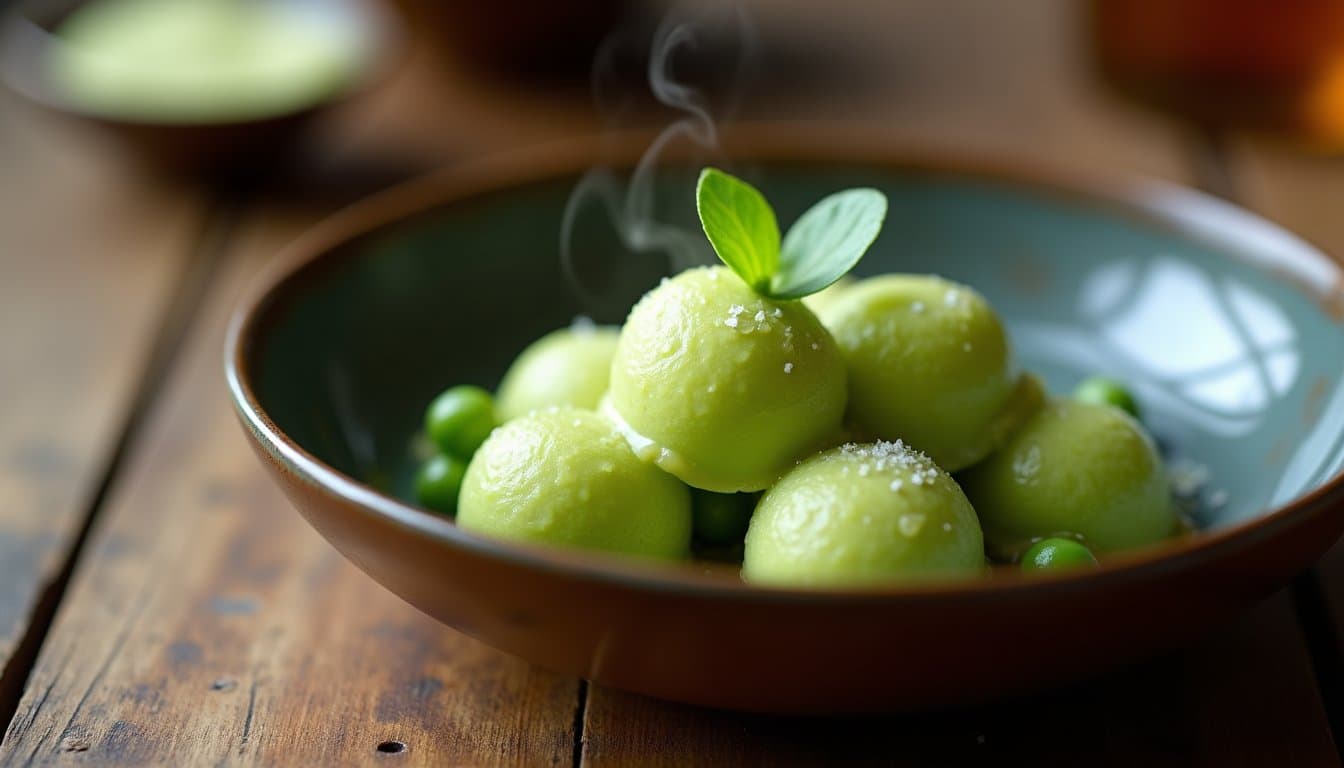
Spring Pea and Elderflower Sorbet with Lemon and Fresh Mint
what's this?
Strangeness scale
- 1 — Slightly odd
- 2 — Raises eyebrows
- 3 — Genuinely strange
- 4 — Deeply weird
- 5 — Unhinged
- Cook
- 10m
- Total
- 4h 30m
- Difficulty
- Easy
- Serves
- 6
- Origin
- Spanish
This sorbet sounds wrong on paper, sweet peas blended with elderflower cordial, lemon, and mint, and that's exactly why it works. Peas carry enough natural sugar and starch to give the finished scoop a silky, almost dairy-like body with no cream in sight. Your guests will eye it suspiciously, then ask for more.
Equipment
Why It Actually Works
Sweet peas have a higher concentration of natural sugars and dissolved solids than most vegetables, which depresses the freezing point and produces a smoother texture, doing some of the structural work that egg yolks handle in ice cream. Elderflower's aromatic compounds, primarily linalool and geraniol, sit in the same fragrance family as the fresh green notes in peas, so the two ingredients reinforce each other rather than fight. The lemon juice brings enough acidity to keep the pea's starchy undertones from going flat or muddy.
Learn the flavor science rules behind recipes like this →Ingredients
- 500 g fresh or frozen sweet peas, thawed if frozen
- 120 ml elderflower cordial
- 100 g caster sugar
- 180 ml cold water
- 2 whole lemons, zested and juiced (about 60 ml juice)
- 20 g fresh mint leaves, roughly torn, plus extra sprigs to garnish
- 1 pinch flaky sea salt
- 1 tbsp light agave syrup, for adjusting sweetness
Instructions
1. Make the simple syrup: combine the caster sugar and cold water in a small saucepan over medium heat. Stir until the sugar fully dissolves, about 3–4 minutes. Remove from heat, stir in the elderflower cordial and lemon zest, and let it steep and cool completely — at least 20 minutes. Strain through a fine-mesh sieve to remove the zest.
2. Blanch the peas: bring a medium pot of unsalted water to a rolling boil. Add the peas and blanch for exactly 90 seconds to lock in their vivid green colour and knock back any raw starchiness. Immediately transfer to a bowl of ice water to stop cooking. Drain thoroughly.
3. Blend the base: add the blanched peas, cooled elderflower syrup, lemon juice, torn mint leaves, and sea salt to a high-speed blender. Blitz on high for 2 full minutes until the mixture is completely smooth and brilliantly green.
4. Strain for silkiness: press the blended mixture through a fine-mesh sieve or nut milk bag into a clean bowl, pushing firmly with a spatula to extract as much liquid as possible. Discard the solids. Taste and adjust with agave syrup if the peas are less sweet than expected.
5. Chill the base: cover the bowl and refrigerate for at least 1 hour until the mixture is very cold (below 5°C / 41°F). This step is crucial — a cold base churns into a smoother sorbet.
6. Churn or still-freeze: if using an ice cream machine, churn the cold base according to manufacturer instructions, typically 20–25 minutes, until it reaches a soft-serve consistency. If still-freezing, pour into a shallow freezer-safe container, freeze for 45 minutes, then use a fork to vigorously scrape and stir the icy edges into the centre. Repeat every 30–45 minutes for about 3–4 cycles until the sorbet is uniformly granita-smooth and scoopable.
7. Final freeze: transfer the churned sorbet to a lidded freezer container, smooth the top, press a piece of parchment paper directly onto the surface to prevent ice crystals, and freeze for a minimum of 2 hours until firm enough to scoop.
8. Serve: remove from the freezer 5 minutes before serving to soften slightly. Scoop into chilled coupes or small bowls. Garnish each serving with a fresh mint sprig and a small curl of lemon zest. Optionally, finish with a tiny drizzle of elderflower cordial over the top.
Nutrition (estimated per serving)
- Calories
- 118
- Fat
- 0g
- Carbs
- 27g
- Protein
- 3g
- Fiber
- 3g
- Sodium
- 45mg
Variations
- Cava float: scoop the sorbet into a tall glass and pour ice-cold Spanish cava over it. The dry bubbles cut through the sweetness in a way that makes this feel like an actual cocktail.
- Basil swap: ditch the mint entirely and use fresh basil instead. The profile shifts toward something more savoury and Italianate, leaning hard into the vegetable side of the pea.
- Frozen bonbons: press the sorbet into a silicone ice cube tray, freeze solid, unmould the cubes, and dip them in melted dark chocolate. Two bites, genuinely confusing in the best way, good for a party.
Storage & Make-Ahead
The sorbet keeps well in a freezer-safe container for up to 3 weeks; press a sheet of clingfilm directly onto the surface before sealing the lid to prevent ice crystals forming on top. It will freeze rock-solid, so transfer it to the fridge for 10 to 15 minutes before scooping. You can make the elderflower syrup up to 5 days ahead and keep it refrigerated in a jar, and the blanched, blended pea base can be refrigerated for up to 24 hours before churning or freezing. Add the fresh mint garnish only at serving, since it wilts and discolours quickly once it hits the cold sorbet.
Reader Tips
No tips yet — be the first!
More Strange Recipes
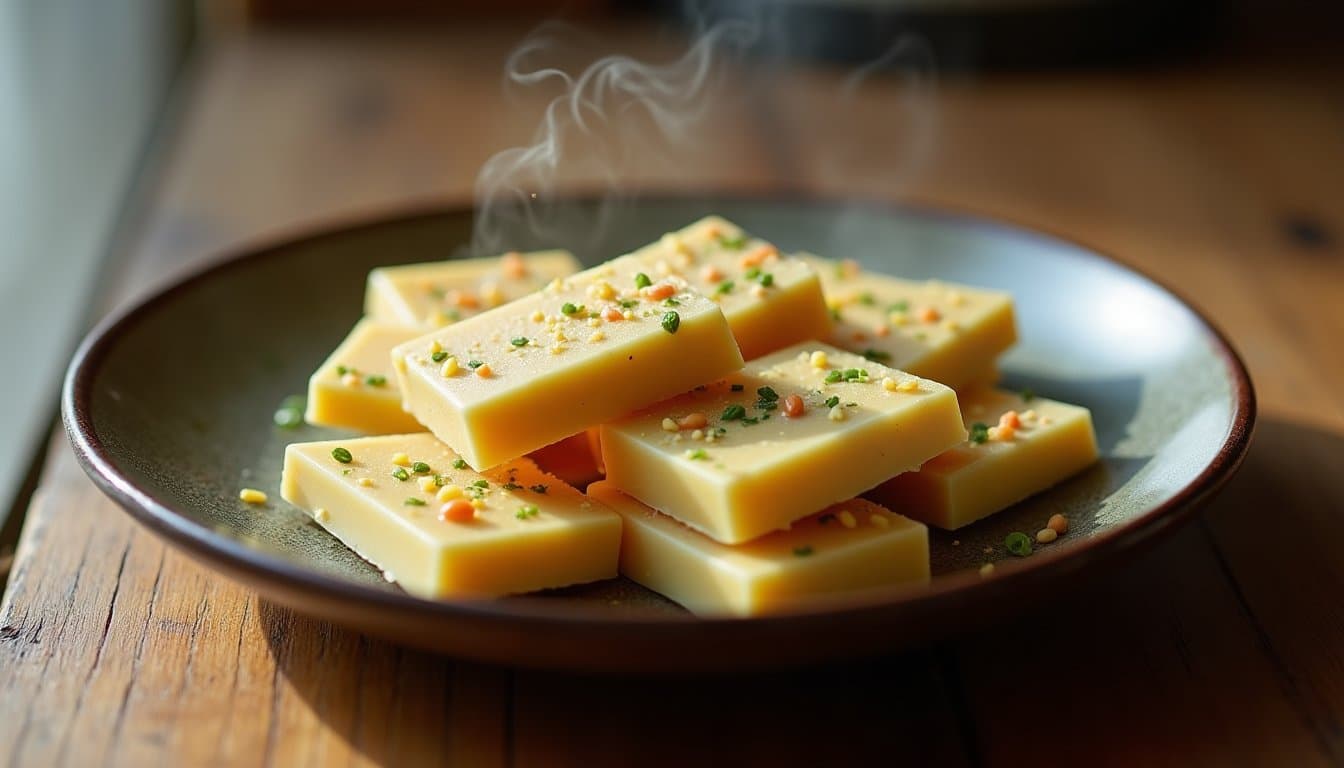
Taiwanese Ramp Salt & Spring Pea Dust White Chocolate Easter Bark with Violet Candy
White chocolate bark cured with ramp-infused fleur de sel sounds like a dare, but it works. The allium funk cuts through the sweetness the way a cold snap cuts through April, and freeze-dried pea powder adds a grassy, almost vegetal brightness that keeps the whole thing from tipping into candy territory. Shattered violet candy on top brings a floral, boba-adjacent perfume that makes this bark taste, improbably, like somewhere specific.
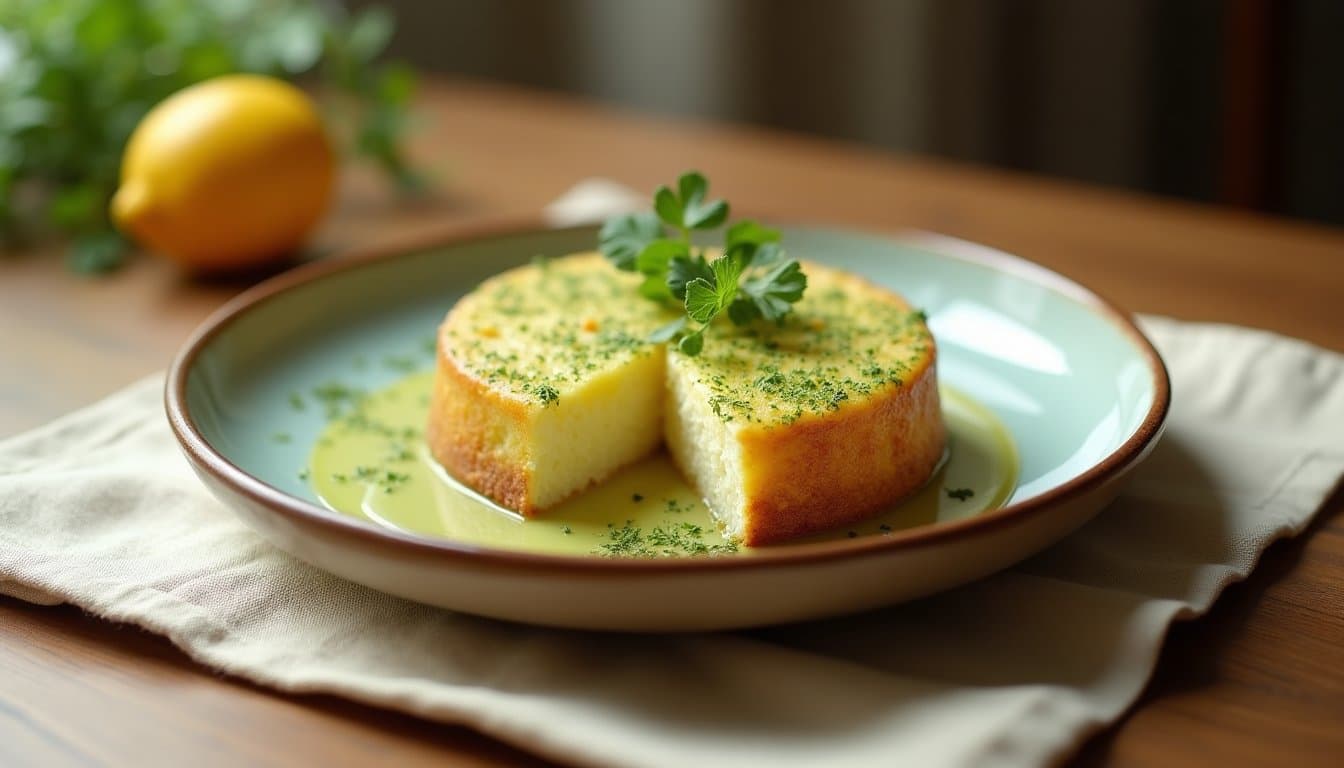
Stinging Nettle and Lemon Semolina Cake with Cardamom Honey Glaze
Yes, we pressure-cooked a cake made from weeds, and it works. Spring stinging nettles bring a grassy, spinach-like depth that cuts through the brightness of lemon and the floral warmth of cardamom, while fine corn semolina keeps the whole thing gluten-free without any gummy compromise. A raw honey glaze on top turns this foraged oddity into a moist, pillowy German-inspired Griesskuchen worth making every April.
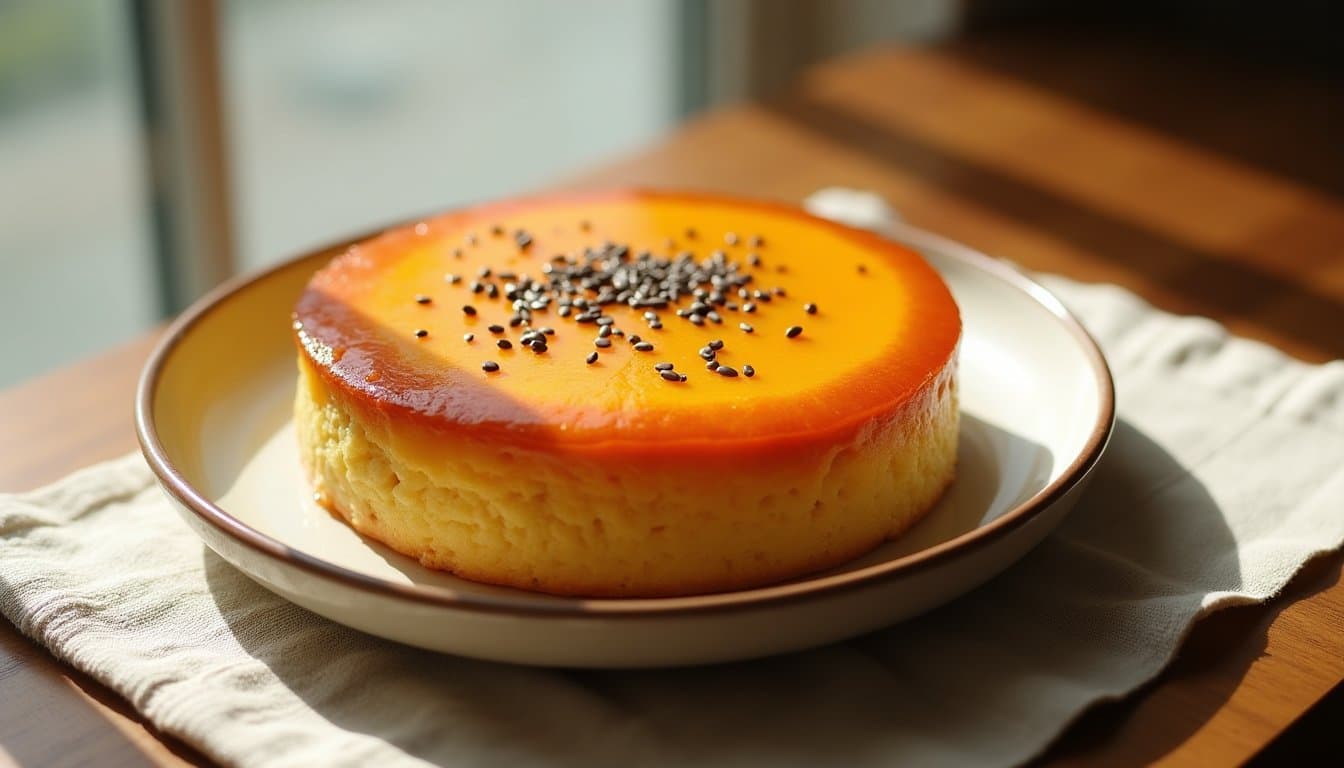
Black Sesame & Orange Blossom Honey Cake with Miso Caramel Sauce
A pressure-cooker steamed cake that pulls Moroccan m'hanncha aromatics into the same bowl as Japanese umami, black sesame paste against orange blossom honey, then buries the whole thing under a white miso caramel that will make you resent every dessert you've eaten before. The science is genuinely strange: miso's glutamates amplify the roasty bitterness of black sesame while orange blossom water cuts through the fat like a floral knife. This is not a prank.
Get the free flavor science guide.
5 rules that explain why unusual combinations work — plus new recipes every week.
You can unsubscribe anytime. No spam, ever. Or just read the guide.