This post contains affiliate links. We may earn a small commission at no extra cost to you. Learn more
Sous-Vide Rhubarb & Rose Water Kefir Tonic with Spring Pea and Mint
what's this?
Strangeness scale
- 1 — Slightly odd
- 2 — Raises eyebrows
- 3 — Genuinely strange
- 4 — Deeply weird
- 5 — Unhinged
- Cook
- 2h
- Total
- 48h 30m
- Difficulty
- Hard
- Serves
- 4
- Origin
- Middle Eastern
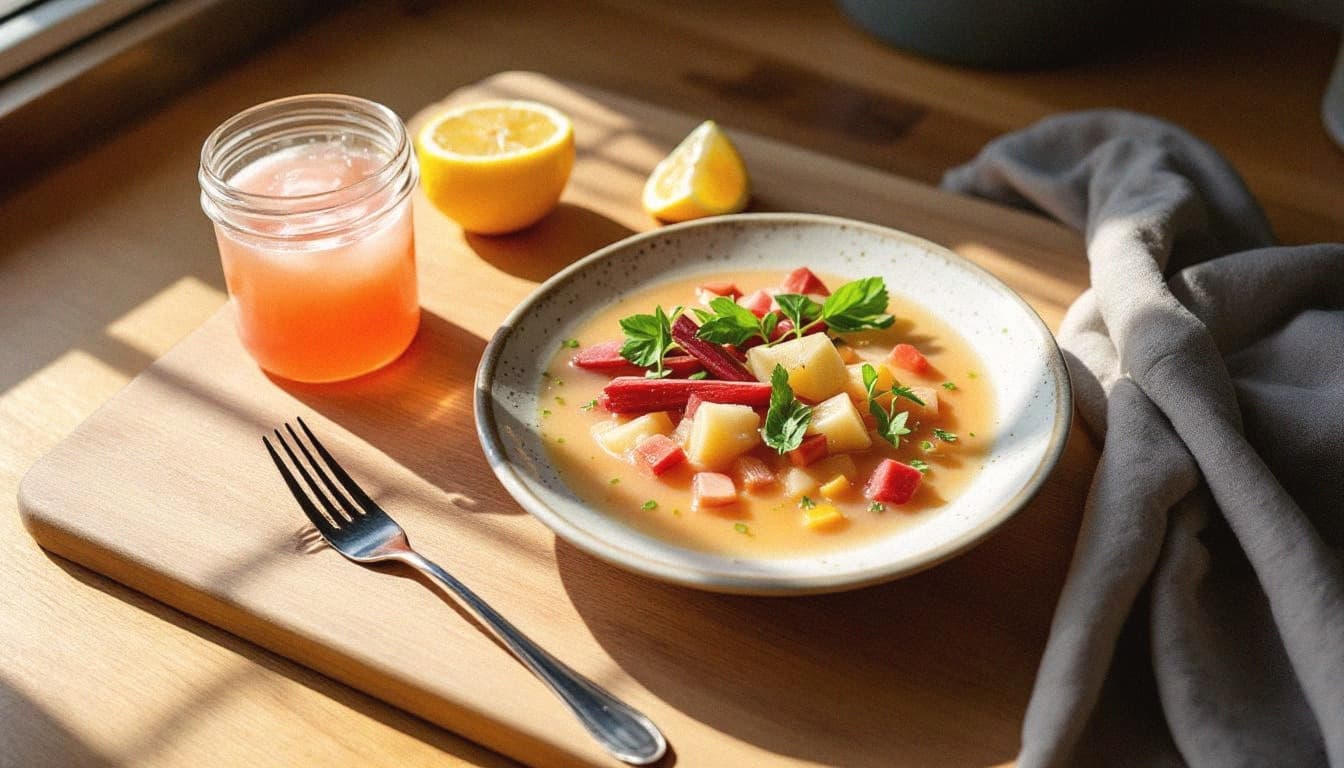
A fermented Middle Eastern spring tonic that sounds like a florist and a farmer had a very confusing argument, but the science backs it up: tart rhubarb, floral rose water, grassy spring peas, and cool mint make a gut-friendly drink that hits every register on your palate. Sous-vide precision coaxes rhubarb into a silky cordial without destroying its volatile acids, then live kefir cultures bring the whole thing to life with a fizzy, probiotic tang. Think Persian sharbat meeting a Brooklyn fermentation lab and deciding to stay.
Equipment
Why It Actually Works
Rhubarb's high oxalic and malic acid content works as a natural flavor amplifier, sharpening the floral rose water and brightening the grassy chlorophyll compounds in fresh pea juice rather than clashing with them, a phenomenon called acid-mediated flavor potentiation. The live Lactobacillus cultures in kefir produce lactic acid during secondary fermentation, which softens rhubarb's astringency while creating a creamy mouthfeel that bridges the floral and vegetal notes. Cardamom's primary aromatic compound, 1,8-cineole, is fat-soluble and binds to kefir's milk proteins, producing a slow-release aromatic effect where every sip smells and tastes slightly different as it warms in the glass.
Learn the flavor science rules behind recipes like this →Ingredients
- 400 g fresh rhubarb stalks, cut into 2 cm pieces
- 120 g cane sugar
- 2 tbsp rose water, food-grade
- 1 tsp cardamom pods, lightly crushed
- 1/2 tsp dried culinary-grade rose petals, plus extra to garnish
- 200 g fresh spring peas, shelled (about 1.5 cups)
- 15 g fresh mint leaves, plus sprigs to garnish
- 500 ml whole milk kefir, plain, live-culture
- 200 ml cold sparkling water
- 1 tsp raw honey, to taste
- 1 pinch fine sea salt
- 1/2 tsp sumac powder, for dusting
- ice cubes, to serve
Instructions
1. SET YOUR SOUS-VIDE BATH: Fill a large container or pot and set your immersion circulator to 63°C (145°F). This precise low temperature will extract rhubarb's oxalic brightness and tannins without scorching the delicate rose and cardamom aromatics.
2. MAKE THE RHUBARB-ROSE CORDIAL POUCH: Combine the rhubarb pieces, cane sugar, rose water, crushed cardamom pods, and dried rose petals in a zip-lock or vacuum-seal bag. Remove as much air as possible using the water-displacement method or a vacuum sealer. Seal tightly.
3. SOUS-VIDE THE CORDIAL: Submerge the sealed bag in the 63°C bath and cook for 2 hours. The rhubarb will break down completely, releasing a vivid crimson syrup infused with cardamom and rose. After 2 hours, remove the bag and let it cool to room temperature (about 20 minutes), then refrigerate until cold.
4. STRAIN THE CORDIAL: Strain the contents of the bag through a fine-mesh sieve lined with cheesecloth, pressing gently on the solids. You should have approximately 250–300 ml of jewel-red cordial. Discard the solids. Refrigerate the cordial.
5. JUICE THE SPRING PEAS: Blanch the shelled peas in boiling salted water for 60 seconds, then shock in an ice bath and drain. Blend the peas with 50 ml cold water until completely smooth. Strain through a fine-mesh sieve, pressing hard to extract all juice. You need approximately 80 ml of bright green pea juice. Refrigerate immediately to preserve the color.
6. MAKE THE MINT INFUSION: Gently bruise the fresh mint leaves with the flat of a knife. Combine with the pea juice and let steep in the refrigerator for 30 minutes. Strain out the mint leaves and discard.
7. BLEND THE KEFIR BASE: In a large jug, whisk together the cold plain kefir, the strained rhubarb-rose cordial, and the mint-infused pea juice. Add the pinch of sea salt and the raw honey. Taste and adjust sweetness — it should be pleasantly tart and floral with a green, grassy undertone.
8. FERMENT (OPTIONAL BUT ENCOURAGED): For a deeper, more complex tonic, pour the blended mixture into a clean glass bottle or jar, seal loosely (to allow CO2 to escape), and leave at room temperature for 2–4 hours. The live kefir cultures will begin a secondary fermentation, adding natural effervescence and deeper tang. Refrigerate immediately after to halt fermentation. Skip this step if you prefer a milder drink.
9. ASSEMBLE THE DRINKS: Fill four tall glasses with ice. Pour the kefir tonic mixture evenly between glasses, filling about three-quarters full. Top each glass with a splash of cold sparkling water for extra effervescence.
10. GARNISH AND SERVE: Dust each glass lightly with sumac powder (its fruity tartness amplifies the rhubarb). Add a fresh mint sprig and a pinch of dried rose petals on top. Serve immediately with a long spoon for stirring, as the pea juice will settle slightly — that green swirl rising through the pink is half the point.
Nutrition (estimated per serving)
- Calories
- 178
- Fat
- 3g
- Carbs
- 34g
- Protein
- 6g
- Fiber
- 3g
- Sodium
- 112mg
Variations
- Dairy-free: swap whole milk kefir for coconut milk kefir or water kefir. The drink turns lighter and more tropical, though you'll lose some creamy tang, so add an extra teaspoon of sumac to compensate for the lost acidity.
- Spiked tonic: stir in 30 ml of good arak or dry vermouth per serving before topping with sparkling water. The anise notes of arak echo the cardamom and produce an unexpectedly sophisticated cocktail that still has genuine probiotic credentials.
- Granita: pour the finished blended tonic (before adding sparkling water) into a shallow freezer-safe dish and freeze, scraping with a fork every 45 minutes for 3 hours. Serve in chilled glasses topped with rose petals as a palate cleanser between courses.
Storage & Make-Ahead
The rhubarb-rose cordial keeps well in a sealed jar in the fridge for up to 5 days, and it actually deepens in flavor after 24 hours as the cardamom settles in. The blended pea-mint base is best made the day you're serving, since the peas oxidize and lose their bright green color within a few hours, but you can shell and blanch the peas a day ahead and refrigerate them. Assemble the full tonic, including the kefir and sparkling water, only when you're ready to drink it, as the carbonation goes flat and the kefir separates if it sits more than 30 minutes. The cordial freezes well in ice cube trays for up to 3 months, which makes it easy to pull out a portion for a single glass without thawing a whole batch.
Reader Tips
No tips yet — be the first!
More Strange Recipes
Wild Garlic & Lime Agua Fresca with Chili and Tajín
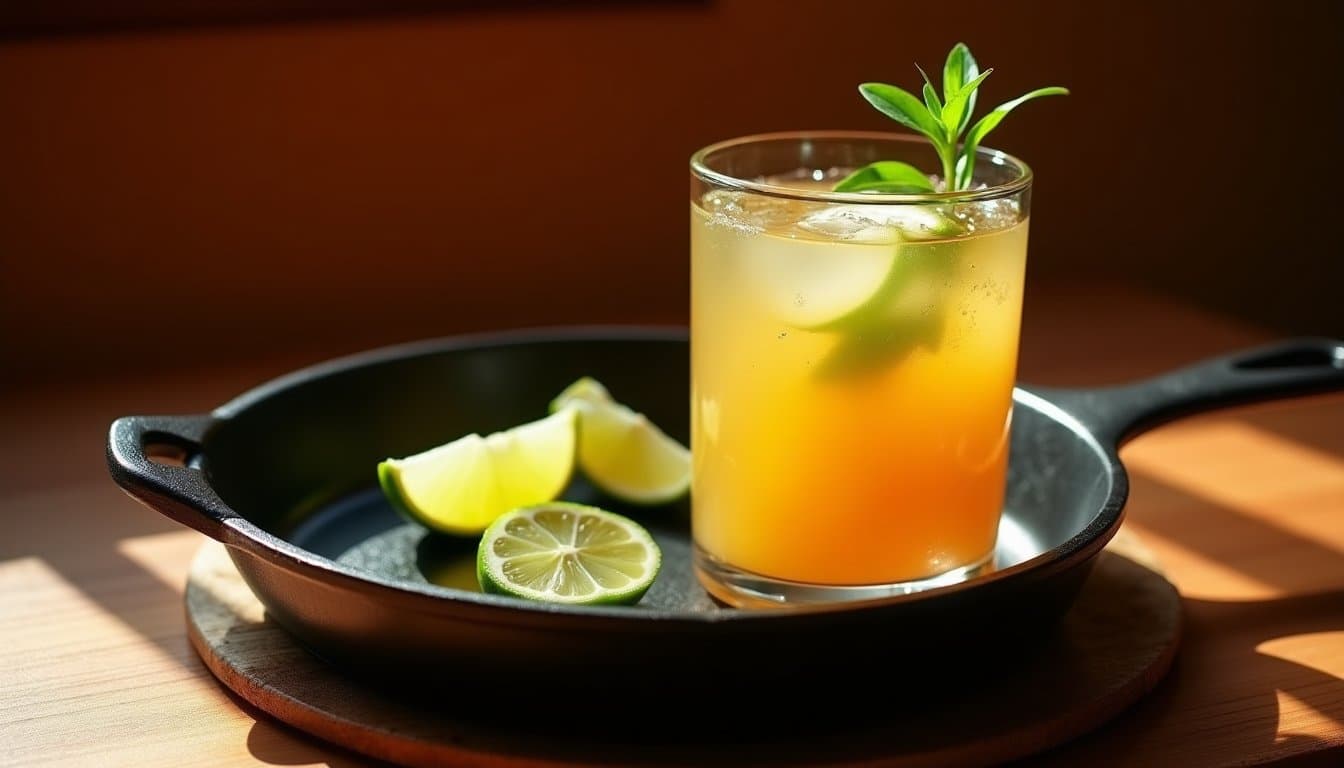
Yes, we put wild garlic in a drink, and no, you won't regret it. Blanching and flash-chilling the leaves strips out the harsh bite while leaving a grassy, allium-sweet backbone that makes lime pop in ways citrus alone never could. Tajín's chili-lime-salt crust on the rim turns this Mexican spring cooler into a full sensory event.
Smoked Watercress and Ramp Bloody Mary with Pickled Asparagus
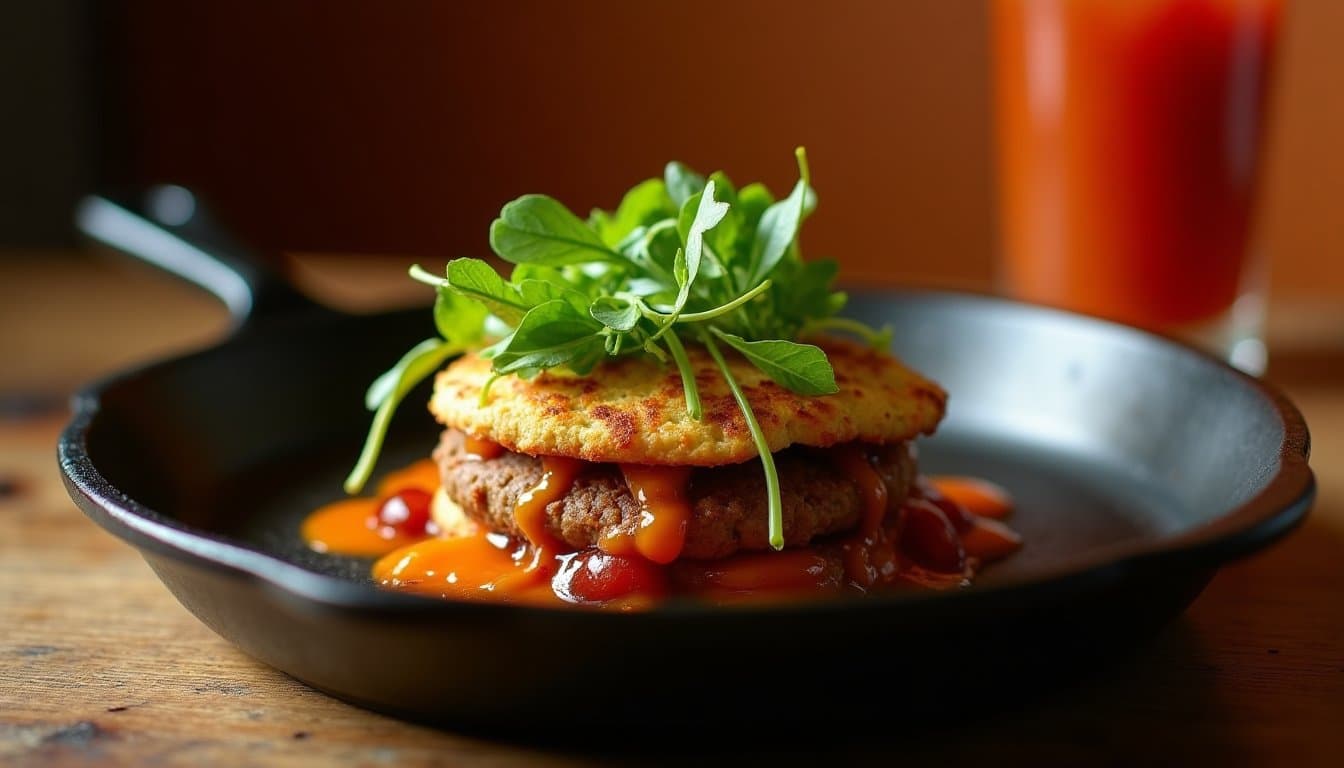
Cold-smoking watercress and ramps over cherry wood before blending them with aji amarillo, chicha de jora vinegar, and fire-roasted tomatoes produces a Bloody Mary that tastes like a garden that actually caught fire. The pickled asparagus spear does real work here, adding a grassy, briny snap that makes the tired celery stick look like a prop. This is a Peruvian-inflected brunch drink with enough going on that you'll want to make it on a Tuesday.
Spring Onion & Ginger Bubble Tea with Taro Sesame Milk
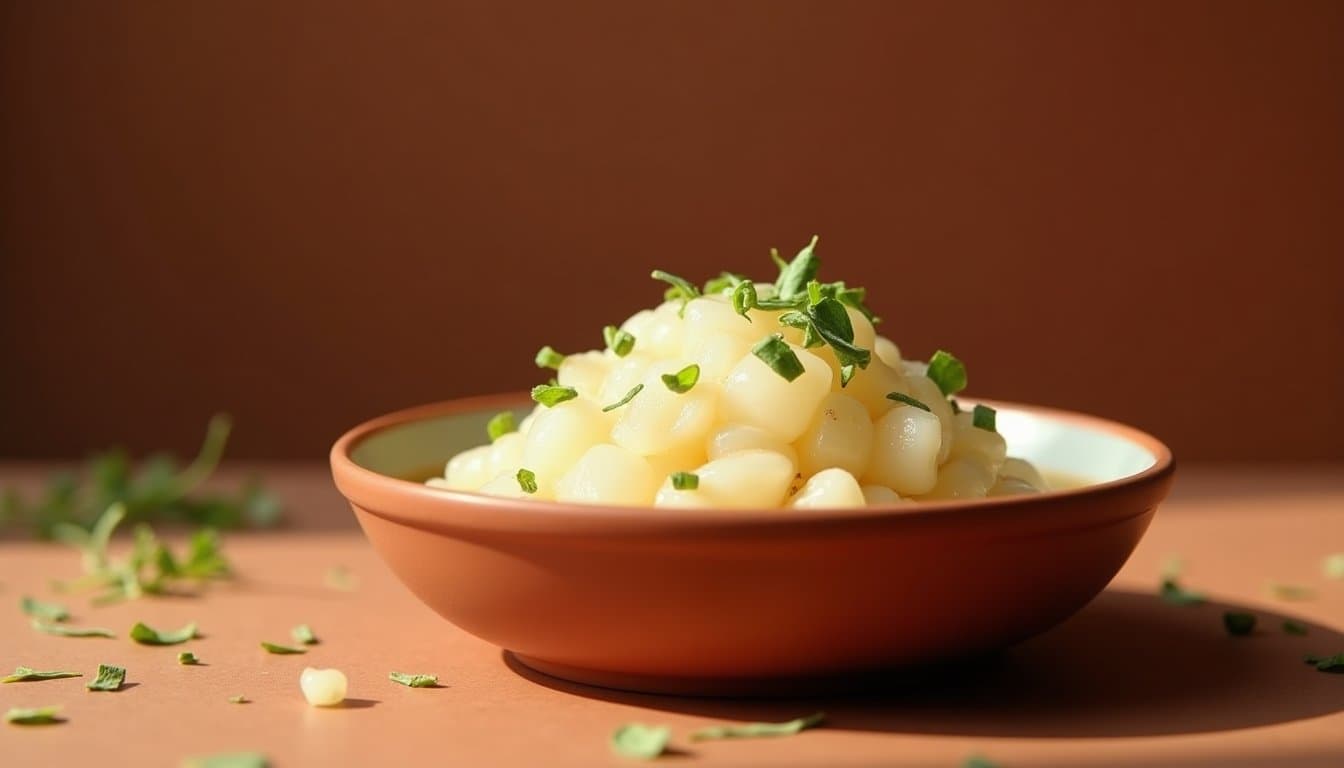
Taiwanese bubble tea doesn't usually start with a hot wok, but this one does. Spring onions and ginger get wok-bloomed using the same technique behind scallion oil noodles, then folded into a creamy taro and black sesame milk base. The drink lands somewhere between Taiwan's best street food stall and a boba shop, with a subtly umami, lightly floral flavor you won't find anywhere on a standard menu.
Get the free flavor science guide.
5 rules that explain why unusual combinations work — plus new recipes every week.
You can unsubscribe anytime. No spam, ever. Or just read the guide.