This post contains affiliate links. We may earn a small commission at no extra cost to you. Learn more
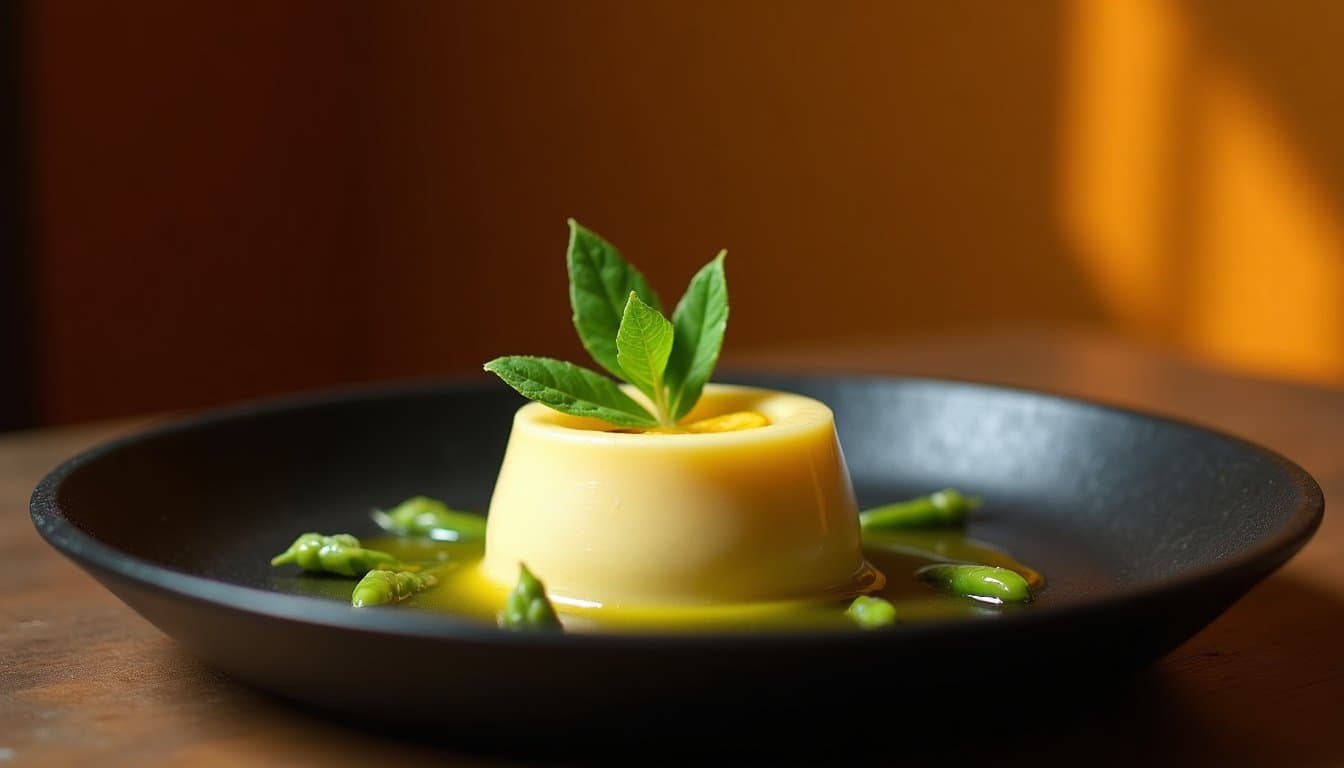
Asparagus Lemon Panna Cotta with Spring Pea Granita and Elderflower
what's this?
Strangeness scale
- 1 — Slightly odd
- 2 — Raises eyebrows
- 3 — Genuinely strange
- 4 — Deeply weird
- 5 — Unhinged
- Cook
- 20m
- Total
- 5h 5m
- Difficulty
- Hard
- Serves
- 6
- Origin
- Peruvian
Asparagus in a panna cotta sounds like a dare, and it is, but it works. Blended into heavy cream with a hit of lemon, the asparagus turns silky and herbal rather than vegetal, landing somewhere between a fine dairy dessert and a very confident garden. A spring pea granita sits on top, icy and grassy, with elderflower pulling everything toward something that actually tastes like a considered choice.
Equipment
Why It Actually Works
Asparagus carries pyrazines and sulfurous compounds that read as sharp and vegetal on their own, but fat from the heavy cream coats the tongue and dulls those aggressive edges, while the lemon's acidity keeps the whole thing from going muddy. Spring peas share asparagus's chlorophyll-forward flavor profile, so the granita echoes the panna cotta rather than fighting it, and their natural sugars mean you don't need much added sweetener before it tastes bright. Elderflower's linalool and geraniol aromatics sit between floral and citrus, which is exactly where this dessert needs a bridge so your brain files it under 'dessert' instead of 'side dish.'
Learn the flavor science rules behind recipes like this →Ingredients
- 400 g fresh green asparagus, tough ends snapped off and roughly chopped
- 480 ml heavy cream
- 240 ml whole milk
- 80 g caster sugar
- 2.5 tsp unflavored gelatin powder
- 3 tbsp cold water, for blooming gelatin
- 1 large lemon, zest finely grated and juice reserved
- 2 tbsp fresh lemon juice
- 1 pinch fine sea salt
- 1 tsp pure vanilla extract
- 300 g fresh or frozen spring peas, blanched and shocked in ice water
- 200 ml elderflower cordial, good quality
- 300 ml cold water
- 1 tbsp caster sugar, for granita
- 1 tbsp fresh lemon juice, for granita
- 6 fresh elderflower blossoms or 12 individual florets, for garnish
- 6 thin lemon rounds, halved and torched lightly, for garnish
- 1 tbsp fresh pea shoots, for garnish
- flaky sea salt, for finishing
Instructions
1. MAKE THE ASPARAGUS PURÉE: Bring a medium saucepan of lightly salted water to a rolling boil. Add the chopped asparagus and blanch for exactly 3 minutes — you want vivid green, not army green. Drain immediately and transfer to a blender with 60 ml of the blanching water. Blitz on high for 90 seconds until completely smooth. Pass through a fine-mesh sieve, pressing firmly with a spatula. You need 180 ml of silky purée; discard the fibrous solids. Set purée aside to cool.
2. BLOOM THE GELATIN: Sprinkle the gelatin powder over 3 tablespoons of cold water in a small bowl. Let it sit undisturbed for 5–7 minutes until it looks like a weird little sponge. This is correct. Do not panic.
3. BUILD THE PANNA COTTA BASE: Combine the heavy cream, whole milk, caster sugar, lemon zest, and a pinch of sea salt in a medium saucepan over medium-low heat. Stir gently until the sugar dissolves and the mixture just begins to steam — small bubbles around the edges, no full boil. Remove from heat immediately.
4. INCORPORATE GELATIN AND ASPARAGUS: Add the bloomed gelatin to the hot cream mixture and whisk vigorously until completely dissolved, about 1 minute. Let the mixture cool to 50°C / 122°F (use a thermometer — this matters). Stir in the asparagus purée, fresh lemon juice, and vanilla extract. Taste and adjust lemon if needed; it should be bright and a little grassy.
5. STRAIN AND POUR: Pour the mixture through a fine-mesh sieve one more time for maximum silkiness. Divide evenly among 6 individual serving glasses or lightly oiled ramekins (use a neutral oil spray). Cover each loosely with plastic wrap. Refrigerate for a minimum of 4 hours, or overnight — the longer the better for a clean set.
6. MAKE THE SPRING PEA GRANITA BASE: Add the blanched peas, elderflower cordial, cold water, 1 tablespoon caster sugar, and 1 tablespoon lemon juice to a blender. Blitz on high for 2 minutes until completely smooth. Taste — it should be floral, sweet, and aggressively pea-forward. Strain through a fine-mesh sieve, pressing hard. Discard solids.
7. FREEZE THE GRANITA: Pour the pea-elderflower liquid into a shallow metal baking dish or freezer-safe container. The shallower the dish, the better the texture. Place flat in the freezer. After 45 minutes, use a fork to scrape and agitate the forming ice crystals from the edges inward. Repeat every 30–40 minutes for 3–4 hours total until you have a fluffy, shard-like granita. Cover and keep frozen until service.
8. UNMOLD OR SERVE IN GLASS: If using ramekins, run a thin offset spatula around the edge, place a chilled plate on top, and invert with confidence. If using glasses, skip the drama and serve directly. Either way, work fast — panna cotta softens quickly.
9. PLATE AND FINISH: Spoon or scoop a generous mound of the spring pea granita directly on top of or alongside each panna cotta. Garnish with a fresh elderflower blossom, a half-round of lightly torched lemon, a few pea shoots, and the tiniest pinch of flaky sea salt. Serve immediately — granita waits for no one.
10. SERVE WITH CEREMONY: Bring to the table and watch your guests squint at the menu description, take a hesitant bite, and then go very quiet in the good way. Accept compliments graciously.
Nutrition (estimated per serving)
- Calories
- 387
- Fat
- 28g
- Carbs
- 30g
- Protein
- 7g
- Fiber
- 4g
- Sodium
- 112mg
Variations
- Stir 1 teaspoon of ají amarillo paste into the asparagus purée before folding it into the cream base. The paste adds fruity, low-level heat that makes the Peruvian angle explicit and plays well against the elderflower.
- Replace the heavy cream and whole milk with 720 ml full-fat coconut milk, and swap the gelatin for 2 teaspoons agar-agar powder. The coconut adds a tropical note that fits Peru's coastal cooking, and the set is firm enough to unmold cleanly.
- For the granita, ditch the spring peas and blend huacatay (Peruvian black mint) with cucumber juice instead. It's more aggressively herbaceous and more specifically Andean, and it will genuinely confuse people before they ask what's in it.
Storage & Make-Ahead
The panna cottas can be made up to 2 days ahead and kept covered with plastic wrap directly on the surface in the fridge, which prevents a skin from forming. The pea granita actually benefits from being made the day before, giving you time to scrape it to the right icy texture, but keep it in a shallow metal container in the freezer and re-fork it just before serving. Store the elderflower blossoms, torched lemon rounds, and pea shoots separately in a damp paper towel in the fridge and add them at the last minute, since they'll wilt or discolor if they sit on the cold panna cotta for more than 20 minutes. The assembled dessert doesn't freeze well once the gelatin is set, as the texture turns grainy on thawing.
Reader Tips
No tips yet — be the first!
More Strange Recipes
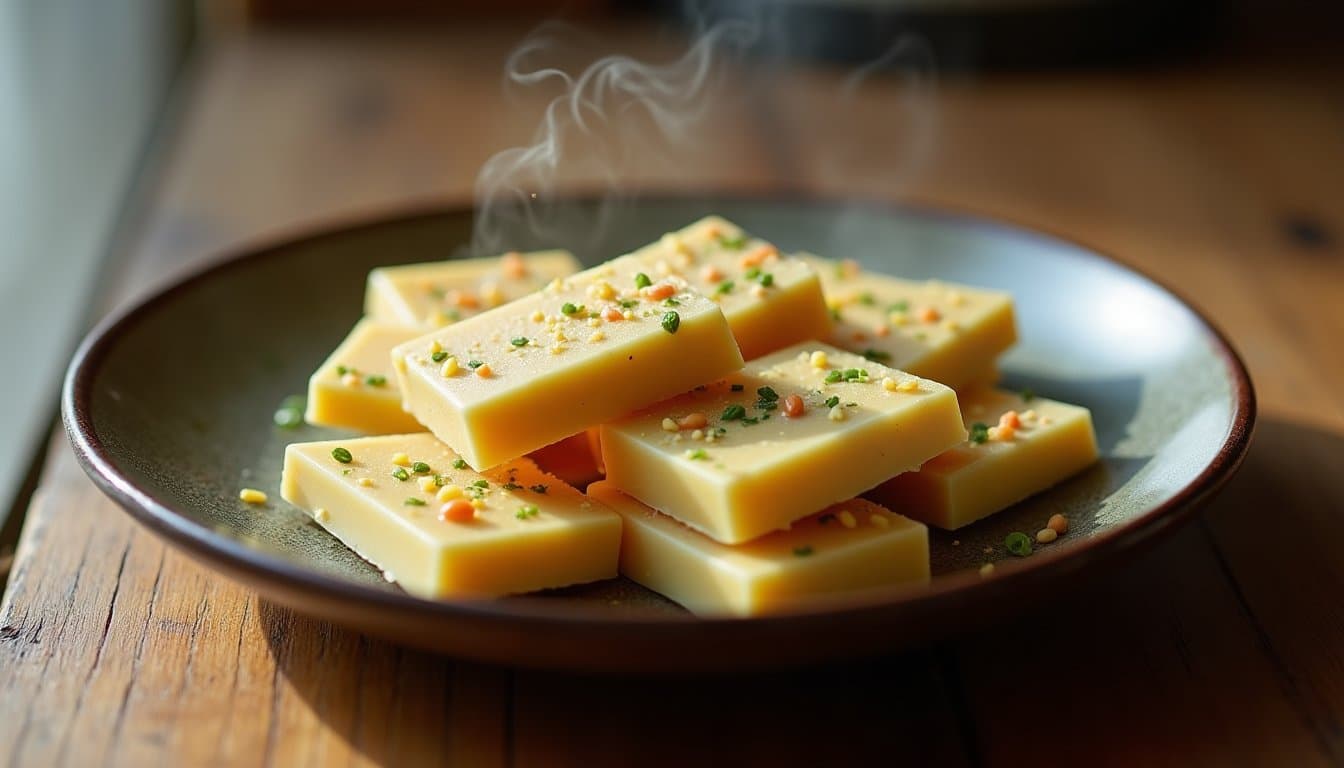
Taiwanese Ramp Salt & Spring Pea Dust White Chocolate Easter Bark with Violet Candy
White chocolate bark cured with ramp-infused fleur de sel sounds like a dare, but it works. The allium funk cuts through the sweetness the way a cold snap cuts through April, and freeze-dried pea powder adds a grassy, almost vegetal brightness that keeps the whole thing from tipping into candy territory. Shattered violet candy on top brings a floral, boba-adjacent perfume that makes this bark taste, improbably, like somewhere specific.
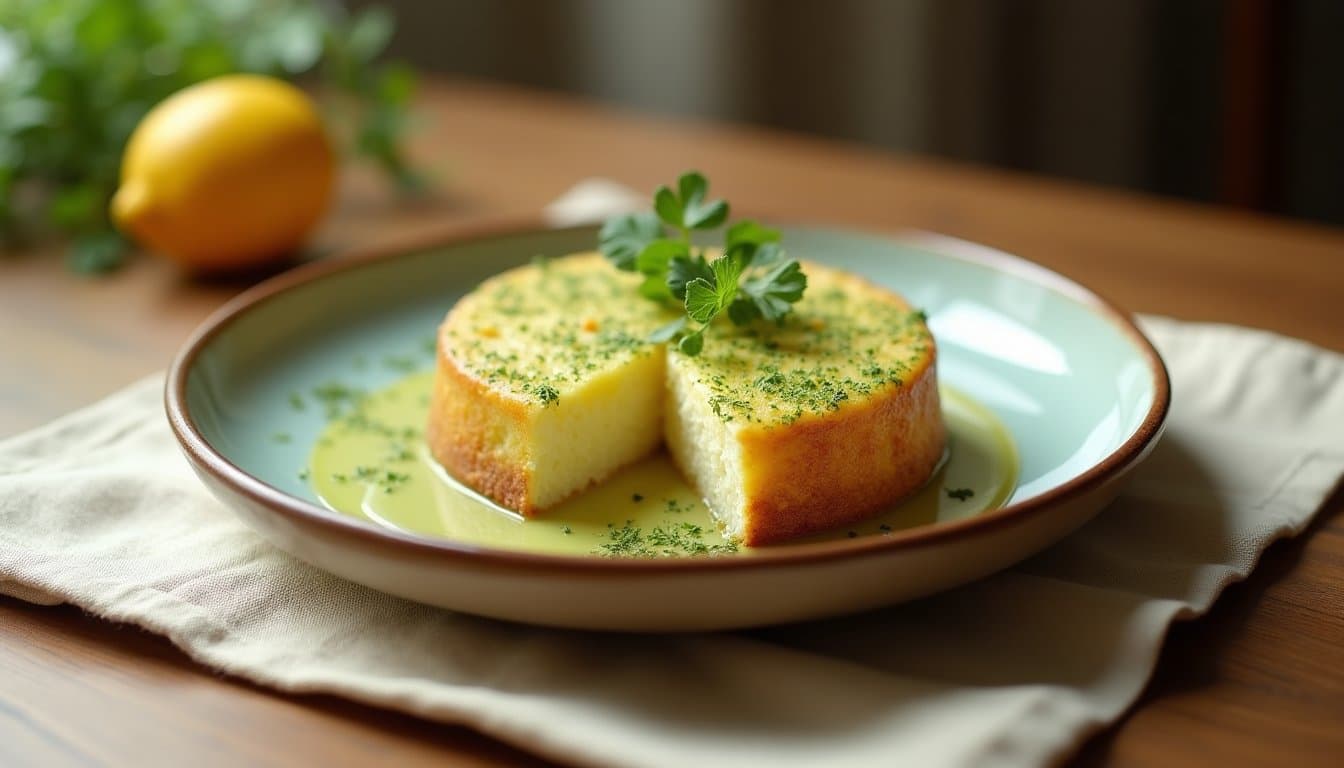
Stinging Nettle and Lemon Semolina Cake with Cardamom Honey Glaze
Yes, we pressure-cooked a cake made from weeds, and it works. Spring stinging nettles bring a grassy, spinach-like depth that cuts through the brightness of lemon and the floral warmth of cardamom, while fine corn semolina keeps the whole thing gluten-free without any gummy compromise. A raw honey glaze on top turns this foraged oddity into a moist, pillowy German-inspired Griesskuchen worth making every April.
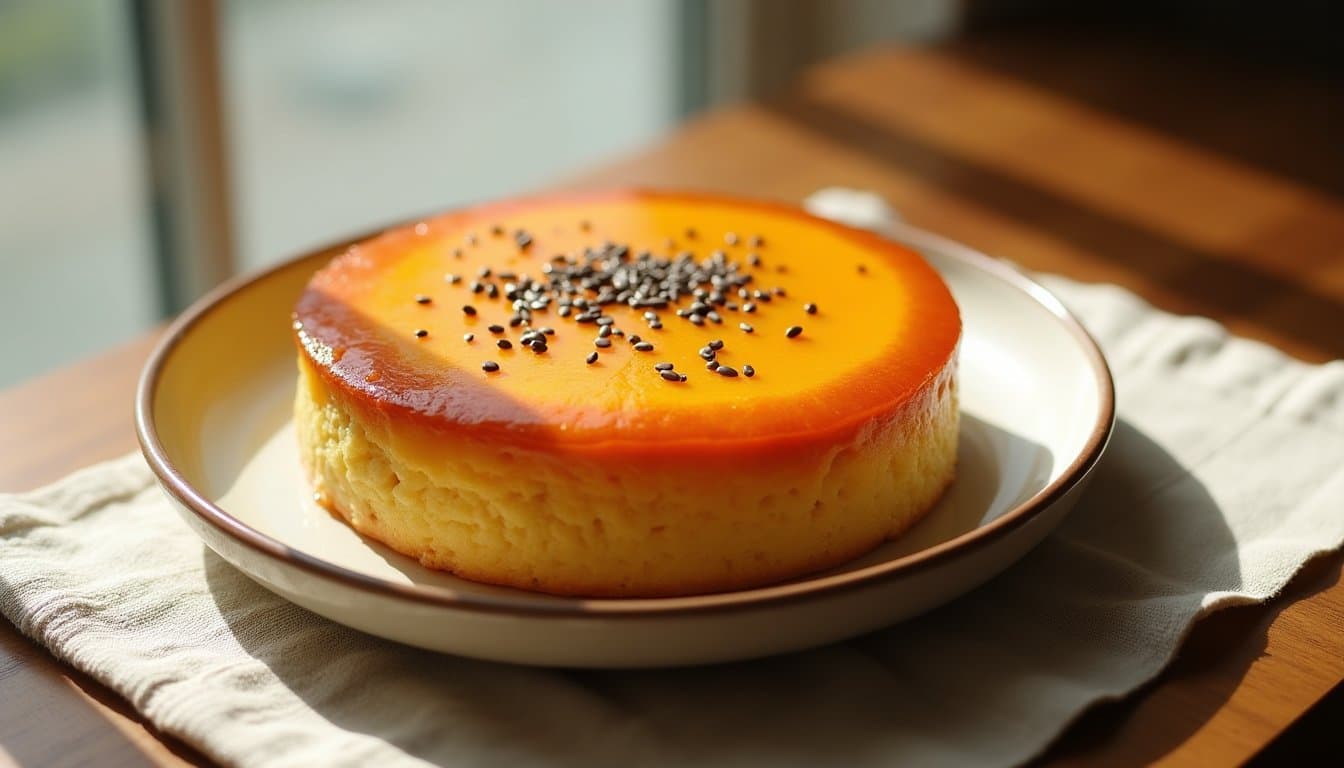
Black Sesame & Orange Blossom Honey Cake with Miso Caramel Sauce
A pressure-cooker steamed cake that pulls Moroccan m'hanncha aromatics into the same bowl as Japanese umami, black sesame paste against orange blossom honey, then buries the whole thing under a white miso caramel that will make you resent every dessert you've eaten before. The science is genuinely strange: miso's glutamates amplify the roasty bitterness of black sesame while orange blossom water cuts through the fat like a floral knife. This is not a prank.
Get the free flavor science guide.
5 rules that explain why unusual combinations work — plus new recipes every week.
You can unsubscribe anytime. No spam, ever. Or just read the guide.