This post contains affiliate links. We may earn a small commission at no extra cost to you. Learn more
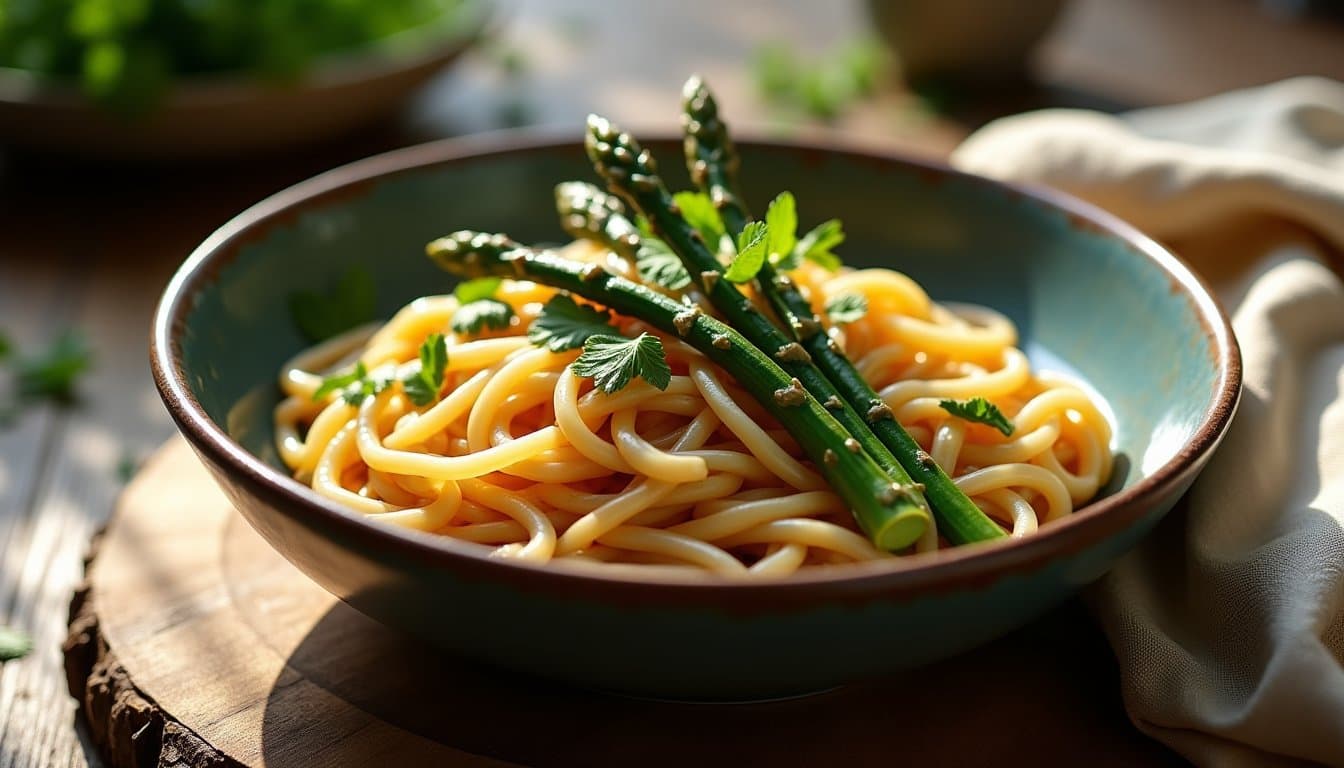
White Miso Braised Asparagus Ramen with Soft-Boiled Egg and Nori
what's this?
Strangeness scale
- 1 — Slightly odd
- 2 — Raises eyebrows
- 3 — Genuinely strange
- 4 — Deeply weird
- 5 — Unhinged
- Cook
- 35m
- Total
- 55m
- Difficulty
- Medium
- Serves
- 2
- Origin
- Japanese
Braising asparagus low and slow in white miso dashi sounds like a lot of fuss for a vegetable that usually just gets roasted, but the payoff is real: the stalks go silky and sweet, and the braising liquid turns into a ready-made ramen broth you didn't have to simmer for six hours. That broth does double duty, pulling every grassy, umami-loaded note out of the asparagus and folding it back into the bowl. It's the ramen you want in April, when heavy tonkotsu feels wrong but you're not ready for cold noodles either.
Equipment
Why It Actually Works
White miso ferments for a shorter period than red miso, so its flavor stays mild and sweet rather than sharp, which means it amplifies the asparagus instead of burying it. Braising the stalks directly in dashi draws out their natural glutamates and chlorophyll-adjacent compounds, turning the cooking liquid into a layered asparagus-miso dashi that neither ingredient could produce alone. When you break the soft-boiled egg into the hot broth, the jammy yolk acts as an emulsifier, adding fat and body that soften the slight bitterness of the nori without any extra oil.
Learn the flavor science rules behind recipes like this →Ingredients
- 1 bunch (about 450g) fresh asparagus, woody ends snapped off
- 3 tablespoons white (shiro) miso paste
- 4 cups dashi stock, kombu-based preferred
- 1 tablespoon mirin
- 1 tablespoon soy sauce, low-sodium
- 1 teaspoon sesame oil, toasted
- 1 teaspoon rice vinegar
- 2 portions (about 180g total) fresh or dried ramen noodles
- 2 large eggs, cold from refrigerator
- 2 sheets nori, halved
- 2 scallions, thinly sliced on the bias
- 1 tablespoon toasted sesame seeds
- 1 teaspoon ginger, freshly grated
- 1 small garlic clove, minced
- 1 teaspoon neutral oil (such as grapeseed), for sautéing
- Shichimi togarashi, to taste for serving
- Flaky sea salt, to taste
Instructions
1. Soft-boil the eggs: Bring a small saucepan of water to a rolling boil. Gently lower cold eggs in and cook exactly 6 minutes and 30 seconds. Transfer immediately to an ice bath for 5 minutes, then peel and set aside. For ramen-style soy eggs, optionally marinate peeled eggs in a mix of 2 tablespoons soy sauce, 1 tablespoon mirin, and 2 tablespoons water for at least 20 minutes while you prep the rest.
2. Prep the asparagus: Cut asparagus spears into two sections — slice the top 3-inch tips off and reserve them for finishing. Cut the remaining stalks into 1-inch pieces.
3. Build the braise base: In a medium saucepan or wide skillet with a lid, warm neutral oil over medium heat. Add ginger and garlic and sauté for 60 seconds until fragrant but not browned. Add the asparagus stalk pieces (not the tips yet) and toss to coat.
4. Add braising liquid: Pour in the dashi stock. Whisk in the white miso paste until fully dissolved — do not let the broth boil after adding miso, as high heat degrades its probiotic complexity and dulls the flavor. Stir in mirin and soy sauce. Bring to a gentle simmer over medium-low heat.
5. Braise the asparagus stalks: Cover and braise the stalk pieces at a low simmer for 12–15 minutes until completely tender and yielding. The stalks will release starch and grassy sweetness directly into the broth, deepening its body.
6. Finish the tips: Add the reserved asparagus tips to the braising liquid for the final 3–4 minutes of cooking, leaving them just barely tender with a slight snap. Remove from heat, stir in rice vinegar and sesame oil.
7. Cook the noodles: While the asparagus braises, cook ramen noodles in a separate pot of unsalted boiling water according to package directions (typically 2–4 minutes for fresh, 4–5 for dried). Drain and divide between two deep bowls.
8. Assemble the bowls: Ladle the hot miso-asparagus broth generously over the noodles, distributing asparagus stalks and tips evenly. Halve the soft-boiled eggs lengthwise and nestle them into each bowl, cut side up.
9. Garnish and serve: Tuck two nori half-sheets into the side of each bowl so they stand upright and begin to soften in the broth. Top with sliced scallions, toasted sesame seeds, and a pinch of shichimi togarashi. Serve immediately.
Nutrition (estimated per serving)
- Calories
- 520
- Fat
- 14g
- Carbs
- 72g
- Protein
- 24g
- Fiber
- 7g
- Sodium
- 1380mg
Variations
- Chicken miso ramen: Add 1 cup poached and shredded chicken breast to the braise in step 4 for a heartier bowl without losing the spring character of the broth.
- Vegan version: Swap the eggs for a thick slice of pan-seared silken tofu pressed with a little soy sauce and sesame oil, and build the dashi from kombu and dried shiitakes instead of bonito.
- Hiyashi (cold) version: Chill the finished broth completely, serve over cold noodles with ice, and top with thinly shaved raw asparagus tips for a summer version of the same bowl.
Storage & Make-Ahead
The miso-dashi broth keeps well in the fridge for up to four days in a sealed jar, and it actually tastes better on day two once the ginger and garlic have had time to settle in. Store the braised asparagus separately from the broth so it doesn't turn mushy, and reheat both gently on the stovetop before cooking fresh noodles to order, since ramen noodles go gluey and clump badly if you try to store them in liquid. The soft-boiled eggs can be peeled and left in the soy-mirin marinade for up to three days in the fridge, which deepens their flavor considerably. Hold the scallions, sesame seeds, nori, and shichimi togarashi at room temperature and add them right before serving.
Reader Tips
No tips yet — be the first!
More Strange Recipes

Black Garlic Grilled Cheese with Apricot Jam and Taleggio
Black garlic gets mashed directly into softened butter and spread on the bread before grilling, so its molasses-sweet, faintly funky depth is baked into every bite rather than lurking as an afterthought. Taleggio melts into something almost custardy, and the apricot jam cuts through its barnyard richness with just enough fruit acid to keep things from going heavy. This sandwich sits right at the edge of dessert without crossing over.
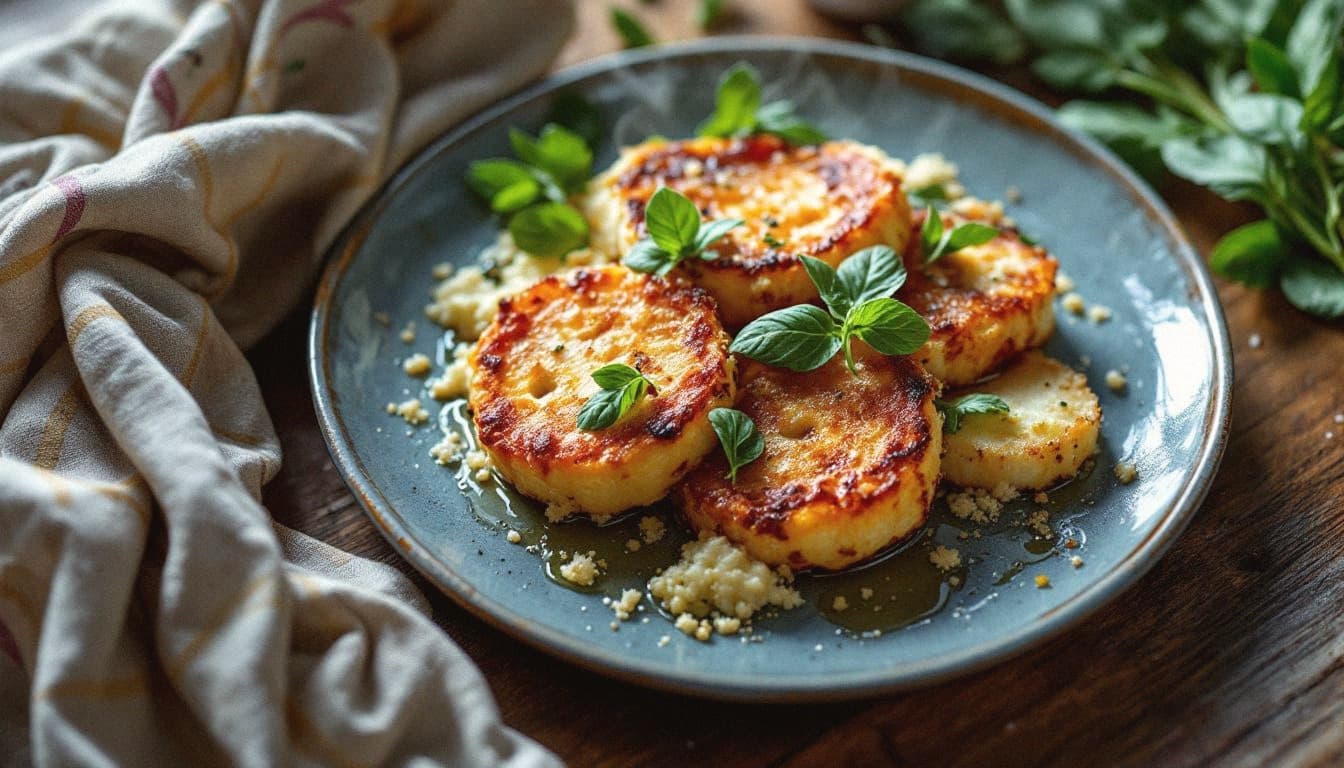
Wild Garlic Saganaki with Morel Mushrooms, Honey, and Ouzo
Frying halloumi with wild garlic and dried morels sounds like a recipe written by someone emptying their fridge, but the flavor logic is tighter than it looks. The morels push the cheese's savory depth somewhere almost meaty, the ouzo flame knocks the anise back to a whisper, and the thyme honey lands just in time to stop the whole thing from tipping into brine. Make this in late spring when wild garlic is still young enough to wilt in 45 seconds and smell like the forest floor.
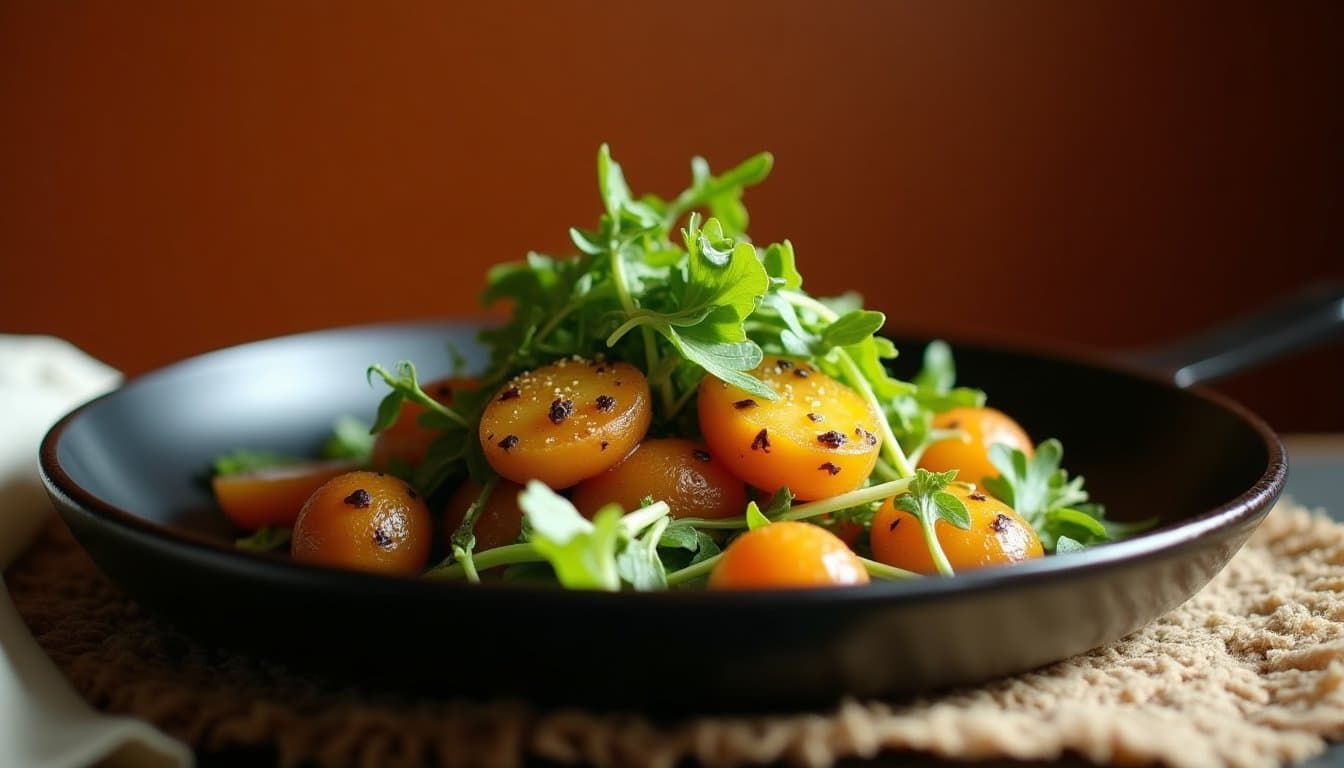
Anchovy-Kissed New Potato & Lamb's Lettuce Salad with Watercress Snow
New potatoes and anchovies are a perfectly reasonable bistro pairing, which is exactly why blitzing raw watercress into a near-frozen vinaigrette 'snow' that melts over warm potatoes feels so disorienting in the best way. The cold-hot contrast pulls the anchovy's glutamates forward while the peppery watercress oils bloom against the potato starch. No unusual ingredients, genuinely surprising results.
Get the free flavor science guide.
5 rules that explain why unusual combinations work — plus new recipes every week.
You can unsubscribe anytime. No spam, ever. Or just read the guide.