This post contains affiliate links. We may earn a small commission at no extra cost to you. Learn more
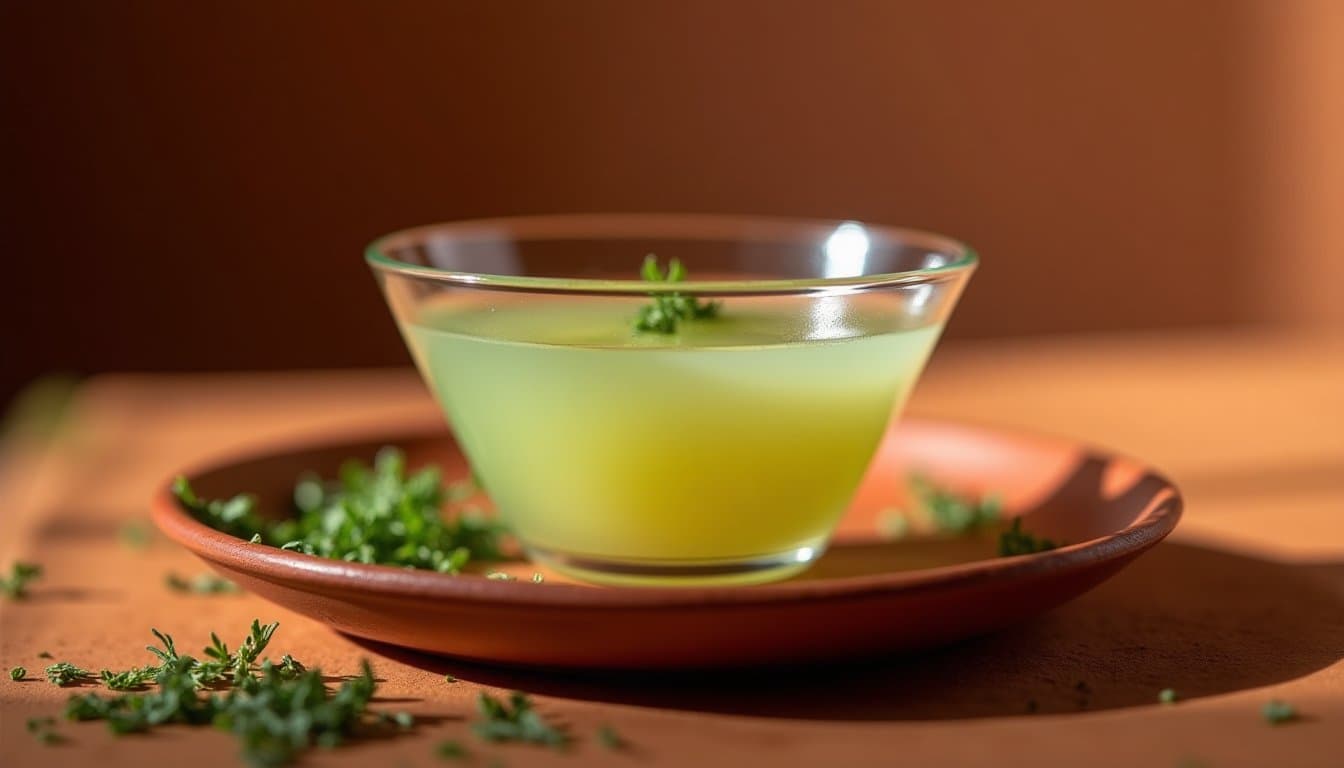
Wild Garlic Brine Martini with Sous-Vide Spring Pea Gin and Cucumber Air
what's this?
Strangeness scale
- 1 — Slightly odd
- 2 — Raises eyebrows
- 3 — Genuinely strange
- 4 — Deeply weird
- 5 — Unhinged
- Cook
- 2h
- Total
- 2h 25m
- Difficulty
- Hard
- Serves
- 2
- Origin
- Irish
A sous-vide pea martini sounds like a dare, but it works. Spring peas infused directly into botanical gin at 57°C pull out every chlorophyll-bright, sugar-sweet molecule, and wild garlic brine brings the allium funk that makes the whole thing taste like a very sophisticated argument for drinking your vegetables. Cucumber lecithin air floats on top, and yes, the food science is airtight.
Equipment
Why It Actually Works
Holding the pea-and-gin sous-vide at 57°C extracts chlorophyll and sugars without triggering the Maillard reaction or boiling off the gin's delicate top-note aromatics, so you get vivid greenness with none of the tinned-pea sadness. Wild garlic brine brings glutamates and thiosulfinates, the same compounds responsible for alliums' savoury depth, which work the same way a dirty martini's olive brine does: amplifying the surrounding flavours rather than competing with them. Soy lecithin foam holds together because lecithin molecules have one water-loving end and one fat-loving end, letting them trap air in a stable emulsion that sits on the cocktail's surface long enough to deliver a clean hit of cucumber aroma before the first sip.
Learn the flavor science rules behind recipes like this →Ingredients
- 300 ml London dry gin (botanical, preferably with floral notes), chilled
- 150 g fresh spring peas, shelled (frozen acceptable if thawed completely)
- 30 ml wild garlic brine (from a jar of pickled wild garlic leaves or ramps, strained)
- 15 ml dry Irish vermouth (check gluten-free certification)
- 10 ml fresh lemon juice, strained
- 5 ml agave syrup
- 1 whole cucumber, peeled and roughly chopped
- 2 g soy lecithin powder (or sunflower lecithin for soy-free)
- 1 pinch fine sea salt
- 6 wild garlic leaves or ramp leaves, for garnish
- 4 fresh pea shoots, for garnish
- Ice, for chilling and stirring
Instructions
1. SOUS-VIDE THE PEA GIN — Set your immersion circulator to 57°C (135°F). Combine the chilled gin and fresh spring peas in a zip-lock or vacuum-seal bag, removing as much air as possible. Seal tightly and submerge in the water bath for 2 hours. The low temperature extracts chlorophyll and sugars without cooking off volatile aromatics or degrading the gin's botanicals. The liquid will turn an almost aggressive neon green.
2. STRAIN AND CHILL — Remove the bag from the water bath and immediately transfer to an ice bath for 10 minutes to halt any residual heat extraction. Strain the pea-infused gin through a fine mesh sieve lined with a damp muslin cloth or coffee filter, pressing gently on the solids. Discard the spent peas (or blend into a soup — waste nothing). Refrigerate the pea gin until ice cold, at least 20 minutes.
3. MAKE THE CUCUMBER AIR BASE — Blitz the chopped cucumber in a blender until completely liquid, then strain through a fine sieve, pressing firmly. You need approximately 150 ml of clear cucumber juice. Season with a pinch of sea salt and the agave syrup, stir to dissolve. Whisk in the soy lecithin powder until fully incorporated — about 1 minute of vigorous whisking. Set aside at room temperature.
4. BUILD THE CUCUMBER AIR — Using a hand immersion blender held at a 45-degree angle at the surface of the cucumber-lecithin mixture, blitz on high speed for 30–45 seconds, incorporating air until a stable foam forms on top. The lecithin acts as an emulsifier, binding air bubbles to the water molecules in the cucumber juice. Scoop off only the lightest, most stable foam from the top and place in a small chilled bowl. Keep at room temperature — it will hold for about 10 minutes.
5. CHILL YOUR COUPES — Fill two coupe glasses with ice water and let them sit while you prepare the cocktail. Cold glass = less dilution = more control. Non-negotiable.
6. BUILD AND STIR THE MARTINI — In a mixing glass filled with ice, combine 120 ml of the pea-infused gin, the dry vermouth, wild garlic brine, and fresh lemon juice. Stir with a bar spoon for 45 seconds — slow, deliberate rotations. You want dilution and chill without agitation, which would cloud the drink and break the green colour. The brine introduces glutamates that round out the vegetal sharpness of the pea gin.
7. STRAIN AND SERVE — Discard the ice water from your coupe glasses. Double-strain the martini through a Hawthorne strainer and a fine mesh strainer simultaneously into the chilled coupes. The liquid should be jewel-bright and deeply green.
8. FLOAT THE CUCUMBER AIR — Using a large spoon, gently lay a generous mound of cucumber lecithin foam on top of each martini. Work quickly and confidently — hesitation means collapsed foam.
9. GARNISH — Drape one wild garlic leaf over the rim of each glass and tuck two pea shoots into the foam so they stand upright. Serve immediately, instructing your guest to sip through the foam so the cool cucumber air meets the briny green martini in the same mouthful.
Nutrition (estimated per serving)
- Calories
- 285
- Fat
- 1g
- Carbs
- 14g
- Protein
- 4g
- Fiber
- 3g
- Sodium
- 420mg
Variations
- SMOKY BOG VERSION: Add 5 ml of Irish peated whiskey in place of the dry vermouth and throw a charred scallion into the sous-vide bag with the peas. It reads as turf fire meeting spring meadow, which is extremely Irish and extremely correct.
- NO-ALCOHOL SPRING GARDEN SMASH: Replace the gin with cold-brewed Japanese sencha, 2 bags steeped in cold water for 4 hours, then sous-vide with the peas as directed. The tea's tannins replicate gin's drying quality; white grape juice stands in for the vermouth.
- OYSTER LEAF DIRTY TWIST: Float a single oyster leaf (Mertensia maritima) on the cucumber air. The plant tastes precisely like a fresh oyster and pushes the brine note into full coastal territory. Add an extra splash of wild garlic brine to lean all the way into dirty martini terrain.
Storage & Make-Ahead
The sous-vide pea gin is the one component worth making ahead: it keeps in a sealed jar in the fridge for up to 3 days before the chlorophyll starts to dull and the fresh pea flavor flattens. The cucumber air needs to be made fresh each time, as the lecithin foam collapses within 10 to 15 minutes and won't revive after refrigeration. Wild garlic brine stores indefinitely in the fridge as long as it stays submerged, so no worries there. Keep the wild garlic leaf and pea shoot garnishes wrapped in a damp paper towel in the fridge and use them within 24 hours, since they wilt fast once cut.
Reader Tips
No tips yet — be the first!
5 avg · 1 rating
More Strange Recipes
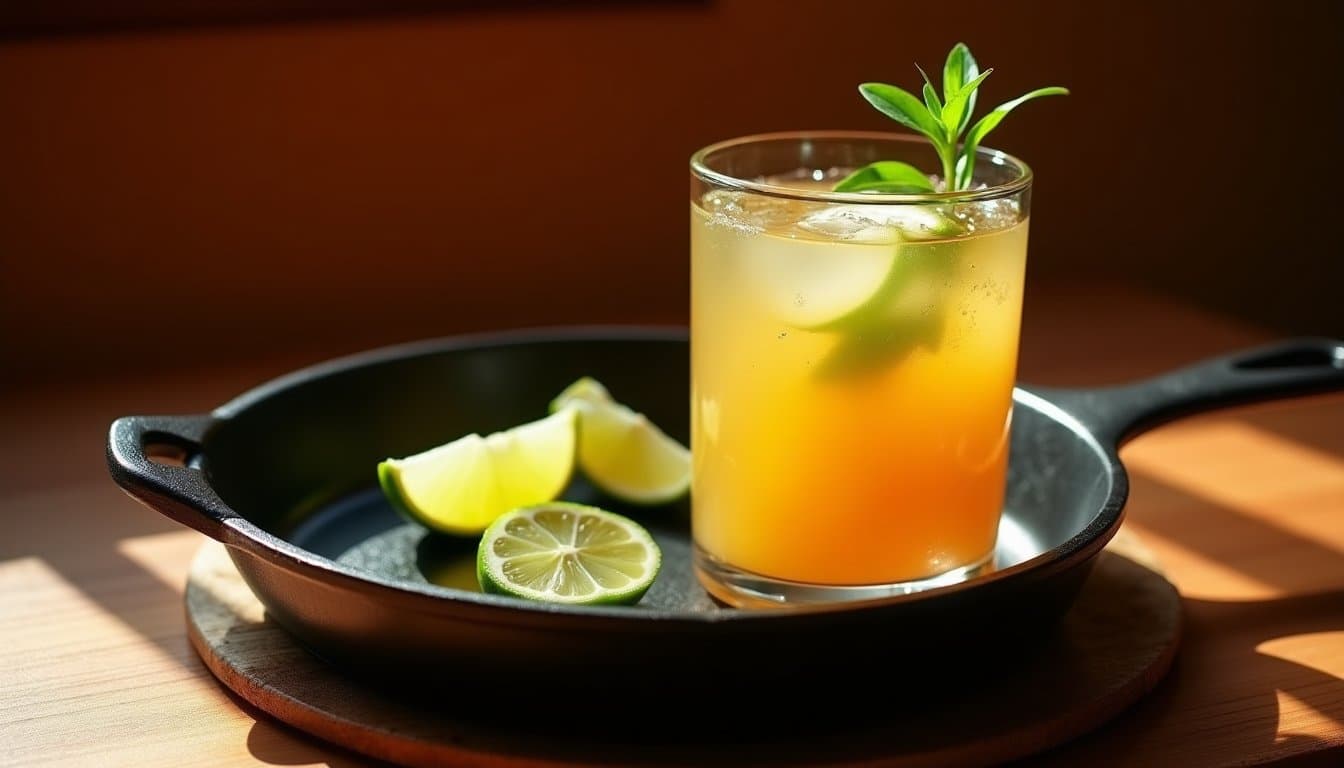
Wild Garlic & Lime Agua Fresca with Chili and Tajín
Yes, we put wild garlic in a drink, and no, you won't regret it. Blanching and flash-chilling the leaves strips out the harsh bite while leaving a grassy, allium-sweet backbone that makes lime pop in ways citrus alone never could. Tajín's chili-lime-salt crust on the rim turns this Mexican spring cooler into a full sensory event.
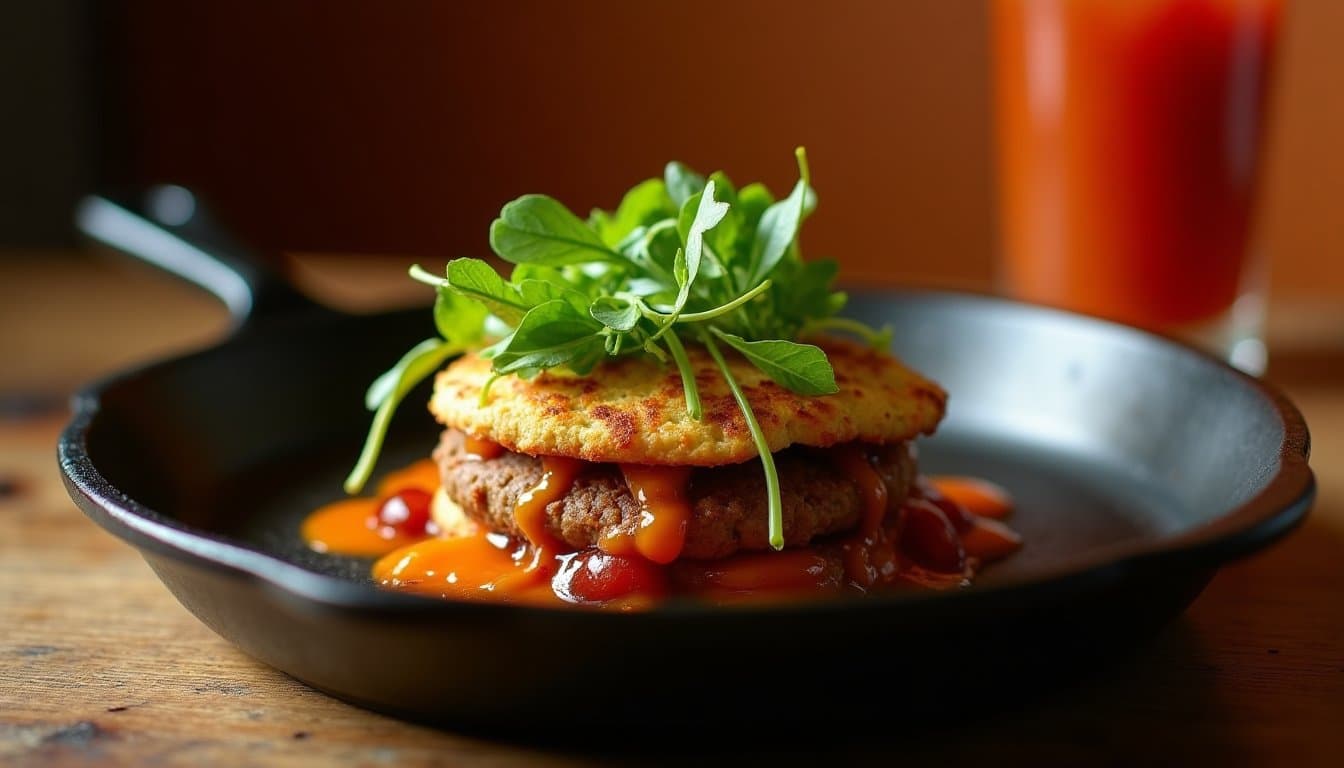
Smoked Watercress and Ramp Bloody Mary with Pickled Asparagus
Cold-smoking watercress and ramps over cherry wood before blending them with aji amarillo, chicha de jora vinegar, and fire-roasted tomatoes produces a Bloody Mary that tastes like a garden that actually caught fire. The pickled asparagus spear does real work here, adding a grassy, briny snap that makes the tired celery stick look like a prop. This is a Peruvian-inflected brunch drink with enough going on that you'll want to make it on a Tuesday.
Spring Onion & Ginger Bubble Tea with Taro Sesame Milk
Taiwanese bubble tea doesn't usually start with a hot wok, but this one does. Spring onions and ginger get wok-bloomed using the same technique behind scallion oil noodles, then folded into a creamy taro and black sesame milk base. The drink lands somewhere between Taiwan's best street food stall and a boba shop, with a subtly umami, lightly floral flavor you won't find anywhere on a standard menu.
Get the free flavor science guide.
5 rules that explain why unusual combinations work — plus new recipes every week.
You can unsubscribe anytime. No spam, ever. Or just read the guide.