This post contains affiliate links. We may earn a small commission at no extra cost to you. Learn more
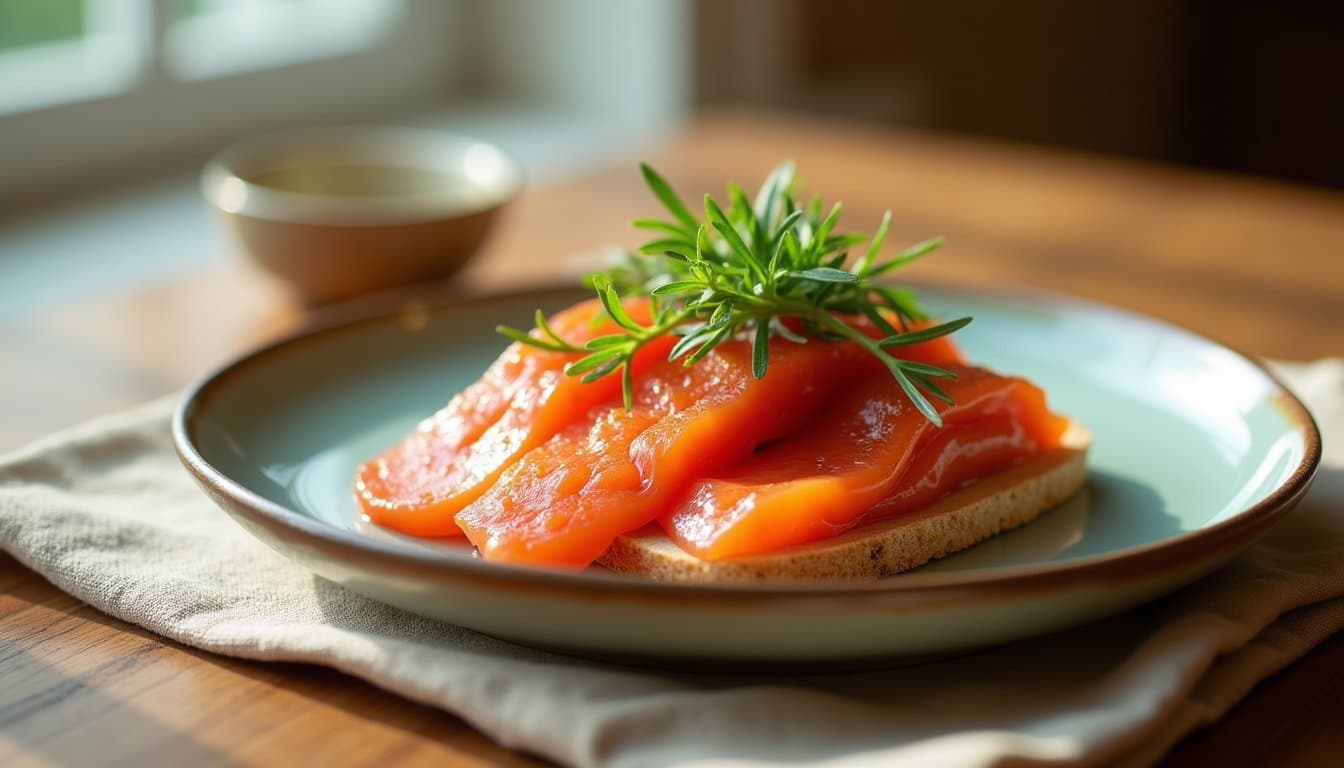
Wild Ramp-Cured Salmon on Rye with Crème Fraîche and Dill Oil
what's this?
Strangeness scale
- 1 — Slightly odd
- 2 — Raises eyebrows
- 3 — Genuinely strange
- 4 — Deeply weird
- 5 — Unhinged
- Total
- 48h 30m
- Difficulty
- Medium
- Serves
- 4
- Origin
- Nordic
Swap the usual dill cure for wild ramps and salmon becomes something genuinely strange and good, garlicky and grassy with a floral edge you won't get from any cultivated herb. The allicin compounds in ramps are fat-soluble, so they work their way deep into the fish over 36 to 48 hours, building a flavor bridge between the brine-sweet salmon and the cool tang of crème fraîche. It's a Nordic open sandwich with one foot in the forest.
Equipment
Why It Actually Works
Ramps carry allicin and a family of volatile sulfur compounds that, because they're fat-soluble, migrate readily into salmon's fatty flesh during the cure, far more thoroughly than dill or parsley ever manage. Meanwhile, the salt and sugar denature surface proteins and pull moisture out via osmosis, firming the texture and concentrating flavor as the raw, sharp bite of the ramps mellows into something closer to roasted garlic crossed with spring onion. Crème fraîche brings lactic acidity that cuts through the cured fat, and its cool temperature against room-temperature fish resets the palate between bites so each one tastes as clean as the first.
Learn the flavor science rules behind recipes like this →Ingredients
- 500 g skin-on salmon fillet, pin bones removed
- 80 g fine sea salt
- 50 g caster sugar
- 1 tsp white pepper, coarsely cracked
- 1 tsp coriander seeds, lightly crushed
- 120 g wild ramp leaves and bulbs, roughly chopped
- 1 tbsp aquavit or dry gin
- 200 g crème fraîche, full-fat
- 1 tbsp fresh lemon juice
- 1 tsp lemon zest, finely grated
- 1 small bunch fresh dill, divided — half for dill oil, half for garnish
- 60 ml neutral oil such as grapeseed, for dill oil
- 4 slices certified gluten-free dark rye crispbread or GF dense rye-style bread
- 1 small watermelon radish, very thinly sliced on a mandoline
- 1 tbsp capers, drained and roughly chopped
- flaky sea salt, to finish
- freshly ground black pepper, to finish
- 4 ramp leaves, fresh or lightly pickled, for garnish
Instructions
1. Make the ramp cure: In a food processor, blitz the chopped ramps, sea salt, caster sugar, cracked white pepper, coriander seeds, and aquavit into a coarse, intensely green paste. It should smell aggressively garlicky and herbal — that is exactly the point.
2. Cure the salmon: Lay a large sheet of plastic wrap in a deep dish. Spread half the ramp cure on the wrap, place the salmon skin-side down on top, then pack the remaining cure over the flesh side, pressing firmly. Wrap tightly, set another dish on top as a weight, and refrigerate for 36–48 hours, flipping the parcel every 12 hours. The cure will draw out liquid and turn a vivid green.
3. Rinse and rest: Unwrap the salmon and rinse thoroughly under cold water to remove all cure. Pat completely dry with paper towels. Slice very thinly on a bias against the grain using a sharp slicing knife, starting from the tail end and keeping the blade nearly horizontal. Arrange slices on a plate, cover, and refrigerate until assembly.
4. Make the dill oil: Blanch half the dill in boiling salted water for 15 seconds, then immediately plunge into ice water. Squeeze dry and blend with the neutral oil on high speed for 90 seconds until the oil is luminously green. Strain through a fine-mesh sieve or cheesecloth. Transfer to a small squeeze bottle or bowl. This keeps refrigerated for 3 days.
5. Make the lemon crème fraîche: Stir together the crème fraîche, lemon juice, and lemon zest in a small bowl until smooth and slightly loosened. Season with a pinch of flaky salt. Refrigerate until needed.
6. Assemble the open sandwiches: Spread a generous, swooping layer of lemon crème fraîche across each slice of GF crispbread or rye-style bread, going all the way to the edges. Arrange 3–4 slices of ramp-cured salmon over the top, folding them loosely so they have texture and movement rather than lying flat.
7. Add the garnishes: Drape 2–3 watermelon radish slices over the salmon for color and crunch. Scatter the chopped capers across each sandwich. Tear the remaining fresh dill fronds and tuck them between the salmon folds. Lay one fresh or lightly pickled ramp leaf diagonally across each sandwich.
8. Finish and serve: Drizzle the bright dill oil generously over each open sandwich. Finish with a few crystals of flaky sea salt and a grind of black pepper. Serve immediately on a cold plate — these do not wait.
Nutrition (estimated per serving)
- Calories
- 520
- Fat
- 34g
- Carbs
- 22g
- Protein
- 32g
- Fiber
- 3g
- Sodium
- 1850mg
Variations
- Ramp-cured trout: swap in a skin-on rainbow trout fillet and cut the curing time to 18 to 24 hours. The shorter cure keeps the texture more delicate and lets the ramp's floral notes come forward without the richness of salmon competing.
- Pickled ramp-brine cucumbers: strain the liquid that drains off during the cure and use it to quick-pickle thinly sliced cucumbers for 30 minutes, then pile them on the sandwich alongside the radish for a sharp, acidic crunch that echoes the ramp flavor.
- Smoked roe finish: add a small spoonful of smoked trout roe or ikura to each sandwich alongside the capers. The briny, oceanic pop pulls the whole dish in a more celebratory direction.
Storage & Make-Ahead
The cured salmon keeps well in the fridge for up to 5 days once unwrapped, tightly rewrapped in fresh plastic, and pressed flat. The dill oil holds for 3 days refrigerated in a small jar, though the color fades after the first day, so make it the morning you plan to serve if appearance matters to you. Store the lemon crème fraîche separately in a covered bowl for up to 2 days, and slice the watermelon radish no more than a few hours ahead or it goes limp. The rye crispbread should stay at room temperature in its packaging until the last minute, since any contact with the crème fraîche or dill oil will soften it quickly.
Reader Tips
No tips yet — be the first!
More Strange Recipes

Black Garlic Grilled Cheese with Apricot Jam and Taleggio
Black garlic gets mashed directly into softened butter and spread on the bread before grilling, so its molasses-sweet, faintly funky depth is baked into every bite rather than lurking as an afterthought. Taleggio melts into something almost custardy, and the apricot jam cuts through its barnyard richness with just enough fruit acid to keep things from going heavy. This sandwich sits right at the edge of dessert without crossing over.
Wild Garlic Saganaki with Morel Mushrooms, Honey, and Ouzo
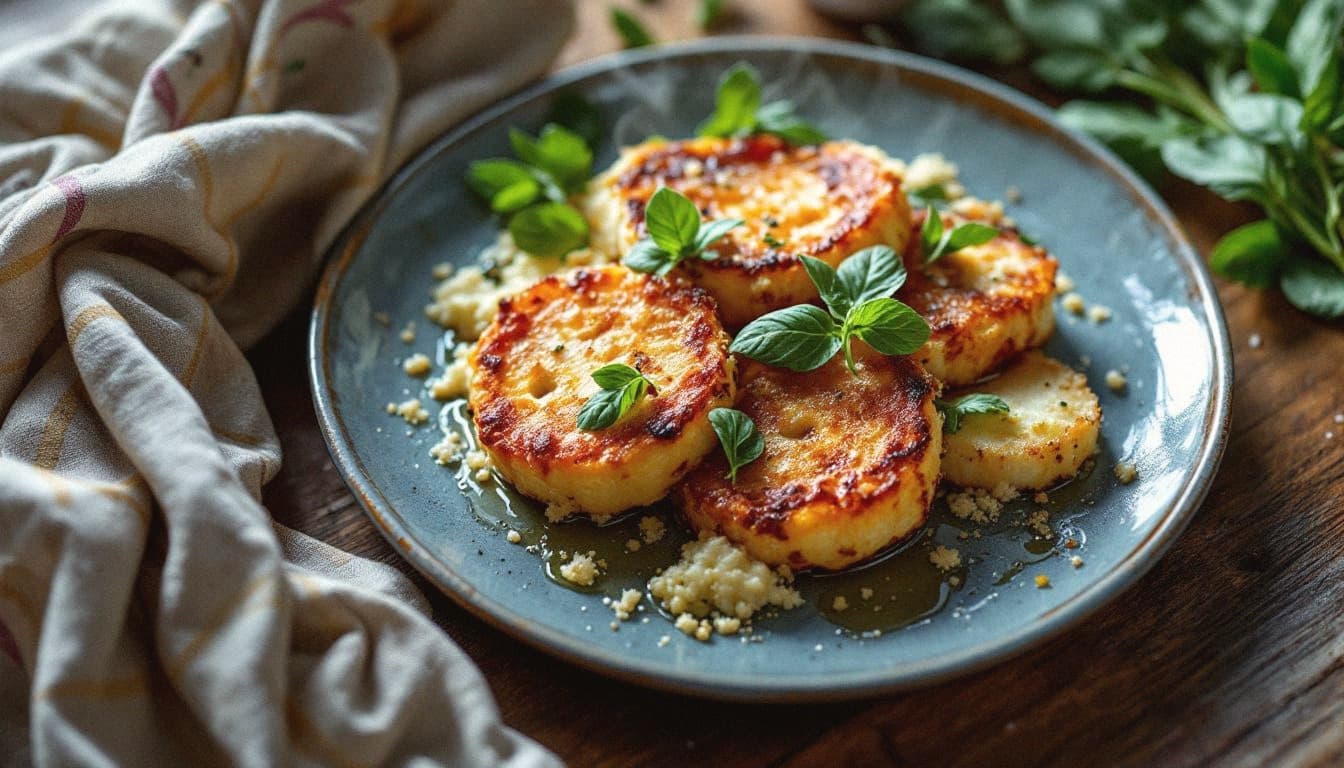
Frying halloumi with wild garlic and dried morels sounds like a recipe written by someone emptying their fridge, but the flavor logic is tighter than it looks. The morels push the cheese's savory depth somewhere almost meaty, the ouzo flame knocks the anise back to a whisper, and the thyme honey lands just in time to stop the whole thing from tipping into brine. Make this in late spring when wild garlic is still young enough to wilt in 45 seconds and smell like the forest floor.
Anchovy-Kissed New Potato & Lamb's Lettuce Salad with Watercress Snow
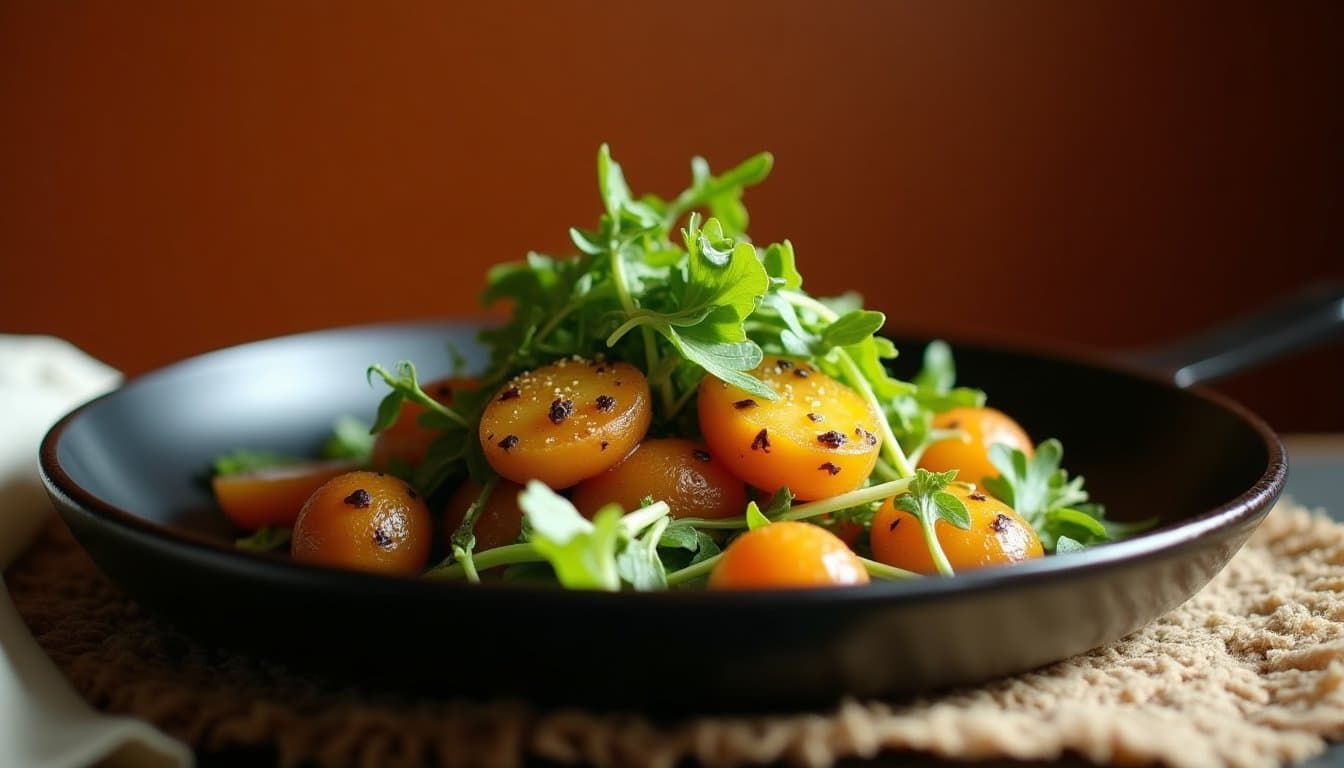
New potatoes and anchovies are a perfectly reasonable bistro pairing, which is exactly why blitzing raw watercress into a near-frozen vinaigrette 'snow' that melts over warm potatoes feels so disorienting in the best way. The cold-hot contrast pulls the anchovy's glutamates forward while the peppery watercress oils bloom against the potato starch. No unusual ingredients, genuinely surprising results.
Get the free flavor science guide.
5 rules that explain why unusual combinations work — plus new recipes every week.
You can unsubscribe anytime. No spam, ever. Or just read the guide.