This post contains affiliate links. We may earn a small commission at no extra cost to you. Learn more
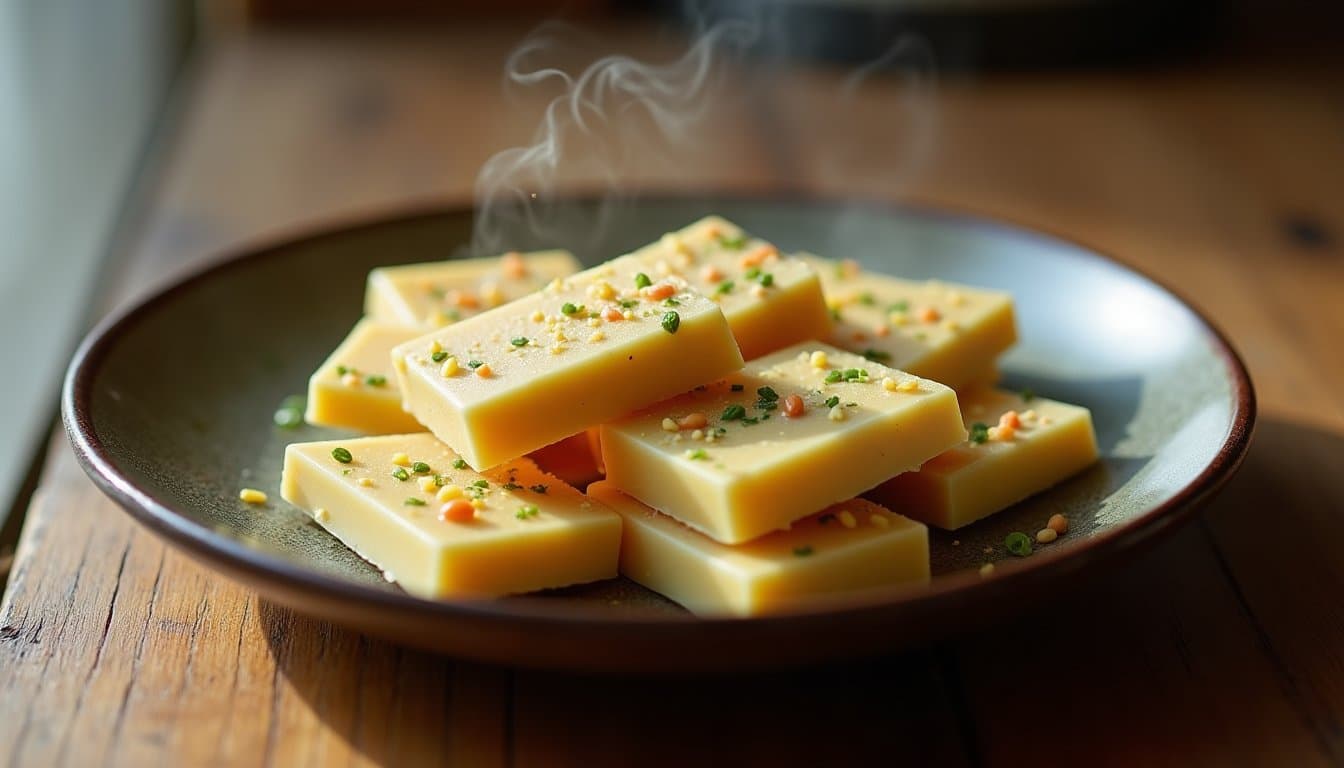
Taiwanese Ramp Salt & Spring Pea Dust White Chocolate Easter Bark with Violet Candy
what's this?
Strangeness scale
- 1 — Slightly odd
- 2 — Raises eyebrows
- 3 — Genuinely strange
- 4 — Deeply weird
- 5 — Unhinged
- Total
- 2h 40m
- Difficulty
- Medium
- Serves
- 12
- Origin
- Taiwanese
White chocolate bark cured with ramp-infused fleur de sel sounds like a dare, but it works. The allium funk cuts through the sweetness the way a cold snap cuts through April, and freeze-dried pea powder adds a grassy, almost vegetal brightness that keeps the whole thing from tipping into candy territory. Shattered violet candy on top brings a floral, boba-adjacent perfume that makes this bark taste, improbably, like somewhere specific.
Equipment
Why It Actually Works
Cocoa butter is an efficient fat-soluble flavor carrier, so the volatile sulfur compounds in ramp, mainly diallyl disulfide, dissolve into the white chocolate and mellow out the same way roasted garlic loses its bite. Freeze-drying locks in the pea's chlorophyll pigments and its methoxypyrazine aroma compounds, which read on the palate as fresh and grassy against all that fat. Violet candy contributes beta-ionone, a floral ketone found in Taiwanese oolong as well, and it creates an aromatic bridge between the allium, the chocolate, and the plum powder's tartness that makes the whole thing cohere.
Learn the flavor science rules behind recipes like this →Ingredients
- 450 g high-quality white chocolate (at least 30% cocoa butter, chopped)
- 2 tablespoons fleur de sel, for curing base
- 6 large ramp leaves (wild leek tops), finely minced
- 1 teaspoon oolong tea oil or neutral oil, for binding
- 80 g freeze-dried green peas, ground to fine powder in spice grinder
- 1 teaspoon matcha powder, sifted
- 120 g violet hard candies (Parma Violets or homemade violet sugar candy), roughly crushed
- 2 tablespoons dried violet petals, food-grade
- 1 teaspoon Taiwanese plum powder (suanmei powder), for dusting
- 0.5 teaspoon white sesame seeds, lightly toasted
- 1 sheet parchment paper, for lining baking sheet
Instructions
1. CURE THE RAMP SALT (24 hours ahead): Combine fleur de sel, minced ramp leaves, and oolong tea oil in a small bowl. Mix until the salt is fully coated and fragrant. Spread onto a small parchment-lined plate and leave uncovered at room temperature for 24 hours, stirring once at the 12-hour mark. The salt will turn faintly green and develop a mellow, savory-sweet allium aroma — aggressive raw ramp bite will soften into something almost herbal and oceanic.
2. MAKE THE PEA DUST BLEND: In a spice grinder, blitz freeze-dried peas to a vivid green powder. Sift through a fine-mesh strainer to remove any coarse bits. Whisk together with sifted matcha until uniform. Set aside. This dual-green blend gives you both the raw grassy snap of fresh peas and the umami depth of matcha without either dominating.
3. TEMPER THE WHITE CHOCOLATE: Melt two-thirds of the chopped white chocolate in a heatproof bowl set over a pot of barely simmering water (double boiler), stirring constantly, until it reaches 45°C (113°F). Remove from heat, add remaining chopped chocolate, and stir vigorously until temperature drops to 27°C (80°F). Return briefly to the double boiler, stirring, until it climbs back to 29–30°C (84–86°F). Proper tempering is non-negotiable — it gives the bark that satisfying snap and prevents the fat bloom that would make your violet candy look sad and grey.
4. POUR AND SPREAD: Line a large rimmed baking sheet with parchment. Pour tempered white chocolate onto the sheet and use an offset spatula to spread into an even layer roughly 4–5mm thick. Work quickly — you have about 3 minutes before the chocolate begins setting.
5. DUST WITH PEA-MATCHA POWDER: Using a fine-mesh sieve, dust the pea-matcha blend generously over the entire surface of the wet chocolate. You want visible coverage — don't be shy. The powder will partially sink into the surface as the chocolate sets, creating marbled depth.
6. ADD VIOLET CANDY AND PETALS: Scatter crushed violet candies across the surface in irregular clusters — some areas dense, some sparse, for visual drama. Press gently so they adhere. Scatter dried violet petals between the candy shards.
7. FINISH WITH RAMP SALT AND PLUM POWDER: Using your fingers, pinch and scatter the cured ramp salt across the bark. Follow with a light dusting of Taiwanese plum powder through a fine sieve, and a sprinkle of toasted white sesame seeds. The plum powder adds a tart, tangy counterpoint that ties the Taiwanese identity of the dish together.
8. CURE AND SET: Slide the baking sheet into the refrigerator uncovered for exactly 20 minutes — no longer, or condensation will cloud the chocolate surface. Then transfer to a cool, dry room-temperature spot (18–20°C / 64–68°F) and allow to fully cure and set for at least 1 hour. The cold-then-room-temp cure allows the flavors to migrate and meld into the cocoa butter matrix without shocking the temper.
9. BREAK AND SERVE: Once fully set and glossy, lift the bark from the parchment and break into irregular shards by hand. Serve on a slate board or wrapped in cellophane for gifting. Store in an airtight container at cool room temperature for up to 10 days.
Nutrition (estimated per serving)
- Calories
- 198
- Fat
- 10g
- Carbs
- 25g
- Protein
- 3g
- Fiber
- 1g
- Sodium
- 412mg
Variations
- Swap the ramp salt for three-cup chicken spiced salt, a pinch each of sesame oil, dried basil, and soy-cured salt, for a more aggressively savory-sweet profile that will genuinely confuse everyone at your Easter table.
- Replace the violet candy with crumbled Taiwanese pineapple cake (fènglísū) for buttery, tropical-acidic crunch; use a gluten-free pineapple cake version and the bark stays GF throughout.
- For a vegan version, use a high-quality oat-milk or coconut-milk white chocolate; the higher water content means you should skip tempering entirely, just melt and pour, and accept a softer, fudge-like set that's more forgiving anyway.
Storage & Make-Ahead
The finished bark keeps well in an airtight container at cool room temperature (below 68°F) for up to 5 days, or refrigerated for up to 2 weeks — just layer the pieces between sheets of parchment so the violet candies don't stick together. The ramp salt can be made up to 3 days ahead and stored in a small sealed jar at room temperature; it actually improves after 48 hours as the allium flavor mellows further. If you're working in a warm kitchen, skip room-temperature storage entirely, since white chocolate with this much cocoa butter will bloom and turn grainy above 72°F. The pea dust blend is best made the day you use it, as freeze-dried pea powder absorbs ambient moisture quickly and will clump and lose its vivid green color within 24 hours.
Reader Tips
No tips yet — be the first!
More Strange Recipes
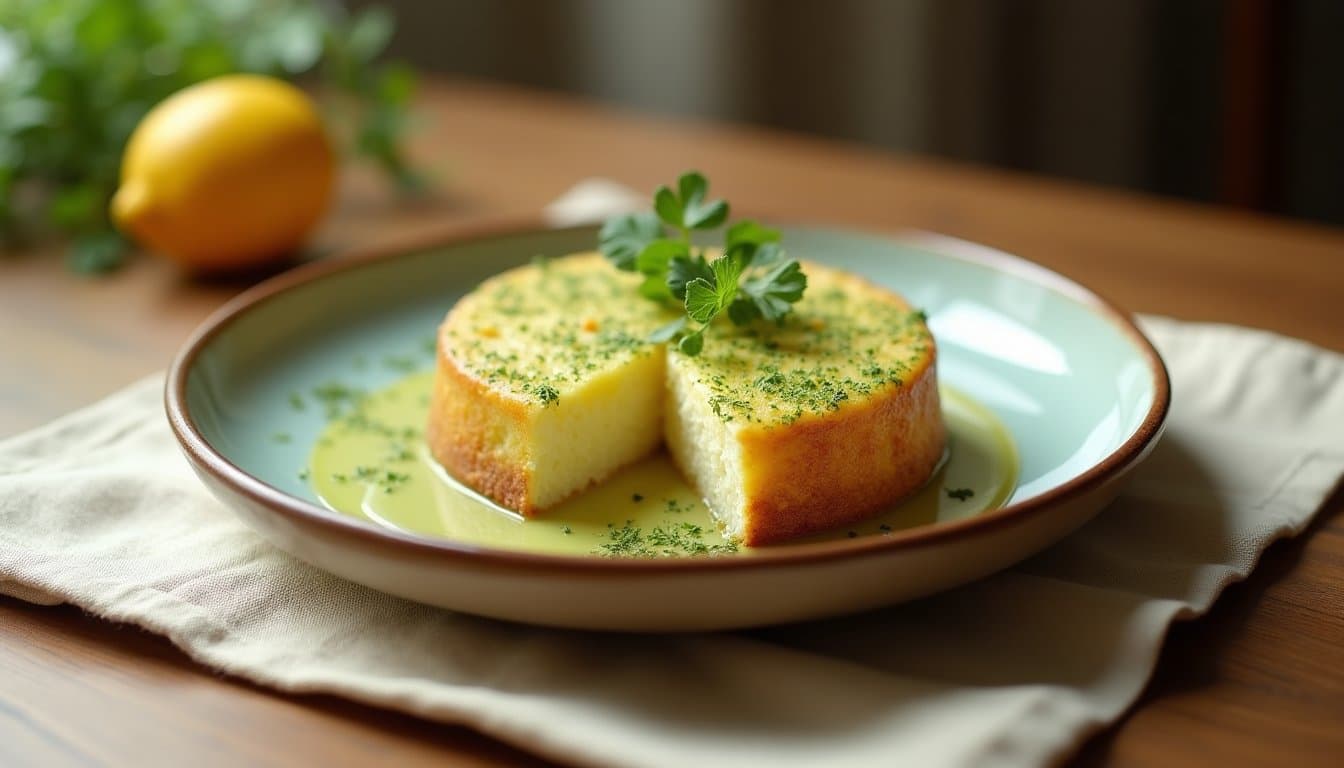
Stinging Nettle and Lemon Semolina Cake with Cardamom Honey Glaze
Yes, we pressure-cooked a cake made from weeds, and it works. Spring stinging nettles bring a grassy, spinach-like depth that cuts through the brightness of lemon and the floral warmth of cardamom, while fine corn semolina keeps the whole thing gluten-free without any gummy compromise. A raw honey glaze on top turns this foraged oddity into a moist, pillowy German-inspired Griesskuchen worth making every April.
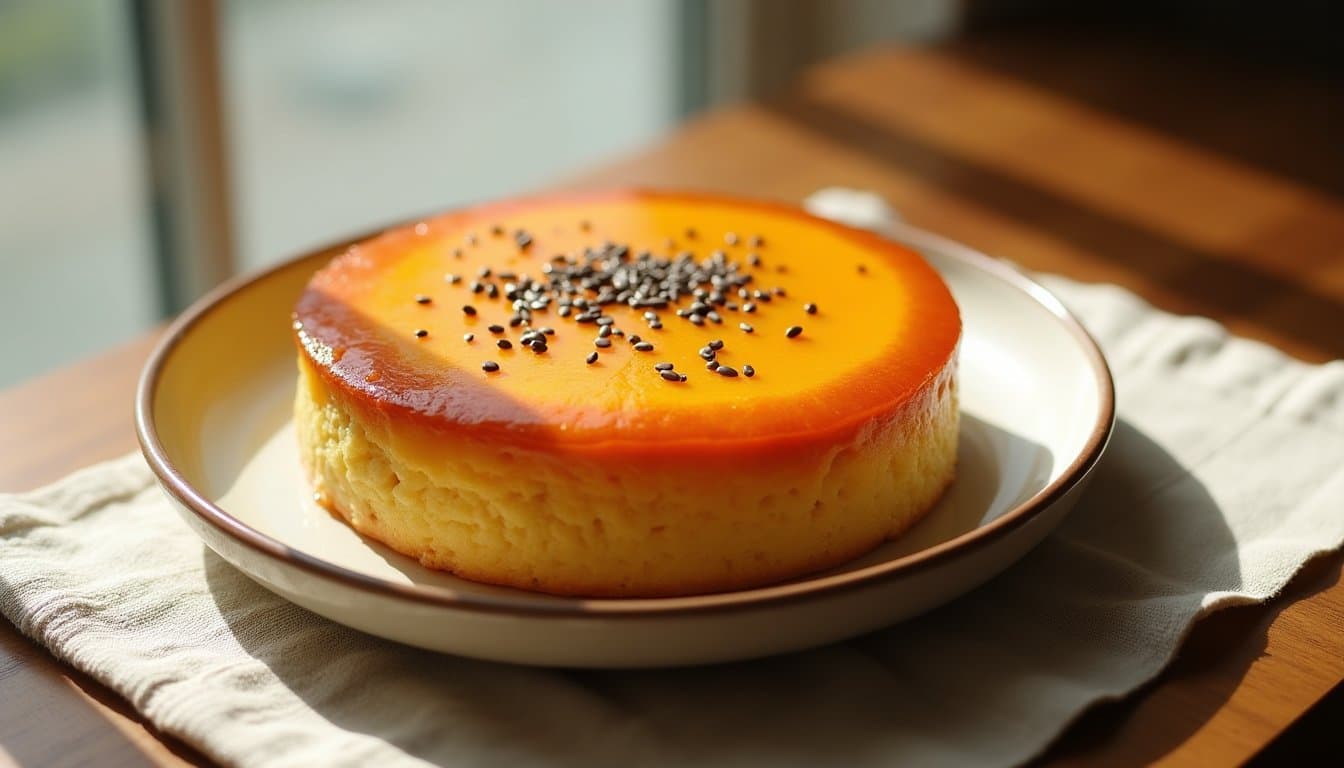
Black Sesame & Orange Blossom Honey Cake with Miso Caramel Sauce
A pressure-cooker steamed cake that pulls Moroccan m'hanncha aromatics into the same bowl as Japanese umami, black sesame paste against orange blossom honey, then buries the whole thing under a white miso caramel that will make you resent every dessert you've eaten before. The science is genuinely strange: miso's glutamates amplify the roasty bitterness of black sesame while orange blossom water cuts through the fat like a floral knife. This is not a prank.
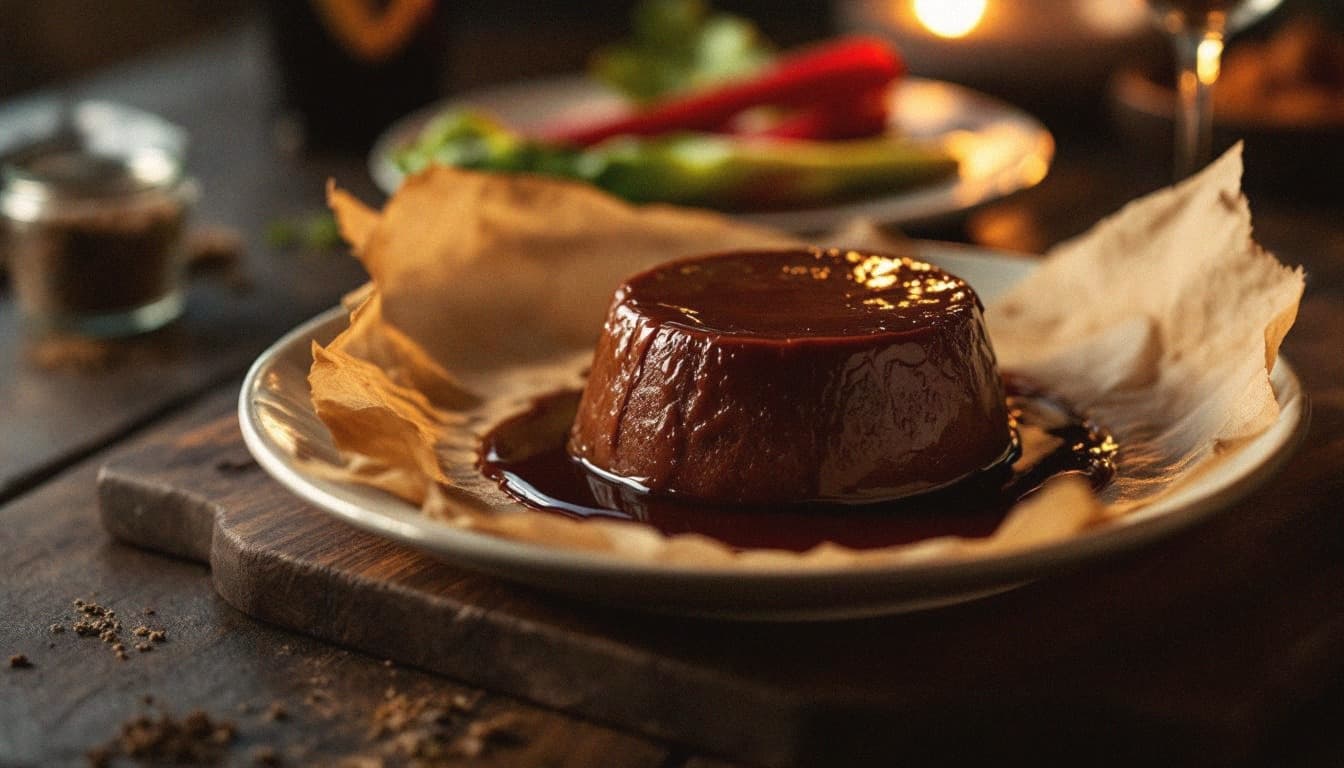
Guinness Chocolate Pudding with Poached Rhubarb, Sour Cream Snow, and Candied Ramps
Poaching rhubarb in Guinness-spiked syrup sounds like a pub bet, but the stout's roasted malt bitterness pulls out a jammy, almost wine-dark depth from the rhubarb that plain sugar syrup never could. A silky chocolate pudding base ties the whole thing together, and then candied ramps, yes, the wild garlic onion, show up on top with a mellow, floral funk that makes every other flavor sharper. It reads like a dare on paper and makes complete sense in your mouth.
Get the free flavor science guide.
5 rules that explain why unusual combinations work — plus new recipes every week.
You can unsubscribe anytime. No spam, ever. Or just read the guide.