This post contains affiliate links. We may earn a small commission at no extra cost to you. Learn more
Stinging Nettle and Lemon Semolina Cake with Cardamom Honey Glaze
what's this?
Strangeness scale
- 1 — Slightly odd
- 2 — Raises eyebrows
- 3 — Genuinely strange
- 4 — Deeply weird
- 5 — Unhinged
- Cook
- 40m
- Total
- 1h 5m
- Difficulty
- Medium
- Serves
- 8
- Origin
- German
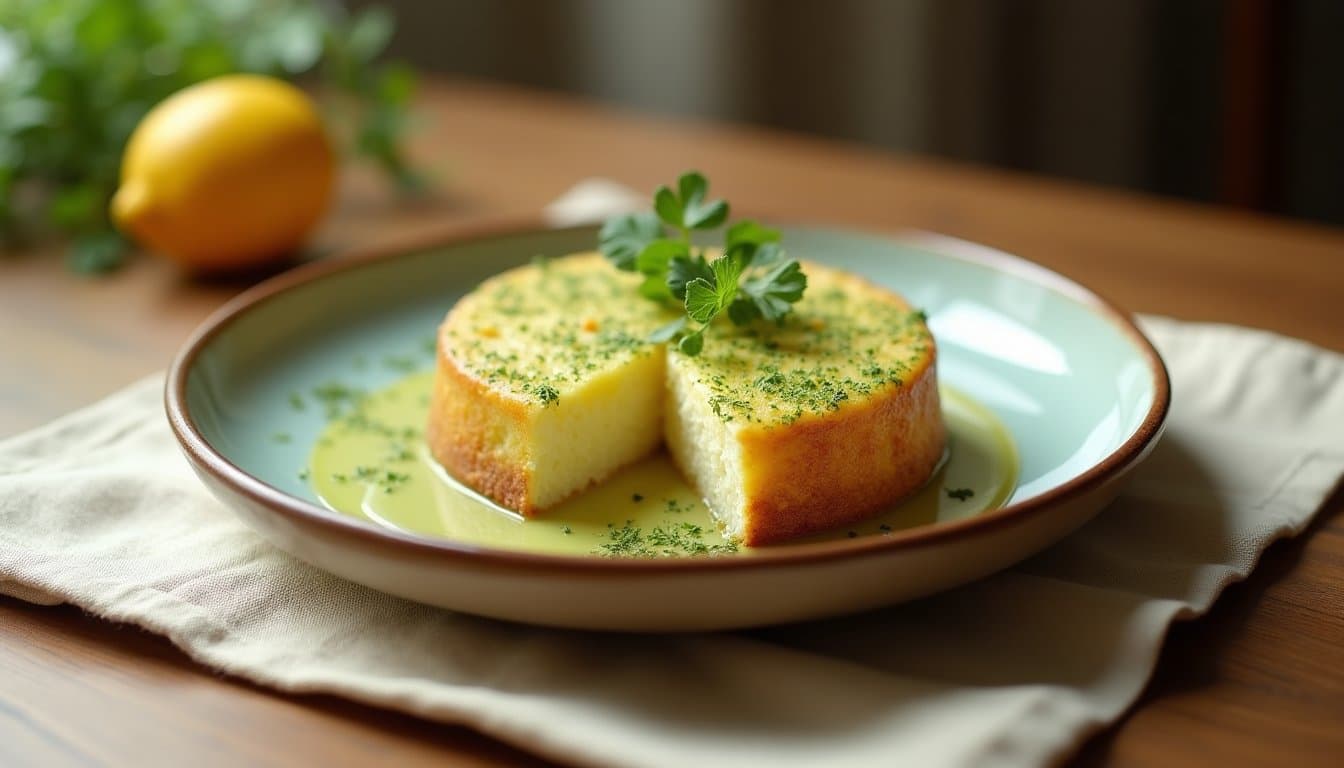
Yes, we pressure-cooked a cake made from weeds, and it works. Spring stinging nettles bring a grassy, spinach-like depth that cuts through the brightness of lemon and the floral warmth of cardamom, while fine corn semolina keeps the whole thing gluten-free without any gummy compromise. A raw honey glaze on top turns this foraged oddity into a moist, pillowy German-inspired Griesskuchen worth making every April.
Equipment
Why It Actually Works
Blanching neutralizes the nettles chemically: heat denatures the formic acid and histamine in the trichomes, leaving a mineral-rich, mildly grassy green paste that behaves almost identically to cooked spinach in baked goods. Fine corn semolina absorbs moisture slowly and swells under the sustained high-heat steam of a pressure cooker, producing a dense, moist crumb that stays tender for days. Cardamom's fat-soluble volatile compounds, primarily 1,8-cineole and α-terpinyl acetate, bloom into the olive oil during mixing, then bind with the lemon's limonene to build a layered citrus-floral aroma that covers any residual earthiness from the nettle.
Learn the flavor science rules behind recipes like this →Ingredients
- 120 g fresh stinging nettle tops (young spring growth), blanched and squeezed dry
- 200 g fine corn semolina (polenta fine grind), plus extra for dusting
- 100 g almond flour
- 150 g caster sugar (or coconut sugar for deeper flavor)
- 1 tsp baking powder, gluten-free certified
- 1/2 tsp ground cardamom
- 1/4 tsp fine sea salt
- 120 ml full-fat coconut milk, well shaken
- 80 ml good-quality olive oil
- 2 tbsp ground flaxseed mixed with 6 tbsp warm water, rested 10 minutes (flax eggs)
- 2 lemons, zested and juiced (about 60 ml juice)
- 1 tsp pure vanilla extract
- 3 tbsp raw wildflower honey or agave nectar, for the glaze
- 1/2 tsp ground cardamom, for the glaze
- 1 tbsp lemon juice, for the glaze
- 1 tbsp coconut oil, melted, for the glaze
- 500 ml water, for the pressure cooker pot
Instructions
1. TAME THE NETTLES: Wearing rubber gloves, pick only the young top 4–6 leaves of spring nettles. Blanch in boiling salted water for 60 seconds — this completely neutralises the sting. Drain, rinse under cold water, squeeze bone-dry in a clean cloth, then finely chop. You should have roughly 80 g of packed, cooked nettle pulp. Set aside.
2. MAKE YOUR FLAX EGGS: Combine 2 tbsp ground flaxseed with 6 tbsp warm water in a small bowl. Stir well and leave to gel for at least 10 minutes until thick and slightly gelatinous. This is your vegan binder.
3. MIX DRY INGREDIENTS: In a large bowl, whisk together the fine corn semolina, almond flour, caster sugar, baking powder, cardamom, and sea salt until evenly combined.
4. MIX WET INGREDIENTS: In a separate bowl or jug, whisk together the coconut milk, olive oil, flax eggs, lemon zest, lemon juice, and vanilla extract until smooth and emulsified.
5. COMBINE: Pour the wet mixture into the dry ingredients and fold gently with a spatula until just combined — do not overmix. Fold in the blanched, chopped nettles until the batter turns a beautiful pale sage green. The batter will be thick.
6. PREPARE THE PAN: Lightly grease a 18 cm (7-inch) round springform or push-pan with coconut oil and dust with a little extra fine semolina. Pour in the batter and smooth the top with a wet spatula. Cover the pan tightly with a double layer of aluminium foil, crimping the edges firmly to prevent condensation drips.
7. SET UP THE PRESSURE COOKER: Pour 500 ml of water into the base of your electric pressure cooker (Instant Pot or similar). Place the trivet/rack inside. Set the foil-covered cake pan on top of the trivet.
8. PRESSURE COOK: Seal the lid and set to HIGH pressure for 40 minutes. Allow a natural pressure release for 15 minutes, then carefully release any remaining pressure manually. Open the lid away from you.
9. CHECK DONENESS: Carefully remove the cake (it will be very hot — use silicone gloves). Remove the foil. The surface should look set and a skewer inserted into the centre should come out clean or with just a few moist crumbs. If it needs more time, re-cover and pressure cook for an additional 5 minutes.
10. COOL: Allow the cake to cool in the pan on a wire rack for 20 minutes before unmoulding. The texture will firm up as it cools — this is normal for semolina cakes.
11. MAKE THE CARDAMOM HONEY GLAZE: In a small saucepan over very low heat, gently warm the honey (or agave), cardamom, lemon juice, and coconut oil together, stirring until combined and glossy. Do not boil. Remove from heat.
12. GLAZE AND SERVE: Once the cake is unmoulded and cooled to warm, use a pastry brush or spoon to coat the top generously with the cardamom honey glaze, letting it drip naturally down the sides. Allow the glaze to set for 5 minutes. Serve in wedges with a curl of lemon zest and a few fresh (blanched!) nettle leaves for garnish.
Nutrition (estimated per serving)
- Calories
- 387
- Fat
- 20g
- Carbs
- 47g
- Protein
- 5g
- Fiber
- 3g
- Sodium
- 98mg
Variations
- Swap the lemon for blood orange zest and juice, and replace cardamom with 1/2 tsp ground fennel seed. Deeply Germanic, unexpectedly elegant.
- Replace the honey glaze with an elderflower cordial reduction: boil 60 ml cordial with 1 tsp arrowroot until syrupy. You get a double-foraged spring dessert that pairs cleanly with the nettles.
- Fold 60 g of roughly chopped raw pistachios into the batter before cooking, then scatter crushed pistachios over the finished glaze. The crunch and the color contrast against the sage-green crumb are both worth it.
Storage & Make-Ahead
The cake keeps well in the fridge for up to 4 days, wrapped tightly in beeswax wrap or stored in an airtight container — the semolina actually firms up overnight, giving you cleaner slices. You can bake it a day ahead and hold off on the cardamom honey glaze, which is best drizzled on within a few hours of serving so it stays glossy rather than soaking in completely. For longer storage, freeze unglazed slices individually wrapped in cling film for up to 6 weeks, then thaw at room temperature for about 2 hours before glazing. The blanched, squeezed nettle pulp can be prepared up to 2 days in advance and refrigerated in a sealed container, which makes the bake itself much quicker on the day.
Reader Tips
No tips yet — be the first!
More Strange Recipes
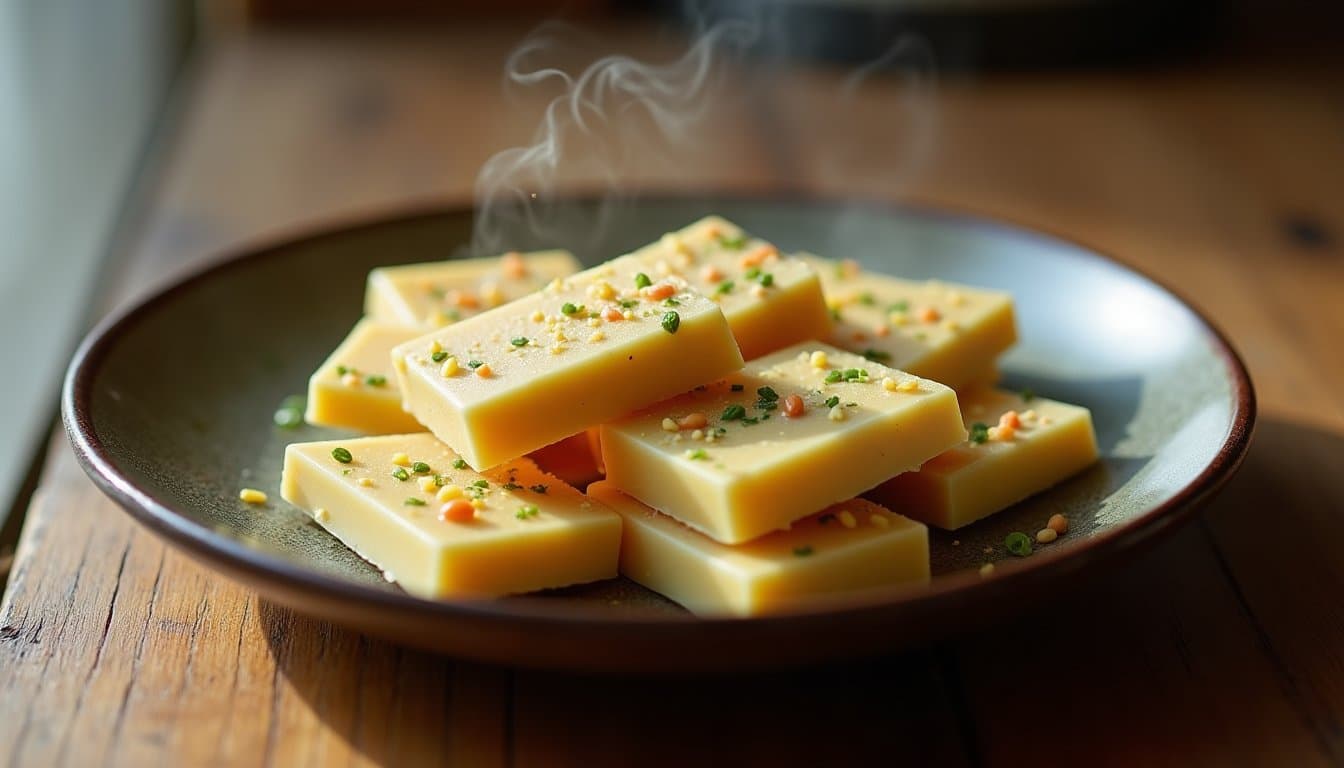
Taiwanese Ramp Salt & Spring Pea Dust White Chocolate Easter Bark with Violet Candy
White chocolate bark cured with ramp-infused fleur de sel sounds like a dare, but it works. The allium funk cuts through the sweetness the way a cold snap cuts through April, and freeze-dried pea powder adds a grassy, almost vegetal brightness that keeps the whole thing from tipping into candy territory. Shattered violet candy on top brings a floral, boba-adjacent perfume that makes this bark taste, improbably, like somewhere specific.
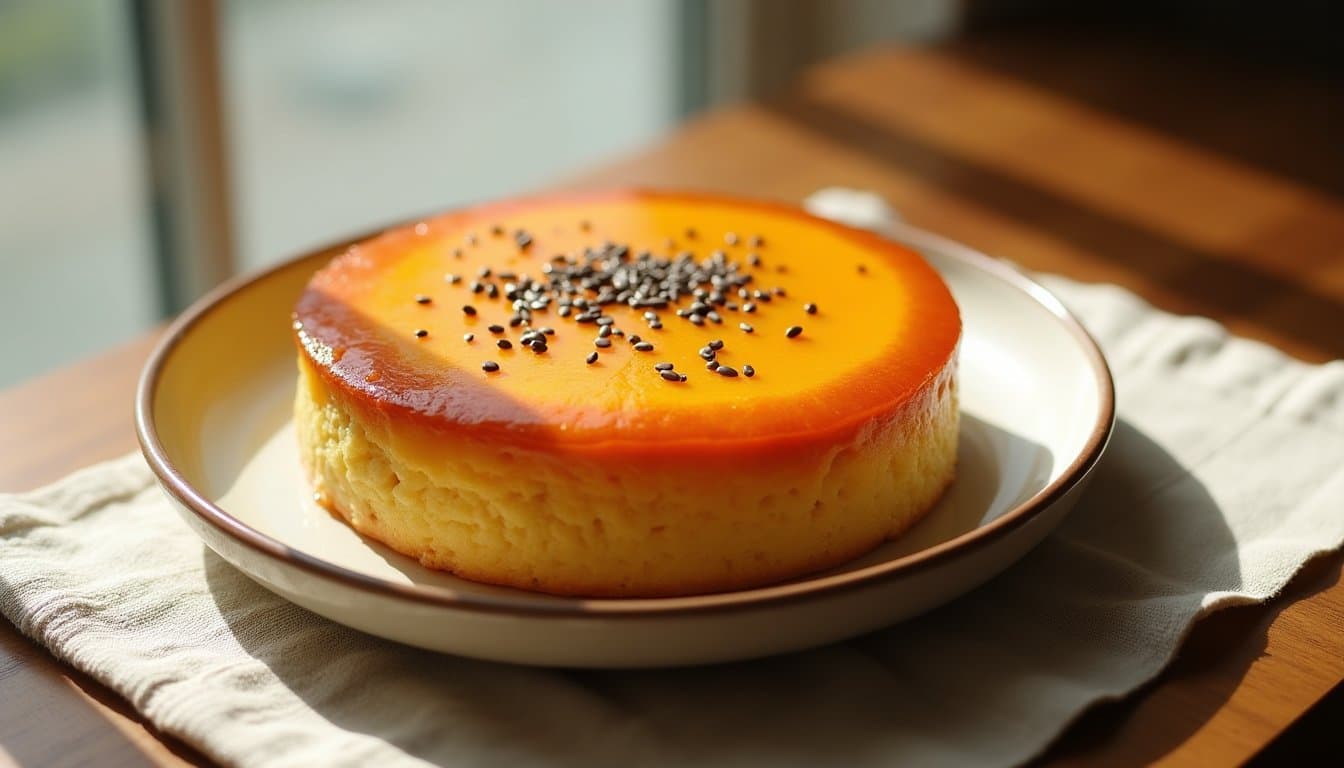
Black Sesame & Orange Blossom Honey Cake with Miso Caramel Sauce
A pressure-cooker steamed cake that pulls Moroccan m'hanncha aromatics into the same bowl as Japanese umami, black sesame paste against orange blossom honey, then buries the whole thing under a white miso caramel that will make you resent every dessert you've eaten before. The science is genuinely strange: miso's glutamates amplify the roasty bitterness of black sesame while orange blossom water cuts through the fat like a floral knife. This is not a prank.
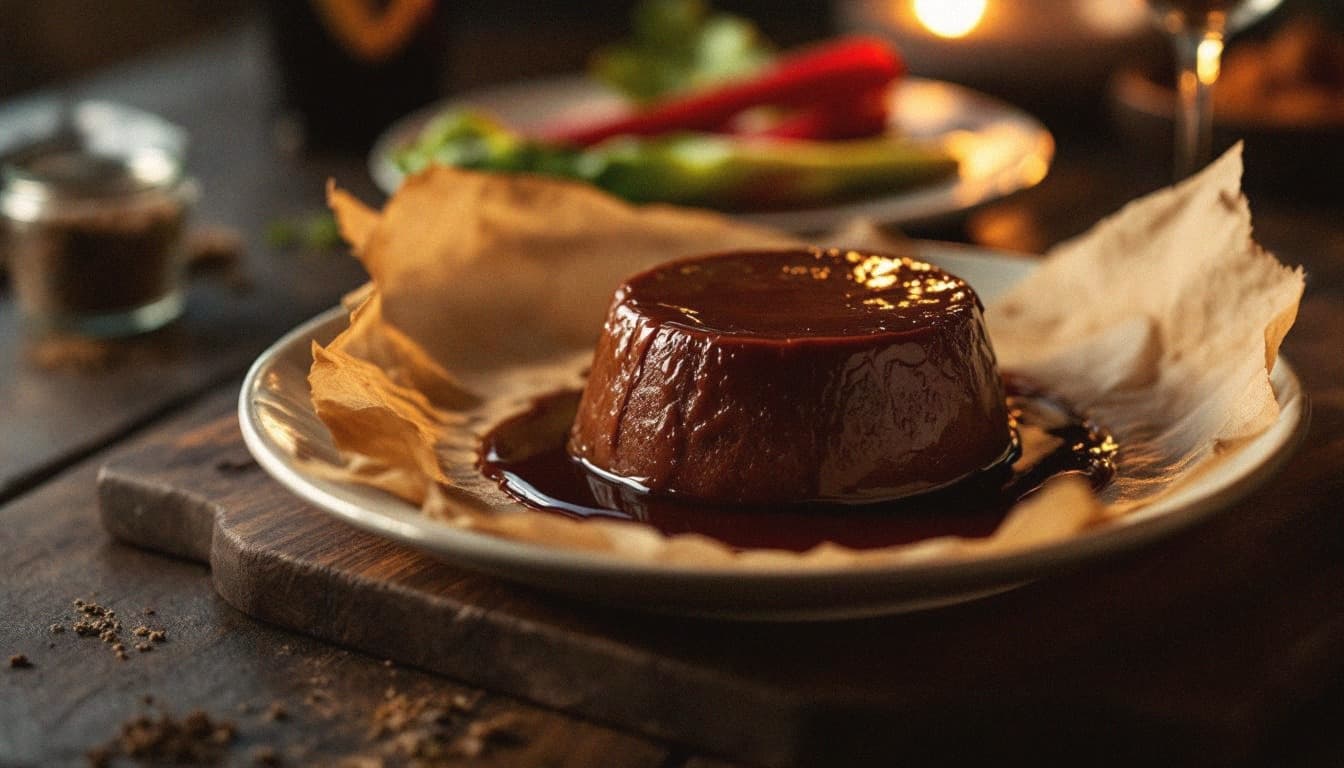
Guinness Chocolate Pudding with Poached Rhubarb, Sour Cream Snow, and Candied Ramps
Poaching rhubarb in Guinness-spiked syrup sounds like a pub bet, but the stout's roasted malt bitterness pulls out a jammy, almost wine-dark depth from the rhubarb that plain sugar syrup never could. A silky chocolate pudding base ties the whole thing together, and then candied ramps, yes, the wild garlic onion, show up on top with a mellow, floral funk that makes every other flavor sharper. It reads like a dare on paper and makes complete sense in your mouth.
Get the free flavor science guide.
5 rules that explain why unusual combinations work — plus new recipes every week.
You can unsubscribe anytime. No spam, ever. Or just read the guide.