This post contains affiliate links. We may earn a small commission at no extra cost to you. Learn more
Caramelized Fish Sauce & Tamarind Glaze with Wild Garlic and Ramps
what's this?
Strangeness scale
- 1 — Slightly odd
- 2 — Raises eyebrows
- 3 — Genuinely strange
- 4 — Deeply weird
- 5 — Unhinged
- Cook
- 1h 15m
- Total
- 1h 35m
- Difficulty
- Medium
- Serves
- 8
- Origin
- Vietnamese
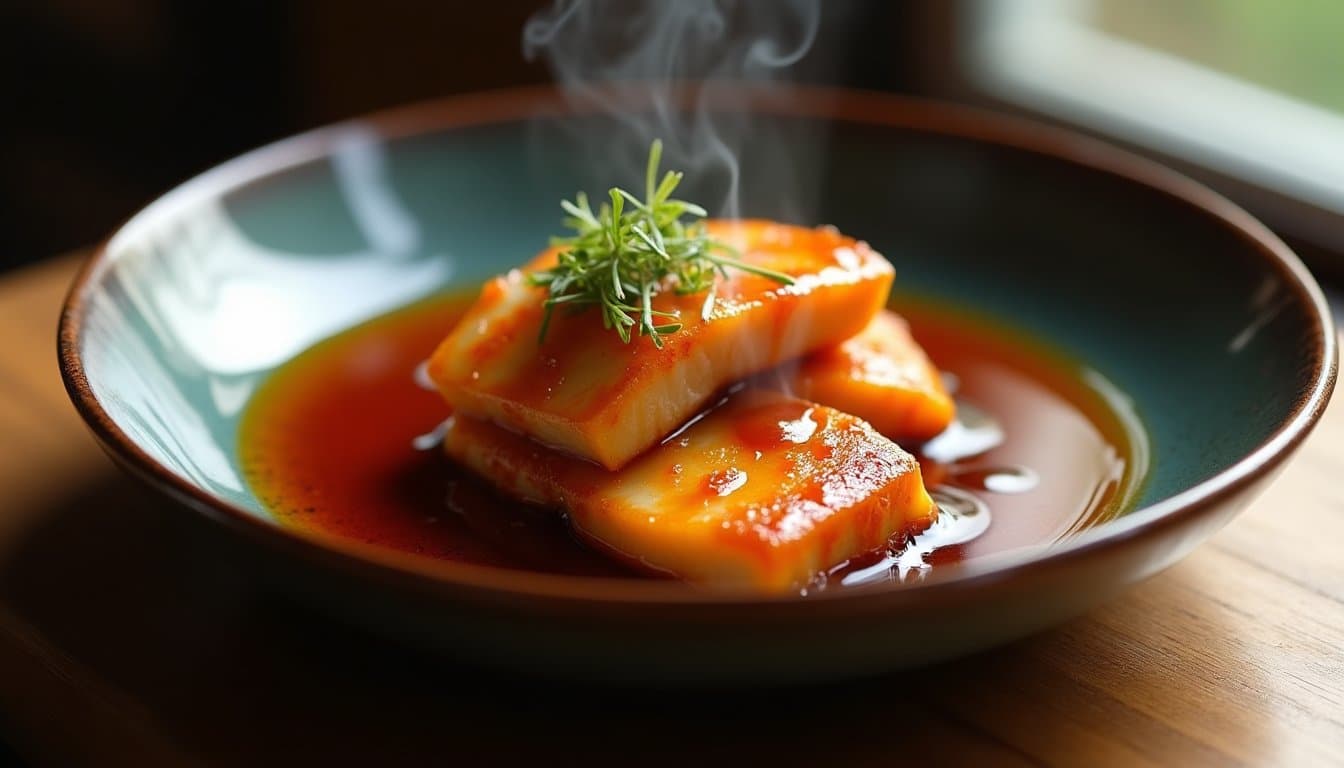
Fish sauce, cooked down until it turns syrupy and almost jammy, smells like a dare and tastes like a revelation. This Vietnamese-inspired glaze pushes that caramelized funk into genuinely strange territory by pulling in tamarind's fruity acid and wild garlic and ramps, two alliums that go feral when they hit warm oil. The result is something that belongs on grilled meat, noodles, or a spoon held over the sink at midnight.
Equipment
Why It Actually Works
Slow caramelization drives off the volatile short-chain fatty acids responsible for fish sauce's aggressive raw funk, concentrating glutamates and producing Maillard-reaction savory compounds that turn liquid umami into something closer to candy. Tamarind brings tartaric acid rather than citric, which would clash with the sugars; its pectin content also gives the glaze body and sheen without any added starch. Wild garlic and ramps, confit at sub-frying temperatures, convert their allicin and organosulfur compounds from raw pungency into sweet, almost floral complexity, because the oil matrix holds their water-soluble flavor molecules in place instead of letting high heat blow them off.
Learn the flavor science rules behind recipes like this →Ingredients
- 120 ml fish sauce (preferably Phu Quoc 40°N or Red Boat), measured
- 80 g palm sugar, roughly chopped (or dark muscovado as backup)
- 60 g tamarind concentrate, seedless block dissolved in 80 ml warm water and strained
- 200 ml neutral oil (grapeseed or rice bran), for confit
- 80 g ramp bulbs and lower stems, thinly sliced
- 40 g ramp leaves, roughly torn
- 30 g wild garlic (ramsons) leaves, roughly torn
- 4 cloves regular garlic, smashed
- 2 Thai bird's eye chilies, halved lengthwise
- 1 stalk lemongrass, bruised and cut into 3 cm pieces
- 1 tbsp rice wine vinegar
- 1 tsp toasted sesame oil
- 0.5 tsp freshly ground white pepper
- 1 pinch MSG (optional, but encouraged)
Instructions
1. Set up your confit environment: In a small, heavy-bottomed saucepan (1.5 L capacity), combine the neutral oil, smashed regular garlic cloves, bird's eye chilies, and lemongrass. Heat over the lowest possible flame until the oil reaches 80–85°C (175–185°F). Use a thermometer — this is a confit, not a fry. Hold this temperature.
2. Add the ramp bulbs and sliced lower stems to the warm oil. Confit gently for 25 minutes, maintaining 80–85°C, until the ramp bulbs are completely tender, translucent, and sweet-smelling. They should offer zero resistance to a skewer. Remove the saucepan from heat.
3. Add the torn ramp leaves and wild garlic leaves directly to the hot (but off-heat) oil. Stir to submerge. Let them steep and confit in residual heat for 10 minutes — they'll turn silky and vivid. This preserves the volatile allicin compounds without scorching them into bitterness.
4. Strain the entire confit through a fine mesh sieve set over a bowl, pressing the solids gently. Reserve the infused oil separately — it's liquid gold for another use. Set the confit solids aside.
5. In a separate wide, light-colored saucepan (so you can monitor color), combine the fish sauce and palm sugar over medium heat. Stir until the sugar dissolves, then stop stirring. Let the mixture bubble and caramelize undisturbed for 12–18 minutes until it deepens to a rich amber-mahogany color and smells nutty, slightly smoky, and intensely savory. The temperature should reach around 118°C (245°F) — soft-ball stage.
6. Carefully pour in the strained tamarind liquid. Stand back — it will hiss and seize momentarily. Whisk vigorously over medium-low heat until the caramel fully re-dissolves into the tamarind base, about 3–4 minutes. The sauce will be glossy and coat the back of a spoon.
7. Add the rice wine vinegar and white pepper. Taste. Adjust: more tamarind for sour lift, a pinch of palm sugar if too sharp, MSG if you want the umami to feel like a warm hug from the ocean.
8. Remove from heat and fold in all the confit ramp and wild garlic solids. Stir in the sesame oil. Let the sauce cool to room temperature — it will thicken considerably as it cools to a lacquer-like glaze consistency.
9. Transfer to a sterilized jar. The sauce keeps refrigerated for up to 3 weeks. The flavor deepens and mellows beautifully after 24 hours of rest. Bring to room temperature or gently warm before serving.
Nutrition (estimated per serving)
- Calories
- 298
- Fat
- 26g
- Carbs
- 14g
- Protein
- 2g
- Fiber
- 1g
- Sodium
- 890mg
Variations
- Replace the rice wine vinegar with fresh kalamansi juice and stir in 1 tsp finely grated makrut lime zest at the very end for a sharper, more aromatic Southeast Asian finish.
- Swap 30 ml of the fish sauce for an equal amount of mam ruoc (shrimp paste) thinned with water. It pulls back the sweetness and adds a barnyard depth that works particularly well against charred meat.
- Outside ramp season, confit pearl onions in the oil in place of ramp bulbs, and swap the wild garlic leaves for garlic chives plus a small spoonful of black garlic paste stirred in off the heat.
Storage & Make-Ahead
The finished glaze keeps in a sealed jar in the fridge for up to 2 weeks; the fish sauce and tamarind act as natural preservatives, so it actually deepens in flavor after a day or two. Store the ramp and wild garlic confit separately from the glaze, submerged in its own oil in a lidded container, where it'll stay good for 10 days refrigerated. To get ahead, make the glaze up to a week before you need it and confit the ramps the day before, then combine and warm them together over low heat for about 5 minutes before serving. Freezing the glaze works fine for up to 3 months, but the confit ramps turn mushy after thawing, so freeze only the glaze and make the confit fresh.
Reader Tips
No tips yet — be the first!
More Strange Recipes
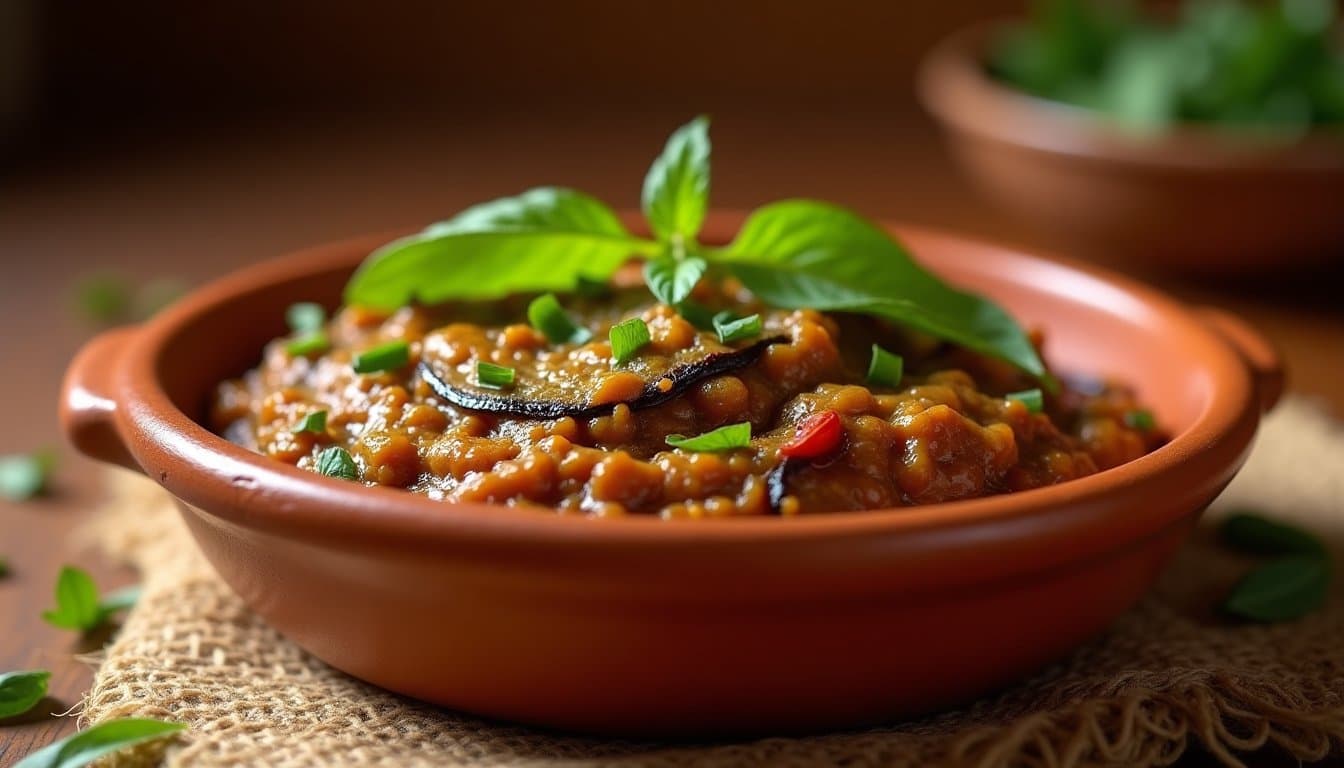
Kashk-e Bademjan Roasted Eggplant Dip with Ramp Oil and Wok-Charred Walnuts
Persian kashk-e bademjan's feral spring cousin. Smoky roasted eggplant and tangy fermented whey get ambushed by a neon-green ramp oil and walnuts dry-toasted in a screaming-hot wok until they're borderline burnt and magnificent. The ramps bring a garlicky sharpness that makes the funky kashk taste even more ancient, while the wok char on the walnuts cuts straight through the eggplant's natural sweetness.
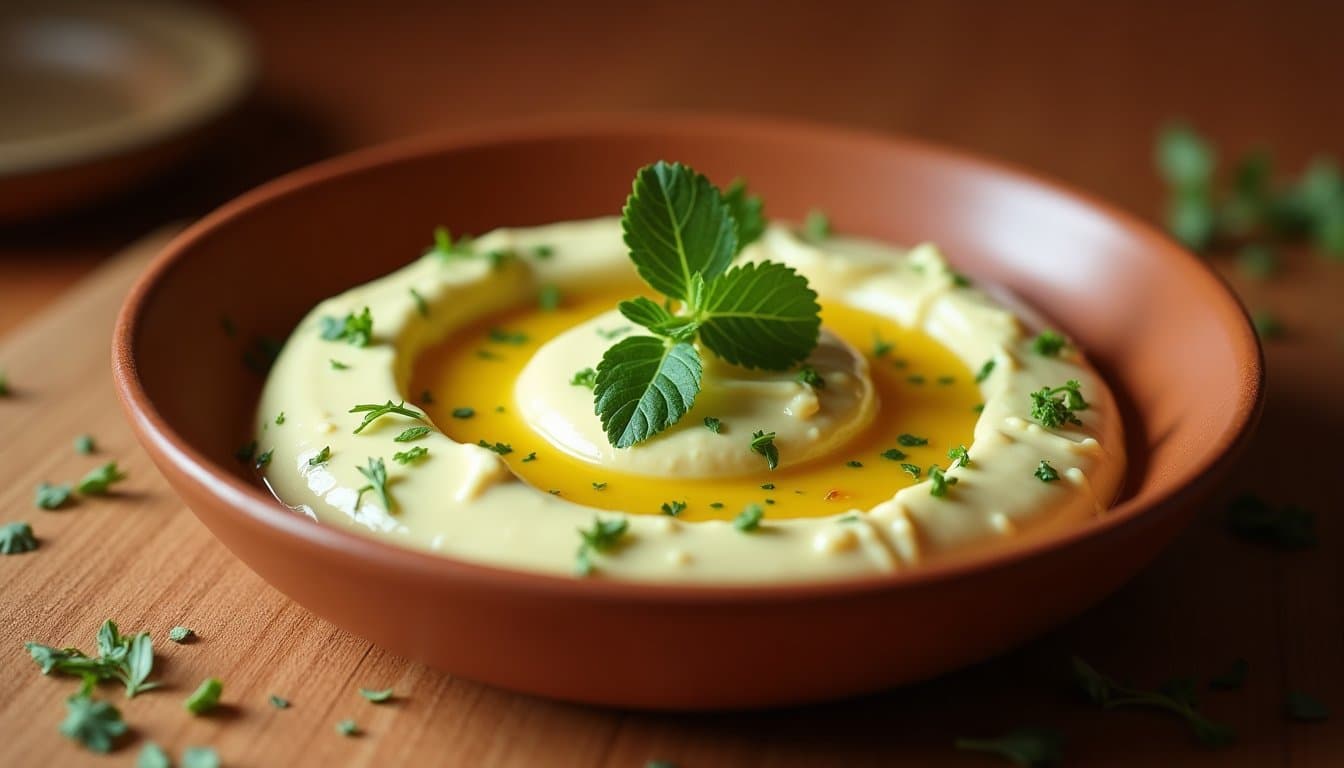
Sous-Vide Wild Garlic Aioli with Preserved Lemon and Smoked Paprika
Wild garlic has a window of maybe six weeks a year, and this sauce is the best argument for using every bit of it. A sous-vide oil infusion pulls out the fat-soluble aromatics before they vanish, then the whole thing gets shaken up with preserved lemon brine and smoked paprika in a move borrowed loosely from Argentine chimichurri. The result is simultaneously ancient and a little alien, and it's the most intensely garlicky aioli you'll make without shedding a tear.
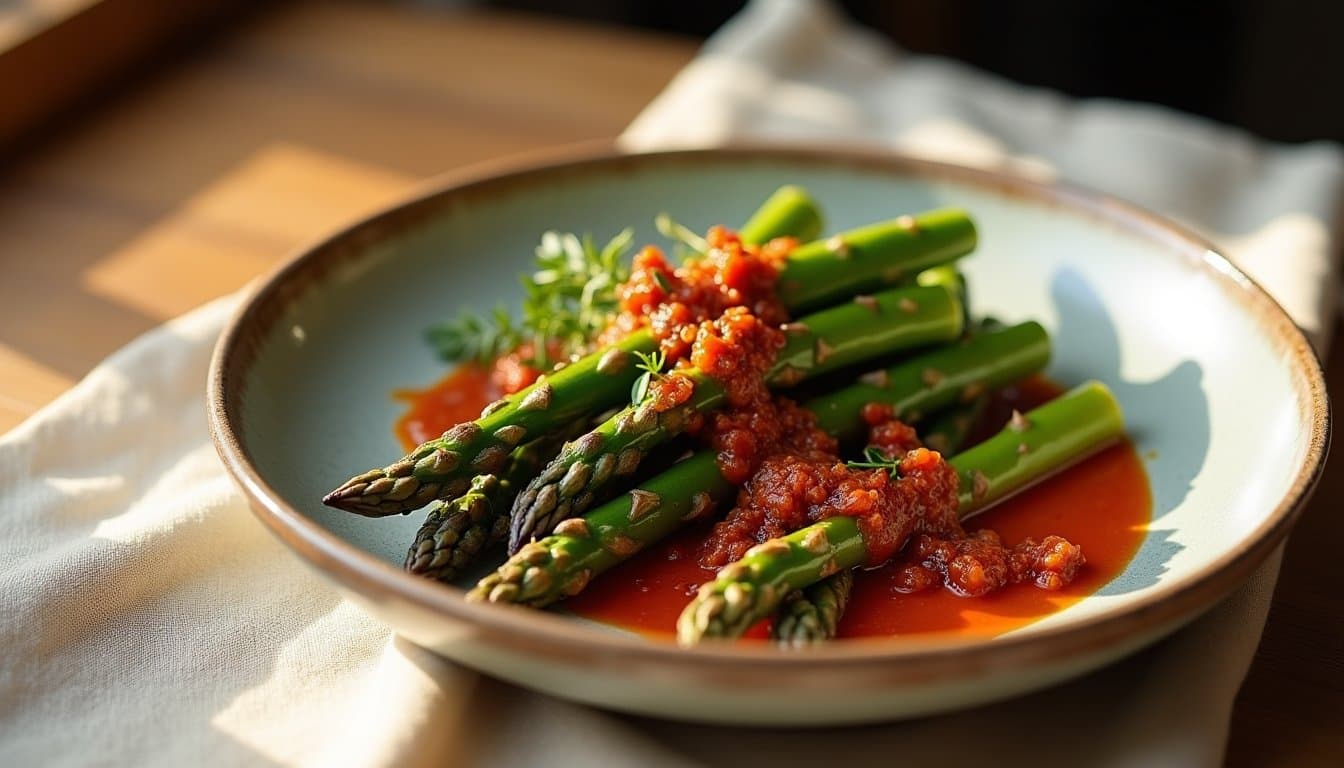
Charred Asparagus Harissa Hot Sauce with Smoked Preserved Lemon
Smoke asparagus until it's borderline aggressive, smash it into a Moroccan harissa base loaded with preserved lemon funk, and you get a spring fire sauce strange enough to make your tagine nervous. The grassy bitterness of charred asparagus cuts through harissa's heat while preserved lemon ties the whole volatile situation together with fermented, citrusy silk. It shouldn't work this well. It does.
Get the free flavor science guide.
5 rules that explain why unusual combinations work — plus new recipes every week.
You can unsubscribe anytime. No spam, ever. Or just read the guide.