This post contains affiliate links. We may earn a small commission at no extra cost to you. Learn more
Charred Asparagus Harissa Hot Sauce with Smoked Preserved Lemon
what's this?
Strangeness scale
- 1 — Slightly odd
- 2 — Raises eyebrows
- 3 — Genuinely strange
- 4 — Deeply weird
- 5 — Unhinged
- Cook
- 45m
- Total
- 1h 10m
- Difficulty
- Medium
- Serves
- 8
- Origin
- Moroccan
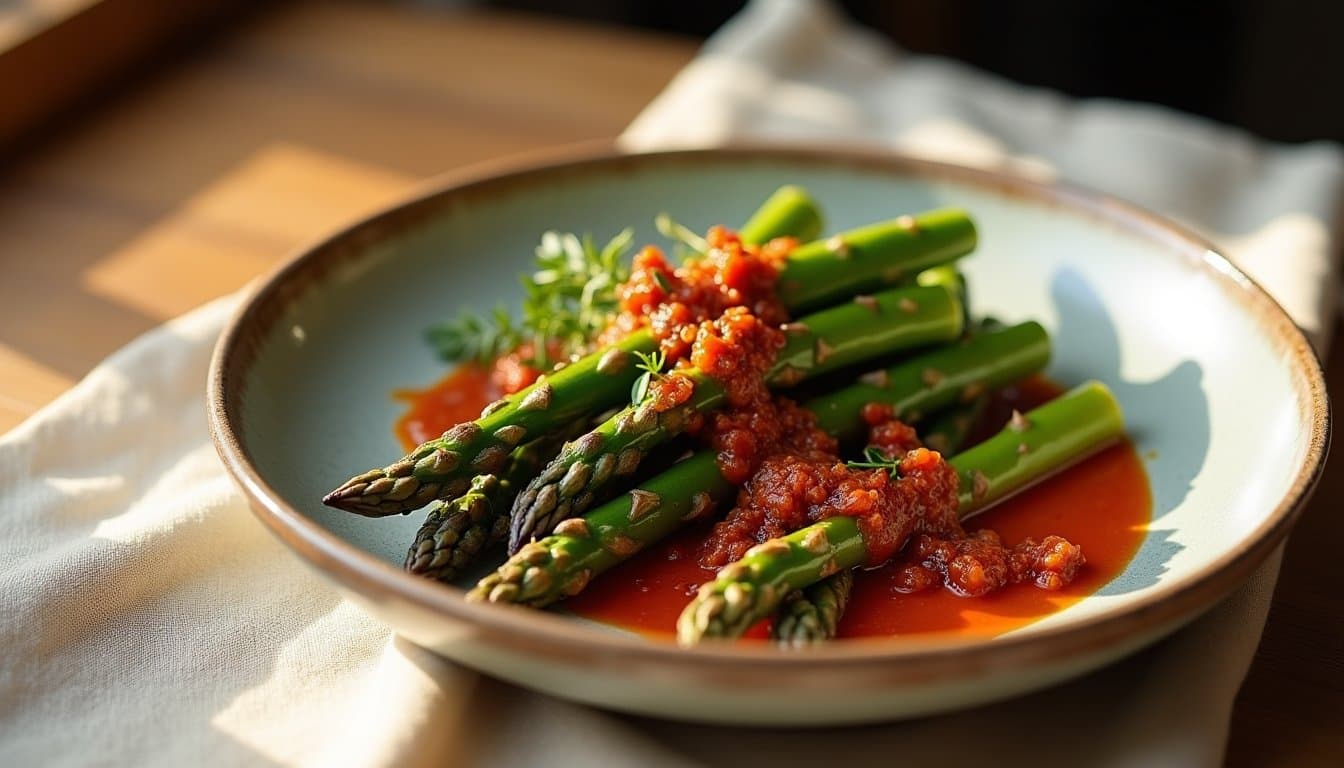
Smoke asparagus until it's borderline aggressive, smash it into a Moroccan harissa base loaded with preserved lemon funk, and you get a spring fire sauce strange enough to make your tagine nervous. The grassy bitterness of charred asparagus cuts through harissa's heat while preserved lemon ties the whole volatile situation together with fermented, citrusy silk. It shouldn't work this well. It does.
Equipment
Why It Actually Works
Asparagus contains pyrazines and sulfurous compounds that, when charred and smoked, undergo Maillard reactions producing intensely bitter, roasted, almost meaty flavor molecules. These amplify harissa's capsaicin heat rather than fighting it. Preserved lemon's fermentation breaks down pectin and concentrates glutamates, creating a low-grade umami backbone that rounds out the bitterness and bridges fat-soluble chile compounds with water-soluble char flavors. The rose water contributes geraniol and citronellol, aromatic terpenes that interact with capsaicin receptors to subtly modulate perceived heat while adding a floral dimension that is distinctly, unapologetically Moroccan.
Learn the flavor science rules behind recipes like this →Ingredients
- 500 g asparagus, woody ends snapped off
- 6 whole dried guajillo chiles, stems and seeds removed
- 4 whole dried árbol chiles, stems removed
- 3 whole dried ancho chiles, stems and seeds removed
- 1 whole preserved lemon, rind only, roughly chopped
- 4 cloves garlic, smashed
- 1 small red onion, quartered
- 2 tsp cumin seeds, toasted
- 1 tsp coriander seeds, toasted
- 1 tsp smoked paprika
- 0.5 tsp caraway seeds, toasted
- 0.25 tsp ground cinnamon
- 3 tbsp olive oil, plus more for smoking
- 2 tbsp apple cider vinegar
- 1 tbsp tomato paste
- 1 tsp rose water
- 0.5 tsp sea salt, or to taste
- 120 ml water, or as needed for blending
- 1 small handful fresh cilantro, leaves and tender stems
- 1 cup wood chips (applewood or cherry), soaked 30 minutes
Instructions
1. Set up your smoker or a stovetop smoker (a deep wok with a tight lid works brilliantly) to run at 120–135°C (250–275°F). Drain your soaked wood chips and place them in the smoker box or directly on foil over low heat in the wok.
2. Toss the asparagus spears and quartered red onion with a thin film of olive oil and a pinch of salt. Arrange them on the smoker rack in a single layer. Smoke for 20 minutes until the asparagus turns deeply green and slightly limp, with wisps of smoke perfume clinging to every ridge.
3. Crank the heat to high (or fire up a grill or broiler to max). Char the smoked asparagus and onion aggressively — you want genuine blackened patches on at least 30% of the surface. This is not a mistake; it is the point. Set aside to cool slightly.
4. While the asparagus chars, toast the guajillo, árbol, and ancho chiles in a dry skillet over medium heat for 30–45 seconds per side until fragrant and pliable. Transfer immediately to a bowl, cover with boiling water, and soak for 15 minutes. Drain, reserving 60 ml of the soaking liquid.
5. In the same dry skillet, bloom the cumin seeds, coriander seeds, and caraway seeds over medium heat for 60 seconds until popping and aromatic. Transfer to a spice grinder or mortar and grind to a coarse powder. Add the smoked paprika and cinnamon and set aside.
6. Roughly chop the charred asparagus, reserving the tips separately for texture later if desired. Add the asparagus stalks, charred onion, drained rehydrated chiles, smashed garlic, preserved lemon rind, tomato paste, rose water, ground spice blend, apple cider vinegar, and 60 ml of the reserved chile soaking liquid to a high-powered blender.
7. Blend on high for 90 seconds until the mixture is mostly smooth but still has a slightly rustic, volcanic texture. Stream in the 3 tbsp olive oil while blending. Add water tablespoon by tablespoon until the sauce reaches a thick, pourable consistency — think lava, not soup.
8. Taste aggressively and adjust: more preserved lemon rind for funk and salt, more árbol chile soaking liquid for nuclear heat, more apple cider vinegar for brightness. Fold in the fresh cilantro and pulse 3–4 times — you want green flecks, not a smoothie.
9. Optional but glorious: stir in the reserved charred asparagus tips whole for textural drama and visual proof of what's in this sauce.
10. Transfer to sterilized jars. The sauce keeps refrigerated for up to 3 weeks, and the flavor deepens significantly after 48 hours as the smoke, char, and preserved lemon ferment-funk fully integrate. Shake or stir before each use.
Nutrition (estimated per serving)
- Calories
- 72
- Fat
- 5g
- Carbs
- 7g
- Protein
- 2g
- Fiber
- 3g
- Sodium
- 210mg
Variations
- Preserved Lemon Bomb: Double the preserved lemon rind and add 1 tsp of the brine for a more aggressively fermented, salty-citrus punch that pushes the sauce almost ceviche-adjacent in its brightness.
- Ras el Hanout Depth Charge: Replace the individual spices with 2 tbsp of a high-quality ras el hanout blend, then add 0.5 tsp ground ginger and a pinch of saffron bloomed in 1 tbsp warm water for a more perfumed, layered Moroccan spice profile.
- Green Fire: Swap dried red chiles for 4 fresh green jalapeños and 2 serranos smoked alongside the asparagus, and add a large handful of fresh parsley with the cilantro for a verdant, electric-green sauce with the same smoky char backbone.
Storage & Make-Ahead
The finished hot sauce keeps in a sealed glass jar in the fridge for up to three weeks, and the acidity from the apple cider vinegar and preserved lemon actually improves the flavor after a day or two as the spices meld. You can smoke the asparagus and onion up to 48 hours ahead, refrigerating them in a covered container until you're ready to blend. This sauce freezes well in ice cube trays for up to three months, which is handy if you want to pull out a portion at a time rather than thaw the whole batch. Just give it a good stir after thawing, since the olive oil may separate slightly.
Reader Tips
No tips yet — be the first!
More Strange Recipes
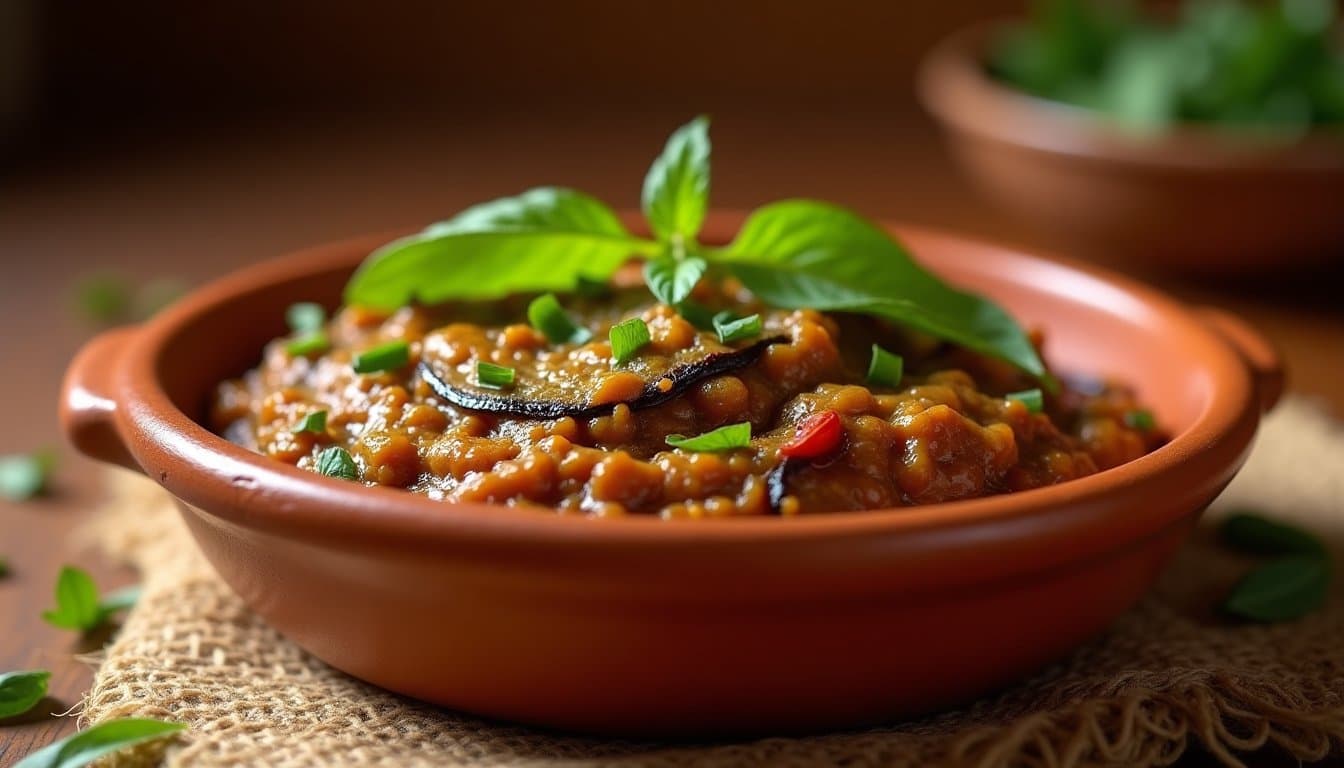
Kashk-e Bademjan Roasted Eggplant Dip with Ramp Oil and Wok-Charred Walnuts
Persian kashk-e bademjan's feral spring cousin. Smoky roasted eggplant and tangy fermented whey get ambushed by a neon-green ramp oil and walnuts dry-toasted in a screaming-hot wok until they're borderline burnt and magnificent. The ramps bring a garlicky sharpness that makes the funky kashk taste even more ancient, while the wok char on the walnuts cuts straight through the eggplant's natural sweetness.
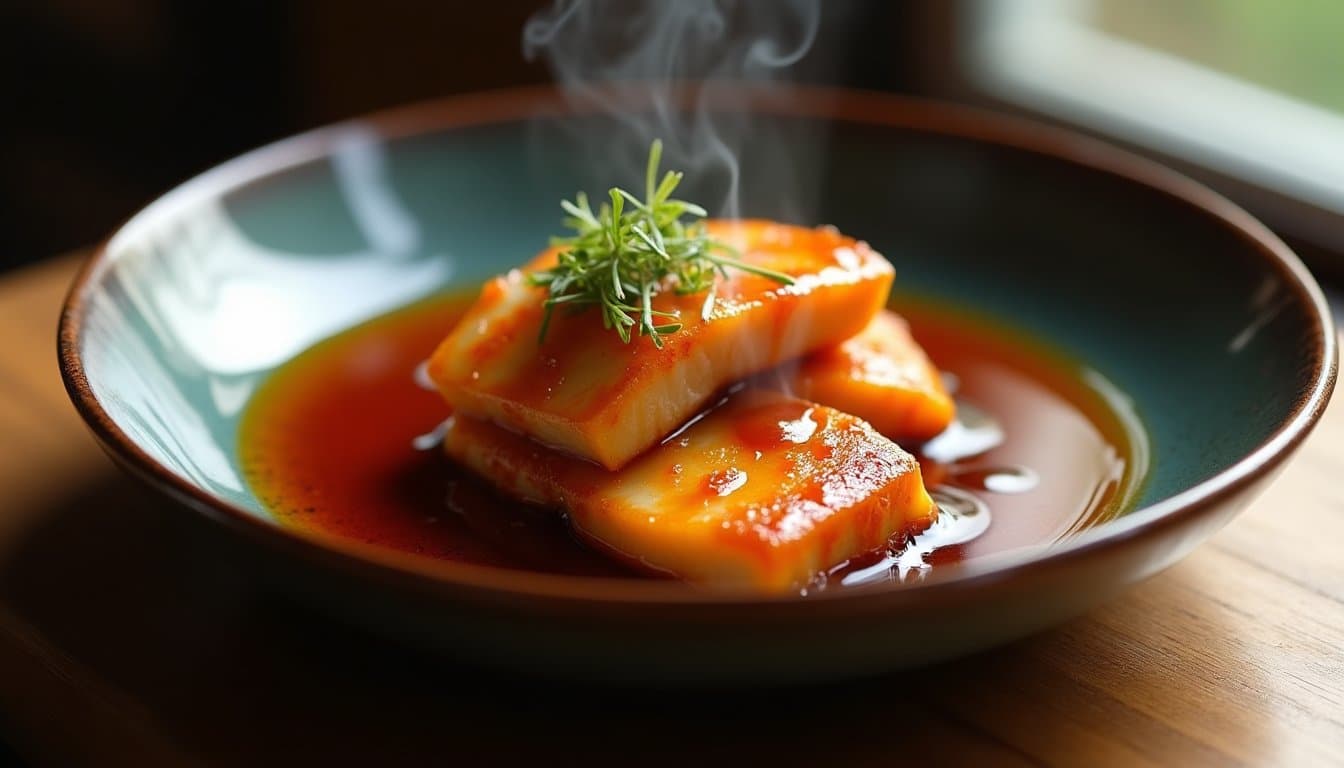
Caramelized Fish Sauce & Tamarind Glaze with Wild Garlic and Ramps
Fish sauce, cooked down until it turns syrupy and almost jammy, smells like a dare and tastes like a revelation. This Vietnamese-inspired glaze pushes that caramelized funk into genuinely strange territory by pulling in tamarind's fruity acid and wild garlic and ramps, two alliums that go feral when they hit warm oil. The result is something that belongs on grilled meat, noodles, or a spoon held over the sink at midnight.
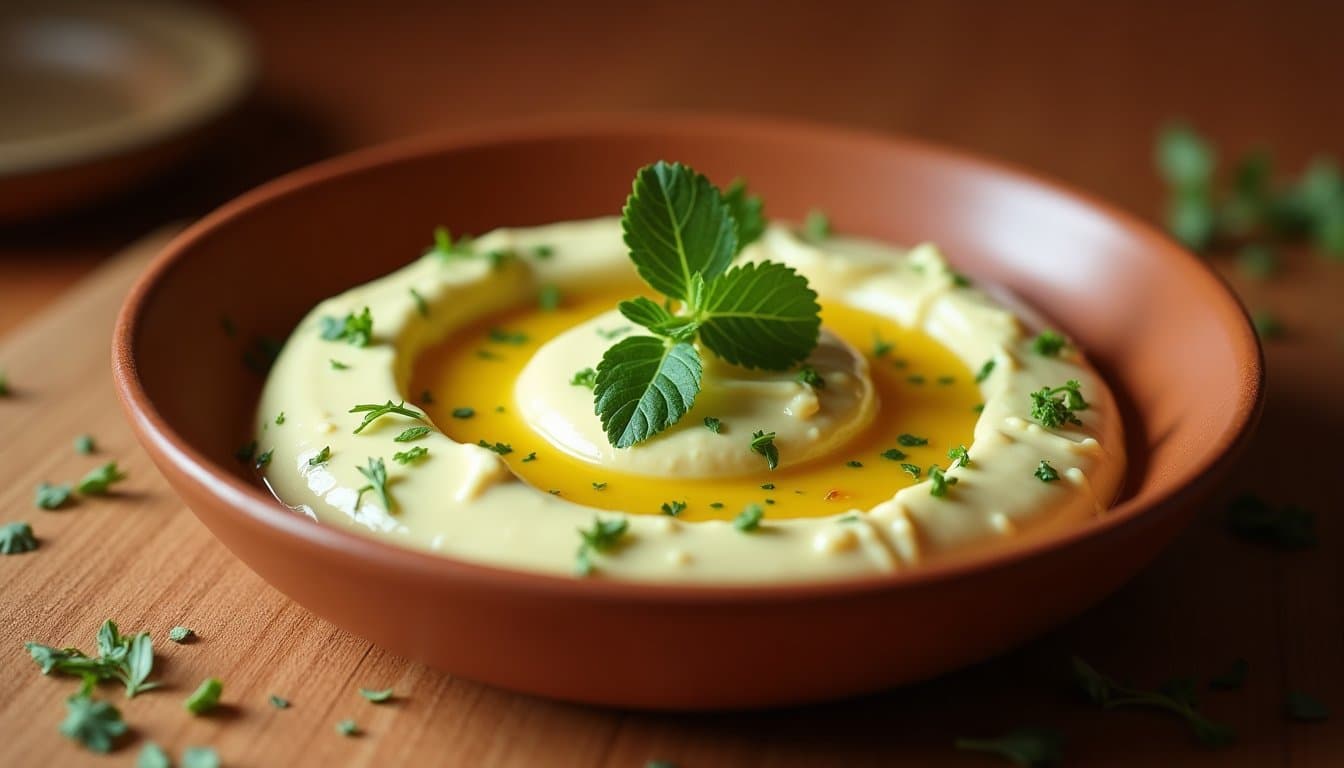
Sous-Vide Wild Garlic Aioli with Preserved Lemon and Smoked Paprika
Wild garlic has a window of maybe six weeks a year, and this sauce is the best argument for using every bit of it. A sous-vide oil infusion pulls out the fat-soluble aromatics before they vanish, then the whole thing gets shaken up with preserved lemon brine and smoked paprika in a move borrowed loosely from Argentine chimichurri. The result is simultaneously ancient and a little alien, and it's the most intensely garlicky aioli you'll make without shedding a tear.
Get the free flavor science guide.
5 rules that explain why unusual combinations work — plus new recipes every week.
You can unsubscribe anytime. No spam, ever. Or just read the guide.