This post contains affiliate links. We may earn a small commission at no extra cost to you. Learn more
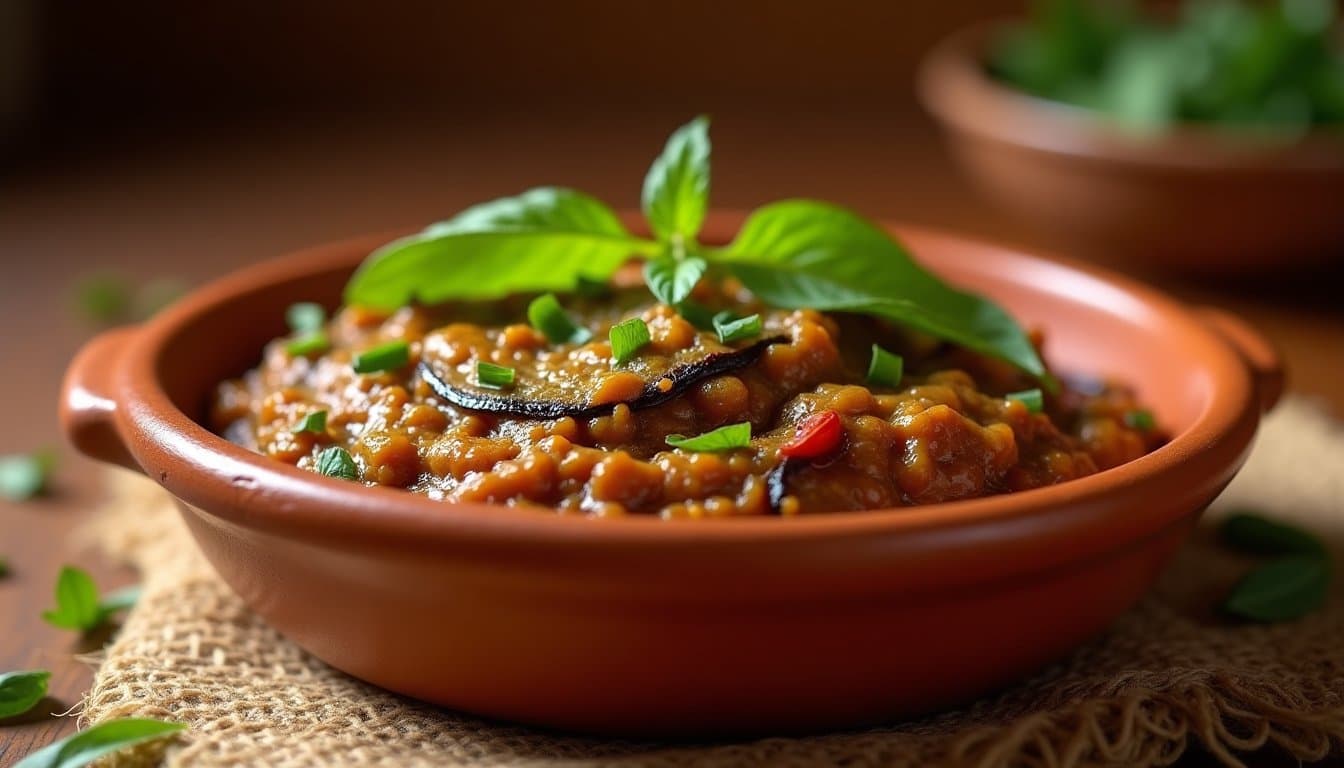
Kashk-e Bademjan Roasted Eggplant Dip with Ramp Oil and Wok-Charred Walnuts
what's this?
Strangeness scale
- 1 — Slightly odd
- 2 — Raises eyebrows
- 3 — Genuinely strange
- 4 — Deeply weird
- 5 — Unhinged
- Cook
- 45m
- Total
- 1h 10m
- Difficulty
- Medium
- Serves
- 6
- Origin
- Persian
Persian kashk-e bademjan's feral spring cousin. Smoky roasted eggplant and tangy fermented whey get ambushed by a neon-green ramp oil and walnuts dry-toasted in a screaming-hot wok until they're borderline burnt and magnificent. The ramps bring a garlicky sharpness that makes the funky kashk taste even more ancient, while the wok char on the walnuts cuts straight through the eggplant's natural sweetness.
Equipment
Why It Actually Works
Kashk is a product of lactic acid bacteria fermentation, putting it close to aged cheese in acidity and glutamate content. Those glutamates amplify the eggplant's own umami without flattening the sweetness of the roasted flesh. Blanching ramp leaves before blending kills the harsh raw bite while locking in chlorophyll, and infusing them into oil fat-solubilizes the allicin and sulfur aromatics so they coat your palate differently than any water-based garnish would. The wok's extreme dry heat drives the Maillard reaction and pyrolysis simultaneously in the walnuts, producing bitter melanoidins and roasted furans that counterbalance the dairy tang of the kashk.
Learn the flavor science rules behind recipes like this →Ingredients
- 2 large globe eggplants (about 1 kg total), halved lengthwise
- 120 ml kashk (Persian fermented whey), plus extra for drizzling
- 100 g raw walnut halves
- 1 large bunch ramps (wild garlic, about 80g), roots trimmed and washed
- 80 ml neutral oil (grapeseed or sunflower), divided
- 1 large yellow onion, thinly sliced
- 4 cloves garlic, minced
- 2 tablespoons dried mint, crumbled
- 1 teaspoon ground turmeric
- 1/2 teaspoon ground cumin
- 1/4 teaspoon Aleppo pepper (or mild chili flakes)
- 1 teaspoon kosher salt, plus more to taste
- 1/2 teaspoon freshly ground black pepper
- 1 tablespoon fresh lemon juice
- 1 teaspoon dried barberries (zereshk), for garnish, optional
- Warm flatbread or crudités, for serving
Instructions
1. CHAR THE EGGPLANT: Preheat your broiler to high and position a rack 15 cm from the element. Place eggplant halves cut-side down on a foil-lined baking sheet. Broil for 20-25 minutes, flipping once halfway, until the skin is collapsed and blackened in spots and the flesh is completely tender and collapsing. Alternatively, char directly over a gas flame for a deeper smoke hit. Set aside to cool, then scoop flesh from skins, discarding skins. Roughly chop and place in a colander over a bowl for 10 minutes to drain excess liquid. Watery dip is sad dip, and this step is not optional.
2. WOK-CHAR THE WALNUTS: Heat a dry wok over the highest flame your stove will produce. When it begins to smoke, add the walnut halves in a single layer. Toss constantly with a wooden spatula for 3-4 minutes until the walnuts are deeply golden, fragrant, and have dark spots. You want them past toasted and flirting with burnt. Remove immediately to a plate. Roughly chop half of them and leave the rest whole for garnish. The wok's intense dry heat develops bitter, roasted melanoidins that will anchor the whole dish.
3. MAKE THE RAMP OIL: Blanch the ramp leaves, not the bulbs, in boiling salted water for 20 seconds, then immediately plunge into an ice bath. Squeeze dry thoroughly. Combine blanched ramp leaves with 60 ml of the neutral oil in a blender and blitz on high for 90 seconds until completely smooth and neon green. Strain through a fine mesh sieve, pressing gently. Don't force it or the oil will turn muddy. Set the vivid green ramp oil aside and reserve the ramp bulbs.
4. CARAMELIZE ONIONS AND BLOOM SPICES: Add the remaining 20 ml oil to the now-empty wok over medium-high heat. Add sliced onion and reserved ramp bulbs and cook, stirring occasionally, for 12-15 minutes until deeply golden and beginning to caramelize. The wok's high sides and residual char add subtle smokiness to the onion. Add minced garlic, turmeric, and cumin; stir-fry for 90 seconds until fragrant. Add dried mint and stir for 30 more seconds. It will darken and intensify. Remove half the onion mixture and reserve for garnish.
5. BUILD THE DIP: Add the drained eggplant flesh to the wok with the remaining onion mixture. Stir-fry over medium heat for 3-4 minutes, mashing and folding the eggplant with a spatula until it forms a rough, textured paste. You want personality, not baby food. Remove from heat. Stir in the kashk, chopped wok-charred walnuts, lemon juice, salt, and black pepper. Taste aggressively and adjust: more kashk for tang, more lemon for brightness, more salt for depth.
6. PLATE WITH INTENTION: Spread the warm dip onto a wide, shallow bowl or plate using the back of a spoon to create swoops and valleys. The valleys will hold your garnishes. Drizzle generously with ramp oil, letting it pool in the dips. Spoon the reserved caramelized onion mixture over the top. Scatter whole wok-charred walnuts, a heavy pinch of crumbled dried mint, Aleppo pepper, and barberries if using. Add a final drizzle of kashk directly from the container in thin ribbons.
7. SERVE: This dip is best warm or at room temperature. Cold kashk gets gluey and loses its funk. Serve immediately with warm flatbread or seasonal crudités. The ramp oil will separate slightly as it sits, which is beautiful, not a flaw.
Nutrition (estimated per serving)
- Calories
- 285
- Fat
- 22g
- Carbs
- 16g
- Protein
- 7g
- Fiber
- 5g
- Sodium
- 420mg
Variations
- Replace 2 tablespoons of kashk with an equal amount of white shiro miso. Both are fermented, tangy, and glutamate-rich, and the miso deepens the savory base without announcing itself. Use this only if you can't find kashk and want to stay weird.
- When ramps are out of season, substitute the ramp oil with a chive and green garlic oil using the same blanch-and-blend method, or drizzle with a Persian-style saffron butter for a more traditional result that still gets the wok-toasted walnut treatment.
- Chill the finished dip, thin it slightly with a tablespoon of cold water, and fold in torn fresh mint and flat-leaf parsley. Serve alongside pickled vegetables. The fermented kashk and the pickles build a layered acidity that's genuinely hard to stop eating.
Storage & Make-Ahead
The dip itself keeps well in the fridge for up to 4 days in a sealed container, and the flavors actually improve after a night of rest as the kashk and dried mint meld into the eggplant. Store the ramp oil and wok-charred walnuts separately, the oil in a small jar and the walnuts in a dry container at room temperature, since both will lose their character if buried in the dip overnight. You can broil and drain the eggplant up to 2 days ahead, then finish the onion and garlic step and fold in the kashk the day you plan to serve it. The dip freezes passably for up to 6 weeks, though the texture turns a little waterier on thawing, so drain off any liquid and stir in a fresh spoonful of kashk before serving.
Reader Tips
No tips yet — be the first!
5 avg · 1 rating
More Strange Recipes
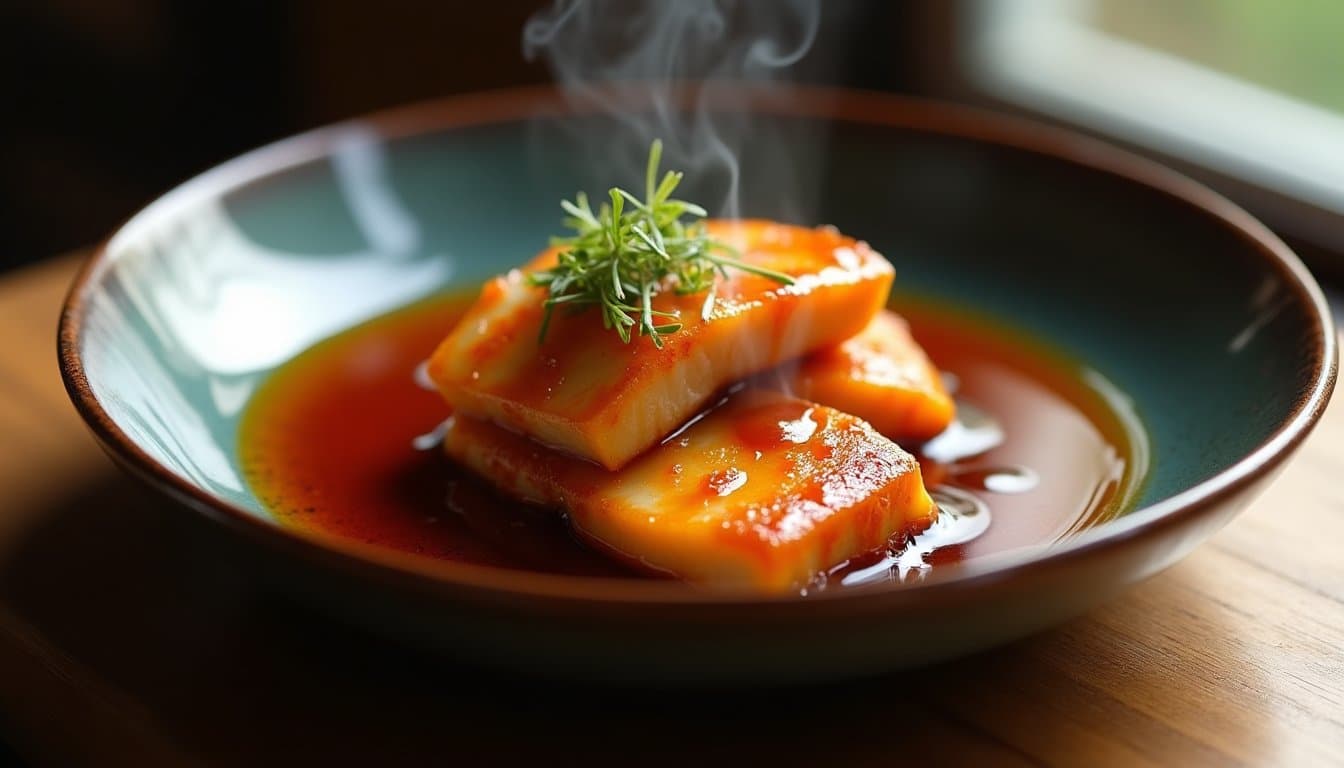
Caramelized Fish Sauce & Tamarind Glaze with Wild Garlic and Ramps
Fish sauce, cooked down until it turns syrupy and almost jammy, smells like a dare and tastes like a revelation. This Vietnamese-inspired glaze pushes that caramelized funk into genuinely strange territory by pulling in tamarind's fruity acid and wild garlic and ramps, two alliums that go feral when they hit warm oil. The result is something that belongs on grilled meat, noodles, or a spoon held over the sink at midnight.
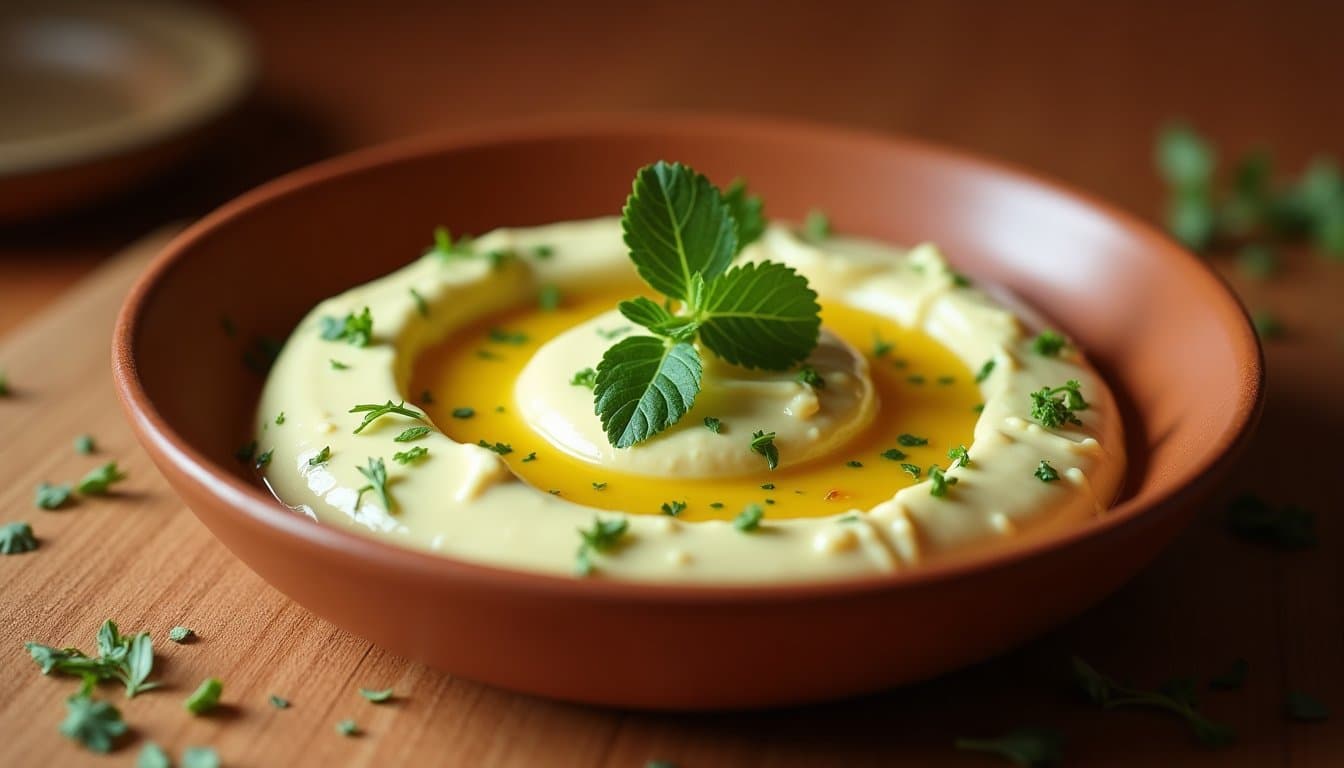
Sous-Vide Wild Garlic Aioli with Preserved Lemon and Smoked Paprika
Wild garlic has a window of maybe six weeks a year, and this sauce is the best argument for using every bit of it. A sous-vide oil infusion pulls out the fat-soluble aromatics before they vanish, then the whole thing gets shaken up with preserved lemon brine and smoked paprika in a move borrowed loosely from Argentine chimichurri. The result is simultaneously ancient and a little alien, and it's the most intensely garlicky aioli you'll make without shedding a tear.
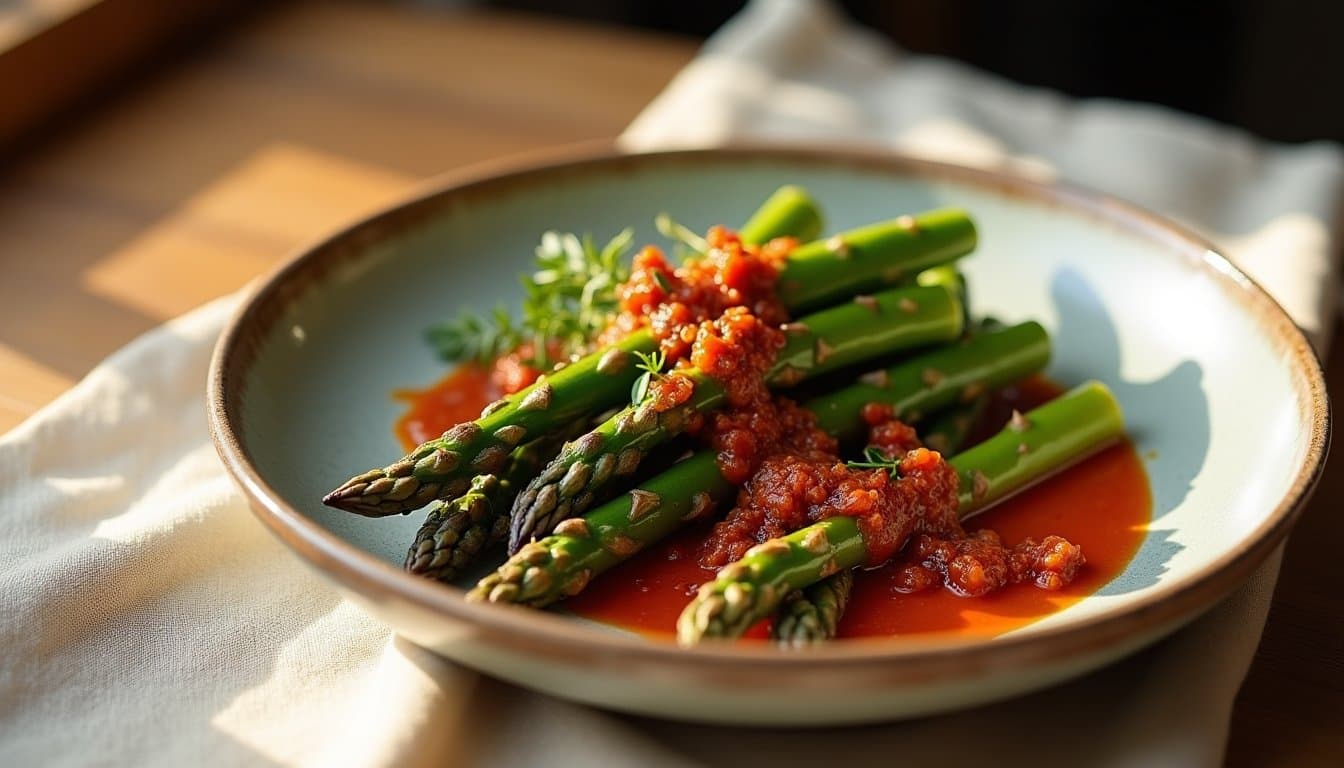
Charred Asparagus Harissa Hot Sauce with Smoked Preserved Lemon
Smoke asparagus until it's borderline aggressive, smash it into a Moroccan harissa base loaded with preserved lemon funk, and you get a spring fire sauce strange enough to make your tagine nervous. The grassy bitterness of charred asparagus cuts through harissa's heat while preserved lemon ties the whole volatile situation together with fermented, citrusy silk. It shouldn't work this well. It does.
Get the free flavor science guide.
5 rules that explain why unusual combinations work — plus new recipes every week.
You can unsubscribe anytime. No spam, ever. Or just read the guide.