This post contains affiliate links. We may earn a small commission at no extra cost to you. Learn more
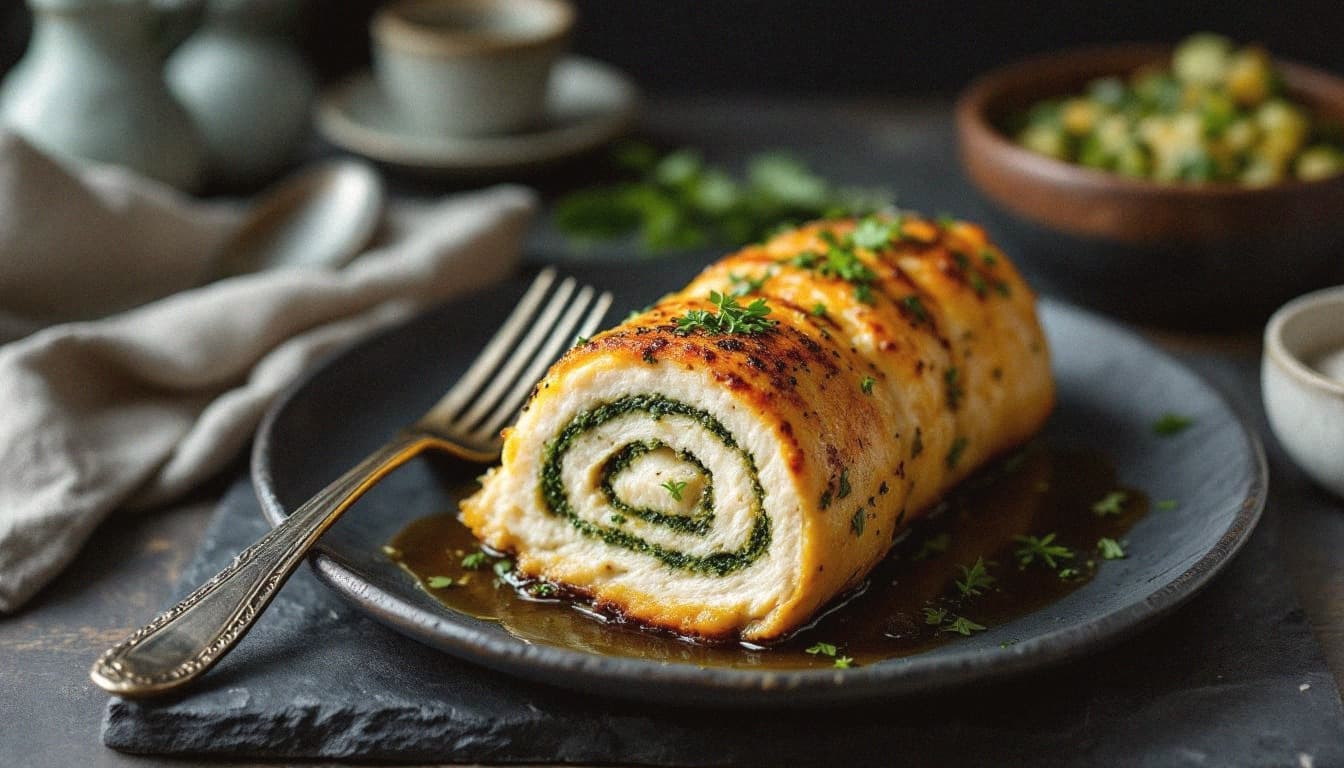
Ramp Gremolata Chicken Roulade with Morel Cream and Asparagus
what's this?
Strangeness scale
- 1 — Slightly odd
- 2 — Raises eyebrows
- 3 — Genuinely strange
- 4 — Deeply weird
- 5 — Unhinged
- Cook
- 35m
- Total
- 1h 20m
- Difficulty
- Hard
- Serves
- 4
- Origin
- French
Wild ramps replace the parsley in a classic French gremolata, and that one swap pulls the whole dish sideways in the best way, bringing sulfurous allium funk where you'd normally get clean herbal brightness. The ramp gremolata finishes a butter-basted chicken roulade stuffed with blanched asparagus, served over a morel sherry cream sauce that somehow makes grassy, garlicky, and earthy all agree with each other. Every element here is classically French, which is what makes your dinner guests quietly Google what they just ate.
Equipment
Why It Actually Works
Ramps contain both thiosulfinates, the sharp allium compounds found in garlic and onions, and chlorophyll-rich green leaf tissue, so they deliver simultaneous grassy brightness and sulfurous depth that flat-leaf parsley alone simply can't pull off in a traditional gremolata. Morels are structurally honeycombed, which massively increases their surface area for Maillard browning and means their soaking liquid concentrates glutamates far more efficiently than smooth mushrooms, giving the sauce restaurant-level depth without a six-hour stock. The white wine vinegar finish is classic French acid-balancing technique: fat-soluble flavor compounds in cream bind aroma molecules that would otherwise volatilize on the palate, and a small acid hit cleaves that bond just enough to make every bite taste cleaner and more defined.
Learn the flavor science rules behind recipes like this →Ingredients
- 4 large boneless, skinless chicken breasts, butterflied and pounded to 1/4-inch thickness
- 16 spears asparagus, woody ends snapped, blanched 90 seconds and shocked in ice water
- 2 tablespoons unsalted butter, softened
- 1 teaspoon lemon zest
- 1 teaspoon kosher salt, divided
- 1/2 teaspoon freshly ground black pepper, divided
- 8 slices prosciutto di Parma, thin
- 2 tablespoons neutral oil (such as grapeseed), for searing
- 1 ounce dried morel mushrooms, rehydrated in 1 cup warm water 20 minutes, liquid reserved and strained
- 4 ounces fresh morel mushrooms, halved lengthwise and brushed clean
- 2 tablespoons unsalted butter, for sauce
- 2 shallots, finely minced
- 2 cloves garlic, minced
- 1/4 cup dry sherry
- 1/2 cup reserved morel soaking liquid, strained through cheesecloth
- 1 cup heavy cream
- 1 teaspoon fresh thyme leaves
- 1 teaspoon white wine vinegar
- 1/2 teaspoon kosher salt
- 12 ramp leaves (wild leek leaves), finely chiffonaded
- 4 ramp bulbs, minced
- 2 tablespoons flat-leaf parsley, finely chopped
- 1 tablespoon lemon zest (from 1 large lemon)
- 1 small clove garlic, microplaned
- 1/4 teaspoon flaky sea salt (such as Maldon), for gremolata
- 1 tablespoon extra-virgin olive oil, for gremolata
Instructions
1. Preheat your oven to 400°F (205°C) with a rack in the center. Line a rimmed baking sheet with a wire rack.
2. Rehydrate dried morels: place them in a small bowl with 1 cup warm (not boiling) water and let soak 20 minutes. Lift morels out gently, squeeze excess liquid back into the bowl, and set both aside. Strain the soaking liquid through a cheesecloth-lined sieve to remove grit — this liquid is liquid gold.
3. Make the ramp gremolata: combine chiffonaded ramp leaves, minced ramp bulbs, parsley, lemon zest, microplaned garlic, flaky salt, and olive oil in a small bowl. Stir to combine. Taste — it should be bright, funky, and aggressively allium-forward. Cover and refrigerate until plating.
4. Assemble the roulades: lay each pounded chicken breast flat. Spread a thin layer of softened butter over the surface, season with salt and pepper. Lay 2 slices of prosciutto over each breast, leaving a 1/2-inch border. Place 4 asparagus spears across the lower third of each breast, tips pointing toward one side. Roll tightly away from you, tucking in the sides as you go, to form a compact cylinder. Tie with butcher's twine at 1-inch intervals.
5. Sear the roulades: heat a large oven-safe skillet over medium-high heat. Add neutral oil and heat until shimmering. Season the exterior of each roulade with remaining salt and pepper. Sear on all sides until golden brown, about 2 minutes per side (approximately 8 minutes total). Transfer roulades to the wire rack-lined baking sheet.
6. Roast: transfer the baking sheet to the oven and roast until an instant-read thermometer inserted into the center of the thickest roulade reads 160°F (71°C), approximately 18–22 minutes. Remove from oven, tent loosely with foil, and rest 8 minutes before slicing — carryover cooking will bring it to 165°F.
7. While the chicken roasts, make the morel cream sauce: in the same skillet used for searing (do not wipe it out — those fond bits are flavor), melt 2 tablespoons butter over medium heat. Add shallots and cook until translucent and soft, about 3 minutes. Add garlic and cook 30 seconds until fragrant.
8. Add both the rehydrated morels and fresh morels to the skillet. Cook, stirring occasionally, until fresh morels are tender and beginning to caramelize at the edges, about 4 minutes.
9. Deglaze with dry sherry, scraping up all fond from the pan bottom. Let the sherry reduce by half, about 2 minutes.
10. Pour in the strained morel soaking liquid. Increase heat to medium-high and reduce by half again, about 3 minutes. The sauce will deepen to a rich mahogany color.
11. Add heavy cream and thyme. Reduce heat to medium and simmer, stirring occasionally, until the sauce coats the back of a spoon, about 5–7 minutes. Finish with white wine vinegar and salt. Taste and adjust — the vinegar lifts the entire sauce and keeps the cream from feeling heavy.
12. Slice and plate: remove twine from roulades. Using a sharp slicing knife, cut each roulade into 3 or 4 medallions on a slight bias to reveal the asparagus cross-section. Pool a generous spoonful of morel cream sauce onto each warmed plate, arrange roulade medallions cut-side up, and finish with a generous spoonful of ramp gremolata scattered directly over the chicken. Serve immediately.
Nutrition (estimated per serving)
- Calories
- 720
- Fat
- 48g
- Carbs
- 11g
- Protein
- 58g
- Fiber
- 3g
- Sodium
- 1380mg
Variations
- Vegetarian riff: replace the chicken with large portobello caps pounded flat between parchment, stuff with roasted asparagus and herbed ricotta, roll in collard green leaves instead of prosciutto, and roast at the same temperature. The morel cream and ramp gremolata translate without any adjustment.
- Truffle upgrade: work 1 teaspoon of black truffle paste into the softened butter spread inside the roulade before rolling, then shave fresh black truffle over the finished plate alongside the gremolata.
- Lighter summer version: swap the heavy cream sauce for a morel-sherry beurre blanc by reducing sherry and morel soaking liquid together, then whisking in cold butter cubes off the heat. Serve the roulades at room temperature over shaved raw asparagus dressed with ramp gremolata thinned with a splash of extra olive oil.
Storage & Make-Ahead
The assembled roulades can be rolled, wrapped tightly in plastic wrap, and refrigerated up to 24 hours before searing, which actually helps them hold their shape in the pan. Store the morel cream sauce separately in a sealed container for up to 3 days and reheat it gently over low heat, whisking in a splash of cream if it tightens up. Make the ramp gremolata the day you're serving it, since the ramp leaves oxidize and lose their brightness within a few hours. The cooked roulades reheat well, sliced and covered loosely with foil in a 325°F oven for about 12 minutes, but don't freeze this dish, as the cream sauce will break and the asparagus will turn waterlogged.
Reader Tips
No tips yet — be the first!
More Strange Recipes
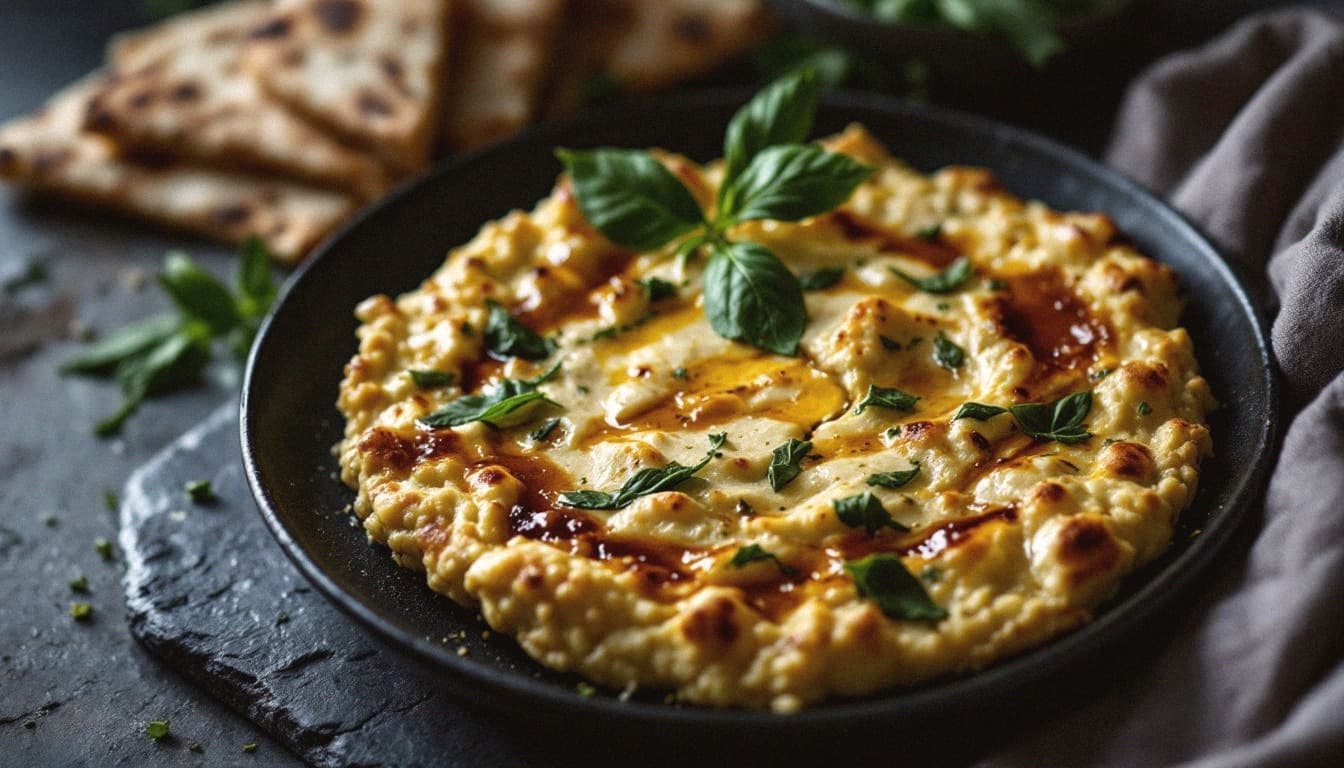
Wild Garlic Fatteh with Spring Peas and Pomegranate Molasses
Fatteh without yogurt sounds like a mistake, but wild garlic sauce and pomegranate molasses together do exactly what yogurt does: cut the richness of chickpeas with acid and funk. The wild garlic loses its raw, almost aggressive bite when it hits warm broth, settling into something foresty and complex that no restaurant version of this dish has ever tasted like. Make it while wild garlic is actually in season, because ramps or dried garlic won't get you there.
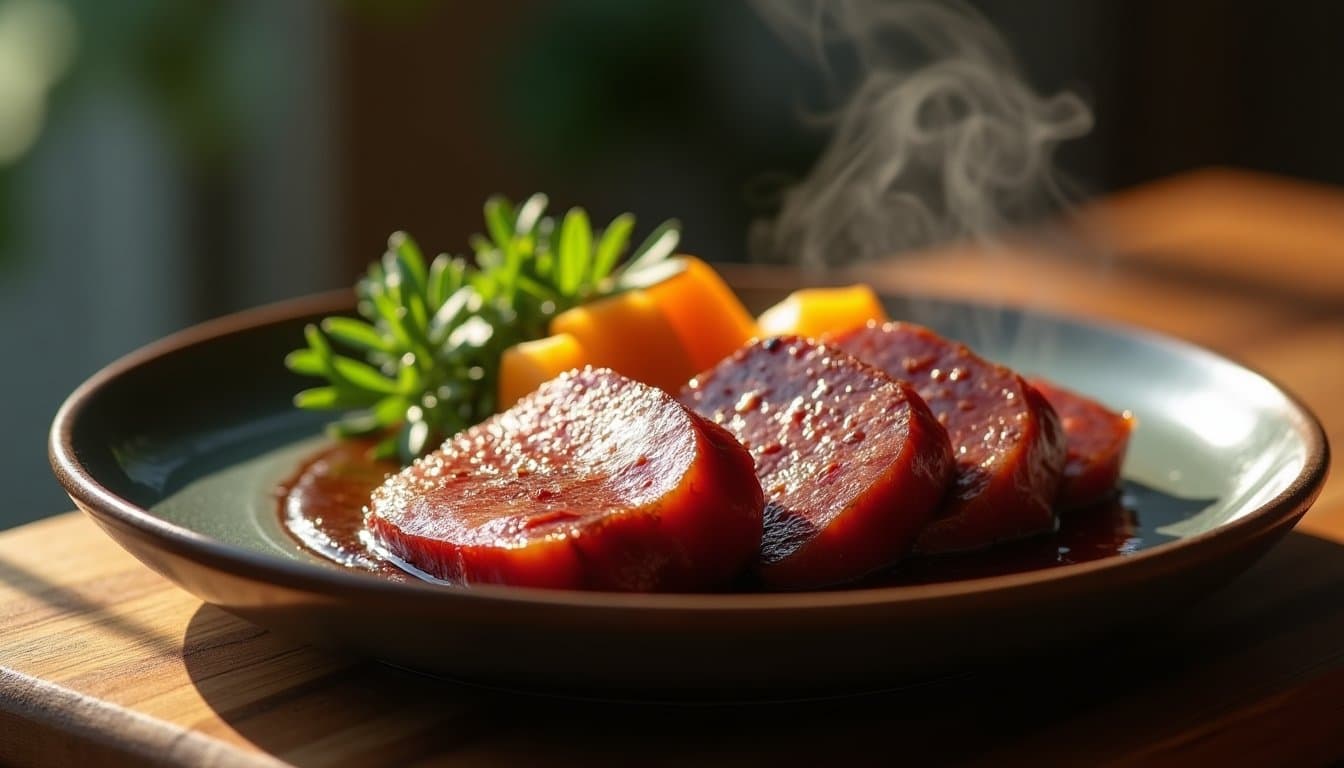
Cold-Smoked Duck Breast with Rhubarb-Ramp Gastrique and Spring Pea Purée
Duck breast gets cold-smoked over juniper and birch, seared to a lacquered crisp, then laid over sweet spring pea purée with a glossy rhubarb-ramp gastrique that is equal parts savage and elegant. Rhubarb's oxalic tartness cuts clean through the duck's subcutaneous fat, while wild ramps bring a sulfurous, garlicky funk that somehow tastes like the forest floor decided to dress for dinner. Nordic spring on a plate: fleeting, feral, and worth every step.
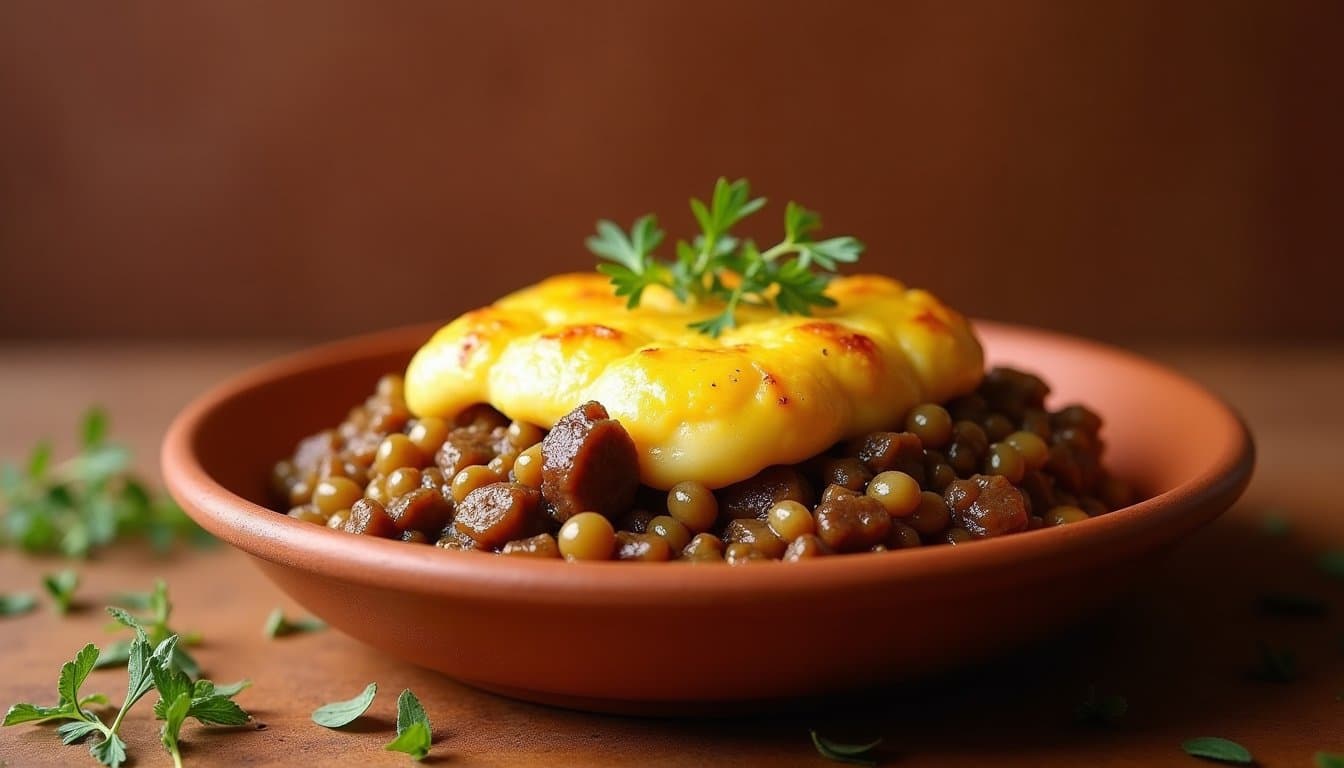
Wild Garlic Lamb Keema Shepherd's Pie with Ramp Mash and Pickled Pea Topping
A British pub kitchen meets a Mumbai dhaba, and neither one blinks. Spiced lamb keema loaded with wild garlic replaces the usual mince filling, a ramp-infused mash crowns the top, and bright pickled peas cut through the richness like a vinegar slap. Comfort food with a passport and a mild identity crisis — exactly how we like it.
Get the free flavor science guide.
5 rules that explain why unusual combinations work — plus new recipes every week.
You can unsubscribe anytime. No spam, ever. Or just read the guide.