This post contains affiliate links. We may earn a small commission at no extra cost to you. Learn more
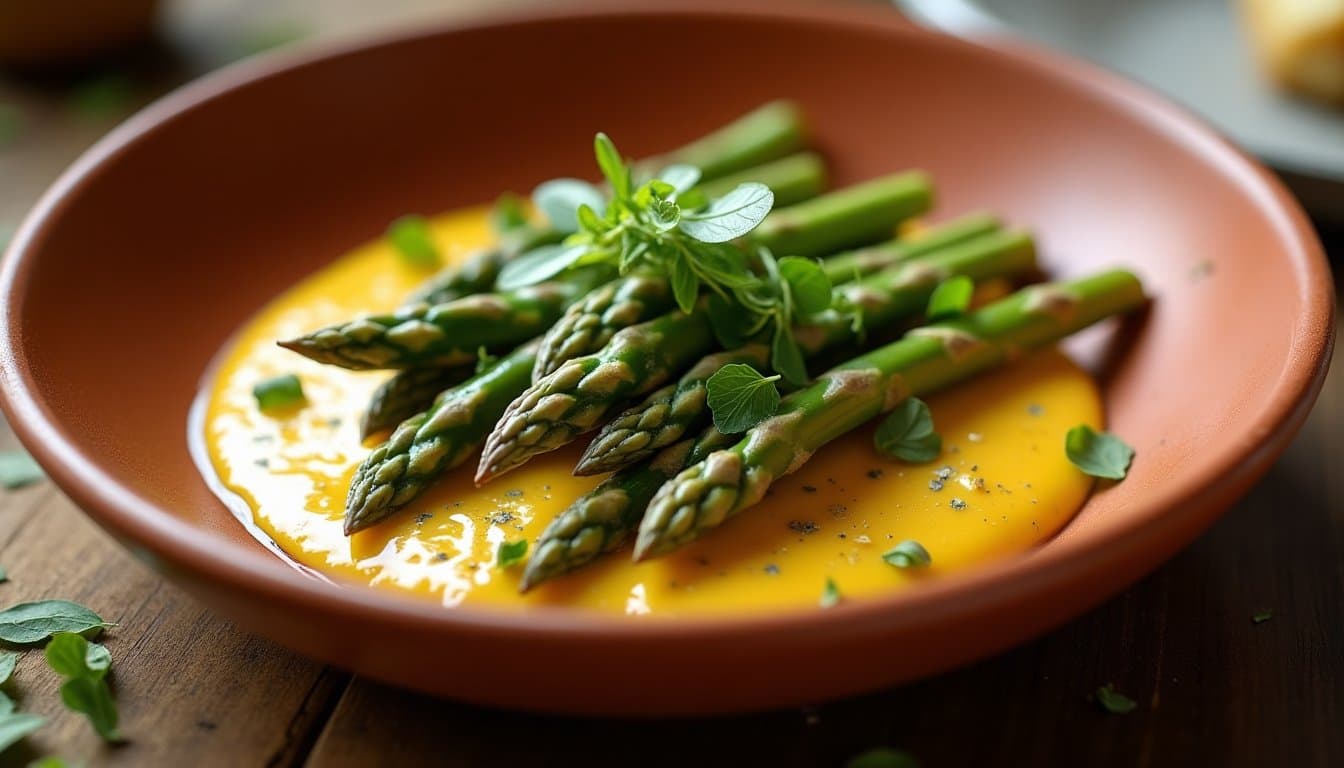
Asparagus-Sherry Vinegar Beurre Blanc with Poached Morel Mushrooms
what's this?
Strangeness scale
- 1 — Slightly odd
- 2 — Raises eyebrows
- 3 — Genuinely strange
- 4 — Deeply weird
- 5 — Unhinged
- Cook
- 35m
- Total
- 55m
- Difficulty
- Medium
- Serves
- 4
- Origin
- Spanish
French beurre blanc gets a Spanish makeover when nutty sherry vinegar replaces white wine vinegar and an asparagus reduction sneaks in as the poaching base. Earthy, honeycomb-textured morel mushrooms poach directly in the sauce, soaking up butter and acid while releasing their own woodsy glutamates back into the emulsion. The result is a spring sauce that tastes like Andalusia stumbled into a Loire Valley kitchen and nobody called the authorities.
Equipment
Why It Actually Works
Sherry vinegar's higher acidity and oxidative, nutty notes from solera aging give the beurre blanc emulsion a longer, more layered finish than standard white wine vinegar would, without drowning the butter. Asparagus contains asparagusic acid and a suite of sulfur compounds that, when reduced into a concentrated stock, create a savory, slightly sweet base that bridges the vegetal and the umami-rich morels — both share pyrazine aroma compounds that make them smell and taste like they belong together. Poaching the morels in the acidic reduction rather than sautéing them keeps their delicate honeycomb structure intact while leaching glutamates into the liquid, effectively turning the poaching base into a mushroom-enriched demi that makes the finished beurre blanc taste far more complex than its short ingredient list suggests.
Learn the flavor science rules behind recipes like this →Ingredients
- 450 g fresh asparagus, woody ends snapped off and reserved, tips cut into 4 cm pieces
- 80 ml sherry vinegar (Vinagre de Jerez Reserva preferred), divided
- 60 ml dry fino sherry
- 2 medium shallots, finely minced
- 1 clove garlic, smashed and peeled
- 150 g fresh morel mushrooms, halved lengthwise and gently brushed clean
- 225 g cold unsalted butter, cut into 1 cm cubes
- 1 tsp kosher salt, plus more to taste
- 0.5 tsp white pepper, freshly ground
- 1 tsp fresh tarragon leaves, finely chopped
- 1 tbsp fresh flat-leaf parsley, finely chopped
- 0.5 tsp smoked sweet pimentón (Spanish smoked paprika)
- 200 ml cold water, for asparagus stock
Instructions
1. Make the asparagus stock: Place the snapped-off woody asparagus ends in a small saucepan with 200 ml cold water, a pinch of salt, and the smashed garlic clove. Bring to a gentle simmer over medium heat and cook uncovered for 15 minutes until the liquid reduces by half and tastes intensely grassy-sweet. Strain through a fine-mesh sieve, pressing the solids firmly; discard solids. You should have roughly 80–100 ml of concentrated asparagus stock. Set aside.
2. Build the sherry reduction: In a wide, heavy-bottomed saucepan (stainless or enameled — avoid reactive aluminum), combine the minced shallots, 60 ml of the sherry vinegar, and the fino sherry. Bring to a brisk simmer over medium heat and reduce until only about 2 tablespoons of syrupy liquid remain and the shallots look jammy, about 6–8 minutes. Do not let it scorch.
3. Add the asparagus stock: Pour the warm asparagus stock into the sherry reduction. Stir to combine and return to a gentle simmer over medium-low heat. Let the combined liquid reduce by one-third, about 3–4 minutes, until it smells like a Spanish spring garden. Season lightly with a pinch of salt and the white pepper.
4. Poach the morels: Reduce heat to the lowest setting. Add the cleaned morel mushrooms to the warm asparagus-sherry base. Poach gently — the liquid should barely shiver, never boil — for 4–5 minutes, turning the morels once with a spoon, until they are just tender and have released a small amount of dark, earthy liquid into the base. Remove the morels with a slotted spoon and set aside on a warm plate. Do not discard the now-enriched poaching liquid.
5. Mount the beurre blanc: Keep the pan on the lowest possible heat (or use a heat diffuser). Begin whisking in the cold butter cubes one or two at a time, waiting for each addition to be fully incorporated before adding more. The sauce will turn opaque, creamy, and pale golden. Work steadily — if the sauce looks greasy or breaks, immediately remove from heat and whisk in one more cold butter cube off the heat to re-emulsify. The finished sauce should coat the back of a spoon.
6. Finish and season: Stir in the remaining 20 ml of sherry vinegar (this brightens the sauce and reinforces the Spanish character — taste as you go and adjust). Add the pimentón, tarragon, and parsley. Fold the poached morels back into the sauce along with the reserved asparagus tips. Let the tips warm through in the sauce for 1–2 minutes; they should remain slightly crisp.
7. Serve immediately: Spoon over grilled white fish, pan-seared chicken breast, poached eggs on toast, or steamed new potatoes. The sauce does not hold well — beurre blanc is a live wire. If you must wait, keep it in a warm bain-marie and whisk before serving.
Nutrition (estimated per serving)
- Calories
- 478
- Fat
- 45g
- Carbs
- 9g
- Protein
- 4g
- Fiber
- 3g
- Sodium
- 620mg
Variations
- Bloom a small pinch of saffron threads in the fino sherry before reducing — it dyes the sauce amber-gold and adds a floral, medicinal note that doubles down on the Spanish angle.
- Rehydrate 30 g dried morels in warm water for 20 minutes, then use the strained soaking liquid in place of part of the asparagus stock for a deeper umami backbone.
- Mount cold-pressed Spanish olive oil using the same gradual whisking technique in place of butter — you get a loose, broken-style warm vinaigrette rather than a true emulsion, which is funkier and lighter and surprisingly convincing over grilled vegetables.
Storage & Make-Ahead
Beurre blanc is notoriously fussy about holding, so plan to serve it within 20 minutes of finishing. If you need a head start, make the asparagus stock and sherry-shallot reduction up to two days ahead and refrigerate them separately in small jars; from there, the final butter-mounting takes only about 8 minutes. The poached morels can be stored in their poaching liquid in the fridge for up to 24 hours and gently rewarmed in a small saucepan over low heat before plating. Don't try to freeze any component here, as the emulsified butter will break and the morels turn waterlogged.
Reader Tips
No tips yet — be the first!
More Strange Recipes
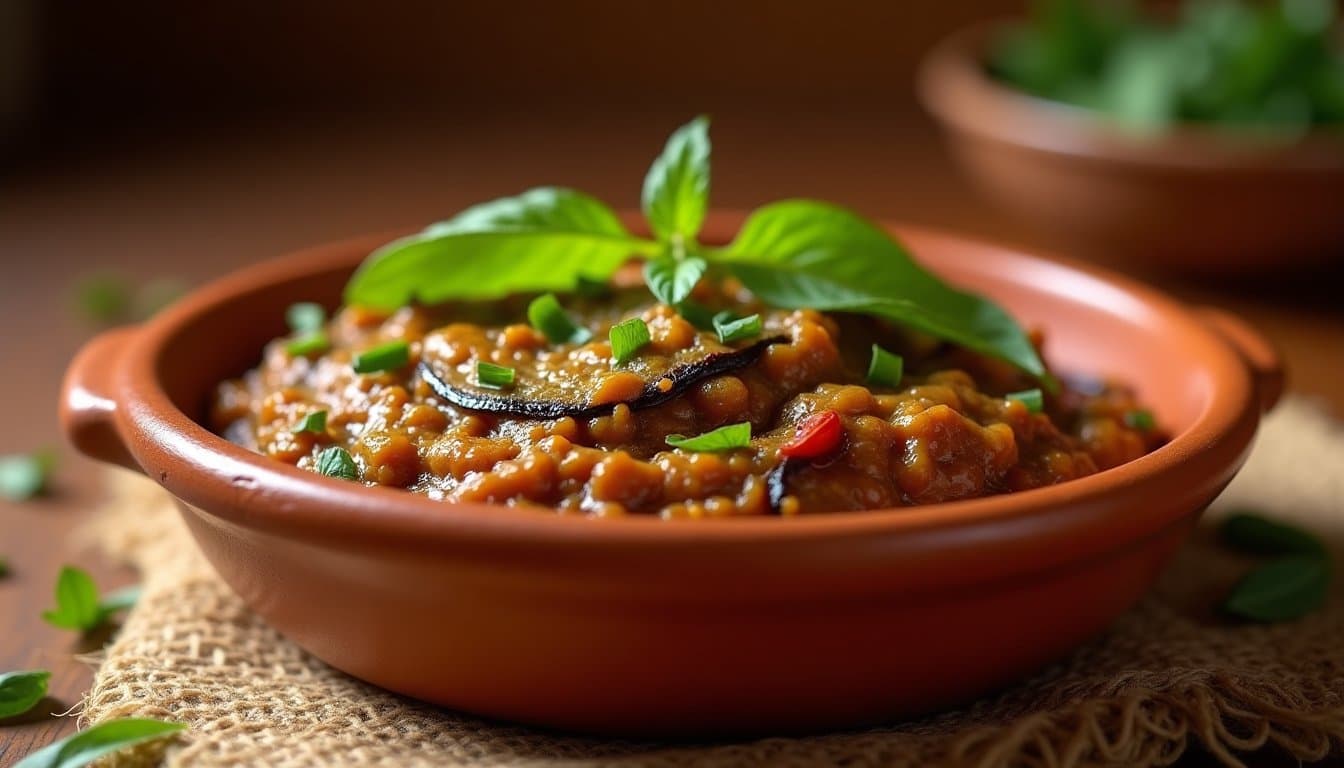
Kashk-e Bademjan Roasted Eggplant Dip with Ramp Oil and Wok-Charred Walnuts
Persian kashk-e bademjan's feral spring cousin. Smoky roasted eggplant and tangy fermented whey get ambushed by a neon-green ramp oil and walnuts dry-toasted in a screaming-hot wok until they're borderline burnt and magnificent. The ramps bring a garlicky sharpness that makes the funky kashk taste even more ancient, while the wok char on the walnuts cuts straight through the eggplant's natural sweetness.
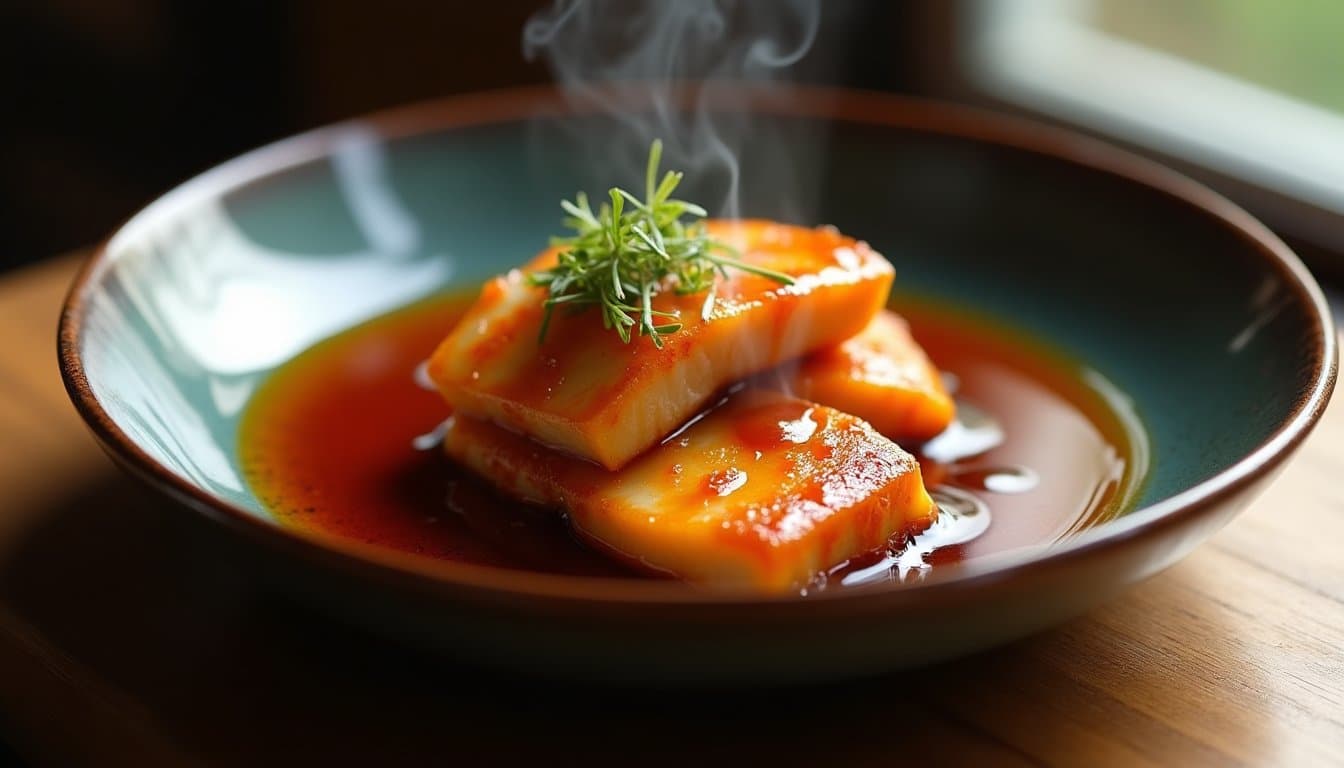
Caramelized Fish Sauce & Tamarind Glaze with Wild Garlic and Ramps
Fish sauce, cooked down until it turns syrupy and almost jammy, smells like a dare and tastes like a revelation. This Vietnamese-inspired glaze pushes that caramelized funk into genuinely strange territory by pulling in tamarind's fruity acid and wild garlic and ramps, two alliums that go feral when they hit warm oil. The result is something that belongs on grilled meat, noodles, or a spoon held over the sink at midnight.
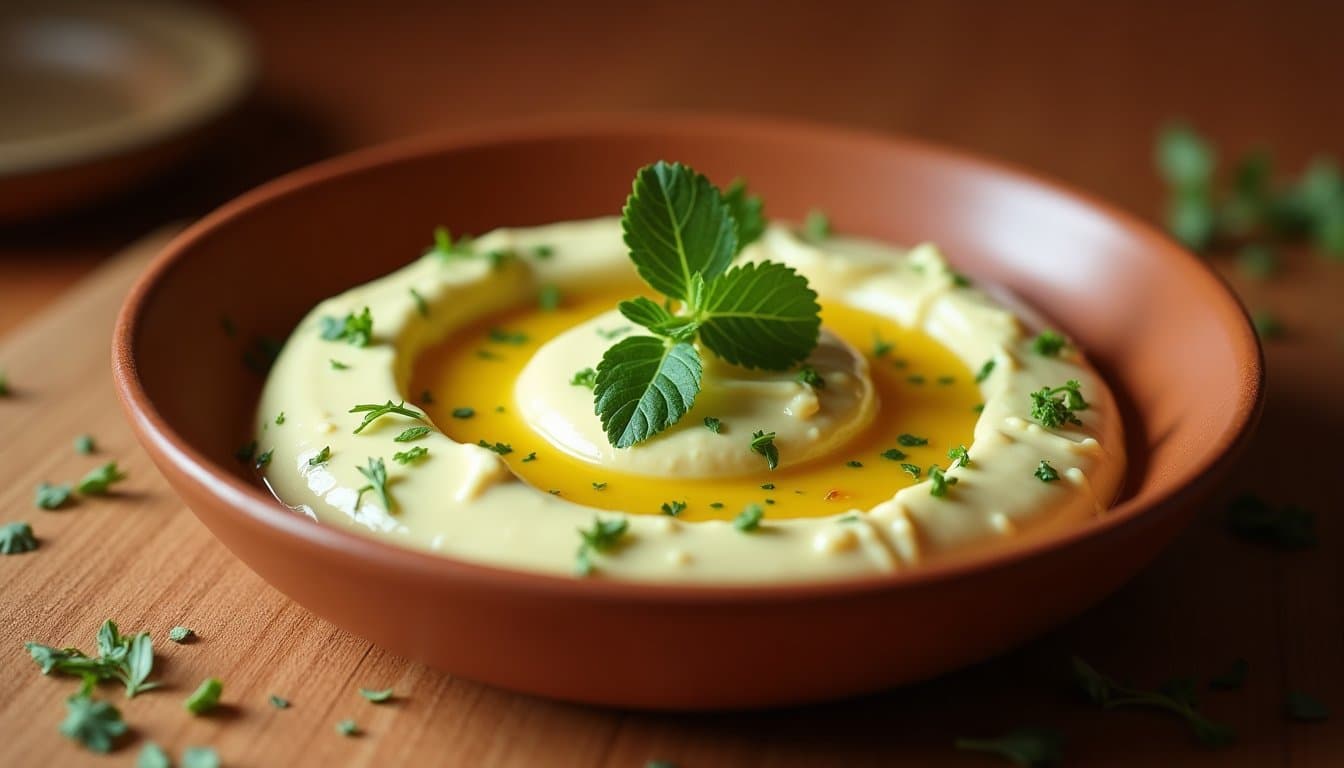
Sous-Vide Wild Garlic Aioli with Preserved Lemon and Smoked Paprika
Wild garlic has a window of maybe six weeks a year, and this sauce is the best argument for using every bit of it. A sous-vide oil infusion pulls out the fat-soluble aromatics before they vanish, then the whole thing gets shaken up with preserved lemon brine and smoked paprika in a move borrowed loosely from Argentine chimichurri. The result is simultaneously ancient and a little alien, and it's the most intensely garlicky aioli you'll make without shedding a tear.
Get the free flavor science guide.
5 rules that explain why unusual combinations work — plus new recipes every week.
You can unsubscribe anytime. No spam, ever. Or just read the guide.