This post contains affiliate links. We may earn a small commission at no extra cost to you. Learn more
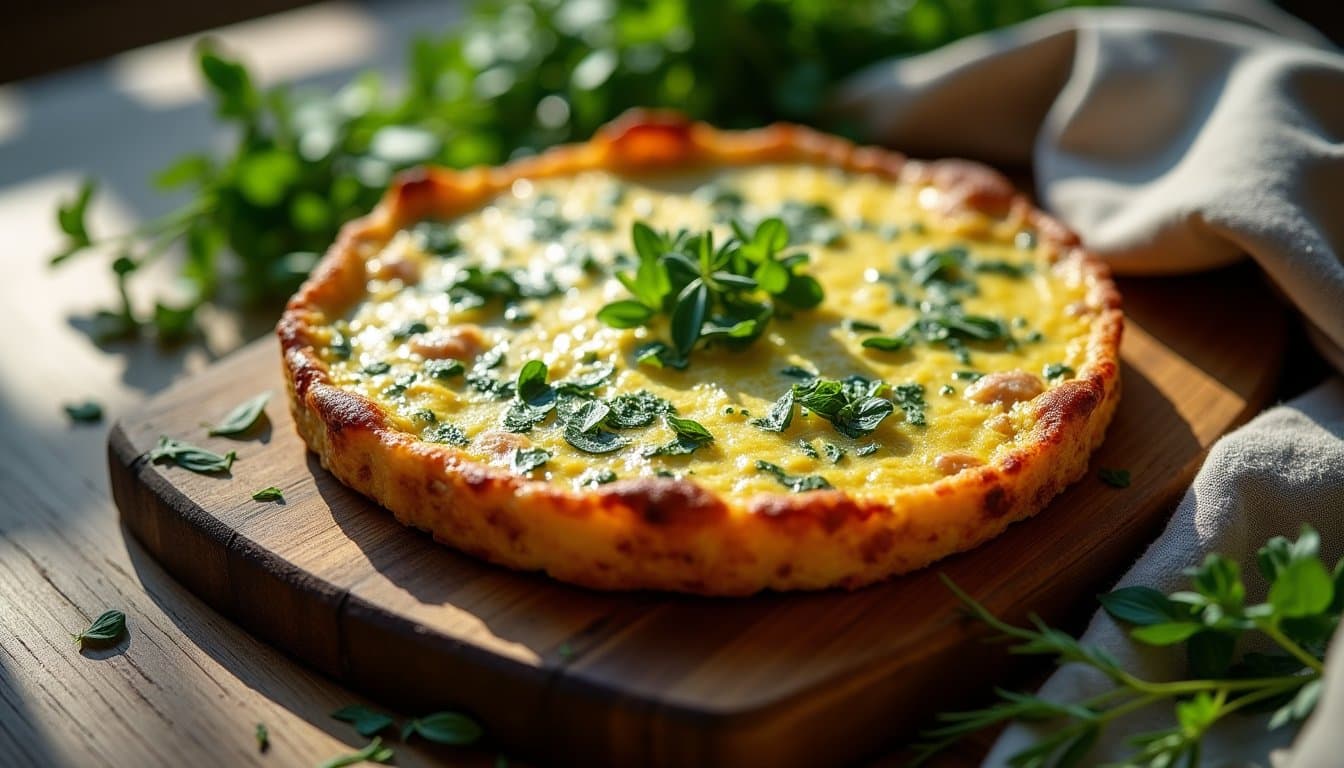
Ramp and Wild Garlic Frittata with Spring Peas and Pecorino
what's this?
Strangeness scale
- 1 — Slightly odd
- 2 — Raises eyebrows
- 3 — Genuinely strange
- 4 — Deeply weird
- 5 — Unhinged
- Cook
- 22m
- Total
- 37m
- Difficulty
- Easy
- Serves
- 4
- Origin
- Italian
Two alliums walk into a frittata. Ramps bring funky, onion-leek swagger while wild garlic layers in a softer, almost floral heat that makes ordinary garlic taste like it gave up. Paired with sweet spring peas and the salty, crystalline punch of aged pecorino, this is what Italian brunch would look like if it spent a weekend foraging in the Appalachians. The mildly strange part: using both ramps and wild garlic together sounds redundant until you taste how their distinct sulfur compounds harmonize into something far more complex than either alone.
Equipment
Why It Actually Works
Ramps and wild garlic both belong to the Allium genus but produce different volatile sulfur compounds. Ramps are rich in diallyl disulfide, which reads closer to onion, while wild garlic leans toward allicin with a softer, more herbaceous character. Cooking converts the harsh raw compounds into sweeter, mellower thiosulfinates, so the combination builds layered allium depth that neither ingredient achieves solo. Pecorino romano's high tyrosine content, the free amino acid behind its signature crystalline crunch, contributes intense umami that amplifies the savory depth of the eggs through glutamate synergy, and the natural sweetness of spring peas keeps the whole thing from tipping into pungent territory.
Learn the flavor science rules behind recipes like this →Ingredients
- 8 large eggs
- 60 ml whole milk
- 1 bunch ramps (about 100g), bulbs thinly sliced and greens roughly chopped, separated
- 1 bunch wild garlic leaves (about 50g), roughly torn
- 120g fresh or frozen spring peas, thawed if frozen
- 70g pecorino romano, finely grated, divided
- 2 tbsp extra-virgin olive oil
- 1/2 tsp fine sea salt
- 1/4 tsp freshly cracked black pepper
- pinch of red pepper flakes
- 1 tbsp unsalted butter
- fresh wild garlic flowers or pea shoots, for garnish (optional)
Instructions
1. Preheat your oven to 190°C (375°F) with a rack in the upper-middle position. This temperature is the sweet spot for setting eggs gently without rubbery edges — patience is the move here.
2. Crack the eggs into a medium bowl, add the milk, half the pecorino, salt, black pepper, and red pepper flakes. Whisk vigorously until the mixture is uniformly pale yellow and slightly frothy — about 90 seconds. Set aside.
3. Heat the olive oil and butter together in a 25cm (10-inch) oven-safe skillet (cast iron is ideal) over medium heat. Once the butter foams, add the sliced ramp bulbs and cook, stirring occasionally, for 3–4 minutes until softened and just beginning to turn golden at the edges.
4. Add the ramp greens and torn wild garlic leaves to the pan. Toss with tongs and cook for 1–2 minutes until wilted and fragrant — your kitchen should now smell like a forest decided to go Italian. Add the spring peas and stir to combine.
5. Reduce heat to medium-low. Pour the egg mixture evenly over the vegetables in the skillet. Using a silicone spatula, gently push the edges inward once or twice to let uncooked egg flow underneath — do this for about 90 seconds until the edges are just beginning to set but the center is still quite liquid.
6. Scatter the remaining pecorino evenly over the top and immediately transfer the skillet to the preheated oven.
7. Bake for 12–15 minutes, until the frittata is puffed, the center no longer jiggles when you nudge the pan, and the pecorino on top is spotty golden. If you want more color, switch the broiler on for the final 90 seconds — watch it closely.
8. Remove from oven and let the frittata rest in the pan for 5 minutes. This resting period lets the internal structure firm up so it slices cleanly rather than collapsing dramatically.
9. Run a spatula around the edges and underneath, then slide or slice directly from the pan into wedges. Garnish with wild garlic flowers or pea shoots if using. Serve warm or at room temperature — frittata is one of those rare dishes that is genuinely great at any temperature.
Nutrition (estimated per serving)
- Calories
- 320
- Fat
- 22g
- Carbs
- 8g
- Protein
- 22g
- Fiber
- 2g
- Sodium
- 620mg
Variations
- Replace pecorino with 80g of fresh chèvre crumbled over the top before baking. The tanginess plays against the ramps and produces a creamier, more yielding texture in the finished frittata.
- Fold 3 tablespoons of smoked ricotta into the egg mixture before pouring. It adds a low, woodsy smoke note that bridges the foraged alliums and makes the dish feel like it was cooked over a campfire, without the effort.
- Render 80g of diced pancetta in the skillet before adding the oil and ramp bulbs, then proceed as written. The cured pork fat becomes the cooking medium and adds a salty, porky depth that turns this into a more substantial brunch dish.
Storage & Make-Ahead
The frittata keeps well in the fridge for up to 3 days, wrapped tightly in the pan or transferred to an airtight container once fully cooled. Skip the wild garlic flowers or pea shoots until you're ready to serve, since they'll wilt and turn slimy against the warm eggs. To reheat, place slices in a dry skillet over low heat for about 3 minutes per side, or eat it at room temperature, which is honestly how Italians would serve it anyway. Freezing works in a pinch, but the peas turn mealy and the eggs lose their custardy texture, so it's worth eating this one fresh.
Reader Tips
No tips yet — be the first!
More Strange Recipes

Spring Pea Tapioca Crepes with Charred Lime and Watercress Oil
Brazilian tapioca crepes get a raw-food makeover with blended fresh spring peas folded straight into the batter, then finished with a punchy watercress oil and limes charred directly over a gas flame. The starch in tapioca flour binds without heat, so the pea flavor stays grassy and bright rather than cooked into sweetness. It's a breakfast that genuinely tastes like the moment before summer shows up.
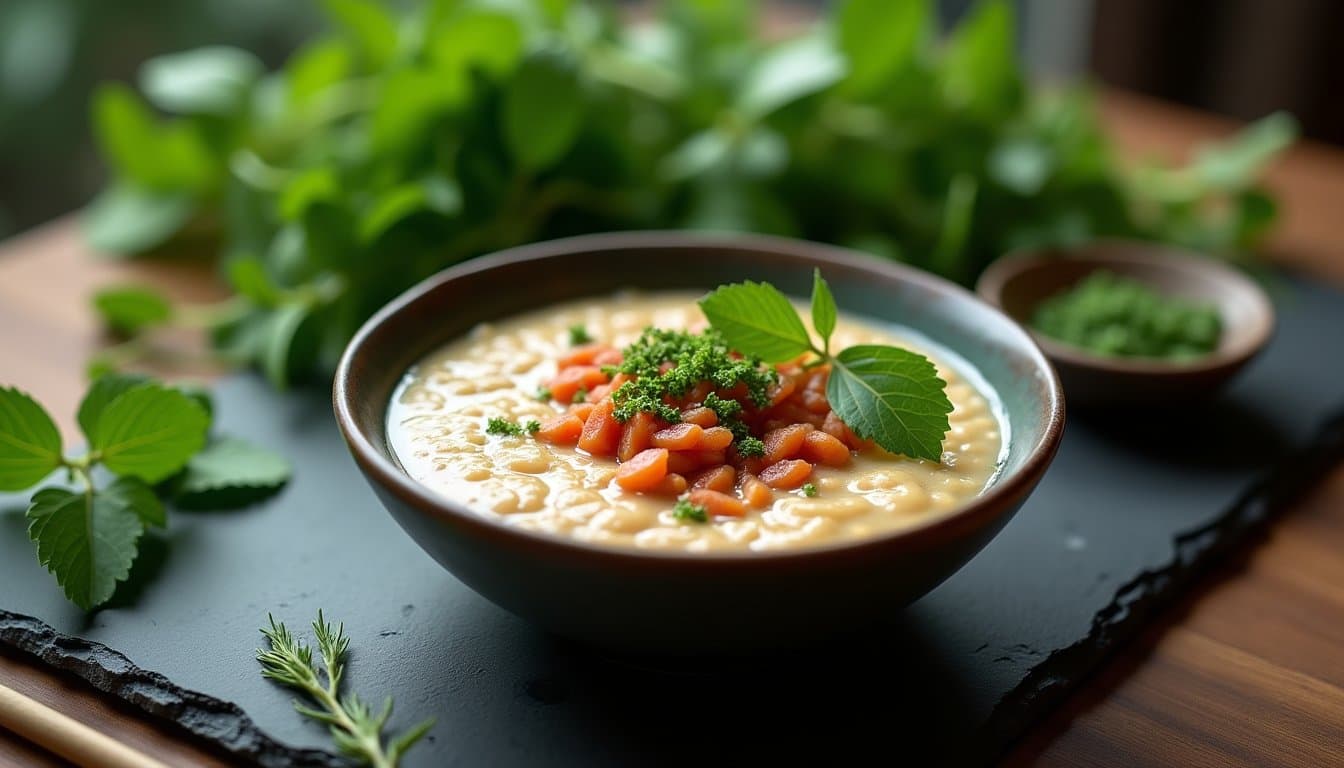
Fermented Oat and Anchovy Congee with Crispy Shallots
Picture a Nordic fisherman and a Cantonese grandmother snowed in together, arguing about breakfast until they land on something neither culture would claim but both should. Lacto-fermented rolled oats break down into a silky, congee-like base with a gentle tang that makes the briny, glutamate-rich anchovies sing rather than shout. The crispy shallots and spring onion cut through the richness with real textural contrast, and the result is simultaneously ancient, weird, and deeply correct.
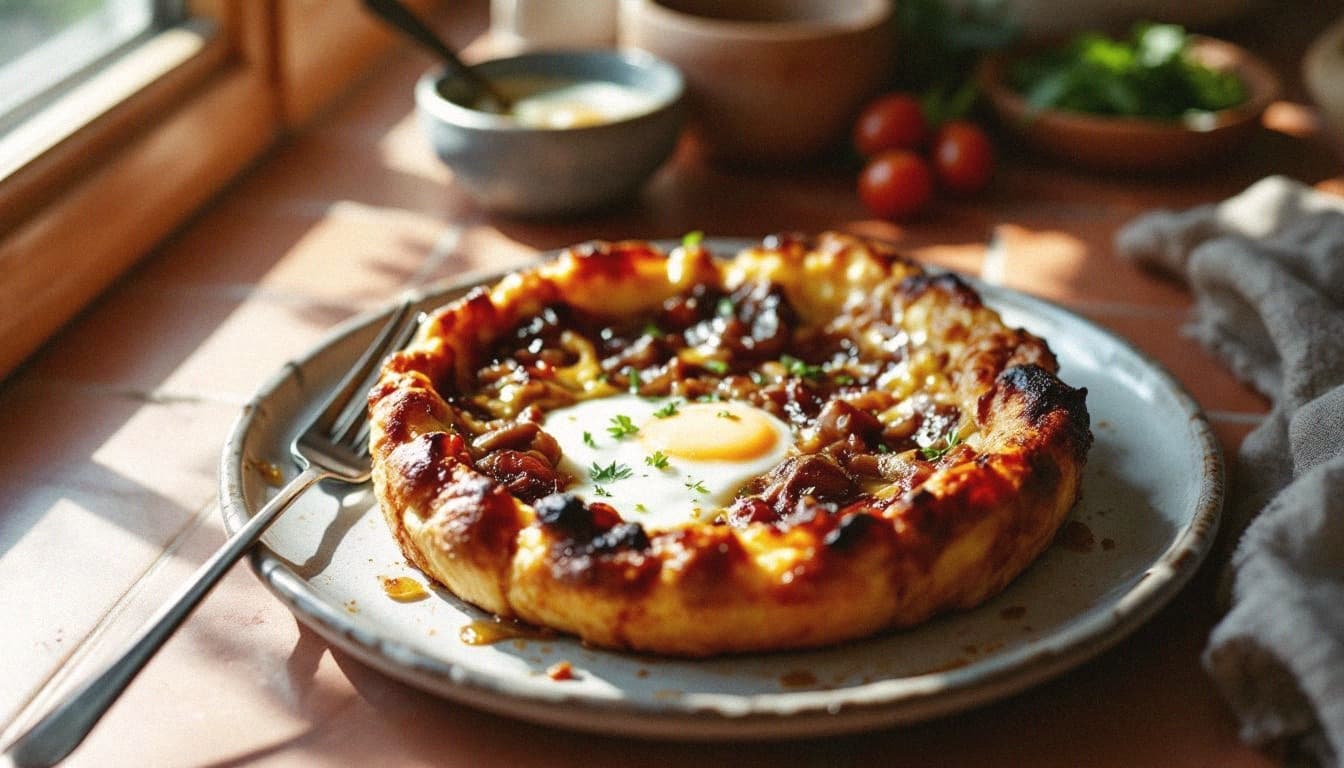
Morel Dutch Baby with Truffle Butter and Ramp Confiture
A Dutch baby is already a strange thing: pancake batter poured into a screaming-hot cast-iron skillet, then ballooned into a golden, custardy bowl by oven steam. This one goes further. Finely chopped morels go into the batter, truffle butter melts into the skillet's hot edge, and a jammy ramp confiture brings wild-onion sweetness to every bite. It tastes like a fine-dining tasting menu crashed your Sunday brunch. That's the whole idea.
Get the free flavor science guide.
5 rules that explain why unusual combinations work — plus new recipes every week.
You can unsubscribe anytime. No spam, ever. Or just read the guide.