This post contains affiliate links. We may earn a small commission at no extra cost to you. Learn more
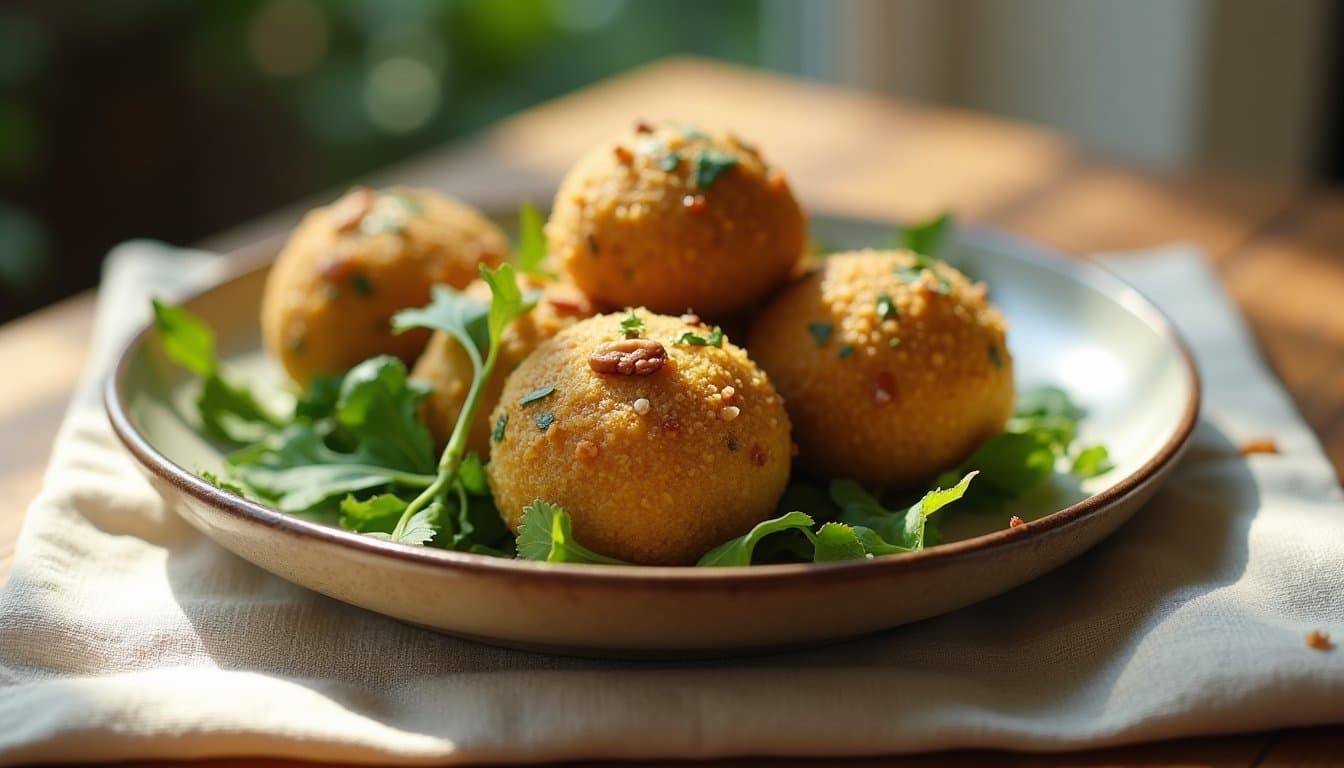
Stinging Nettle & Walnut Pkhali Bites with Pomegranate and Wild Herb Oil
what's this?
Strangeness scale
- 1 — Slightly odd
- 2 — Raises eyebrows
- 3 — Genuinely strange
- 4 — Deeply weird
- 5 — Unhinged
- Cook
- 3m
- Total
- 38m
- Difficulty
- Medium
- Serves
- 24
- Origin
- Georgian
Pkhali is Georgia's answer to a question nobody else thought to ask: what if blanched greens and raw walnuts became something that tastes genuinely magical? This version uses stinging nettles, whose formic acid gets neutralized by blanching, leaving behind a deep, almost meaty minerality that pairs beautifully with walnut's bitter tannins and pomegranate's bright punch. The wild herb oil isn't garnish. It's the bridge that makes the whole weird thing work.
Equipment
Why It Actually Works
Blanching nettles for exactly 90 seconds denatures the formic acid and histamine compounds responsible for the sting while preserving chlorophyll and a remarkable concentration of minerals, including iron, calcium, and silica, that read on the palate as a deep, almost meaty savoriness that walnut's own tannins mirror and amplify rather than clash with. Pomegranate's ellagitannins and malic acid provide a countering brightness that keeps the tannin-on-tannin combination from feeling heavy or drying, acting as a flavor reset between bites. The wild herb oil's fat-soluble aromatic compounds, tarragon's estragole and cilantro's linalool, dissolve into the walnut oil and carry volatile aromatics that would otherwise evaporate before reaching your nose, making each bite smell more complex than its ingredients suggest.
Learn the flavor science rules behind recipes like this →Ingredients
- 200g fresh stinging nettle tips (top 4-6 leaves only), handled with gloves
- 180g raw walnut halves, soaked in cold water for 20 minutes then drained
- 3 cloves garlic, peeled and roughly chopped
- 1 small yellow onion, finely minced
- 1 tsp ground coriander
- 0.5 tsp ground fenugreek (utskho suneli)
- 0.5 tsp ground marigold petals (Imeretian saffron / dried calendula), plus extra to garnish
- 0.25 tsp ground blue fenugreek (optional, very Georgian)
- 0.5 tsp fine sea salt, plus more to taste
- 1 tbsp red wine vinegar
- 80g pomegranate arils, divided
- 2 tbsp pomegranate molasses
- 60ml good extra-virgin olive oil or cold-pressed walnut oil
- 1 small bunch fresh tarragon, leaves only
- 1 small bunch fresh cilantro, leaves and tender stems
- 0.5 bunch fresh flat-leaf parsley, leaves only
- 1 small fresh green chile, roughly chopped (optional)
- Flaky sea salt, for finishing
Instructions
1. PUT ON GLOVES. Seriously. Bring a medium pot of well-salted water to a rolling boil. Drop the nettle tips in and blanch for exactly 90 seconds — no longer or you lose that gorgeous mineral depth. Transfer immediately to an ice bath for 2 minutes, then squeeze out every last drop of water with your hands (gloves off now — blanching neutralizes the sting completely). Chop the blanched nettles roughly.
2. Drain your soaked walnuts and pat them dry. Soaking leaches out excess bitter tannins and softens the texture so the paste becomes luxuriously smooth rather than grainy. Spread on a clean towel and press dry.
3. In a food processor, combine the drained walnuts, garlic, and minced onion. Pulse 8-10 times until you have a coarse, crumbly paste — think wet sand, not hummus. Do not over-process; you want texture.
4. Add the blanched nettles, ground coriander, ground fenugreek, marigold petals, blue fenugreek (if using), salt, red wine vinegar, and 2 tablespoons of the pomegranate molasses. Pulse another 6-8 times until the mixture just comes together into a cohesive, slightly sticky dough. It should hold its shape when pressed but still feel alive and textured.
5. Taste and adjust: more vinegar for brightness, more salt for depth, more fenugreek for that distinctly Georgian funk. The mixture should taste bold and slightly over-seasoned — it mellows as it chills.
6. Make the wild herb oil: combine the tarragon, cilantro, parsley, green chile (if using), and walnut or olive oil in a blender. Blitz on high for 60 seconds until completely smooth and vibrantly green. Season with a pinch of salt. Strain through a fine mesh sieve if you want elegance, or leave it rustic. Set aside.
7. With lightly oiled hands, roll the pkhali mixture into balls roughly the size of large marbles — about 1.5 tablespoons each. You should get around 24 bites. If the mixture feels too wet, refrigerate for 15 minutes to firm up. Press one thumb gently into the center of each ball to create a small well.
8. Press 3-4 pomegranate arils into the well of each bite. The depression isn't decorative — it creates a little pomegranate juice reservoir that hits your tongue right before the walnut-nettle body does.
9. Arrange the bites on a serving platter. Drizzle generously with the wild herb oil, letting it pool around and between the bites. Scatter the remaining pomegranate arils across the platter, dust with extra marigold petal powder, and finish with a pinch of flaky sea salt over each bite.
10. Serve immediately at room temperature, or refrigerate uncovered for up to 30 minutes — the surface firms up slightly and the flavors integrate beautifully. Add the herb oil drizzle just before serving if making ahead.
Nutrition (estimated per serving)
- Calories
- 98
- Fat
- 8g
- Carbs
- 4g
- Protein
- 2g
- Fiber
- 1g
- Sodium
- 62mg
Variations
- Spinach-nettle hybrid: Replace half the nettles with blanched baby spinach for a milder, sweeter flavor. Good entry point if your guests are nettle-skeptics.
- Beet pkhali bites: Swap nettles for 200g roasted and grated beet for a crimson, earthy version that's more traditionally Georgian and pairs with the pomegranate in a way that feels almost too obvious once you try it.
- Smoky miso walnut version: Stir 1 tablespoon of white miso into the walnut paste before mixing. Not Georgian at all, but the glutamate hit amplifies the nettle's mineral note into something genuinely strange and good.
Storage & Make-Ahead
The formed pkhali bites keep well in the fridge for up to 3 days in a single layer in a sealed container, though the walnut paste will tighten slightly as it chills, so let them sit at room temperature for 15 minutes before serving. The wild herb oil is best made the day you plan to serve, since the tarragon and cilantro start to dull in color and flavor after about 24 hours, but you can blend and refrigerate it up to 8 hours ahead. Store the pomegranate arils and flaky salt separately and press them onto the bites just before plating, otherwise the arils weep and the salt dissolves into the surface. These freeze poorly because the walnut-nettle paste turns grainy on thawing, so make only what you'll eat within three days.
Reader Tips
No tips yet — be the first!
More Strange Recipes
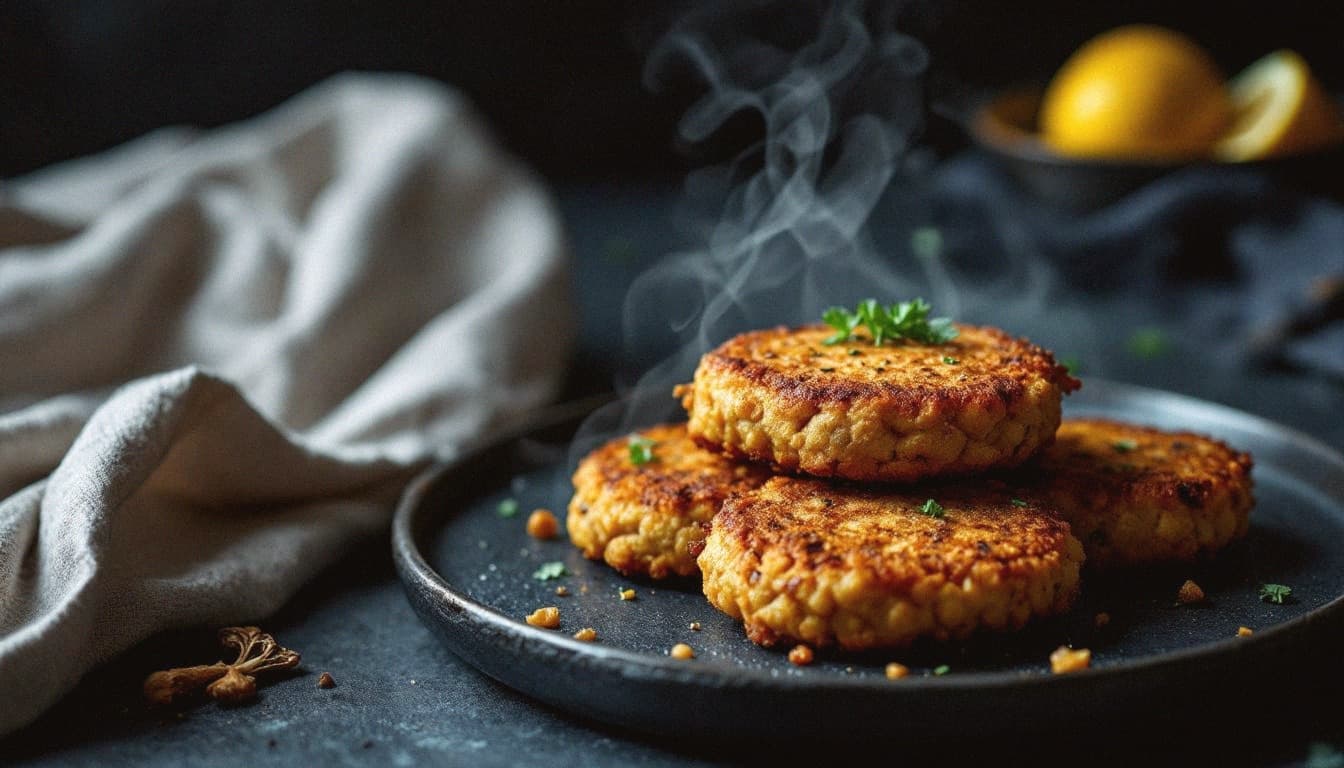
Suya-Spiced Morel Mushroom Fritters with Ramp-Tamarind Dipping Sauce
Dried morel mushrooms carry more glutamates per gram than almost any other fungus, and suya spice's roasted groundnut base clings to those honeycomb cavities like it was born there. Wild garlic folds into the batter for a sharp, grassy counterpoint, while a ramp-tamarind sauce brings enough acid and allium funk to cut through the fry. It's West African street-food logic applied to foraged forest ingredients, and it makes complete sense once you taste it.
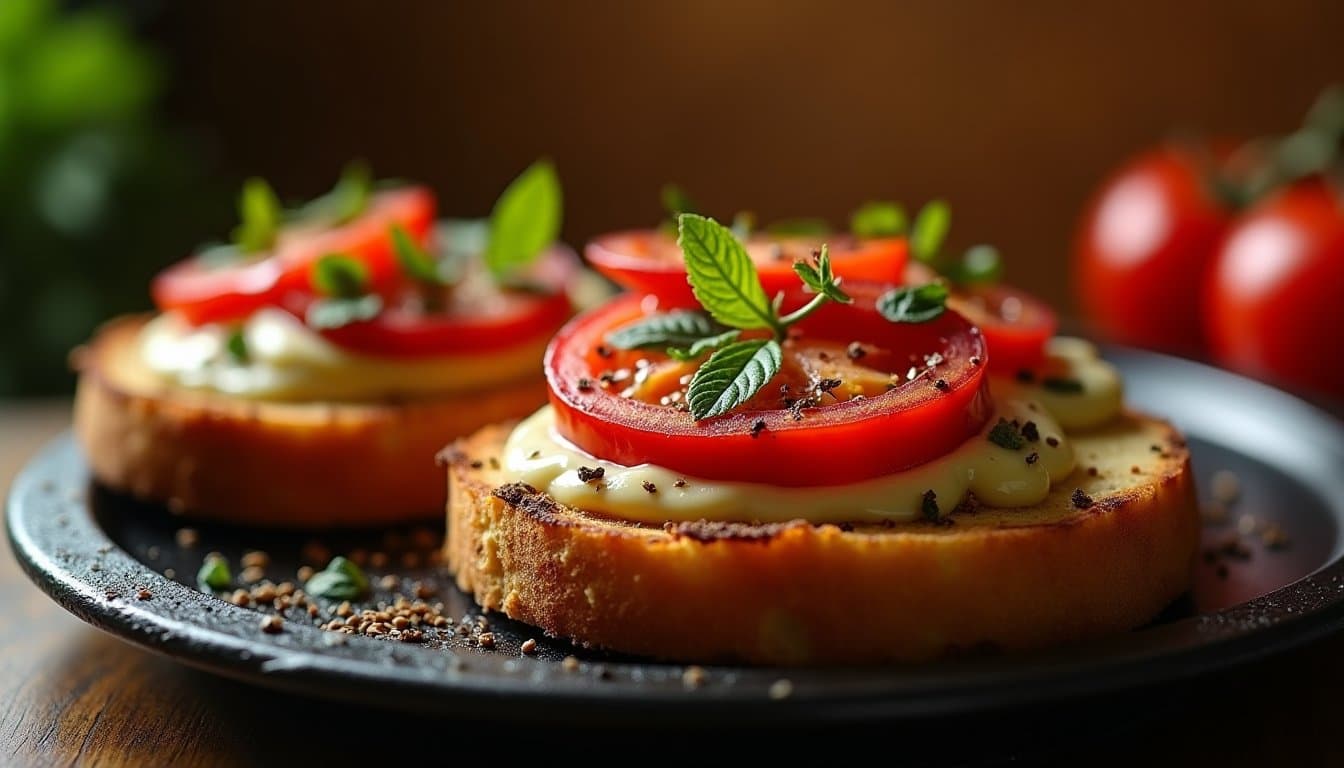
Black Garlic Morel Pan Con Tomate with Smoked Tomato Jam
Pan con tomate has no business being this weird, and yet here we are. Grilled sourdough gets rubbed with smoked tomato jam, piled with sautéed morel mushrooms, and finished with a swipe of black garlic paste that tastes like someone left balsamic vinegar alone with molasses for a month. The bright tomato acid cuts through the earthiness of both the mushrooms and the garlic, which is the only reason this doesn't collapse under its own intensity.
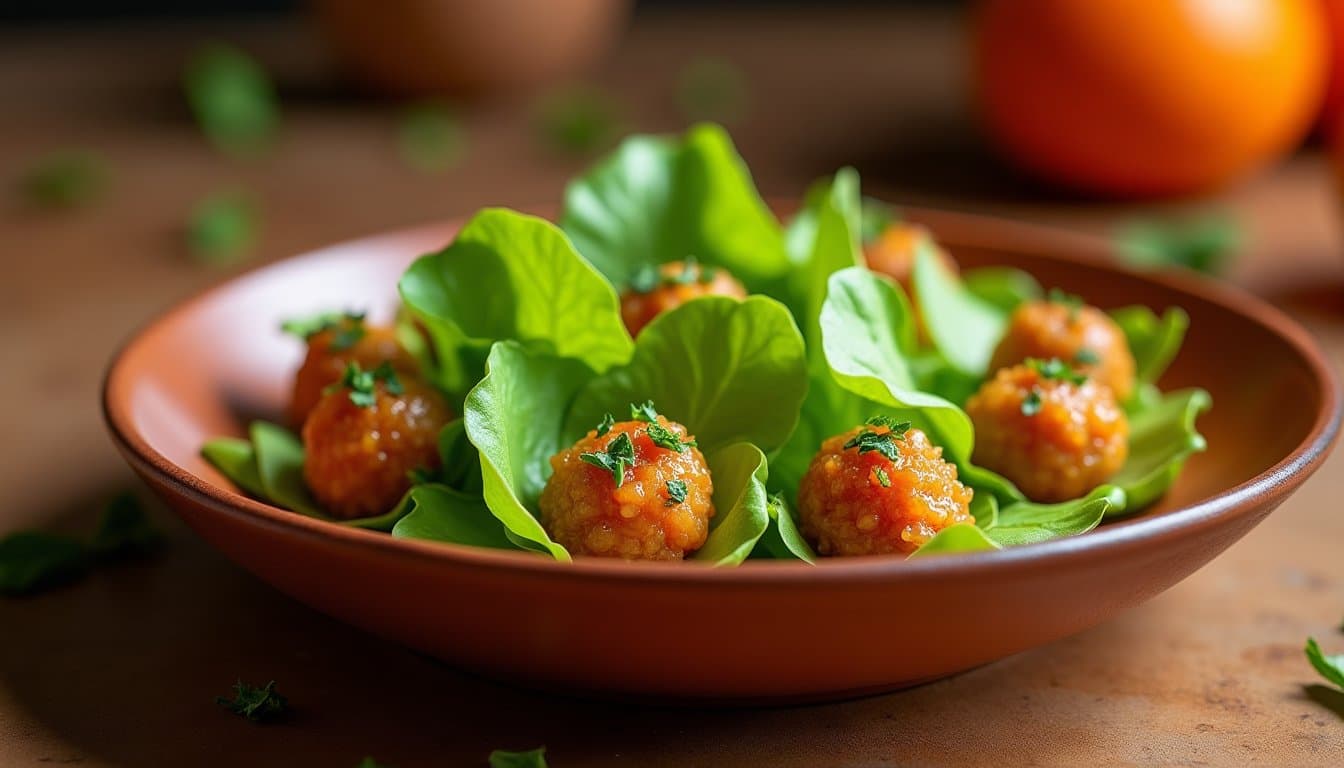
Blood Orange Cured Lamb's Lettuce Bites with Miso Aioli and Pickled Ramps
Lamb's lettuce cured in blood orange juice and aji amarillo salt until the leaves go silky and crimson, then piled onto crispy quinoa crackers with fermented miso aioli and pickled ramps. It sounds unhinged. It works because citric acid does the same thing here that it does in ceviche, and the ramps' sulfurous bite has more in common with miso than you'd expect. Osaka meets Lima, and neither one is apologizing.
Get the free flavor science guide.
5 rules that explain why unusual combinations work — plus new recipes every week.
You can unsubscribe anytime. No spam, ever. Or just read the guide.