This post contains affiliate links. We may earn a small commission at no extra cost to you. Learn more
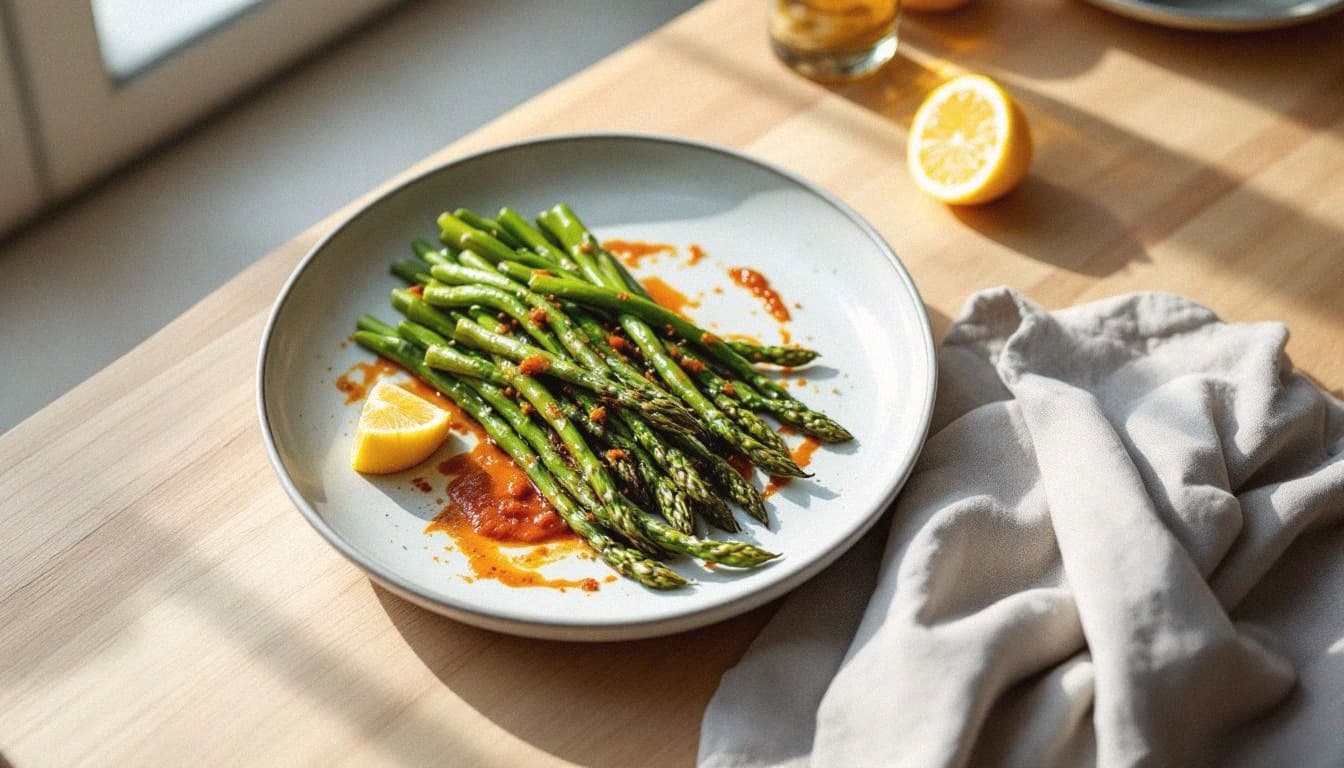
Argan Oil Confit Asparagus with Harissa and Preserved Lemon
what's this?
Strangeness scale
- 1 — Slightly odd
- 2 — Raises eyebrows
- 3 — Genuinely strange
- 4 — Deeply weird
- 5 — Unhinged
- Cook
- 45m
- Total
- 1h 5m
- Difficulty
- Medium
- Serves
- 4
- Origin
- Moroccan
Asparagus slow-cooked in argan oil until silky and faintly sweet, then hit with preserved lemon's fermented funk and harissa's volcanic heat. This combination has no business working as well as it does. The confit method pulls out the spears' grassy sweetness while the oil carries enough roasted-walnut depth to make you forget grilling was ever an option.
Equipment
Why It Actually Works
Argan oil's pyrazines, the same roasted-nut aroma compounds that make it smell faintly like popcorn, mirror the browning notes you'd normally chase by grilling, and low-temperature confit delivers that flavor without cooking off the volatile aromatics. Preserved lemon rind has fermented long enough that most of the citric acid has converted into saline, umami-rich compounds and limonene esters, which cut through the oil's richness in a way fresh lemon simply can't. Harissa's capsaicin triggers TRPV1 receptors that paradoxically sharpen your sensitivity to the asparagus's natural sulfurous sweetness, while orange blossom water's linalool ties the floral and herbal notes together.
Learn the flavor science rules behind recipes like this →Ingredients
- 500 g thick asparagus spears, woody ends snapped off
- 180 ml argan oil (culinary grade), plus 1 tbsp for finishing
- 2 quarters preserved lemon, rind only, finely minced
- 2 tbsp rose harissa paste
- 1 tsp ras el hanout
- 3 cloves garlic, thinly sliced
- 1 tsp cumin seeds, lightly toasted
- 0.5 tsp smoked paprika
- 1 tbsp orange blossom water
- 2 tbsp medjool date syrup (or pomegranate molasses)
- 30 g fresh flat-leaf parsley, roughly torn
- 20 g fresh mint leaves, torn
- 2 tbsp toasted blanched almonds, roughly chopped
- flaky sea salt, to taste
- 1 pinch dried rose petals, for garnish
Instructions
Preheat your oven to 150°C (300°F). Pick an oven-safe dish just wide enough to hold the asparagus in a single snug layer. A tight fit keeps the spears submerged in oil, which is the whole point.
Arrange the asparagus in the dish. Scatter the sliced garlic and toasted cumin seeds over the top, then pour in the 180 ml argan oil. The spears should be at least two-thirds submerged. If your dish is too large, add more oil rather than compromising. Season generously with flaky salt.
Cover the dish tightly with foil and transfer to the oven. Confit for 40 to 45 minutes until the asparagus is completely tender but not collapsing. A skewer should meet zero resistance. The oil will be gently bubbling around the edges; that's correct.
While the asparagus confits, make the harissa-lemon dressing: whisk together the rose harissa, minced preserved lemon rind, ras el hanout, smoked paprika, orange blossom water, and date syrup in a small bowl. Taste it. It should be fiery, sour, faintly floral, and slightly sweet. Add more lemon rind for funk or more date syrup to pull it back.
Remove the asparagus from the oven and let it rest in its oil bath for 10 minutes. Lift the spears out with tongs and arrange them on a serving platter. Reserve 2 tablespoons of the infused argan oil from the dish; it's worth more than the rest of the bottle.
Drizzle the harissa-lemon dressing liberally over the warm asparagus. Follow with the reserved 2 tablespoons of garlicky confit oil and the finishing tablespoon of fresh argan oil.
Scatter torn parsley and mint over the top, then the chopped almonds. Finish with a pinch of dried rose petals and a final flurry of flaky salt. Serve warm, or at room temperature within 30 minutes.
Nutrition (estimated per serving)
- Calories
- 498
- Fat
- 47g
- Carbs
- 14g
- Protein
- 5g
- Fiber
- 4g
- Sodium
- 420mg
Variations
- Swap harissa for chermoula paste and add a handful of oil-cured black olives for a deeper, herbaceous version with more green herb bite.
- Replace asparagus with young leeks or fennel bulb quarters for a winter confit using the same dressing. The argan-harissa combination is just as unhinged on alliums.
- Spoon the confit asparagus and all its infused oil over cooked millet or sorghum, letting the liquid soak in like a dressing for a grain bowl that needs nothing else.
Storage & Make-Ahead
The confit asparagus keeps well in the fridge for up to 4 days if stored submerged in the argan oil in a sealed container — the oil will solidify when cold, so let it sit at room temperature for 20 minutes before serving, or warm it gently in a low oven at 140°C for about 8 minutes. Don't add the parsley, mint, almonds, or rose petals until you're ready to plate, since the herbs go limp and the nuts lose their crunch quickly once dressed. You can mix the harissa, preserved lemon, ras el hanout, and date syrup into a sauce up to 3 days ahead and refrigerate it separately. This dish doesn't freeze well — the asparagus turns waterlogged and the argan oil separates unpleasantly.
Reader Tips
No tips yet — be the first!
More Strange Recipes
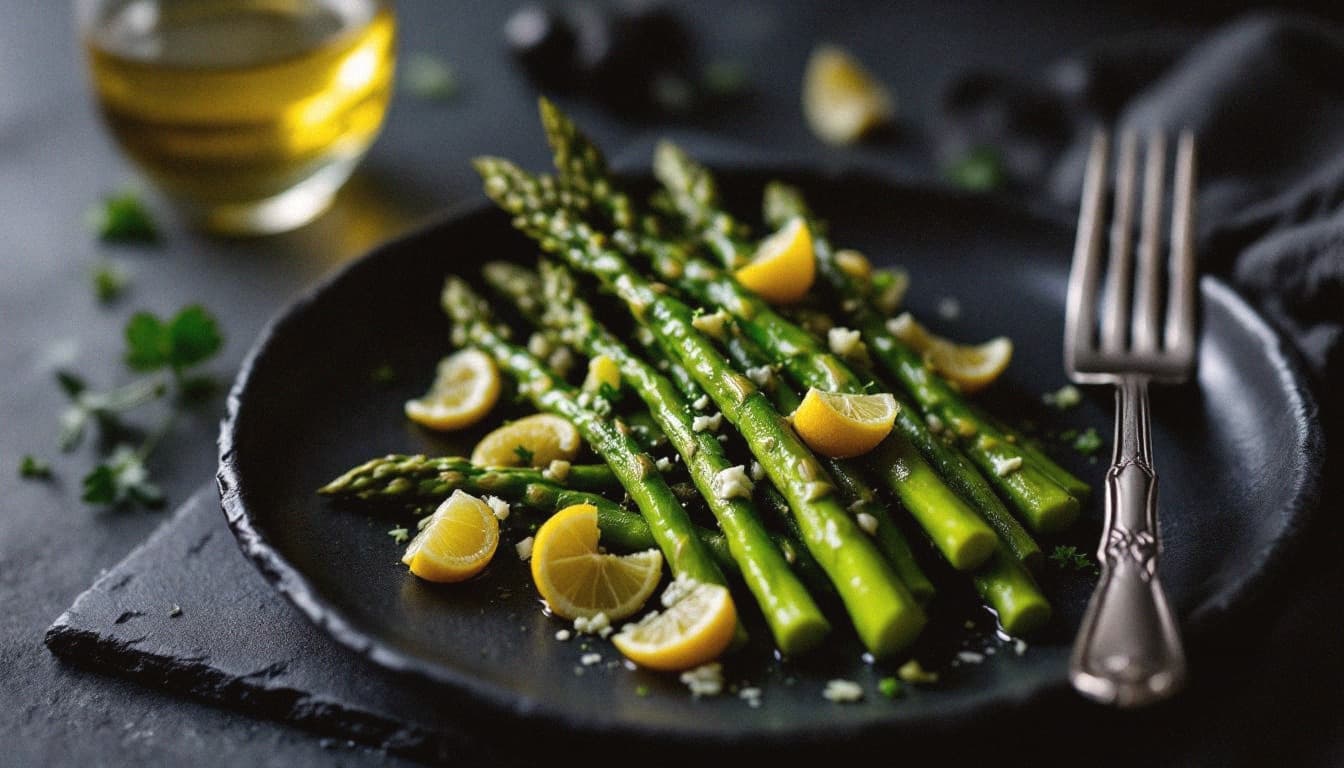
Aquavit-Pickled Asparagus with Juniper and Dill Seed
Aquavit already carries caraway and dill in its botanical makeup, so using it as a pickling base for asparagus is less a wild experiment and more a logical conclusion. Juniper berries crack open to release piney, resinous oils that cut through the brine's acidity, while dill seeds (not fronds) bring a rounder, almost anise-like depth that fresh dill never quite manages. The result is a jar of spears that taste like a Scandinavian forest floor in the best possible way.
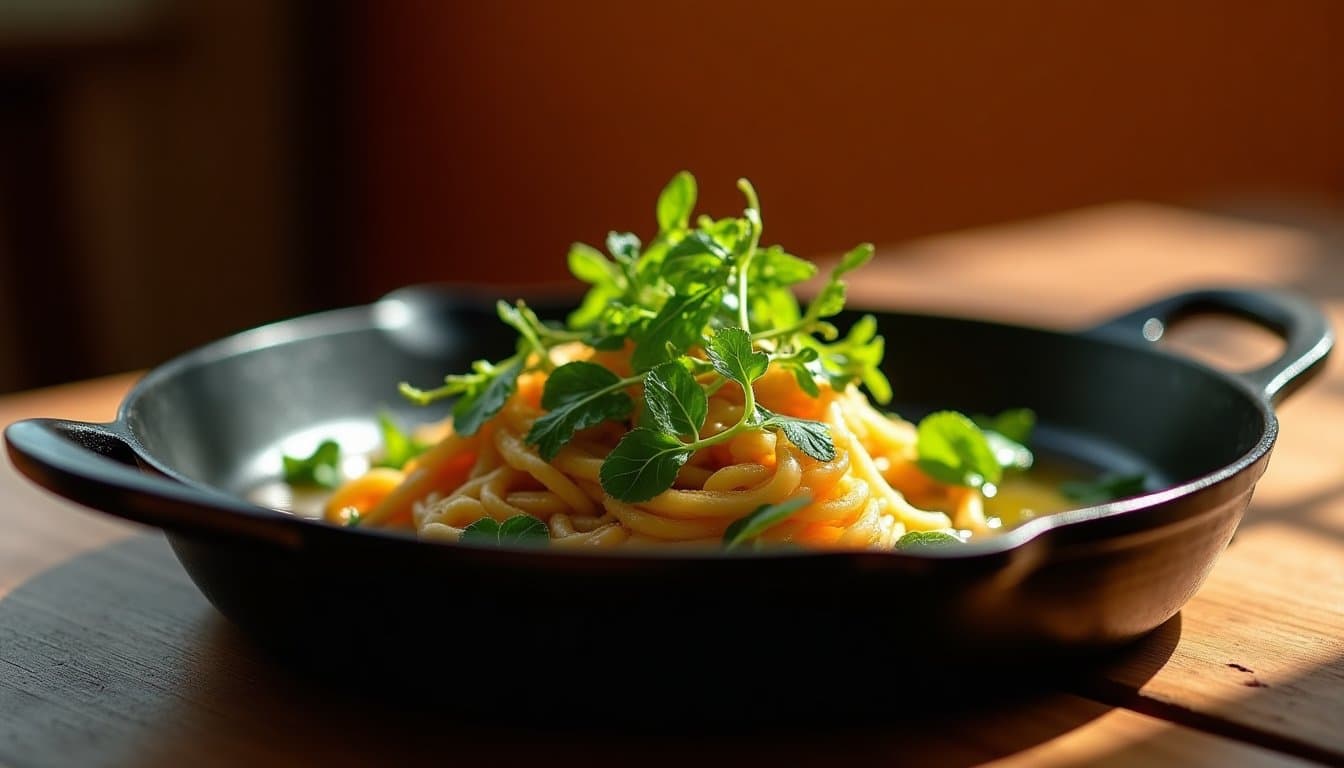
Nettle-Ramp Atakilt Wat en Papillote with Spring Peas
Atakilt wat, Ethiopia's cabbage-and-potato stew built on berbere and turmeric, has no business being this good when ramps and stinging nettles get involved, but here we are. Sealing the whole thing in parchment turns the sulfurous funk of ramp bulbs and the mineral bite of nettles into a pressurized aromatic steam that permeates every vegetable in the packet. Open it at the table so nobody misses the berbere sauna moment.
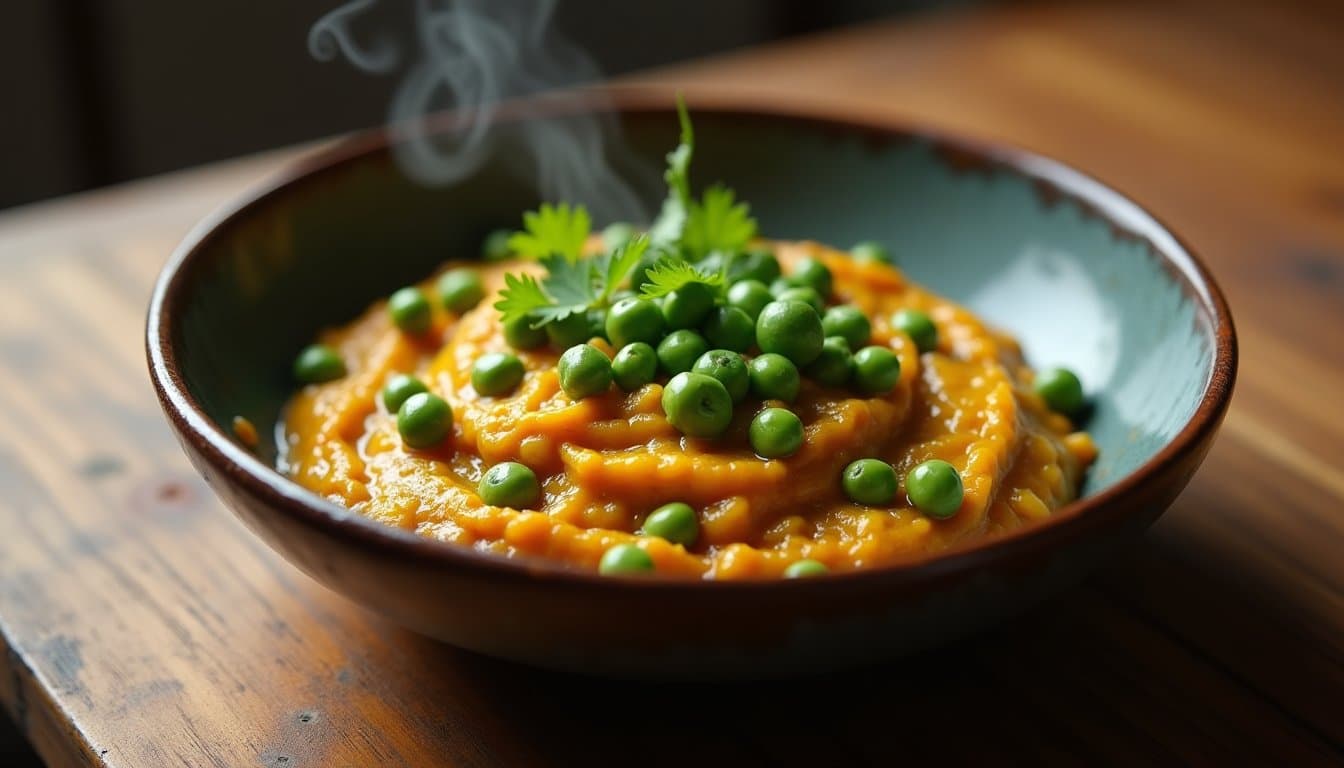
Spring Pea and Ramp Dal with Wild Garlic Tadka and Crispy Curry Leaves
Appalachian foraged ramps have no business being in a Bengali masoor dal, and yet here we are. The sulfurous, leek-meets-garlic punch of ramps and wild garlic replaces the traditional onion-garlic base entirely, while spring peas dissolve into the lentils and bring a grassy sweetness dal has never had before. The plot twist is a screaming-hot wok tadka of curry leaves, black mustard seeds, and raw wild garlic poured over the top at the last second.
Get the free flavor science guide.
5 rules that explain why unusual combinations work — plus new recipes every week.
You can unsubscribe anytime. No spam, ever. Or just read the guide.