This post contains affiliate links. We may earn a small commission at no extra cost to you. Learn more
Nettle-Ramp Atakilt Wat en Papillote with Spring Peas
what's this?
Strangeness scale
- 1 — Slightly odd
- 2 — Raises eyebrows
- 3 — Genuinely strange
- 4 — Deeply weird
- 5 — Unhinged
- Cook
- 35m
- Total
- 1h
- Difficulty
- Medium
- Serves
- 4
- Origin
- Ethiopian
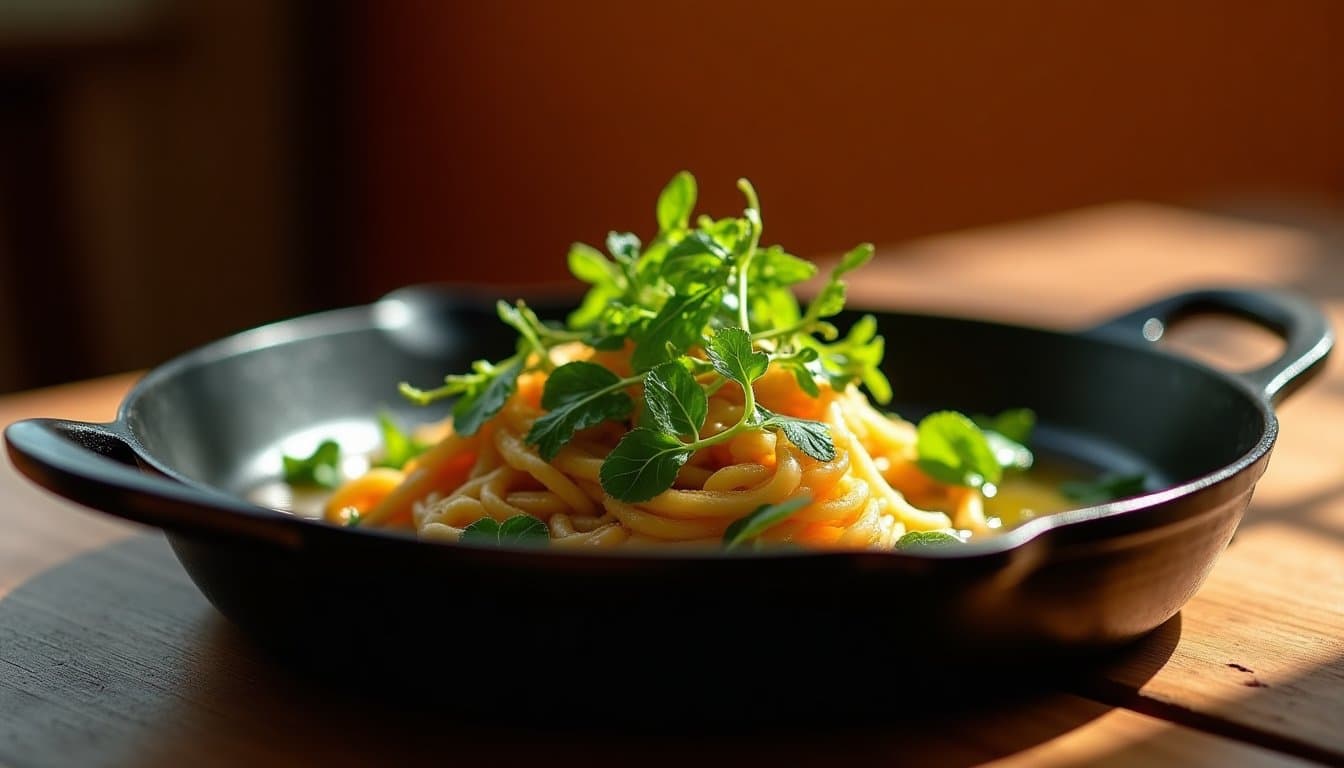
Atakilt wat, Ethiopia's cabbage-and-potato stew built on berbere and turmeric, has no business being this good when ramps and stinging nettles get involved, but here we are. Sealing the whole thing in parchment turns the sulfurous funk of ramp bulbs and the mineral bite of nettles into a pressurized aromatic steam that permeates every vegetable in the packet. Open it at the table so nobody misses the berbere sauna moment.
Equipment
Why It Actually Works
Ramps contain allyl sulfide compounds similar to garlic and onion, and sealed inside parchment they have nowhere to go, so they condense back into the vegetables as aromatic steam rather than venting off into your kitchen. Berbere's active compounds, including capsaicin, fenugreek lactones, and thymoquinone from nigella, are fat-soluble, so they distribute evenly through the coconut oil coating and stay in contact with every surface rather than settling to the bottom of a dry pan. The 30-second blanch for nettles hydrolyzes the formic acid and histamine in the trichomes, which neutralizes the sting without cooking out the chlorophyll or that spinach-meets-seaweed mineral flavor that makes nettles worth handling with gloves in the first place.
Learn the flavor science rules behind recipes like this →Ingredients
- 2 cups fresh stinging nettle leaves, blanched 30 seconds and roughly chopped
- 1 bunch ramps (about 12), roots trimmed, bulbs and greens separated
- 1 cup fresh spring peas, shelled
- 2 medium Yukon Gold potatoes, peeled and cut into 1/2-inch cubes
- 1 small head green cabbage (about 1 lb), cored and cut into 1-inch chunks
- 2 medium carrots, peeled and sliced into thin coins
- 3 tablespoons berbere spice blend, store-bought or homemade
- 1 teaspoon ground turmeric
- 1 teaspoon ground cumin
- 1/2 teaspoon ground black pepper
- 1/2 teaspoon kosher salt, plus more to taste
- 3 tablespoons coconut oil, melted
- 2 tablespoons fresh lemon juice
- 1 teaspoon lemon zest
- 4 garlic cloves, thinly sliced
- 1 tablespoon fresh ginger, finely grated
- 1/4 cup vegetable broth or water
- 2 tablespoons fresh flat-leaf parsley, roughly chopped, for garnish
- 1 teaspoon niter kibbeh-inspired spice oil (coconut oil infused with fenugreek and nigella seeds), optional
Instructions
Preheat your oven to 400°F (205°C). Cut four sheets of parchment paper to roughly 15x18 inches each, and four sheets of aluminum foil the same size. Set them aside in pairs.
Put on kitchen gloves before touching the nettles. Drop them into a pot of boiling salted water and count 30 seconds, then pull them straight into an ice bath. Once cold, squeeze out the water firmly, roughly chop, and set aside. The blanching is not optional — it breaks down the formic acid in the stingers.
Separate the ramp bulbs from the greens. Slice the bulbs thin. Roll the greens into a loose chiffonade and keep them in a separate pile. The bulbs need more time in the heat than the greens do, so they go in at different stages.
In a large bowl, combine the potato cubes, cabbage chunks, carrot coins, and sliced ramp bulbs. Add the berbere, turmeric, cumin, black pepper, salt, melted coconut oil, garlic, and ginger. Toss hard until every surface is coated, then let it sit for 5 minutes so the spices start to dissolve into the fat.
Add the blanched nettles, spring peas, ramp greens, lemon juice, lemon zest, and vegetable broth to the bowl. Fold everything together gently — you want even distribution without crushing the peas.
Divide the mixture among the four parchment sheets, mounding it in the center of each. If you're using extra spice oil, drizzle a little over each portion now.
Fold the parchment over the filling and crimp the edges in small overlapping folds, working all the way around the perimeter until you have a tight pouch. Wrap each parchment packet loosely in foil to back up the seal and prevent steam from escaping at the corners.
Set the packets on a rimmed baking sheet in a single layer and bake for 30 to 35 minutes. They'll puff up noticeably as the steam builds inside — that's the allium vapor doing its work.
Pull the packets from the oven and let them sit for 3 minutes before opening. Use scissors to cut into the parchment, and aim the first rush of steam away from your face. It will smell like a berbere spice market and a forest floor at the same time.
Taste and adjust with salt or lemon juice. Serve from the parchment if you want the full aromatic effect at the table, or transfer to a dish. Scatter fresh parsley over the top and serve immediately with injera or a gluten-free flatbread.
Nutrition (estimated per serving)
- Calories
- 285
- Fat
- 12g
- Carbs
- 38g
- Protein
- 8g
- Fiber
- 10g
- Sodium
- 420mg
Variations
- Whisk 1 tablespoon of white miso into the coconut oil before tossing with the vegetables. Miso's glutamates amplify berbere's earthy depth and build a fermented bridge between the two traditions that makes the whole packet taste older and more serious.
- Replace the cabbage with thinly sliced kohlrabi. It holds its texture inside the steam packet better than cabbage, and its mild turnip-like sharpness plays against the ramps without competing with the berbere.
- After opening the packets, slide everything under the broiler for 3 minutes until the ramp greens and cabbage edges char, then dust with smoked paprika. The char cuts through the bright spring flavors and gives the dish a second act.
Storage & Make-Ahead
The assembled but uncooked papillote packets can be refrigerated for up to 8 hours before baking, which makes this a solid dinner-party prep option. Once baked, the vegetables keep well in a sealed container for 3 days in the fridge, though the peas will soften and the nettles lose a bit of their brightness. Reheat leftovers in a 375°F oven in a loosely tented piece of foil for about 12 minutes, or in a skillet over medium heat with a splash of vegetable broth to loosen the berbere-spiced juices. Hold the fresh parsley garnish and any niter kibbeh-inspired spice oil separately and add them after reheating. This dish doesn't freeze well: the potatoes turn grainy and the cabbage goes watery.
Reader Tips
No tips yet — be the first!
5 avg · 1 rating
More Strange Recipes
Aquavit-Pickled Asparagus with Juniper and Dill Seed
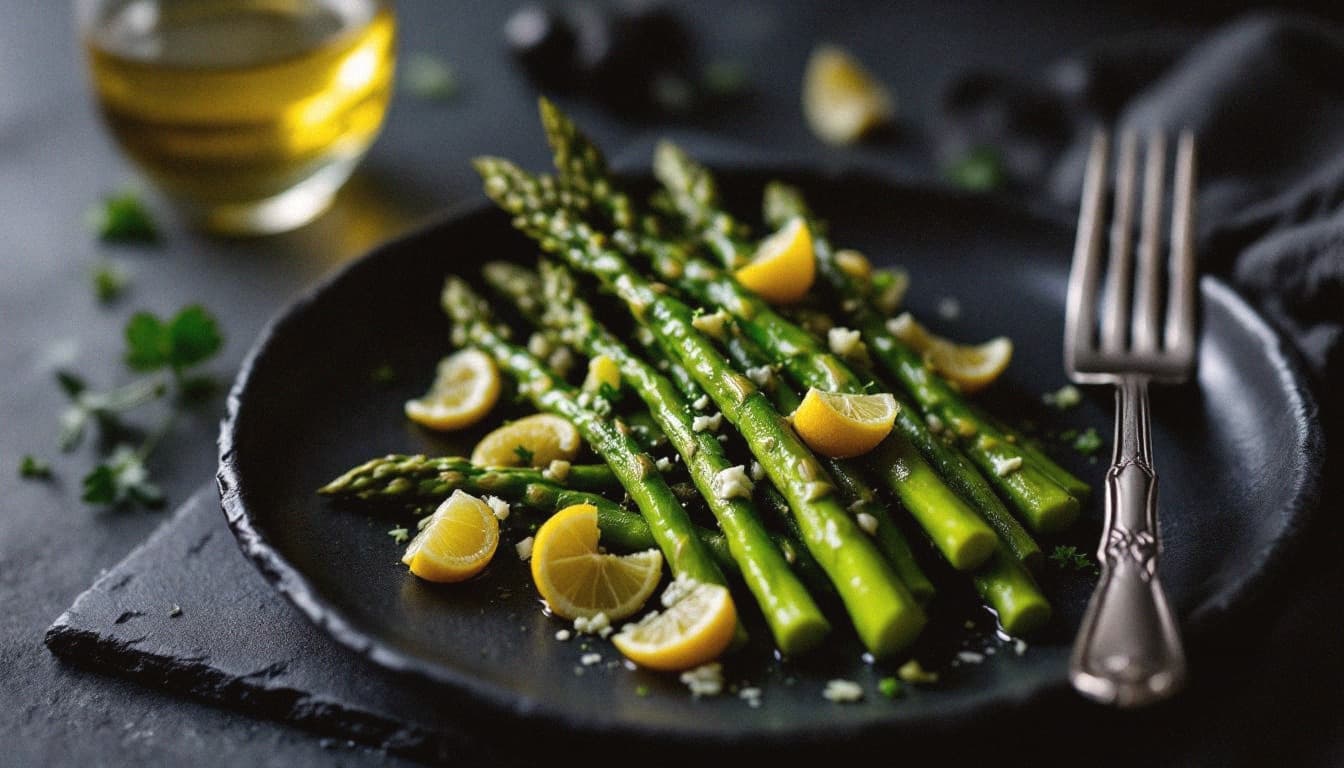
Aquavit already carries caraway and dill in its botanical makeup, so using it as a pickling base for asparagus is less a wild experiment and more a logical conclusion. Juniper berries crack open to release piney, resinous oils that cut through the brine's acidity, while dill seeds (not fronds) bring a rounder, almost anise-like depth that fresh dill never quite manages. The result is a jar of spears that taste like a Scandinavian forest floor in the best possible way.
Spring Pea and Ramp Dal with Wild Garlic Tadka and Crispy Curry Leaves
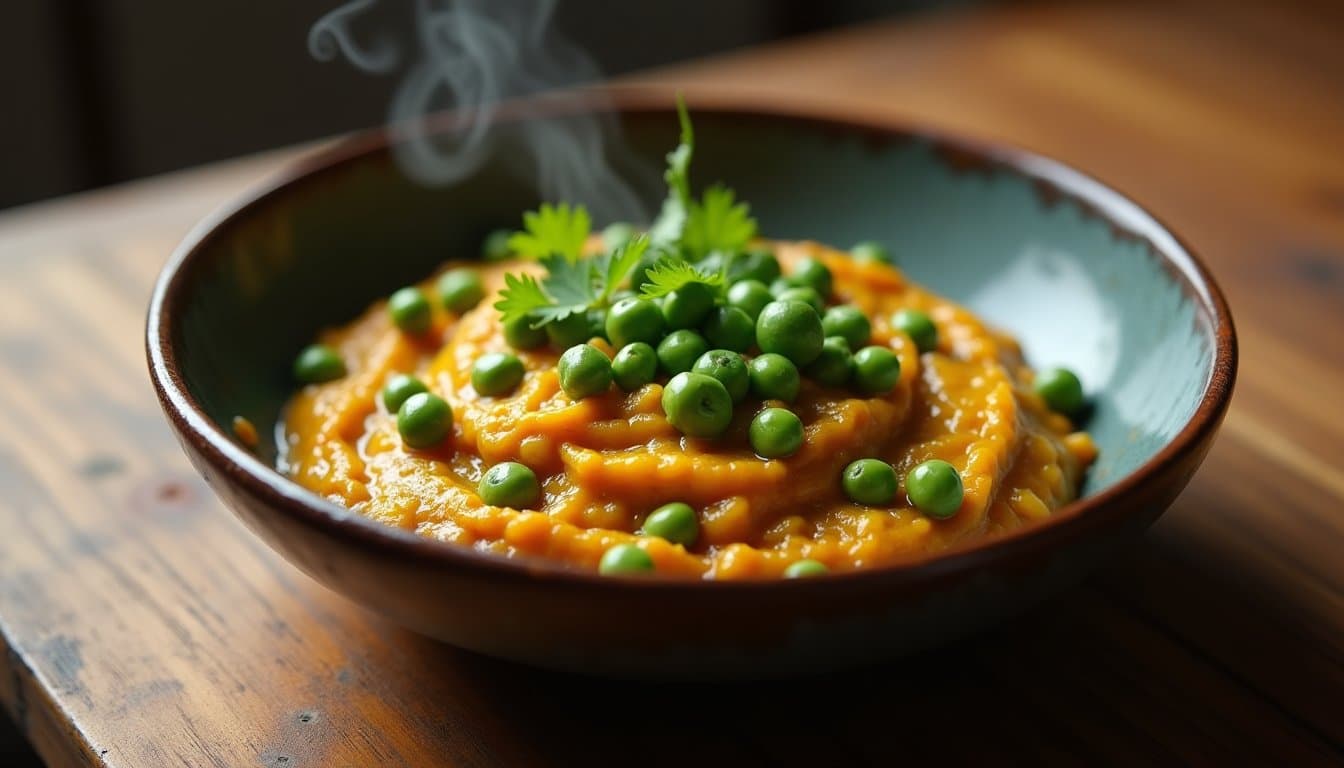
Appalachian foraged ramps have no business being in a Bengali masoor dal, and yet here we are. The sulfurous, leek-meets-garlic punch of ramps and wild garlic replaces the traditional onion-garlic base entirely, while spring peas dissolve into the lentils and bring a grassy sweetness dal has never had before. The plot twist is a screaming-hot wok tadka of curry leaves, black mustard seeds, and raw wild garlic poured over the top at the last second.
Saffron-Dried Lime Morel & Ramp Pilaf Baked in Parchment
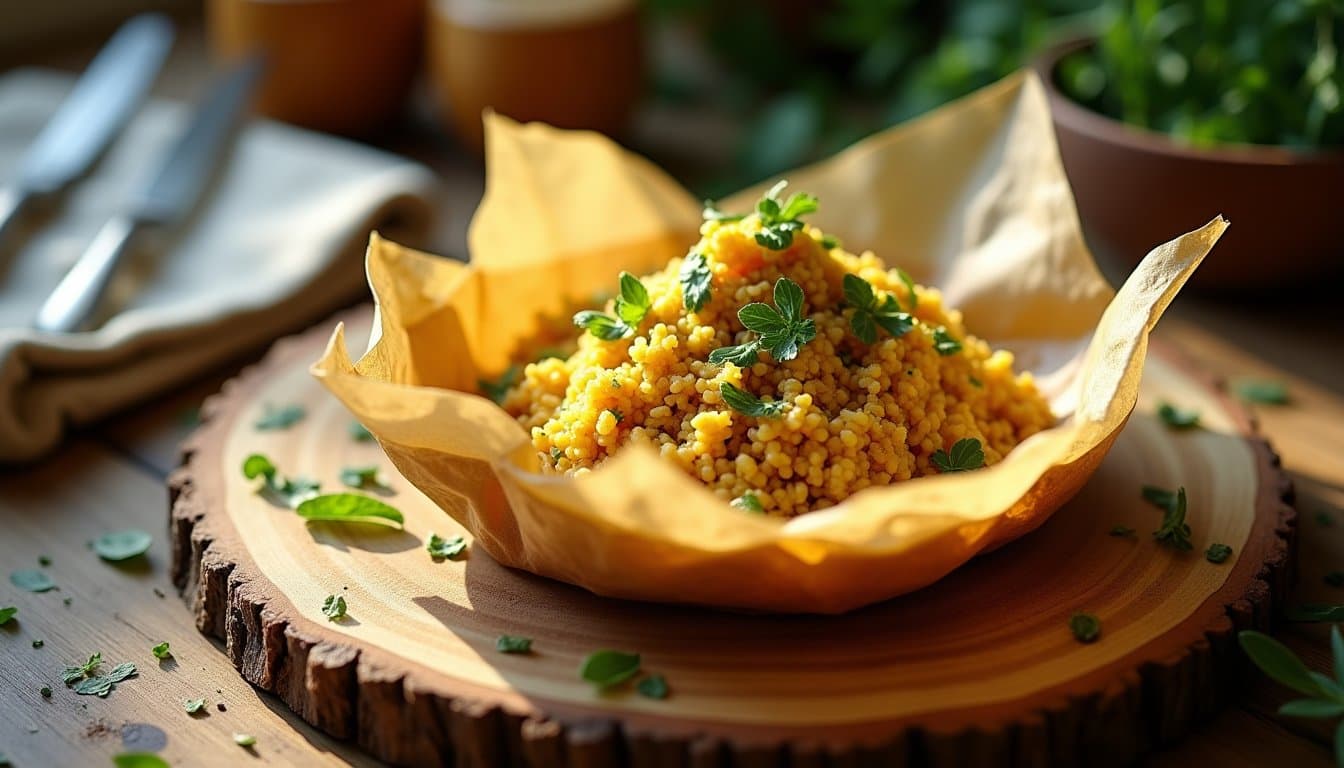
Persian chelow meets a foraged spring obsession: wild morel mushrooms and pungent ramps steam-locked inside parchment with bloomed saffron and whole dried limes (limu omani), producing a smoky-funky-floral rice that tastes like Nowruz celebrated in a forest. The en-papillote technique traps every volatile aromatic compound, ramp sulfides, saffron safranal, lime terpenes, in a pressurized flavor sauna instead of letting them drift off into your kitchen. It's weird, it's Persian, and it's deeply correct.
Get the free flavor science guide.
5 rules that explain why unusual combinations work — plus new recipes every week.
You can unsubscribe anytime. No spam, ever. Or just read the guide.