This post contains affiliate links. We may earn a small commission at no extra cost to you. Learn more
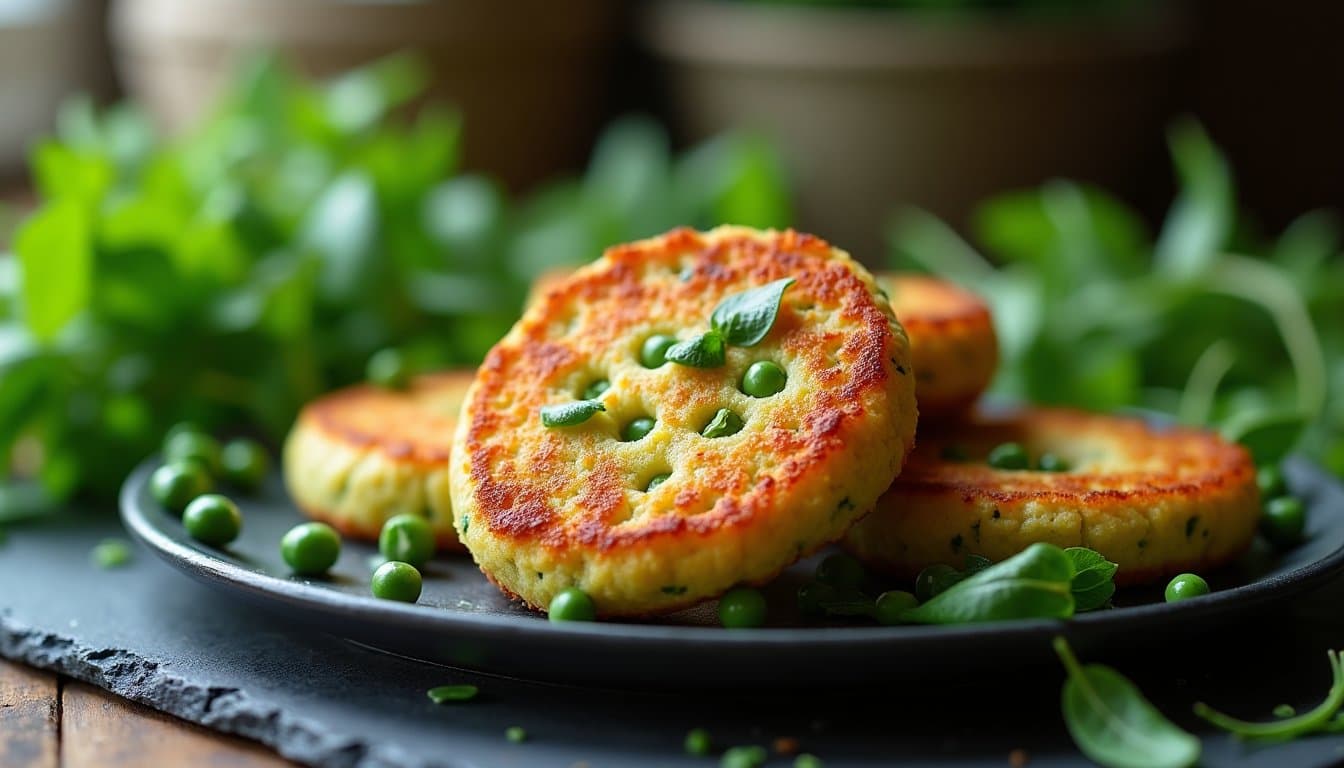
Crispy Spring Pea and Feta Fritters with Whipped Labneh and Burnt Mint Oil
what's this?
Strangeness scale
- 1 — Slightly odd
- 2 — Raises eyebrows
- 3 — Genuinely strange
- 4 — Deeply weird
- 5 — Unhinged
- Cook
- 20m
- Total
- 45m
- Difficulty
- Medium
- Serves
- 4
- Origin
- Israeli
Burning mint on purpose sounds like a mistake, but scorched mint oil is what makes this dish worth making. The char converts the herb's bright chlorophyll into something smokier and more complex, and that's the note that cuts through the richness of deep-fried fritters sitting on a pillow of whipped labneh. Make these once and you'll stop thinking of mint as a garnish.
Equipment
Why It Actually Works
Spring peas contain enough free glutamates to amplify the salinity of the feta rather than fight it, so the two ingredients essentially turn the volume up on each other. Frying at exactly 175°C triggers rapid Maillard browning on the exterior while steam from the peas' moisture keeps the interior pillowy, which is the textural contrast that makes fritters compulsive. Scorching the mint oxidizes chlorophyll into pheophytin, producing earthy, smoky aromatic compounds that cut through the fat of both the fried shell and the labneh, functioning as a palate reset between bites rather than decoration.
Learn the flavor science rules behind recipes like this →Ingredients
- 300g fresh or frozen spring peas, thawed if frozen
- 180g feta cheese, crumbled into rough chunks
- 2 large eggs, lightly beaten
- 80g all-purpose flour, plus extra for dusting
- 1 tsp baking powder
- 1 tsp za'atar
- 0.5 tsp ground white pepper
- 0.5 tsp fine sea salt
- 2 scallions, thinly sliced
- 1 tbsp fresh dill, roughly chopped
- 1 liter neutral oil, such as sunflower or canola, for deep-frying
- 250g full-fat labneh
- 2 tbsp good-quality olive oil, for whipping labneh
- 1 tsp lemon zest
- 20g fresh mint leaves, packed
- 60ml extra-virgin olive oil, for burning
- 0.5 tsp flaky sea salt, for finishing
- 1 tsp Aleppo pepper flakes, for garnish
- 1 lemon, cut into wedges, for serving
Instructions
Roughly crush two-thirds of the peas in a bowl with a fork or potato masher until you have a chunky paste with visible whole peas scattered through it. You want both textures in every bite, so don't go smooth.
Add the crumbled feta, beaten eggs, flour, baking powder, za'atar, white pepper, sea salt, scallions, and dill. Fold until just combined — stop the moment you don't see dry flour. Overmixing turns the feta into paste and toughens the fritters. The batter should hold a spoon's shape.
Refrigerate the batter uncovered for 15 minutes. This lets the flour hydrate fully and firms up the mixture so it holds together in hot oil without falling apart.
While the batter rests, beat the labneh with 2 tablespoons of olive oil and the lemon zest using a fork or hand mixer until fluffy and spreadable, about 2 minutes. Season with a pinch of salt, cover, and refrigerate until you're ready to plate.
Heat the 60ml of extra-virgin olive oil in a small saucepan over medium-high heat until it shimmers and just starts to smoke. Drop in all the mint leaves at once — they will spit and crackle hard, so stand back. Let them fry for exactly 45 seconds until they turn dark green with charred edges. Pull the pan off the heat immediately, let the oil cool for 5 minutes, then strain through a fine-mesh sieve, pressing the leaves firmly to get every drop. Discard the spent leaves.
Heat the neutral frying oil in a deep, heavy-bottomed pot to 175°C (350°F). Use a thermometer. Ten degrees lower and you get greasy fritters; ten degrees higher and the outside burns before the inside cooks.
Using two wet tablespoons, shape the batter into rough oval quenelles about 5cm long. Don't fuss over uniformity — ragged edges create more surface area, which means more crust.
Fry in batches of 4 to 5, turning once halfway through, for 3 to 4 minutes per batch until deep golden brown. Crowding the pot drops the oil temperature and produces soft, oily fritters, so wait between batches.
Transfer fritters to a wire rack set over a baking sheet, not paper towels. Paper towels trap steam and soften the crust within minutes. Season immediately with flaky sea salt.
Swipe a generous spoonful of whipped labneh across each plate. Arrange 3 to 4 fritters on top, drizzle the burnt mint oil liberally over everything, scatter Aleppo pepper flakes, and serve immediately with lemon wedges on the side.
Nutrition (estimated per serving)
- Calories
- 620
- Fat
- 47g
- Carbs
- 28g
- Protein
- 21g
- Fiber
- 4g
- Sodium
- 980mg
Variations
- Fold 1 tsp ground sumac into the batter and another teaspoon into the labneh — the citric acid brightens the peas' sweetness and makes the whole plate feel lighter.
- Swap standard feta for smoked feta, which you'll find at most Middle Eastern grocers. It adds a low campfire undertone that makes the burnt mint oil feel intentional rather than accidental — because it is.
- Replace the eggs with 4 tablespoons of chickpea aquafaba whipped to soft peaks, and use thick coconut yogurt blended with 1 tsp lemon juice instead of labneh. The fritters will be slightly more delicate, but they hold together and the flavor is still there.
Storage & Make-Ahead
The fritters keep in the fridge for up to 2 days, but they'll lose their crunch, so reheat them on a wire rack in a 200°C oven for 8 minutes rather than microwaving. The whipped labneh and burnt mint oil should be stored separately in sealed containers, the labneh for up to 4 days and the mint oil for up to 3 days at room temperature if your kitchen isn't too warm, or in the fridge where it will solidify slightly but loosen again at room temperature. For a head start, you can mix the fritter batter up to 4 hours ahead and keep it covered in the fridge, though you'll want to give it a quick stir before frying since the peas will release a little liquid as it sits.
Reader Tips
No tips yet — be the first!
More Strange Recipes
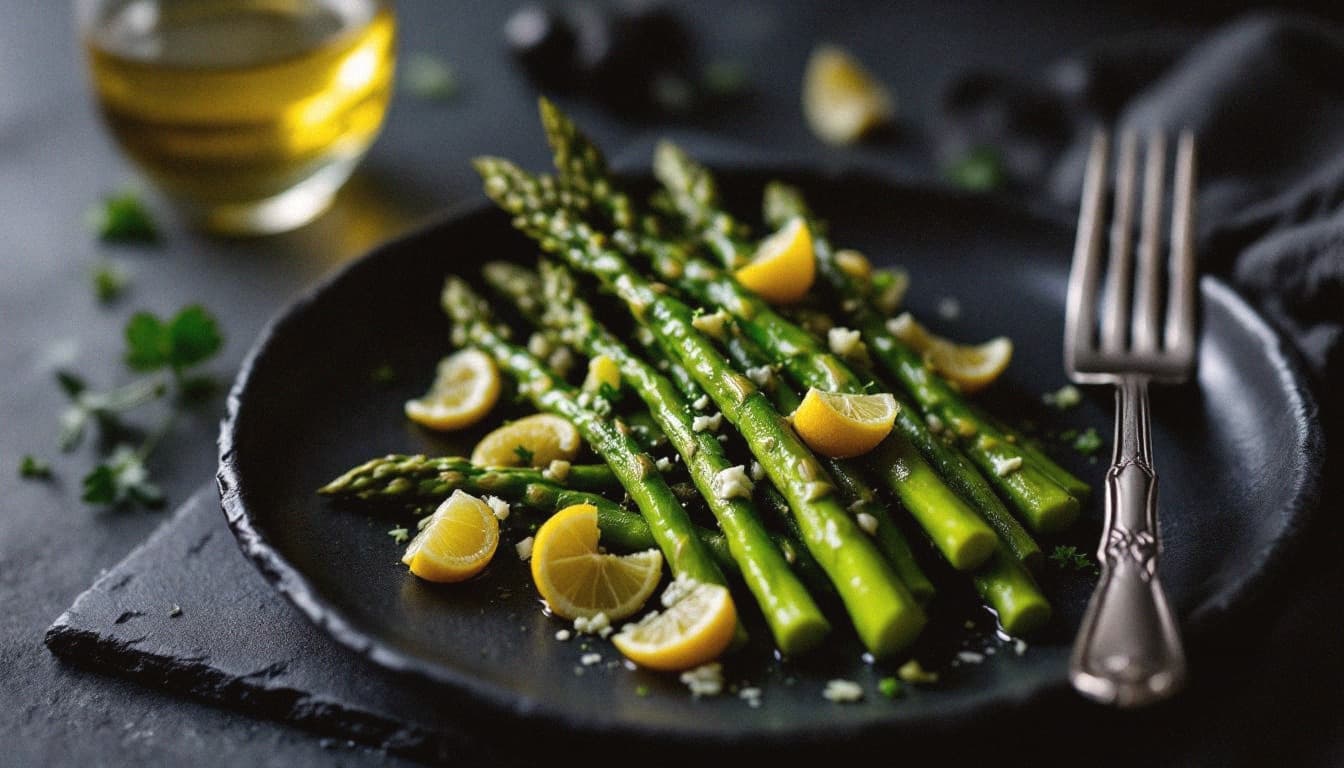
Aquavit-Pickled Asparagus with Juniper and Dill Seed
Aquavit already carries caraway and dill in its botanical makeup, so using it as a pickling base for asparagus is less a wild experiment and more a logical conclusion. Juniper berries crack open to release piney, resinous oils that cut through the brine's acidity, while dill seeds (not fronds) bring a rounder, almost anise-like depth that fresh dill never quite manages. The result is a jar of spears that taste like a Scandinavian forest floor in the best possible way.
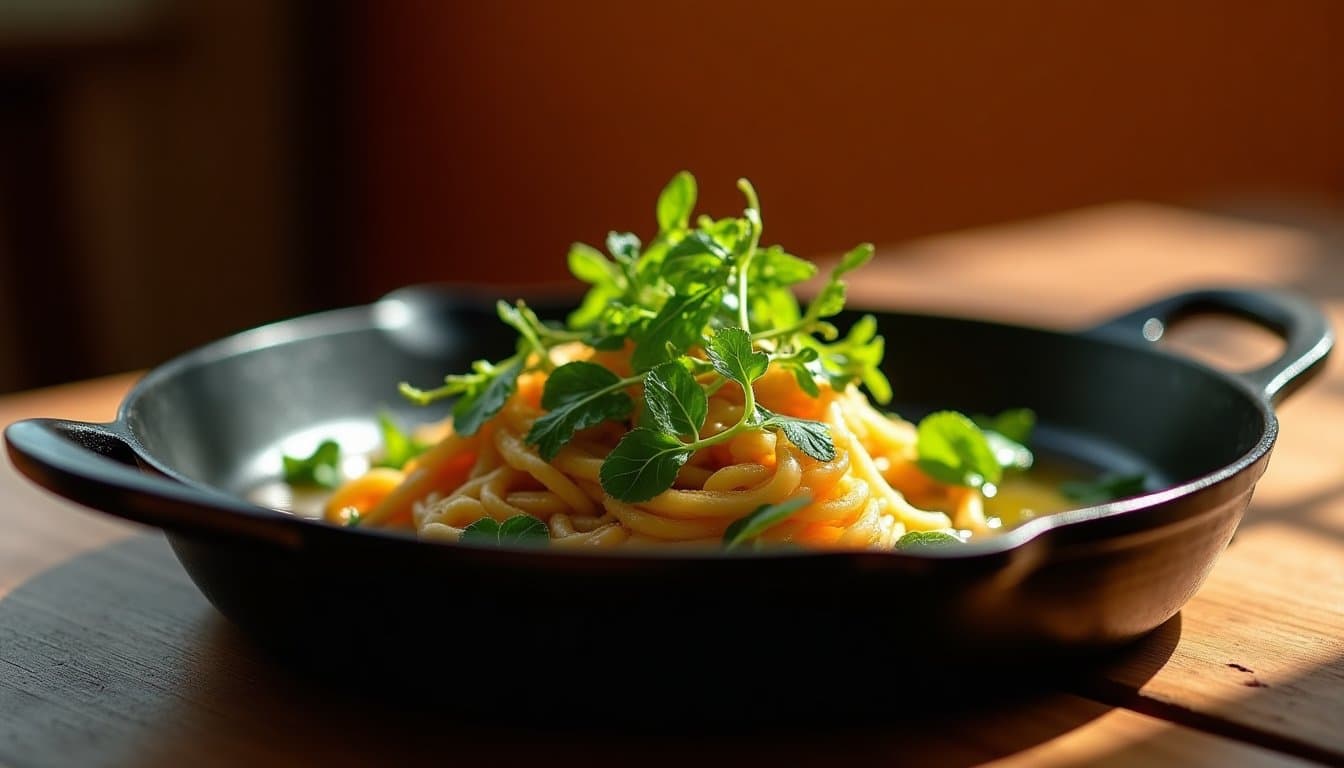
Nettle-Ramp Atakilt Wat en Papillote with Spring Peas
Atakilt wat, Ethiopia's cabbage-and-potato stew built on berbere and turmeric, has no business being this good when ramps and stinging nettles get involved, but here we are. Sealing the whole thing in parchment turns the sulfurous funk of ramp bulbs and the mineral bite of nettles into a pressurized aromatic steam that permeates every vegetable in the packet. Open it at the table so nobody misses the berbere sauna moment.
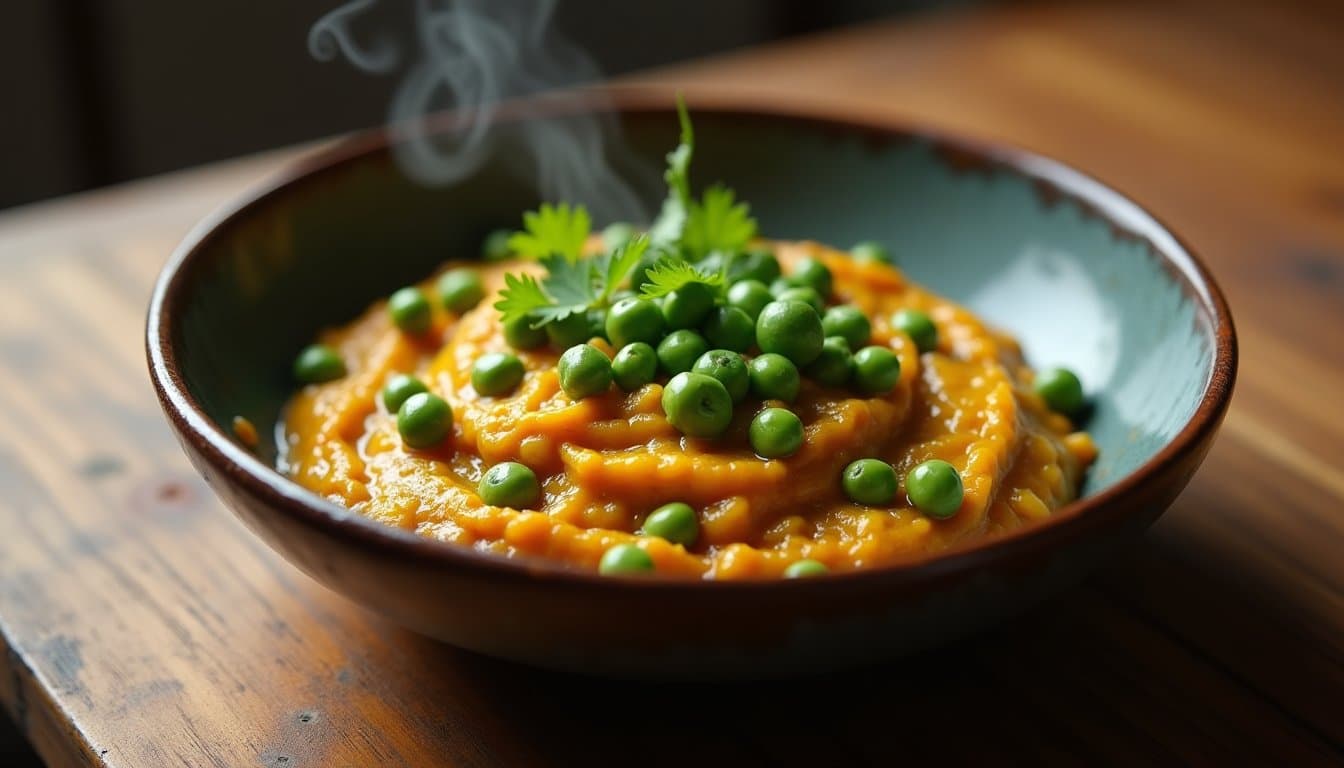
Spring Pea and Ramp Dal with Wild Garlic Tadka and Crispy Curry Leaves
Appalachian foraged ramps have no business being in a Bengali masoor dal, and yet here we are. The sulfurous, leek-meets-garlic punch of ramps and wild garlic replaces the traditional onion-garlic base entirely, while spring peas dissolve into the lentils and bring a grassy sweetness dal has never had before. The plot twist is a screaming-hot wok tadka of curry leaves, black mustard seeds, and raw wild garlic poured over the top at the last second.
Get the free flavor science guide.
5 rules that explain why unusual combinations work — plus new recipes every week.
You can unsubscribe anytime. No spam, ever. Or just read the guide.