This post contains affiliate links. We may earn a small commission at no extra cost to you. Learn more
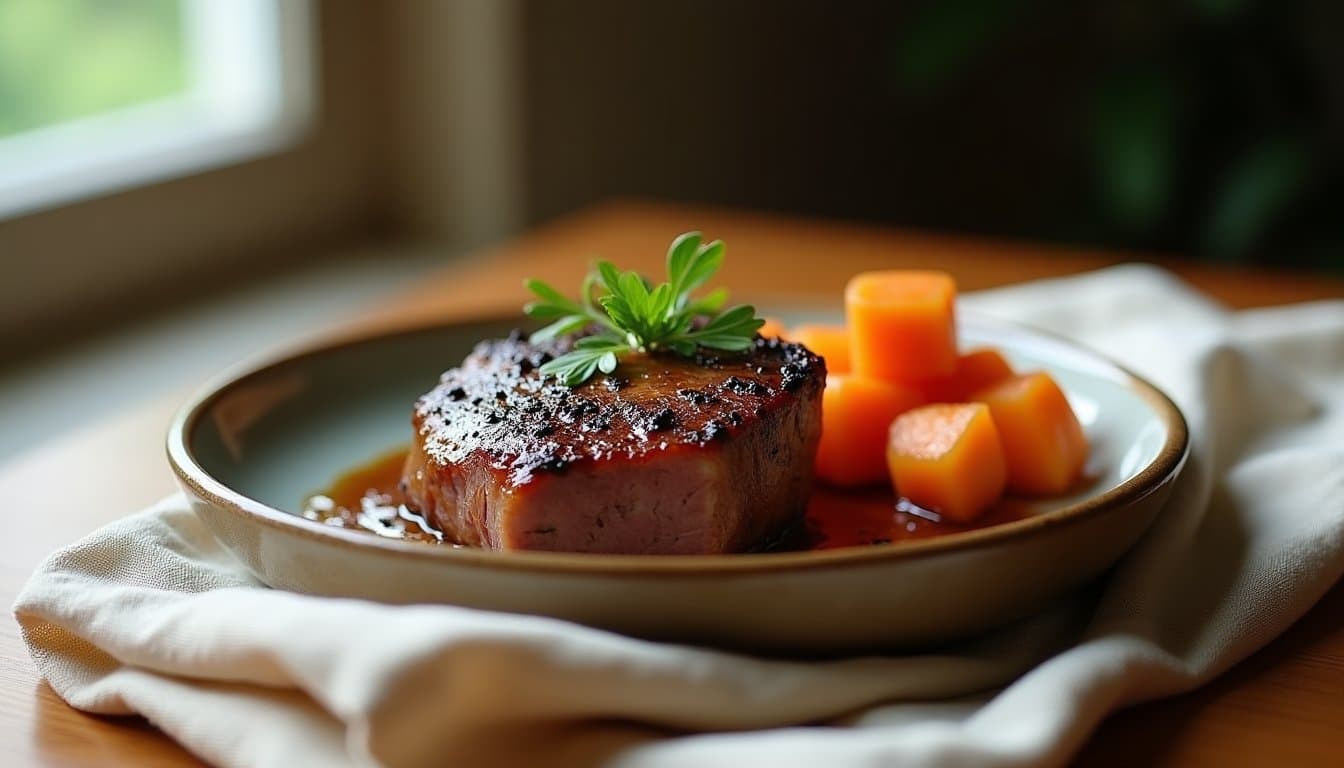
Koji-Marinated Lamb Shoulder with Spring Pea Purée and Ramp Salsa Verde
what's this?
Strangeness scale
- 1 — Slightly odd
- 2 — Raises eyebrows
- 3 — Genuinely strange
- 4 — Deeply weird
- 5 — Unhinged
- Cook
- 3h 30m
- Total
- 49h 30m
- Difficulty
- Hard
- Serves
- 6
- Origin
- Japanese
Aspergillus oryzae at a Mediterranean dinner party sounds like a prank, but the result is genuinely strange and genuinely delicious. Koji rice paste spends 48 hours dismantling lamb's muscle proteins, leaving you with a roast that's tender without the 12-hour braise and loaded with umami you can't quite place. Ramp salsa verde brings a funky, grassy sharpness that connects Japan's fermentation traditions to Appalachian spring foraging, and the pea purée keeps the whole plate from flying off the rails.
Equipment
Why It Actually Works
Shio koji carries active proteases, specifically glutamyl endopeptidase and other Aspergillus-derived enzymes, that cleave peptide bonds in lamb's collagen and myosin over the 48-hour marinade, achieving a tenderness that rivals a 12-hour braise without the active cooking time. The glutamate and free amino acids released by koji fermentation stack synergistically with lamb's own inosinates (IMP), a phenomenon neuroscientists call umami synergy, the same reason dashi plus parmesan tastes unreasonably good. Ramp's organosulfur compounds, close relatives of allicin, echo the savory-pungent character of Japanese alliums like negi while pulling toward Mediterranean salsa verde, so they're doing real flavor work rather than just looking seasonal.
Learn the flavor science rules behind recipes like this →Ingredients
- 2.5 kg bone-in lamb shoulder, excess fat trimmed to 5mm cap
- 180 g shio koji (salted rice koji paste), store-bought or homemade
- 2 tbsp white miso paste, gluten-free certified
- 1 tbsp toasted sesame oil
- 4 cloves garlic, microplaned into paste
- 2 tsp fresh ginger, microplaned
- 1 tsp black pepper, coarsely ground
- 60 ml sake (gluten-free rice sake), for deglazing
- 250 ml dashi stock, kombu-only for gluten-free
- 500 g fresh spring peas, shelled (or frozen if unavailable)
- 1 small shallot, roughly chopped
- 2 cloves garlic, smashed
- 60 ml extra-virgin olive oil
- 30 g unsalted butter
- 80 ml full-fat coconut cream
- salt and white pepper to taste
- 1 tsp fresh lemon juice
- 120 g fresh ramps (wild leeks), cleaned, white and green parts separated
- 30 g fresh flat-leaf parsley leaves
- 15 g fresh mint leaves
- 15 g fresh tarragon leaves
- 1 tbsp capers in brine, drained and roughly chopped
- 1 tsp lemon zest
- 2 tbsp fresh lemon juice
- 1 tsp rice wine vinegar
- 90 ml extra-virgin olive oil
- 1 small green chili, seeds removed, finely minced
- flaky sea salt and black pepper to taste
- 2 tbsp neutral oil (rice bran or avocado), for searing
Instructions
1. MAKE THE KOJI MARINADE (48 hours before serving): In a small bowl, combine shio koji paste, white miso, sesame oil, microplaned garlic, microplaned ginger, and black pepper. Whisk until smooth and cohesive. The paste should smell aggressively savory and slightly sweet — that's your enzymes saying hello.
2. MARINATE THE LAMB: Pat the lamb shoulder completely dry with paper towels. Using your hands (wear gloves if you're precious about it), coat every surface of the lamb with the koji marinade, getting into every crevice around the bone. Place in a large zip-lock bag or tightly covered baking dish. Refrigerate for 48 hours minimum — 72 hours if you want to enter a higher plane of existence. The koji proteases will tenderize the meat at a molecular level.
3. BRING LAMB TO TEMPERATURE: Remove the lamb from the refrigerator 2 hours before cooking. Scrape off the majority of the marinade (leave a thin coating — don't rinse, but prevent burning). Let it come fully to room temperature.
4. PREHEAT AND SEAR: Preheat your oven to 160°C (320°F) fan-forced. Heat neutral oil in a large oven-safe Dutch oven or heavy roasting pan over high heat until shimmering. Sear the lamb shoulder on all sides, including the bone side, for 3–4 minutes per side until deeply caramelized and mahogany-brown. The koji sugars will caramelize fast — watch carefully and lower heat slightly if needed.
5. DEGLAZE AND BRAISE-ROAST: Remove the lamb and pour off excess fat, leaving 1 tablespoon in the pan. Deglaze with sake, scraping up every dark fond particle — that's flavor archaeology. Add kombu dashi. Return lamb to the pan, fat cap facing up. Cover tightly with a lid or double layer of foil and transfer to the oven.
6. SLOW ROAST: Roast covered at 160°C for 2.5 hours. Then remove the lid, increase temperature to 200°C (390°F), and roast uncovered for a final 30–40 minutes until the exterior is lacquered, deeply browned, and an internal thermometer reads 88–92°C (190–195°F) for pull-apart tenderness. Rest the lamb uncovered for 25 minutes before serving.
7. MAKE THE PEA PURÉE: While the lamb roasts in its final uncovered phase, bring a medium saucepan of well-salted water to a boil. Blanch shelled peas for 90 seconds, then transfer immediately to an ice bath. In the same pan, soften shallot and garlic in olive oil over medium-low heat for 5 minutes without browning. Drain peas and add to the pan. Add butter and coconut cream. Cook 2 minutes, stirring.
8. BLEND THE PURÉE: Transfer pea mixture to a high-speed blender. Blend on high for 3–4 minutes until completely silky — no graininess allowed. Pass through a fine-mesh sieve if you want to be extra. Season with salt, white pepper, and lemon juice. Keep warm in a small saucepan over very low heat, stirring occasionally.
9. MAKE THE RAMP SALSA VERDE: Finely slice the white parts of the ramps and place in a bowl with the rice wine vinegar and a pinch of salt. Let macerate for 10 minutes — this mellows their raw bite. Roughly chop the ramp greens, parsley, mint, and tarragon together on a large cutting board until the herbs form a coarse, fragrant rubble. Combine with macerated ramp whites, capers, lemon zest, lemon juice, minced chili, and olive oil. Stir well. Taste and adjust salt, acid, and heat. This should taste wild, grassy, and aggressively alive.
10. PLATE AND SERVE: Spoon a generous swoosh of pea purée onto each warmed plate. Pull or slice the rested lamb shoulder and arrange over the purée — the meat should be falling-apart tender with a lacquered, almost sticky exterior. Spoon ramp salsa verde generously over the lamb and let it pool into the purée. Finish with flaky sea salt and serve immediately.
Nutrition (estimated per serving)
- Calories
- 742
- Fat
- 48g
- Carbs
- 18g
- Protein
- 57g
- Fiber
- 4g
- Sodium
- 1340mg
Variations
- Koji duck leg: swap the lamb shoulder for a whole duck leg, cut the koji marinade to 24 hours, and roast at 150°C for 2 hours. The duck fat renders into the koji paste and the skin caramelizes more aggressively than lamb ever does.
- Whole roasted celeriac: coat a 1.2kg celeriac head in the same koji-miso paste and roast at 180°C for 90 minutes until the interior is completely soft and the outside is deeply caramelized. Replace dashi with kombu water and swap the butter for vegan butter.
- Off-season ramp substitute: use 4 spring onions in place of ramp bulbs and replace the green leaves with a mix of chives and baby spinach, then add a small amount of roasted garlic to recover some of the depth ramps bring.
Storage & Make-Ahead
The lamb shoulder itself is a great make-ahead project: once roasted, pull the meat from the bone, pack it tightly in a container with any braising juices, and it'll keep in the fridge for up to 4 days or freeze well for 2 months. Reheat it low and slow, covered, at 150°C with a splash of dashi or water to keep it from drying out. The pea purée holds for 2 days in the fridge but will oxidize to a dull green by day two, so press plastic wrap directly onto the surface and expect to re-season with lemon juice before serving. Make the ramp salsa verde the day you're eating, since the ramp greens turn slimy and the herbs go brown overnight, even submerged in oil.
Reader Tips
No tips yet — be the first!
More Strange Recipes
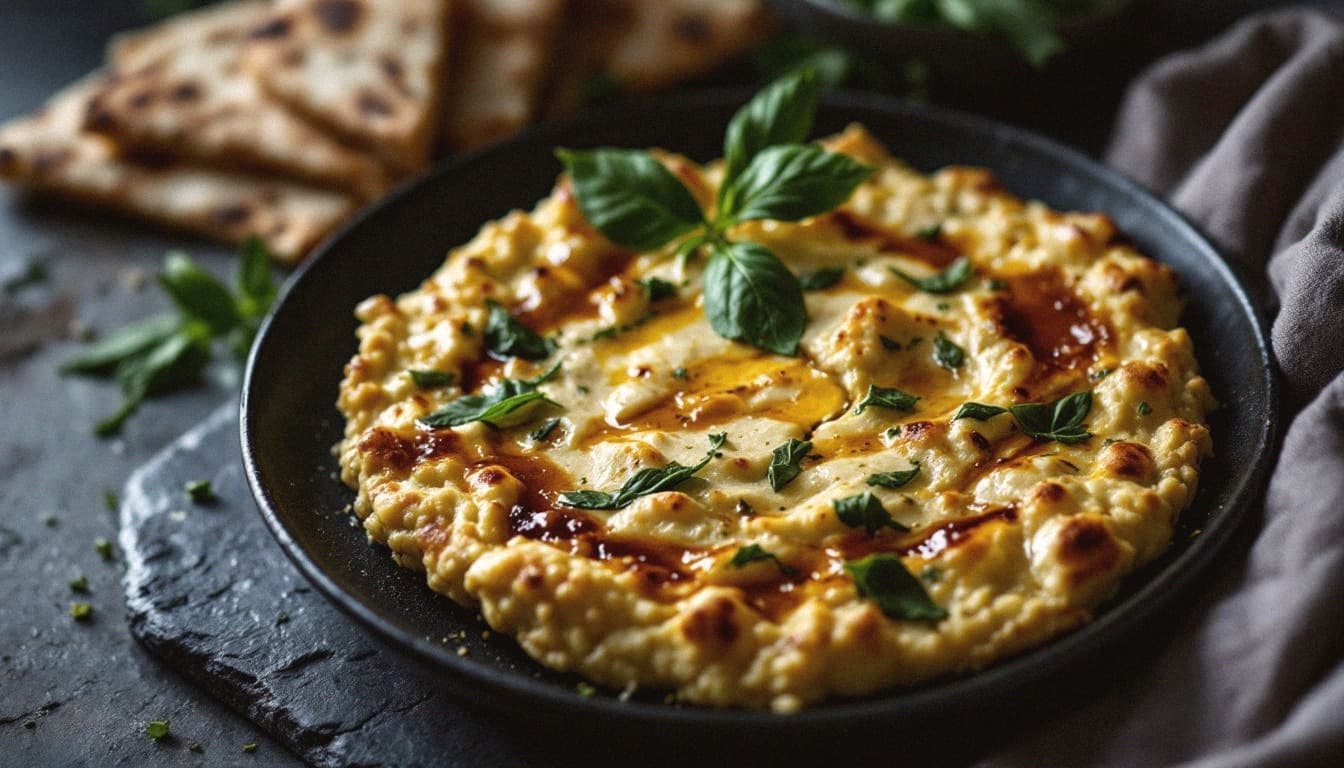
Wild Garlic Fatteh with Spring Peas and Pomegranate Molasses
Fatteh without yogurt sounds like a mistake, but wild garlic sauce and pomegranate molasses together do exactly what yogurt does: cut the richness of chickpeas with acid and funk. The wild garlic loses its raw, almost aggressive bite when it hits warm broth, settling into something foresty and complex that no restaurant version of this dish has ever tasted like. Make it while wild garlic is actually in season, because ramps or dried garlic won't get you there.
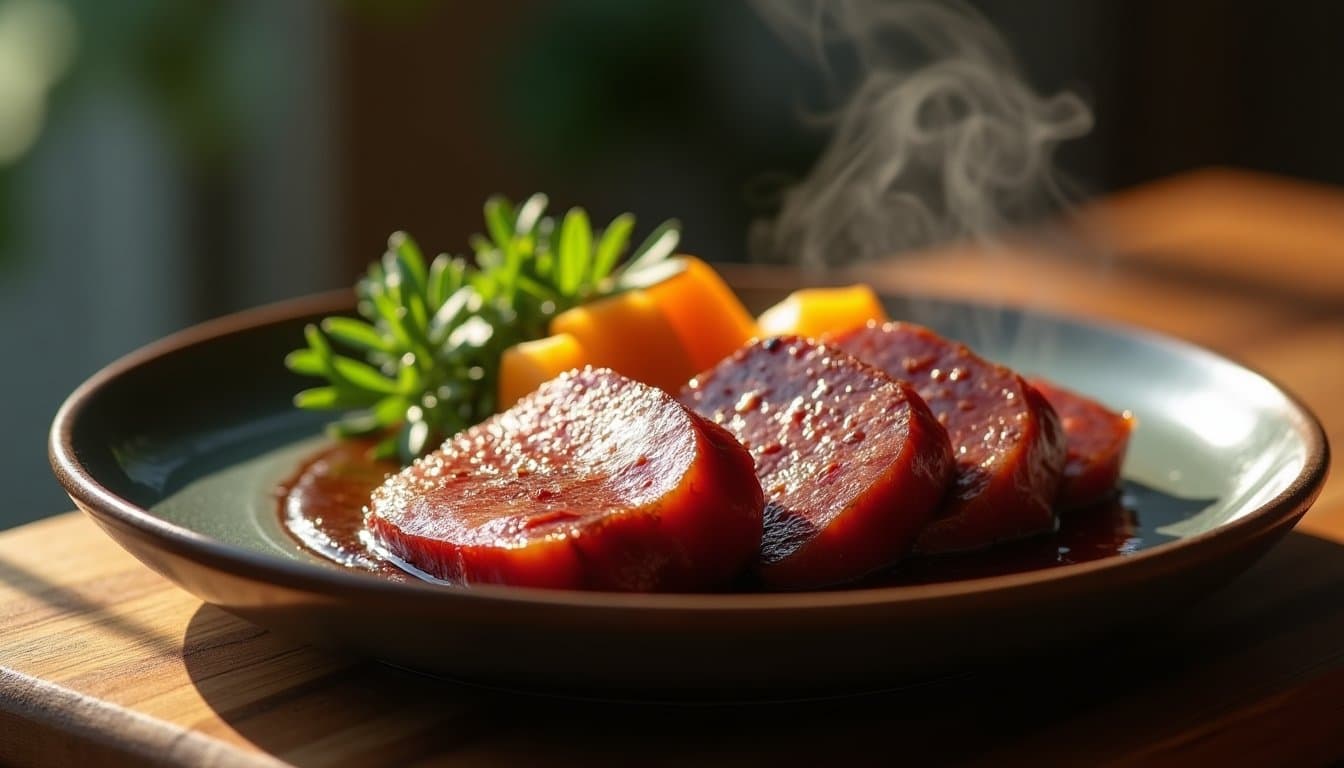
Cold-Smoked Duck Breast with Rhubarb-Ramp Gastrique and Spring Pea Purée
Duck breast gets cold-smoked over juniper and birch, seared to a lacquered crisp, then laid over sweet spring pea purée with a glossy rhubarb-ramp gastrique that is equal parts savage and elegant. Rhubarb's oxalic tartness cuts clean through the duck's subcutaneous fat, while wild ramps bring a sulfurous, garlicky funk that somehow tastes like the forest floor decided to dress for dinner. Nordic spring on a plate: fleeting, feral, and worth every step.
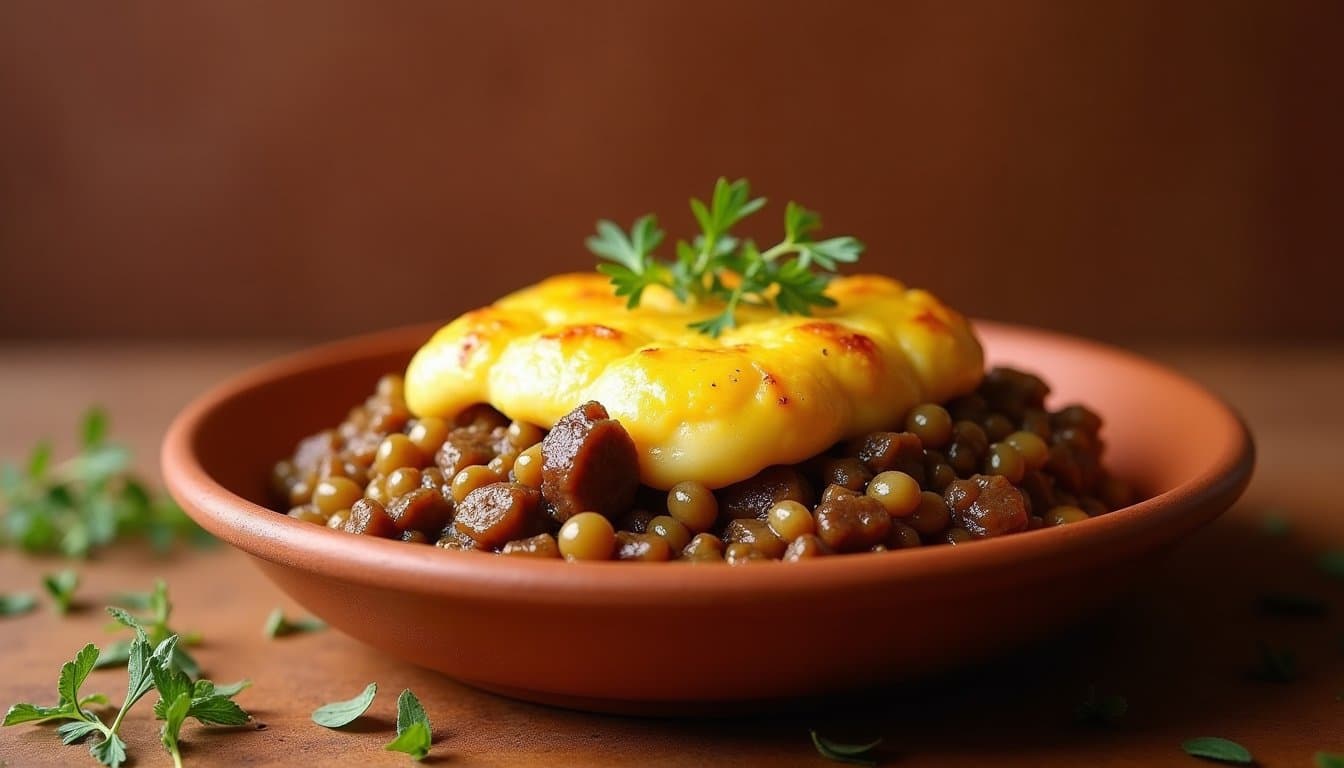
Wild Garlic Lamb Keema Shepherd's Pie with Ramp Mash and Pickled Pea Topping
A British pub kitchen meets a Mumbai dhaba, and neither one blinks. Spiced lamb keema loaded with wild garlic replaces the usual mince filling, a ramp-infused mash crowns the top, and bright pickled peas cut through the richness like a vinegar slap. Comfort food with a passport and a mild identity crisis — exactly how we like it.
Get the free flavor science guide.
5 rules that explain why unusual combinations work — plus new recipes every week.
You can unsubscribe anytime. No spam, ever. Or just read the guide.