This post contains affiliate links. We may earn a small commission at no extra cost to you. Learn more
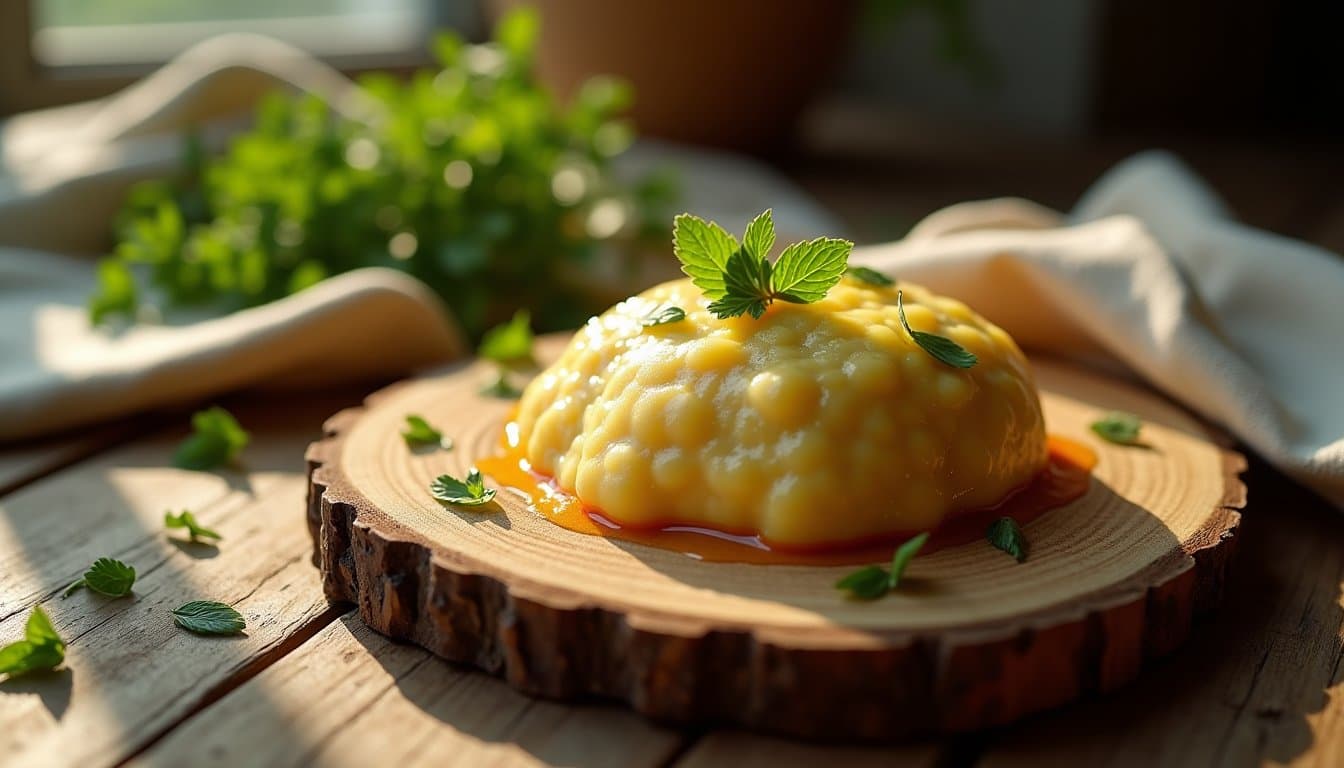
Poached Ramp-Miso Compound Butter with Za'atar and Preserved Lemon
what's this?
Strangeness scale
- 1 — Slightly odd
- 2 — Raises eyebrows
- 3 — Genuinely strange
- 4 — Deeply weird
- 5 — Unhinged
- Cook
- 15m
- Total
- 35m
- Difficulty
- Medium
- Serves
- 6
- Origin
- Israeli
Butter poached into a pourable sauce shouldn't taste like this, but here we are: Israeli pantry staples, wild spring ramps, and Japanese miso doing something genuinely strange and good together. White miso deepens ramps' fleeting garlicky-onion funk, while preserved lemon and za'atar drag the whole thing into bright, herby Mediterranean territory. It's beurre blanc's more adventurous cousin, the one who spent a year foraging and fermenting.
Equipment
Why It Actually Works
White miso's glutamate-rich fermentation byproducts amplify ramps' allyl sulfide compounds, the molecules behind that spring garlic-onion perfume, making them read as deeper and more persistent on the palate. Poaching butter at sub-boiling temperatures, rather than browning or sautéing it, keeps those volatile aromatics intact, while cold-mounting creates a stable oil-in-water emulsion that carries fat-soluble flavor compounds from the ramps and za'atar straight to your taste receptors. Preserved lemon's fermented citric acid brightens the sauce and acts as a mild emulsion stabilizer, and its salt content suppresses bitterness, which is the same reason miso-lemon pairings are so compulsively good.
Learn the flavor science rules behind recipes like this →Ingredients
- 225 g unsalted butter, cold, cut into 1 cm cubes
- 6 large ramp bulbs with lower stems, roots trimmed and cleaned
- 1 handful ramp leaves, roughly torn
- 2 tbsp white shiro miso
- 1 tbsp preserved lemon rind, finely minced (pulp discarded)
- 2 tsp za'atar spice blend
- 1 tsp fresh thyme leaves, stripped from stems
- 1 tbsp fresh flat-leaf parsley, finely chopped
- 120 ml dry white wine (such as Israeli Sauvignon Blanc)
- 60 ml cold water
- 1 small shallot, peeled and thinly sliced
- 1 tsp white wine vinegar
- 1 pinch white pepper, freshly ground
- flaky sea salt, to taste
Instructions
1. Blanch the ramp bulbs and stems: bring a small saucepan of salted water to a rolling boil. Drop in the ramp bulbs and lower stems for exactly 45 seconds, then transfer immediately to an ice bath. Pat dry and set aside. Reserve the ramp leaves raw — they'll go in off-heat.
2. Build your poaching liquid: in a wide, heavy-bottomed saucepan (a sauté pan works great), combine the white wine, cold water, sliced shallot, and white wine vinegar. Bring to a brisk simmer over medium heat and reduce by half, about 4–5 minutes. You want roughly 80 ml of intensely flavored liquid remaining.
3. Bloom the miso: whisk the white miso directly into the warm reduced liquid until fully dissolved. Reduce heat to the lowest possible setting — you're looking for a gentle, barely-there simmer, around 70–75°C (160–165°F). This is your poaching temperature; too hot and the emulsion breaks, too cool and the butter won't mount properly.
4. Mount the butter: begin adding the cold butter cubes two or three at a time, whisking constantly in a circular motion. Wait until each addition is nearly incorporated before adding the next. The sauce will gradually thicken into a glossy, pale yellow emulsion. This process should take 6–8 minutes — patience is the entire game here.
5. Add the ramps: finely chop the blanched ramp bulbs and stir them into the mounted butter sauce. Let them poach gently in the warm butter for 2 minutes, stirring occasionally. Remove the pan from heat entirely.
6. Finish with aromatics: stir in the preserved lemon rind, za'atar, fresh thyme, and white pepper. The residual heat will gently perfume the butter without cooking off the volatile aromatics. Fold in the raw torn ramp leaves and chopped parsley — they'll wilt just slightly and stay vivid green.
7. Taste and season: the miso and preserved lemon are both salty, so taste before adding any additional flaky sea salt. Adjust acidity with a tiny extra splash of white wine vinegar if needed.
8. Serve immediately or hold: serve right away spooned over grilled fish, roasted vegetables, or warm laffa bread. To hold for up to 20 minutes, keep the pan over the lowest possible heat or nestle it in a warm water bath, whisking occasionally. Do not reheat from cold — the emulsion will not survive it.
Nutrition (estimated per serving)
- Calories
- 318
- Fat
- 32g
- Carbs
- 4g
- Protein
- 2g
- Fiber
- 1g
- Sodium
- 380mg
Variations
- Tahini swirl: whisk 1 tablespoon of raw tahini into the finished sauce just before serving for a nuttier, more deeply Israeli character. It adds body and a sesame note that pairs well with grilled eggplant.
- Sumac-spiked version: swap za'atar for 1½ teaspoons of ground sumac and add a pinch of Aleppo pepper for a more tart, fruity heat profile that works well over poached white fish or salmon.
- Ramp-free adaptation for out of season: substitute 4 green garlic stalks, blanched the same way, plus 2 tablespoons of finely sliced chives for the ramps. You lose some of the wild funk but keep the layered allium complexity.
Storage & Make-Ahead
Roll the finished compound butter tightly in plastic wrap or parchment, twist the ends closed, and refrigerate for up to 5 days — the miso and preserved lemon flavors actually sharpen and meld after a night in the fridge, so making it a day ahead is worth the wait. For longer storage, freeze the log for up to 2 months; slice off rounds straight from frozen and let them melt over hot food without thawing the whole log. The za'atar's dried herbs hold up well inside the butter, but if you're sprinkling extra za'atar on top as a garnish, add it fresh at serving so it doesn't turn muddy and damp against the butter's surface.
Reader Tips
No tips yet — be the first!
More Strange Recipes
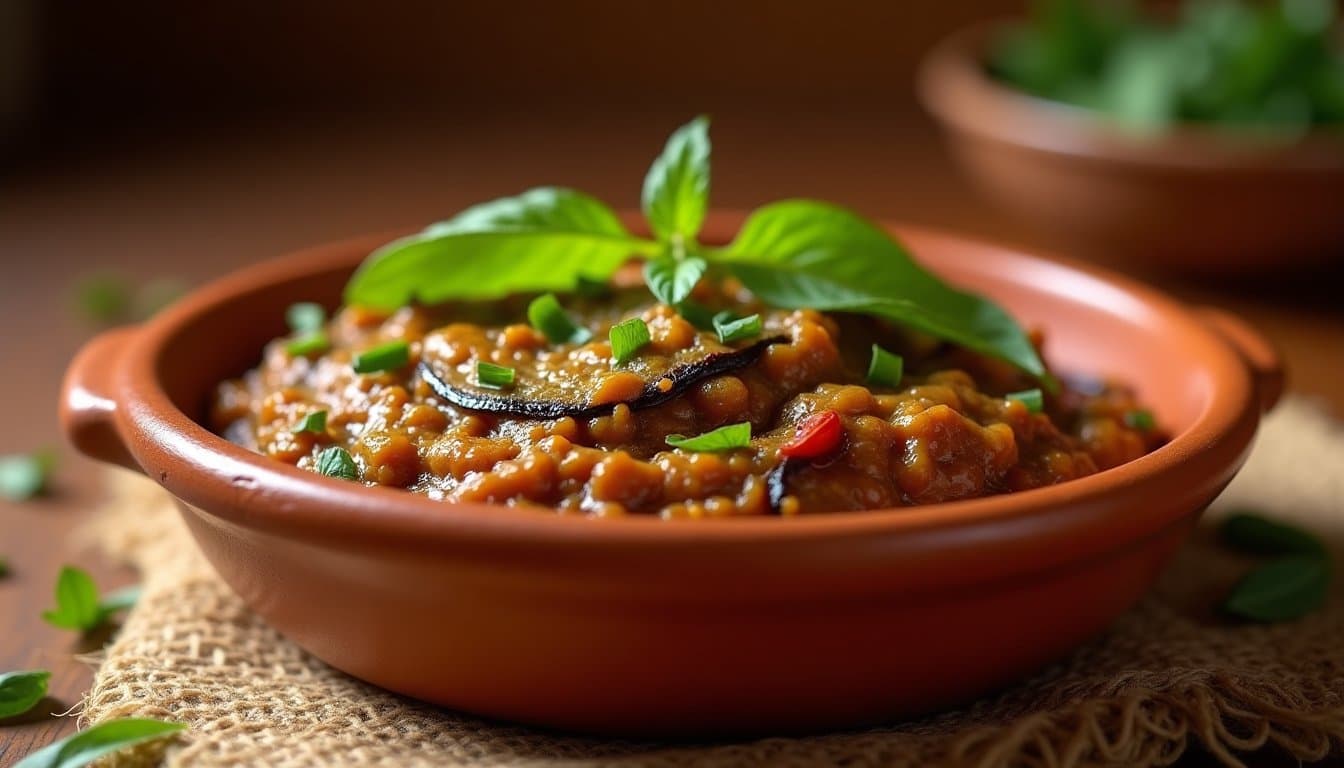
Kashk-e Bademjan Roasted Eggplant Dip with Ramp Oil and Wok-Charred Walnuts
Persian kashk-e bademjan's feral spring cousin. Smoky roasted eggplant and tangy fermented whey get ambushed by a neon-green ramp oil and walnuts dry-toasted in a screaming-hot wok until they're borderline burnt and magnificent. The ramps bring a garlicky sharpness that makes the funky kashk taste even more ancient, while the wok char on the walnuts cuts straight through the eggplant's natural sweetness.
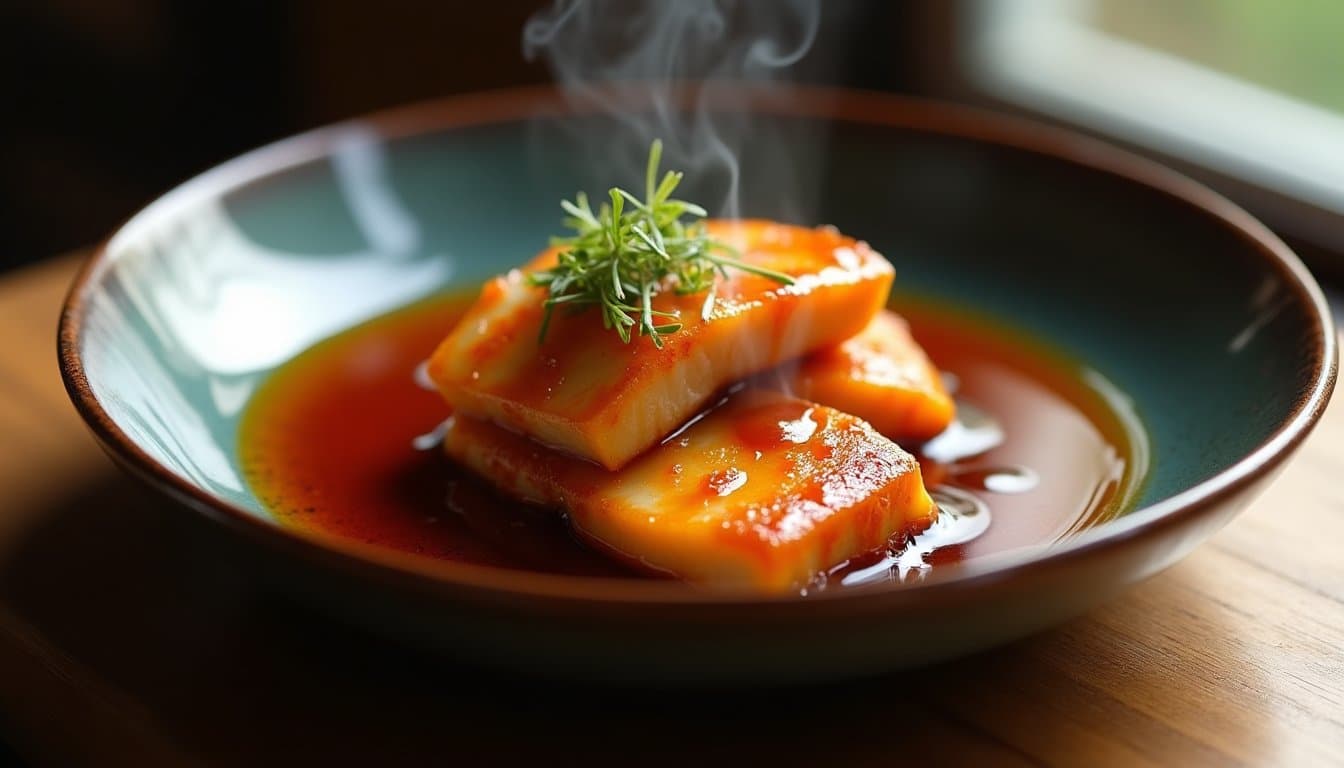
Caramelized Fish Sauce & Tamarind Glaze with Wild Garlic and Ramps
Fish sauce, cooked down until it turns syrupy and almost jammy, smells like a dare and tastes like a revelation. This Vietnamese-inspired glaze pushes that caramelized funk into genuinely strange territory by pulling in tamarind's fruity acid and wild garlic and ramps, two alliums that go feral when they hit warm oil. The result is something that belongs on grilled meat, noodles, or a spoon held over the sink at midnight.
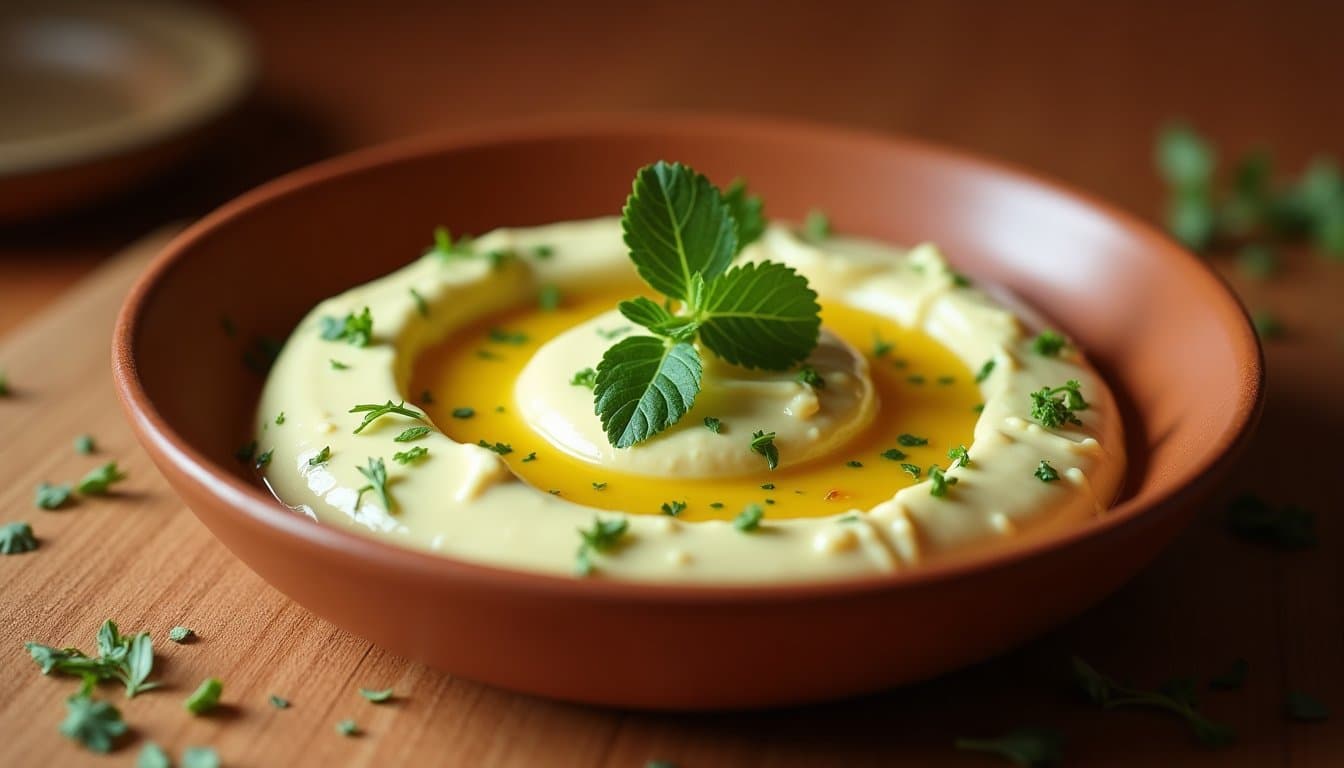
Sous-Vide Wild Garlic Aioli with Preserved Lemon and Smoked Paprika
Wild garlic has a window of maybe six weeks a year, and this sauce is the best argument for using every bit of it. A sous-vide oil infusion pulls out the fat-soluble aromatics before they vanish, then the whole thing gets shaken up with preserved lemon brine and smoked paprika in a move borrowed loosely from Argentine chimichurri. The result is simultaneously ancient and a little alien, and it's the most intensely garlicky aioli you'll make without shedding a tear.
Get the free flavor science guide.
5 rules that explain why unusual combinations work — plus new recipes every week.
You can unsubscribe anytime. No spam, ever. Or just read the guide.