This post contains affiliate links. We may earn a small commission at no extra cost to you. Learn more
Morel Mushroom XO Sauce with Lap Cheong, Dried Shrimp, and Ramp Oil
what's this?
Strangeness scale
- 1 — Slightly odd
- 2 — Raises eyebrows
- 3 — Genuinely strange
- 4 — Deeply weird
- 5 — Unhinged
- Cook
- 1h 30m
- Total
- 2h 15m
- Difficulty
- Hard
- Serves
- 16
- Origin
- Chinese
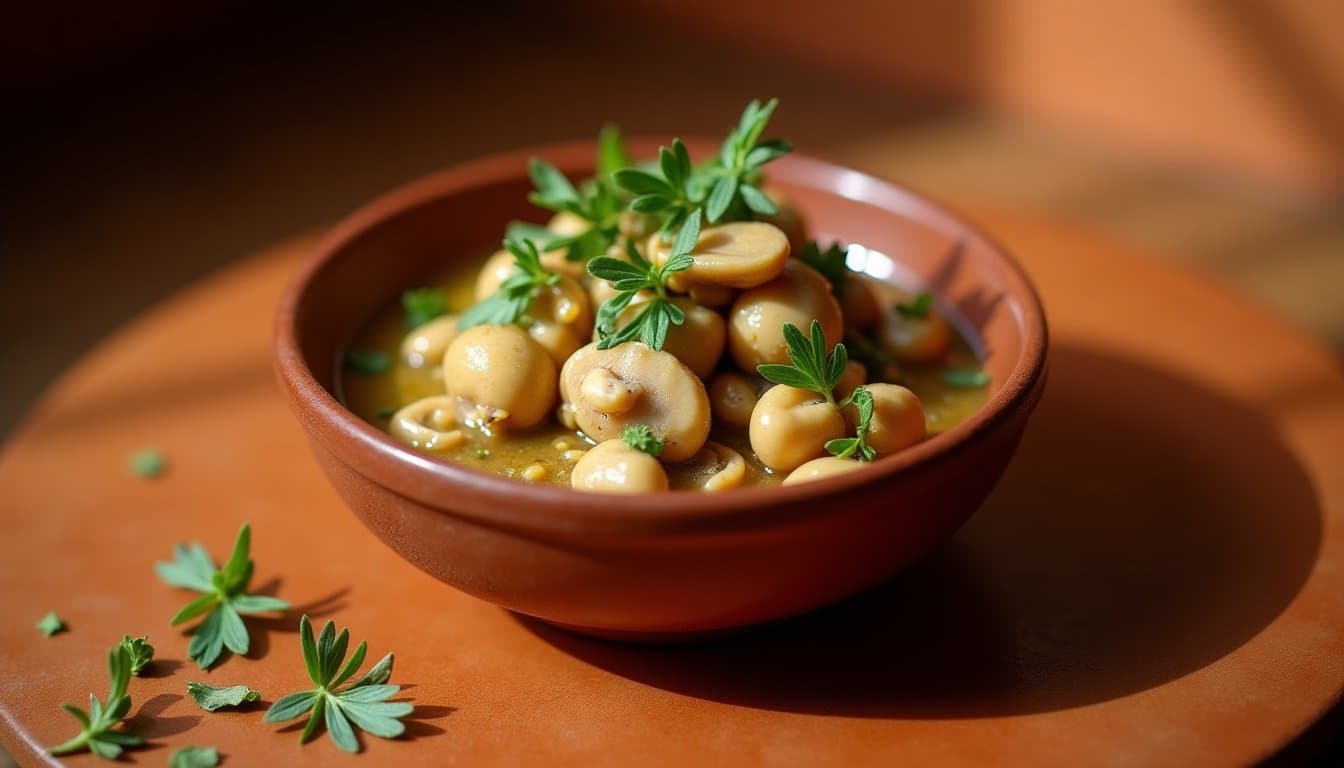
Classic XO sauce already plays in the deep end of umami, but swapping dried scallop for earthy, honeycomb-structured morel mushrooms and finishing with wild ramp confit oil turns this luxury condiment into something genuinely unhinged, in the best possible way. The morels bring a forest-floor funk that lap cheong's sweet pork fat and dried shrimp's oceanic brine have always needed. Spoon this over rice, noodles, eggs, or frankly your hand if nobody's watching.
Equipment
Why It Actually Works
Morel mushrooms are loaded with glutamic acid, the same free glutamate that makes traditional XO scallops so addictive, but they also carry an earthy volatile compound called 1-octen-3-ol that dried scallops simply don't have, which gives the umami hit a second, woodsier dimension. Lap cheong's cured fat dissolves fat-soluble flavor compounds from both the shrimp and mushrooms during the confit, acting as a flavor solvent that pulls disparate ingredients into a single coherent sauce, a principle borrowed straight from French duck confit and applied to Chinese aromatics. Ramp oil contributes organosulfur compounds from the same family as garlic and onion, but at a gentler, more floral register that bridges the oceanic shrimp notes and the forest mushroom notes without steamrolling either.
Learn the flavor science rules behind recipes like this →Ingredients
- 60 g dried morel mushrooms, rehydrated in warm water 30 minutes, soaking liquid reserved
- 150 g lap cheong (Chinese cured sausage), finely minced
- 80 g dried shrimp (medium grade), soaked in cold water 20 minutes, drained
- 1 whole head garlic, cloves peeled and roughly chopped
- 40 g fresh ginger, peeled and finely minced
- 6 dried red chilies (Facing Heaven or Tianjin), seeds removed, roughly chopped
- 2 tbsp doubanjiang (spicy fermented bean paste), for depth
- 1 tbsp oyster sauce
- 2 tsp fish sauce
- 1 tsp white sugar
- 1 tsp kosher salt, plus more to taste
- 1/2 tsp white pepper, freshly ground
- 300 ml neutral oil (grapeseed or rice bran), divided
- 12 wild ramp bulbs with lower stems, cleaned and roughly chopped
- 6 ramp leaves, reserved separately for finishing oil
- 2 tbsp Shaoxing wine
- 1 tbsp light soy sauce
- 1 tsp dark soy sauce
- 1/2 tsp MSG (optional but encouraged)
Instructions
1. MAKE THE RAMP CONFIT OIL: Combine 200 ml neutral oil and the chopped ramp bulbs and stems in a small saucepan. Heat over the lowest possible flame until tiny bubbles form around the ramps (roughly 80–90°C / 175–195°F — use a thermometer). Confit at this temperature for 25 minutes, maintaining gentle sizzle. Add ramp leaves in the final 3 minutes, then remove from heat and allow to cool 10 minutes. Strain through a fine-mesh sieve, pressing solids to extract maximum oil. Discard solids. Reserve ramp oil in a jar — it will be a luminous, allium-forward green-gold. Set aside.
2. PREP THE MORELS: Drain rehydrated morels, squeezing gently. Reserve 120 ml of the soaking liquid, pouring carefully to leave any grit behind. Finely chop morels into roughly 3–4 mm pieces — you want texture, not mush. Pat dry thoroughly with paper towels; moisture is the enemy of a good fry.
3. PROCESS THE SHRIMP: Pulse drained dried shrimp in a food processor 8–10 times until coarsely chopped but not powdered — you want varied texture. Set aside.
4. RENDER THE LAP CHEONG: In a wide, heavy-bottomed wok or saucepan, heat remaining 100 ml neutral oil over medium heat. Add minced lap cheong and fry, stirring frequently, for 6–8 minutes until fat renders and edges crisp slightly. The oil will turn a gorgeous amber-orange. Do not drain — this fat is the foundation.
5. BUILD THE AROMATICS: Reduce heat to medium-low. Add garlic and ginger to the lap cheong fat and fry for 3–4 minutes, stirring constantly, until softened and fragrant but not browned. Add dried chilies and stir 1 minute more.
6. ADD SHRIMP AND MORELS: Increase heat to medium. Add chopped dried shrimp and fry 4–5 minutes until they begin to color and smell deeply toasty. Add chopped morels and stir-fry 5–6 minutes until they've expelled their moisture and begun to crisp at the edges. This is where the magic happens — listen for the sizzle to intensify as moisture cooks off.
7. DEGLAZE AND SEASON: Add doubanjiang and stir into the mixture for 2 minutes, letting it fry slightly. Splash in Shaoxing wine — stand back, it'll steam dramatically. Add the reserved morel soaking liquid, light soy sauce, dark soy sauce, oyster sauce, fish sauce, sugar, white pepper, and MSG if using. Stir to combine.
8. CONFIT THE SAUCE: Pour the prepared ramp confit oil over the entire mixture — it should just barely submerge the solids. If needed, add a splash more neutral oil. Reduce heat to the absolute lowest setting and confit the entire sauce for 35–40 minutes, stirring every 8–10 minutes, until the mixture is deeply fragrant, the oil has absorbed all the flavors, and everything is suspended in a jammy, glistening mass. The oil should be gently bubbling, not frying aggressively.
9. FINAL SEASONING: Remove from heat. Taste carefully — it will be intensely savory. Adjust with salt, a pinch more sugar, or a few drops more fish sauce. The sauce should be complex, funky, sweet-salty-umami with a lingering allium note that creeps up on you.
10. JAR AND STORE: Spoon into sterilized glass jars while still warm, ensuring the oil covers the solids completely (this is the preservation layer). Let cool to room temperature before sealing. Refrigerate for up to 6 weeks. The flavor deepens dramatically after 48 hours — try to wait.
Nutrition (estimated per serving)
- Calories
- 198
- Fat
- 17g
- Carbs
- 6g
- Protein
- 5g
- Fiber
- 1g
- Sodium
- 480mg
Variations
- VEGAN FOREST XO: Replace lap cheong with finely diced smoked king oyster mushrooms crisped in sesame oil, swap dried shrimp for rehydrated wakame chopped fine, and use miso paste instead of oyster and fish sauce. The umami scaffolding holds up surprisingly well.
- TRUFFLE ESCALATION: Stir in 1 tsp black truffle paste and a splash of truffle oil in the final 5 minutes of confit for a fully unhinged luxury version that costs approximately one mortgage payment per jar.
- SICHUAN HEAT BOMB: Double the dried chilies, add 1 tbsp Sichuan peppercorn toasted and cracked with the aromatics, and finish with 1 tsp chili crisp stirred in off-heat. It transforms the sauce from luxurious condiment to face-tingling obsession.
Storage & Make-Ahead
The finished XO sauce keeps in the fridge for up to 3 weeks as long as the solids stay submerged under the oil layer, so press everything down before sealing the jar. The ramp oil is the most time-sensitive component: it stays bright and grassy for about 5 days refrigerated, after which the flavor flattens noticeably, so make it close to when you plan to serve. For a head start, you can fry the lap cheong, dried shrimp, and aromatics up to 2 days ahead and refrigerate them separately, then combine with the rehydrated morels and finishing sauces when you're ready to complete the sauce. To reheat, warm a spoonful gently in a pan over low heat rather than microwaving, which can make the shrimp rubbery and muddy the doubanjiang's fermented edge.
Reader Tips
No tips yet — be the first!
More Strange Recipes
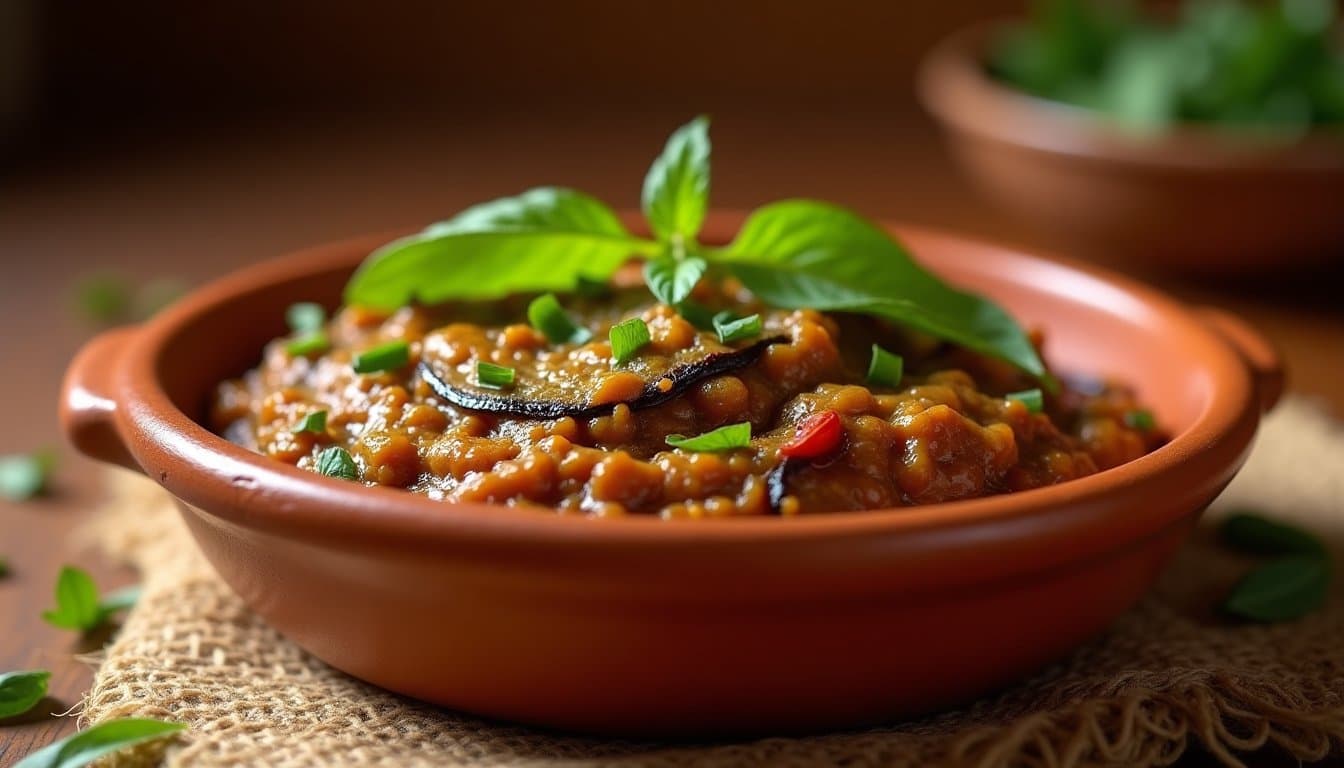
Kashk-e Bademjan Roasted Eggplant Dip with Ramp Oil and Wok-Charred Walnuts
Persian kashk-e bademjan's feral spring cousin. Smoky roasted eggplant and tangy fermented whey get ambushed by a neon-green ramp oil and walnuts dry-toasted in a screaming-hot wok until they're borderline burnt and magnificent. The ramps bring a garlicky sharpness that makes the funky kashk taste even more ancient, while the wok char on the walnuts cuts straight through the eggplant's natural sweetness.
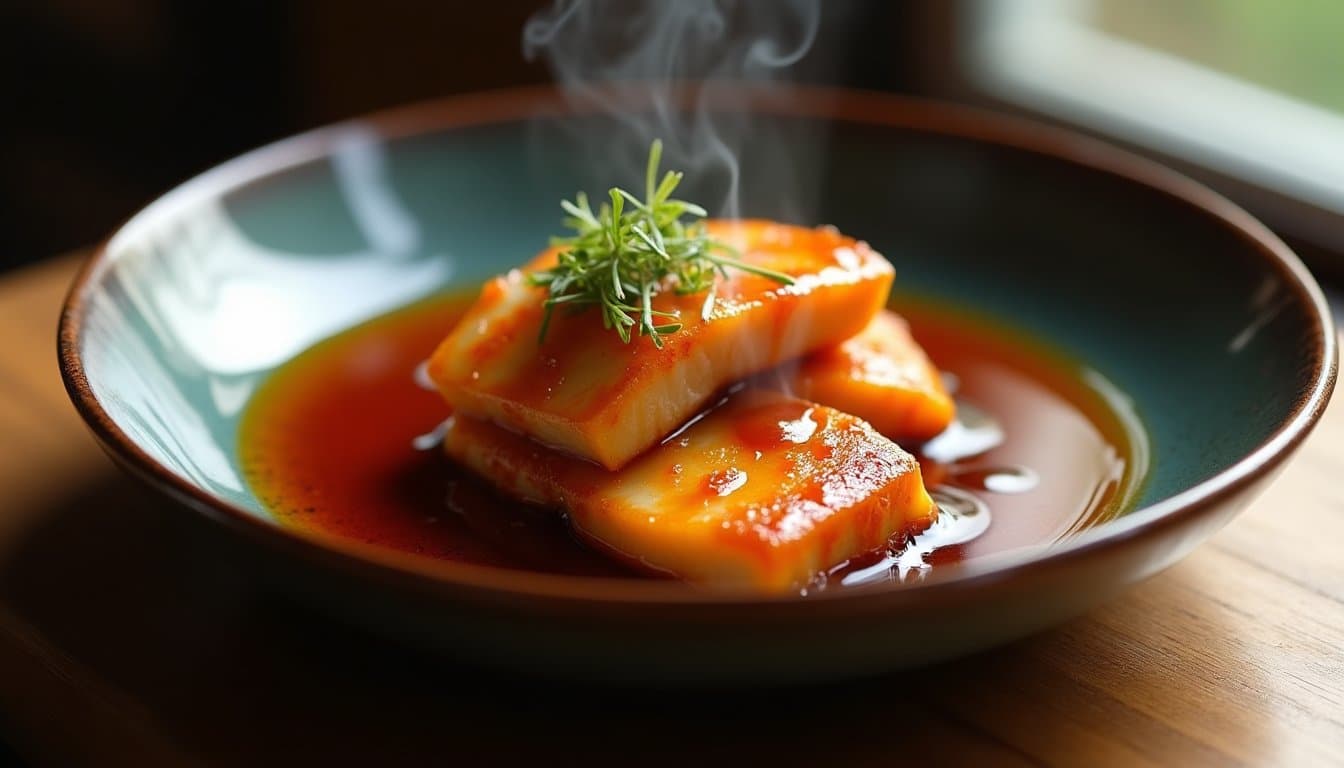
Caramelized Fish Sauce & Tamarind Glaze with Wild Garlic and Ramps
Fish sauce, cooked down until it turns syrupy and almost jammy, smells like a dare and tastes like a revelation. This Vietnamese-inspired glaze pushes that caramelized funk into genuinely strange territory by pulling in tamarind's fruity acid and wild garlic and ramps, two alliums that go feral when they hit warm oil. The result is something that belongs on grilled meat, noodles, or a spoon held over the sink at midnight.
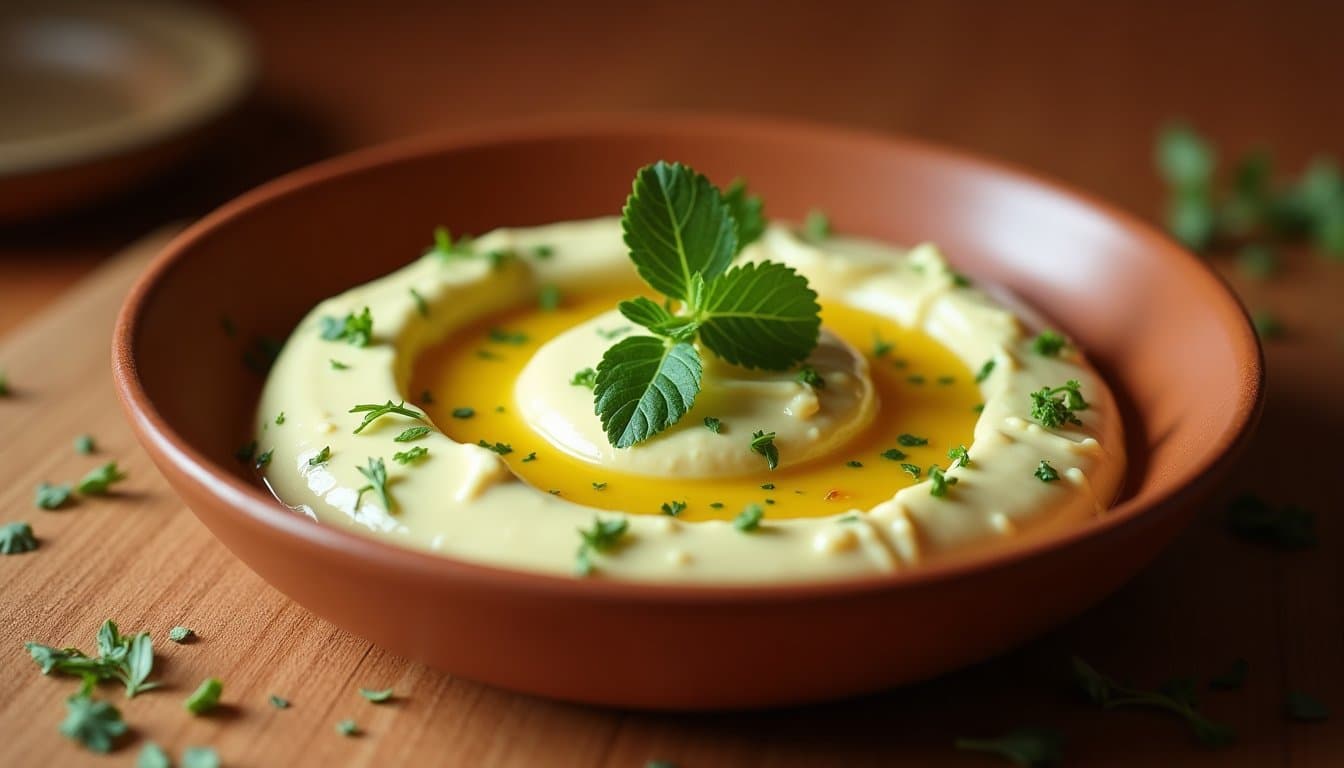
Sous-Vide Wild Garlic Aioli with Preserved Lemon and Smoked Paprika
Wild garlic has a window of maybe six weeks a year, and this sauce is the best argument for using every bit of it. A sous-vide oil infusion pulls out the fat-soluble aromatics before they vanish, then the whole thing gets shaken up with preserved lemon brine and smoked paprika in a move borrowed loosely from Argentine chimichurri. The result is simultaneously ancient and a little alien, and it's the most intensely garlicky aioli you'll make without shedding a tear.
Get the free flavor science guide.
5 rules that explain why unusual combinations work — plus new recipes every week.
You can unsubscribe anytime. No spam, ever. Or just read the guide.