This post contains affiliate links. We may earn a small commission at no extra cost to you. Learn more
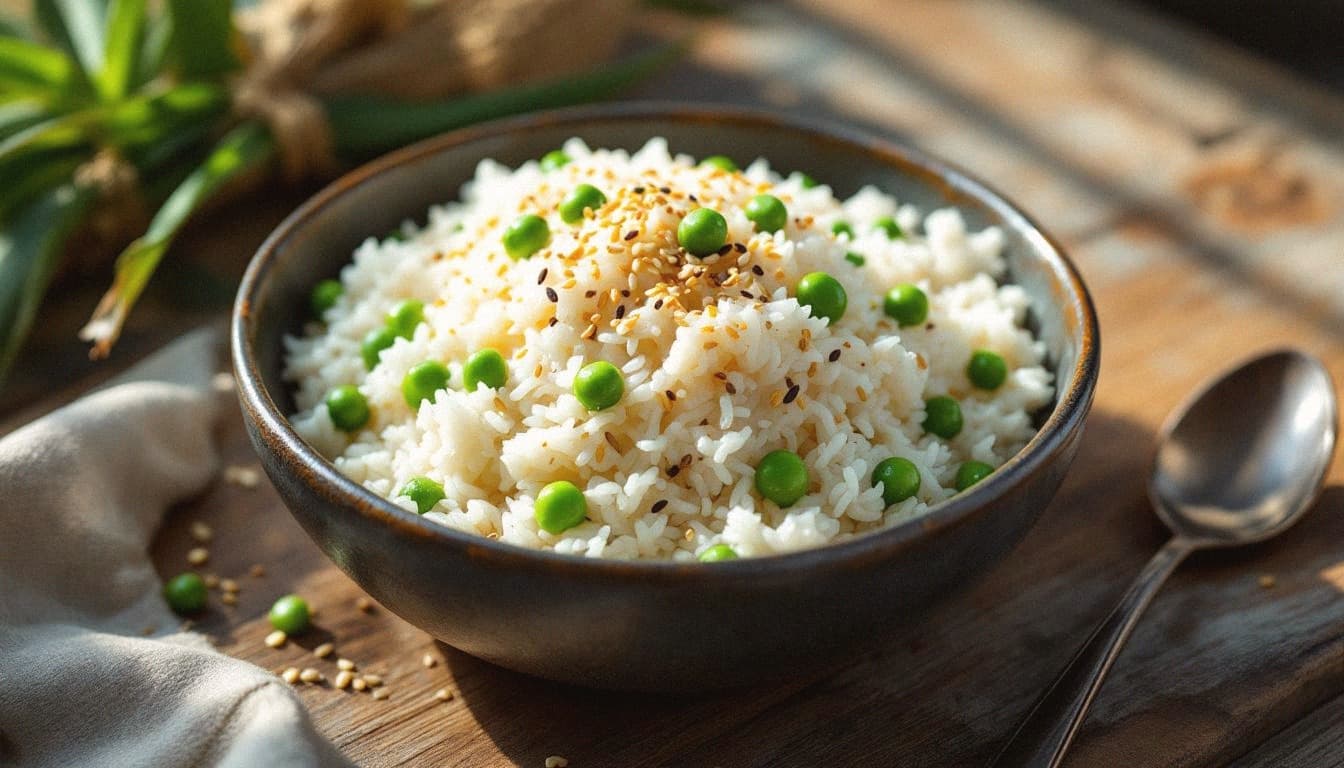
Pandan Sticky Rice with Spring Peas, Coconut Milk & Toasted Sesame
what's this?
Strangeness scale
- 1 — Slightly odd
- 2 — Raises eyebrows
- 3 — Genuinely strange
- 4 — Deeply weird
- 5 — Unhinged
- Cook
- 25m
- Total
- 40m
- Difficulty
- Easy
- Serves
- 4
- Origin
- Thai
Pandan smells like vanilla and fresh-cut grass had a child, and it turns out that child gets along surprisingly well with spring peas and coconut milk. The glutinous rice comes out of the pressure cooker glossy and jade-tinged, carrying the pandan's floral depth in every grain. Toasted sesame pulls it all back to earth just enough that you'll eat two bowls before you've thought about it.
Equipment
Why It Actually Works
Pandan leaves contain 2-acetyl-1-pyrroline, the same aromatic compound responsible for the fragrance in jasmine and basmati rice, so it amplifies the glutinous rice's natural floral character rather than competing with it. Coconut milk's fat content coats each grain during pressure cooking, producing a creaminess water can't match while carrying those fat-soluble pandan aromatics deep into the rice. Spring peas hold their starchy resistance against the uniform sticky chew, and the roasted pyrazines in toasted sesame keep the whole dish from tipping into pure floral sweetness.
Learn the flavor science rules behind recipes like this →Ingredients
- 1.5 cups glutinous (sticky) white rice, soaked in cold water for at least 4 hours then drained
- 4 fresh pandan leaves, tied into a knot
- 1 cup full-fat coconut milk
- 0.5 cup water
- 1 cup fresh or frozen spring peas, thawed if frozen
- 1.5 teaspoons fine sea salt
- 1 teaspoon granulated palm sugar or coconut sugar
- 2 tablespoons toasted white sesame seeds
- 1 tablespoon toasted black sesame seeds
- 1 tablespoon coconut oil
- 2 scallions, thinly sliced on the bias for garnish
- flaky sea salt, to finish
Instructions
Soak the glutinous rice in cold water for at least 4 hours or overnight. Drain thoroughly in a fine-mesh sieve and shake off the excess — uneven moisture means uneven cooking under pressure, and there's no fixing it after the fact.
Add the drained rice, coconut milk, water, palm sugar, fine sea salt, and knotted pandan leaves to your pressure cooker insert. Stir gently to combine and push the pandan leaves down so they're fully submerged.
Lock the lid, set the valve to sealing, and cook on HIGH pressure for 12 minutes. Let the pressure release naturally for a full 10 minutes, then carefully quick-release whatever remains.
While the pressure releases, warm a dry skillet over medium heat and toast the white and black sesame seeds together, stirring constantly, for 2-3 minutes until the white seeds are lightly golden and the pan smells nutty. Tip them into a small bowl immediately so residual heat doesn't take them too far.
Open the lid away from you. Fish out and discard the pandan leaves — they've done their work. Fold the rice gently with a rice paddle; it should be glossy, sticky, and a soft jade-tinged ivory.
Fold in the coconut oil and spring peas. The residual heat will warm the peas through while keeping them bright green and slightly toothsome. Fold, don't stir — you want whole peas, not green paste.
Taste and adjust with a pinch more salt or sugar. The balance should read as lightly sweet, creamy, and deeply aromatic, with no single element shouting over the others.
Transfer to a wide serving bowl or individual small bowls. Scatter the toasted sesame generously over the top, add the sliced scallions, and finish with a pinch of flaky sea salt.
Serve warm or at room temperature — the texture holds well for up to two hours covered, which makes it genuinely useful for a dinner party side.
Nutrition (estimated per serving)
- Calories
- 487
- Fat
- 22g
- Carbs
- 64g
- Protein
- 9g
- Fiber
- 4g
- Sodium
- 620mg
Variations
- Swap spring peas for shelled edamame and stir in a teaspoon of white miso at the end — it builds a Thai-Japanese umami bridge that plays well against the pandan without overwhelming it.
- Blend 3 pandan leaves with the coconut milk and strain before using for a more intensely green, deeply floral result; the color alone is worth the extra two minutes.
- Stir in thin slices of fresh young coconut meat and a squeeze of makrut lime juice at the end for a fully tropical, citrus-lifted version that leans toward dessert without quite crossing over.
Storage & Make-Ahead
The cooked pandan sticky rice keeps well in the fridge for up to 3 days in an airtight container, though it will firm up considerably as the glutinous starch sets. To reheat, sprinkle a tablespoon of water over the rice and microwave covered for 90 seconds, or steam it briefly over simmering water until it loosens back to a soft, cohesive texture. Hold off on adding the scallions, flaky salt, and toasted sesame seeds until just before serving, since the sesame loses its crunch and the scallions wilt against the warm rice. You can soak the rice up to 24 hours ahead in the fridge, which actually makes morning prep faster without any loss in texture.
Reader Tips
No tips yet — be the first!
More Strange Recipes
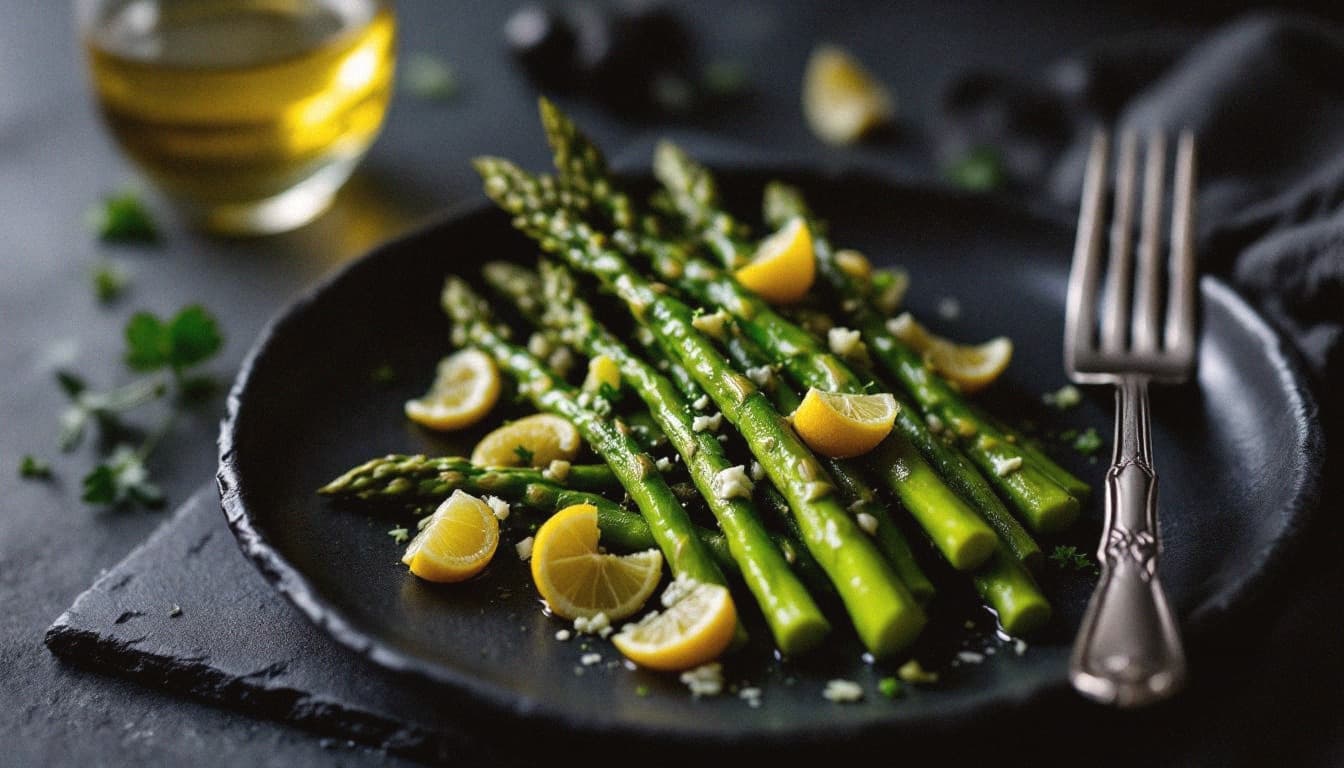
Aquavit-Pickled Asparagus with Juniper and Dill Seed
Aquavit already carries caraway and dill in its botanical makeup, so using it as a pickling base for asparagus is less a wild experiment and more a logical conclusion. Juniper berries crack open to release piney, resinous oils that cut through the brine's acidity, while dill seeds (not fronds) bring a rounder, almost anise-like depth that fresh dill never quite manages. The result is a jar of spears that taste like a Scandinavian forest floor in the best possible way.
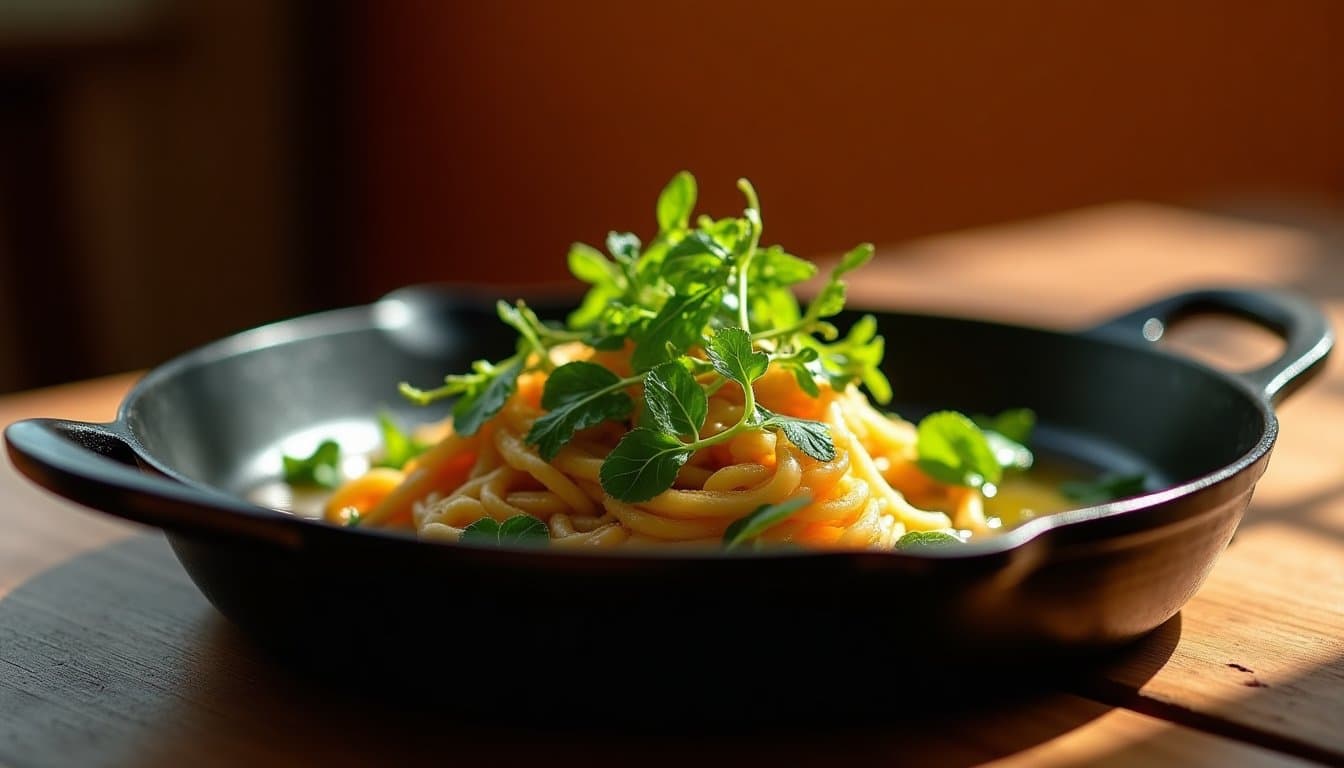
Nettle-Ramp Atakilt Wat en Papillote with Spring Peas
Atakilt wat, Ethiopia's cabbage-and-potato stew built on berbere and turmeric, has no business being this good when ramps and stinging nettles get involved, but here we are. Sealing the whole thing in parchment turns the sulfurous funk of ramp bulbs and the mineral bite of nettles into a pressurized aromatic steam that permeates every vegetable in the packet. Open it at the table so nobody misses the berbere sauna moment.
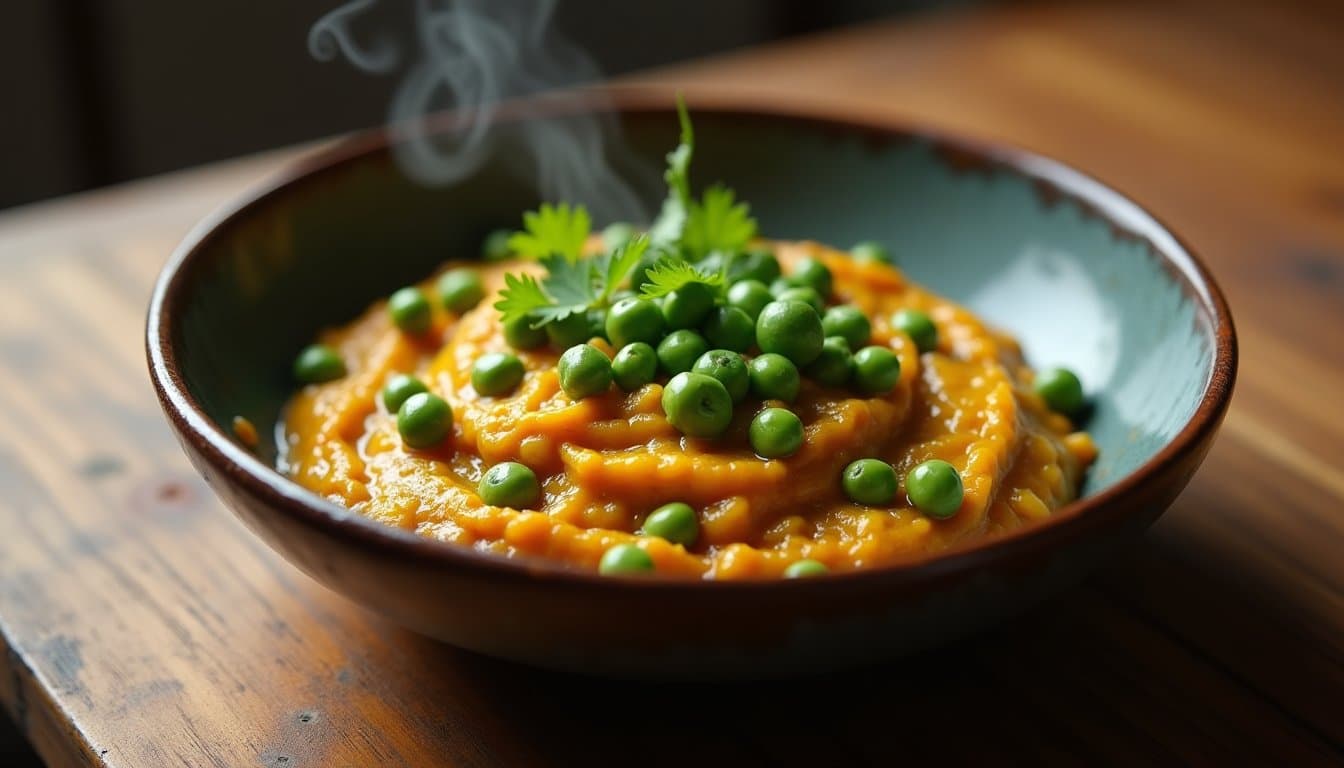
Spring Pea and Ramp Dal with Wild Garlic Tadka and Crispy Curry Leaves
Appalachian foraged ramps have no business being in a Bengali masoor dal, and yet here we are. The sulfurous, leek-meets-garlic punch of ramps and wild garlic replaces the traditional onion-garlic base entirely, while spring peas dissolve into the lentils and bring a grassy sweetness dal has never had before. The plot twist is a screaming-hot wok tadka of curry leaves, black mustard seeds, and raw wild garlic poured over the top at the last second.
Get the free flavor science guide.
5 rules that explain why unusual combinations work — plus new recipes every week.
You can unsubscribe anytime. No spam, ever. Or just read the guide.