
This post contains affiliate links. We may earn a small commission at no extra cost to you. Learn more
Wild Garlic Oil Porotos Granados with Ramps and Spring Herbs
what's this?
Strangeness scale
- 1 — Slightly odd
- 2 — Raises eyebrows
- 3 — Genuinely strange
- 4 — Deeply weird
- 5 — Unhinged
- Cook
- 35m
- Total
- 1h
- Difficulty
- Medium
- Serves
- 4
- Origin
- Argentinian
Chile's summer bean stew gets a spring overhaul: cranberry beans and fresh corn pressure-cooked until creamy, then drowned in a wild garlic oil that turns the whole bowl an unsettling, gorgeous green. Ramps replace the traditional basil-heavy sofrito base, and this isn't a random swap — both share the same organosulfur compounds as cultivated garlic, so the flavor logic holds, just with more grass and less punch. The stew tastes ancient and aggressively seasonal at once, which is the whole point.
Equipment
Why It Actually Works
Ramps and wild garlic both contain allicin and diallyl disulfide, the volatile organosulfur compounds in cultivated garlic, but they sit in a grassier, more delicate matrix that doesn't bulldoze the starchy cranberry beans. Blanching wild garlic before blending it into oil denatures the enzymes responsible for bitterness while rapid heat-then-chill preserves chlorophyll, keeping the color electric rather than swamp-murky. Cooking corn cobs under pressure leaches soluble starch and natural sugars into the broth, thickening it the same way traditional recipes use zapallo squash to give porotos granados its body.
Learn the flavor science rules behind recipes like this →Ingredients
- 2 cups dried cranberry beans (porotos granados), soaked overnight and drained
- 2 ears fresh corn, kernels cut from cob, cobs reserved
- 1 medium butternut squash (about 400g), peeled and cut into 2cm cubes
- 6 stalks ramps (wild leeks), bulbs thinly sliced, greens reserved separately
- 1 medium white onion, finely diced
- 2 medium tomatoes, grated on a box grater, skins discarded
- 1 teaspoon smoked sweet paprika (pimentón dulce ahumado)
- 1 teaspoon dried oregano
- 3 cups vegetable stock, preferably homemade
- 1 teaspoon fine sea salt, plus more to taste
- 0.5 teaspoon freshly ground black pepper
- 2 tablespoons extra-virgin olive oil, for sofrito
- 0.5 cup fresh wild garlic leaves (or ramp greens as substitute), roughly torn
- 0.5 cup neutral oil (such as sunflower or grapeseed), for wild garlic oil
- 0.25 cup fresh flat-leaf parsley leaves, packed
- 2 tablespoons fresh chervil leaves (or additional parsley)
- 1 tablespoon fresh tarragon leaves
- 2 teaspoons fresh lemon juice
- 1 pinch fine fleur de sel, for finishing
Instructions
Make the wild garlic oil first — it keeps for 3 days refrigerated. Bring a small saucepan of water to a boil. Blanch the wild garlic leaves or ramp greens for 15 seconds, then transfer immediately to an ice bath. Squeeze out all water aggressively; any moisture will cause the oil to go rancid fast. Combine the blanched greens with neutral oil, parsley, chervil, and tarragon in a high-powered blender. Blend on high for 90 seconds until the oil turns vivid green and the blender jar feels warm to the touch — that heat is intentional and helps extract chlorophyll. Strain through a fine-mesh sieve lined with cheesecloth, pressing gently; don't squeeze or the oil turns muddy. Season with lemon juice and a pinch of salt. Refrigerate in a sealed jar; the color will deepen overnight.
Set your pressure cooker or Instant Pot to Sauté on medium heat. Add olive oil and warm until shimmering. Add the diced onion and sliced ramp bulbs together. Cook, stirring frequently, for 6 to 8 minutes until completely soft and beginning to turn golden at the edges. The ramp bulbs will smell aggressively garlicky — that's correct and good. Add the grated tomato, smoked paprika, and dried oregano. Cook for another 3 to 4 minutes, stirring, until the tomato has darkened and the sofrito looks jammy and reduced.
Add the drained cranberry beans to the pot and stir to coat in the sofrito. Pour in the vegetable stock. Lay the reserved corn cobs into the liquid — they'll leach starchy sweetness and body into the broth as it cooks. Add salt and pepper.
Seal the pressure cooker lid and cook on HIGH pressure for 22 minutes. Allow a natural pressure release for 10 minutes, then carefully quick-release any remaining pressure. Remove and discard the corn cobs.
Switch back to Sauté mode, or medium heat on the stovetop. Add the butternut squash cubes and fresh corn kernels. Stir gently — the beans will have softened enough that rough stirring will break them, which is partially desirable for a creamy texture. Simmer uncovered for 8 to 10 minutes until the squash is just tender and the broth has thickened to a loose, stew-like consistency. If it looks too thick, add a splash of water. If too thin, crush a handful of beans against the pot wall with the back of a spoon.
Remove from heat. Tear the reserved ramp greens and stir them through the hot stew — residual heat will wilt them without killing their sharp, grassy bite. Taste and adjust salt. The stew should be creamy, slightly sweet from the corn and squash, with a gentle allium backbone.
Ladle into wide, shallow bowls. Drizzle each portion generously with the cold wild garlic oil — use at least 1.5 tablespoons per bowl, letting it pool in the valleys between the beans. The temperature contrast between the hot stew and cold oil is intentional. Finish with a pinch of fleur de sel and serve immediately with crusty bread or grilled flatbread.
Nutrition (estimated per serving)
- Calories
- 620
- Fat
- 28g
- Carbs
- 72g
- Protein
- 20g
- Fiber
- 16g
- Sodium
- 680mg
Variations
- Add one rehydrated, minced dried chipotle to the sofrito. The smoky heat plays directly against the wild garlic oil's grassiness without muddying either flavor.
- After pressure cooking, blend one cup of the bean-broth mixture with raw kernels from half a cob until smooth, then stir it back in. You get a mazamorra-style creaminess with no dairy involved.
- Quick-pickle thinly sliced ramp bulbs in rice vinegar, sugar, and salt for 30 minutes and scatter them over the finished bowl. The acidity cuts through the oil and keeps the whole thing from feeling heavy.
Storage & Make-Ahead
The stew itself keeps well in the fridge for up to 4 days and actually improves overnight as the cranberry beans absorb the paprika-tomato broth, so make it a day ahead if you can. Reheat it gently over medium-low with a splash of vegetable stock, since the squash will continue to soften and can turn mushy if you rush it over high heat. The wild garlic oil is best stored separately in a small jar in the fridge for up to 3 days, and you should drizzle it on just before serving so it stays bright green rather than oxidizing to a dull olive color. The stew freezes reasonably well for up to 2 months, but freeze it without the corn kernels if possible, adding fresh or thawed corn when you reheat, since frozen corn goes watery and throws off the texture.
Reader Tips
No tips yet — be the first!
More Strange Recipes
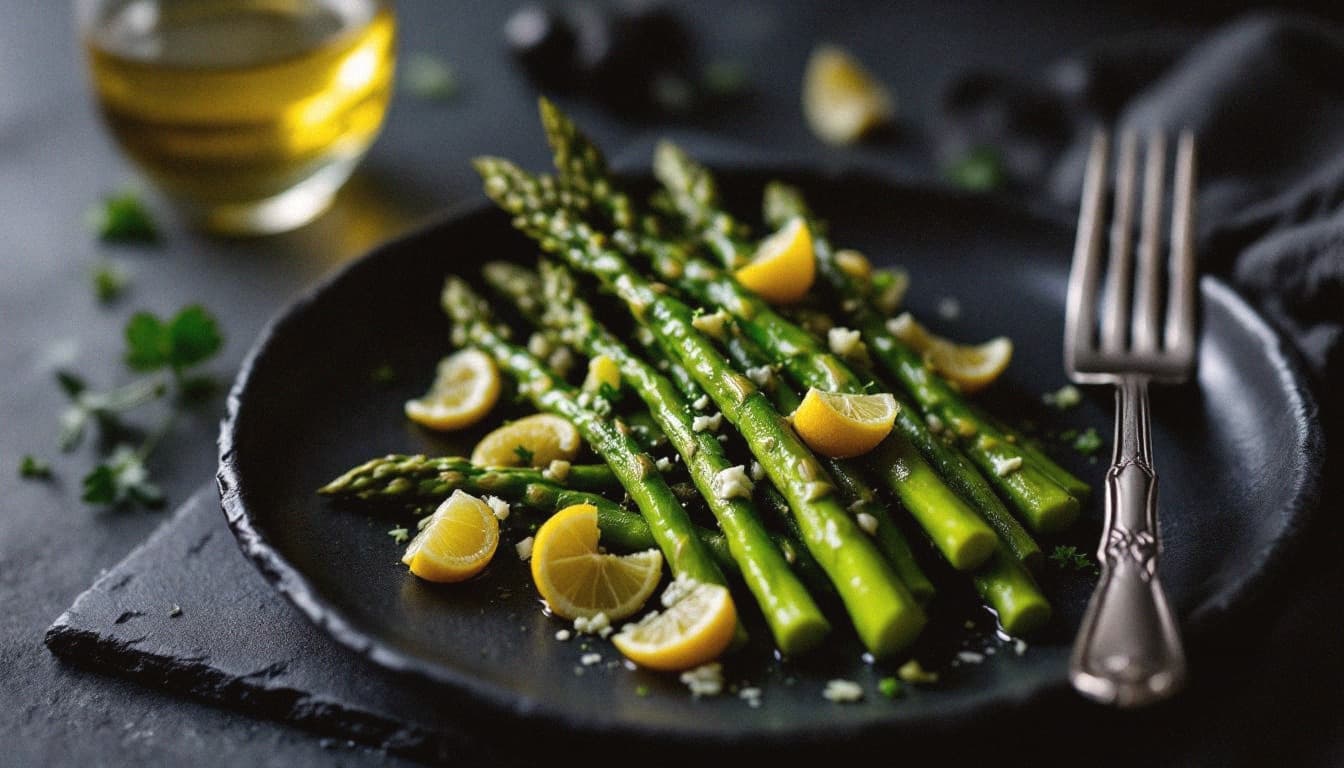
Aquavit-Pickled Asparagus with Juniper and Dill Seed
Aquavit already carries caraway and dill in its botanical makeup, so using it as a pickling base for asparagus is less a wild experiment and more a logical conclusion. Juniper berries crack open to release piney, resinous oils that cut through the brine's acidity, while dill seeds (not fronds) bring a rounder, almost anise-like depth that fresh dill never quite manages. The result is a jar of spears that taste like a Scandinavian forest floor in the best possible way.
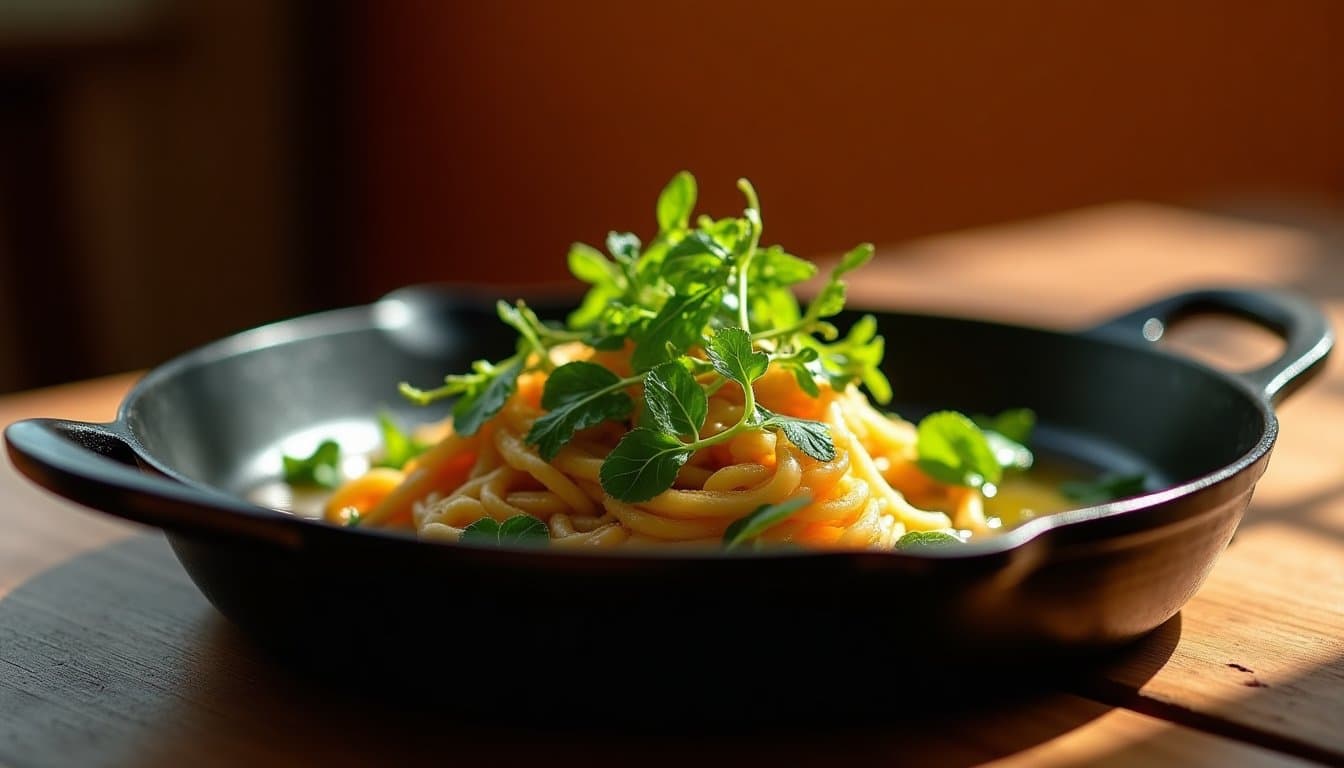
Nettle-Ramp Atakilt Wat en Papillote with Spring Peas
Atakilt wat, Ethiopia's cabbage-and-potato stew built on berbere and turmeric, has no business being this good when ramps and stinging nettles get involved, but here we are. Sealing the whole thing in parchment turns the sulfurous funk of ramp bulbs and the mineral bite of nettles into a pressurized aromatic steam that permeates every vegetable in the packet. Open it at the table so nobody misses the berbere sauna moment.
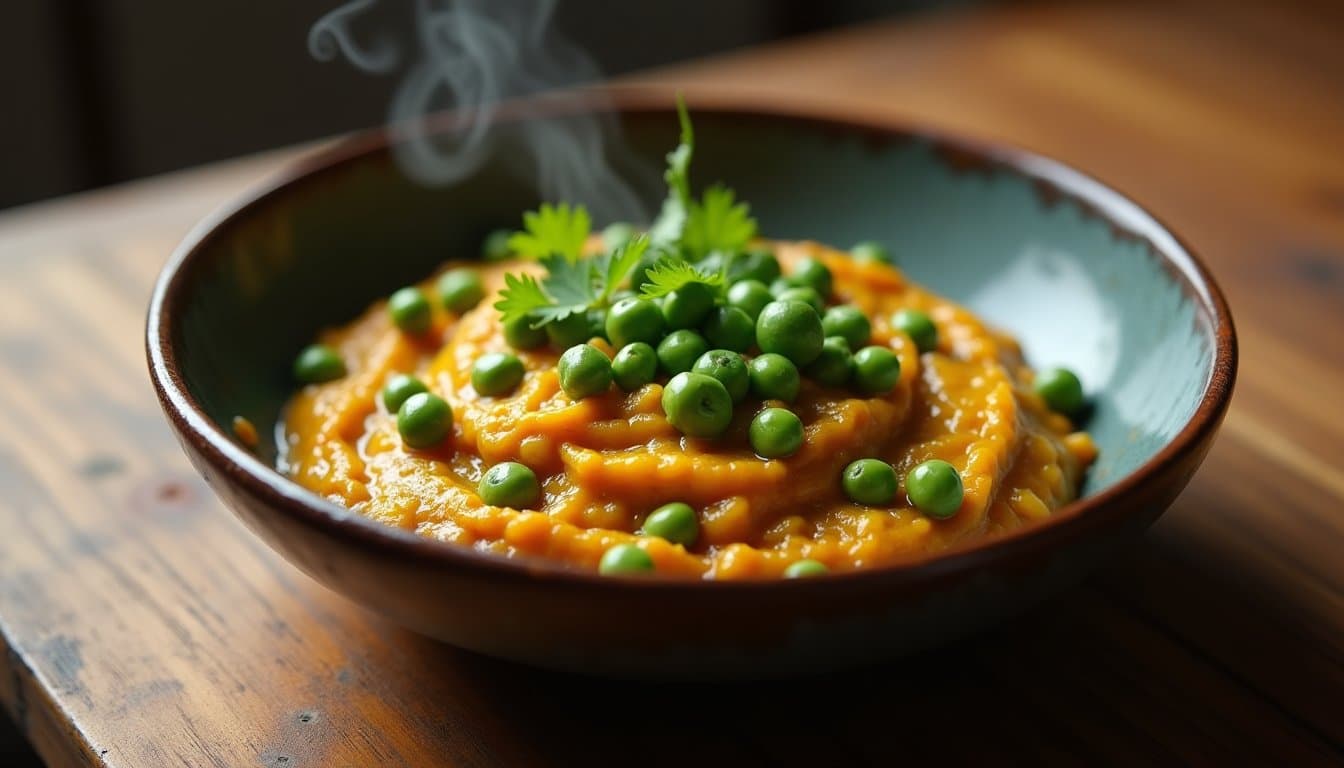
Spring Pea and Ramp Dal with Wild Garlic Tadka and Crispy Curry Leaves
Appalachian foraged ramps have no business being in a Bengali masoor dal, and yet here we are. The sulfurous, leek-meets-garlic punch of ramps and wild garlic replaces the traditional onion-garlic base entirely, while spring peas dissolve into the lentils and bring a grassy sweetness dal has never had before. The plot twist is a screaming-hot wok tadka of curry leaves, black mustard seeds, and raw wild garlic poured over the top at the last second.
Get the free flavor science guide.
5 rules that explain why unusual combinations work — plus new recipes every week.
You can unsubscribe anytime. No spam, ever. Or just read the guide.