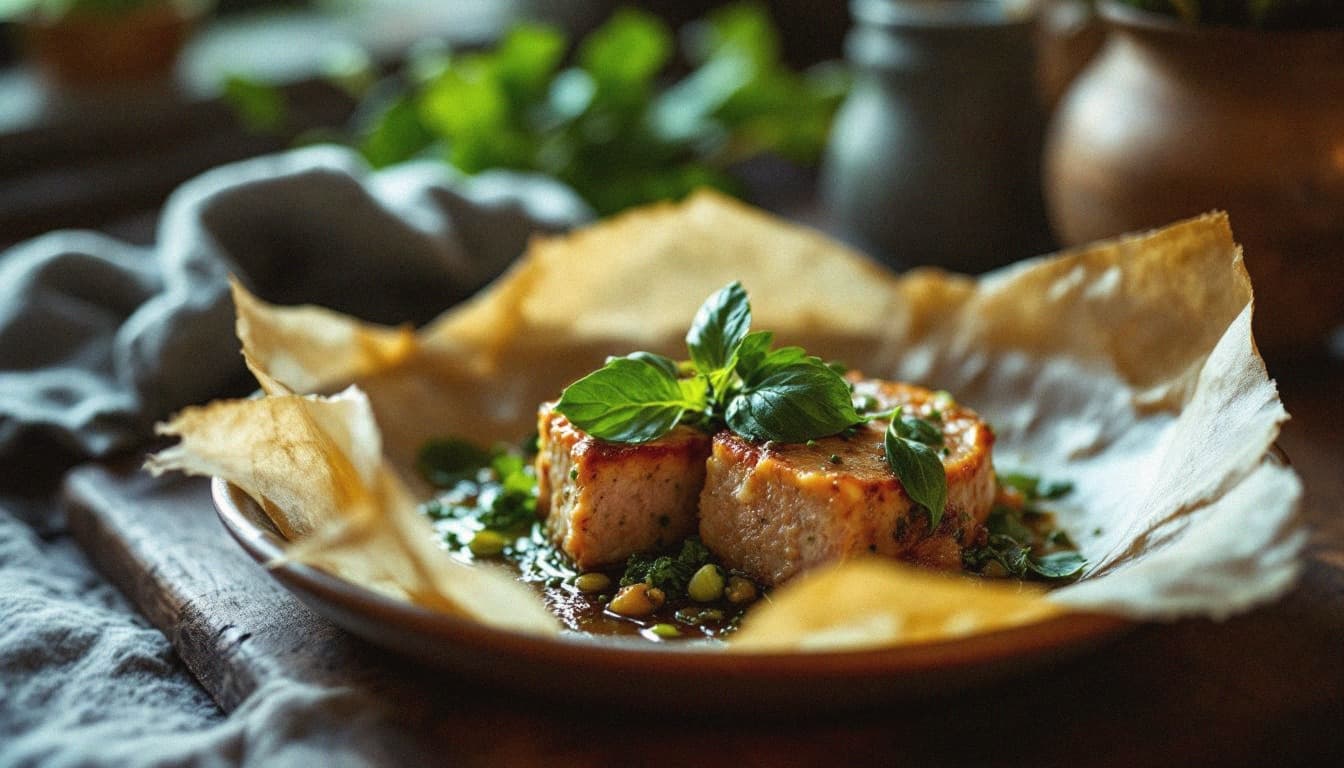
Wild Garlic & Ramp Chimichurri with Cured Lemon and Fresh Herbs
what's this?
Strangeness scale
- 1 — Slightly odd
- 2 — Raises eyebrows
- 3 — Genuinely strange
- 4 — Deeply weird
- 5 — Unhinged
- Total
- 12h 25m
- Difficulty
- Easy
- Serves
- 8
- Origin
- Argentinian
Wild garlic and foraged ramps replace the usual raw garlic in this Argentine chimichurri, then the whole sauce gets cold-cured overnight to knock back the sulfur bite and pull the flavors together. The curing step is borrowed from preserved citrus technique, and it turns raw allium sharpness into something silky, almost floral, with a grassy depth that no jar of chimichurri from a grocery shelf will ever have. It's still unmistakably chimichurri.
Why It Actually Works
Wild garlic and ramps share the same allium family as cultivated garlic, so the flavor logic holds, but their thiosulfinates (the sulfur compounds responsible for that raw bite) are more volatile and aggressive than what you get from a supermarket bulb. Salt draws water out of plant cells via osmosis, diluting and partially denaturing those sulfur compounds while concentrating the sweeter flavor molecules underneath. Then the overnight cold cure in oil and red wine vinegar finishes the job: acetic acid breaks down harsh allicin into milder aromatic disulfides, the same chemistry that makes preserved lemon and escabeche taste so rounded.
Learn the flavor science rules behind recipes like this →Ingredients
- 60 g wild garlic leaves (ramsons), roughly chopped
- 40 g ramp leaves and tender stems, roughly chopped
- 30 g flat-leaf parsley, leaves and fine stems only
- 15 g fresh oregano leaves, stripped from stems
- 10 g fresh tarragon leaves (the Argentinian twist — optional but recommended)
- 1 whole unwaxed lemon, zest finely grated and juice reserved separately
- 1.5 tsp fine sea salt, divided — plus extra for curing
- 1 tsp cane sugar
- 80 ml good-quality red wine vinegar
- 120 ml extra-virgin olive oil, cold-pressed
- 1 tsp smoked sweet paprika (pimentón dulce)
- 0.5 tsp dried chili flakes (ají molido if available)
- 0.5 tsp freshly cracked black pepper
- 2 tbsp cold water, filtered
Instructions
1. SALT-CURE THE ALLIUMS: In a non-reactive bowl, combine the chopped wild garlic leaves and ramp stems and leaves. Sprinkle with 0.5 tsp of the fine sea salt and the cane sugar, toss well, and press down lightly. Cover with plastic wrap and refrigerate for at least 1 hour and up to 3 hours. This draws out moisture, tames the raw sulfur punch, and begins breaking down cell walls for a silkier final texture.
2. CURE THE LEMON ZEST: In a separate small bowl, combine the finely grated lemon zest with a generous pinch of fine sea salt (about 0.25 tsp). Rub together with your fingertips until fragrant and slightly moist. Set aside at room temperature for 30 minutes — this mini-cure softens the bitter white pith compounds in the zest.
3. DRAIN AND PRESS: After curing, transfer the wild garlic and ramp mixture to a clean kitchen towel or cheesecloth. Squeeze firmly to remove as much liquid as possible. Reserve 1 tbsp of the expressed liquid — it's packed with allium flavor and goes back into the sauce.
4. HAND-CHOP (DO NOT BLEND): On a large wooden cutting board, combine the drained allium mixture with the parsley, oregano, and tarragon. Chop everything together with a sharp chef's knife until you reach a coarse, rustic texture — think chunky salsa verde, not smooth paste. Chimichurri lives and dies by its texture; a blender will make it bitter and homogenous.
5. BUILD THE SAUCE: Transfer the herb mixture to a medium jar or bowl. Add the cured lemon zest, reserved allium liquid, red wine vinegar, smoked paprika, chili flakes, black pepper, and the remaining 0.75 tsp salt. Stir well to combine.
6. EMULSIFY WITH OIL: Slowly drizzle in the cold-pressed olive oil while stirring constantly with a fork. This won't create a true emulsion (and shouldn't — chimichurri is meant to be loose and layered), but slow addition ensures the oil distributes evenly rather than pooling.
7. BALANCE WITH LEMON AND WATER: Add the reserved lemon juice one teaspoon at a time, tasting as you go — you want brightness without sourness competing with the vinegar. Stir in the cold water to loosen the consistency slightly; this is the trick to a chimichurri that clings to food without feeling oily.
8. OVERNIGHT COLD CURE: Cover the jar tightly and refrigerate for a minimum of 12 hours, ideally 24 hours. This is the critical step: the salt, acid, and time work together to fully cure the remaining raw allium edge, allow the herbs to infuse the oil, and let the flavors knit into something cohesive and complex.
9. TEMPER BEFORE SERVING: Remove the chimichurri from the refrigerator 30 minutes before serving. Cold olive oil solidifies and mutes flavors — tempering brings it back to life. Stir well, taste, and adjust salt or vinegar if needed.
10. SERVE: Spoon generously over grilled vegetables, roasted potatoes, crusty bread, or anywhere classic chimichurri belongs. Store covered in the refrigerator for up to 5 days — the flavor only deepens.
Nutrition (estimated per serving)
- Calories
- 157
- Fat
- 15g
- Carbs
- 3g
- Protein
- 1g
- Fiber
- 1g
- Sodium
- 412mg
Variations
- Skip the overnight cure and pack the chopped herb-allium mixture into a sterilized jar with 2% brine (20g salt per 1L water), weigh it down, and lacto-ferment at room temperature for 48–72 hours before adding oil and vinegar. The result is funky and genuinely complex.
- Before chopping, cold-smoke the ramps and wild garlic leaves over applewood chips for 20 minutes using a smoking gun or stovetop smoker. The campfire-meets-forest-floor dimension pairs particularly well with charred cauliflower steaks.
- When ramps and wild garlic are out of season, substitute 3 cloves of black garlic for the same mellow cured-allium quality, and fold in 30g of finely chopped toasted walnuts for body and a slight bitter richness that mimics the tannin-y edge of fresh ramps.
Storage & Make-Ahead
The finished chimichurri keeps in a sealed jar in the fridge for up to 5 days; the olive oil will solidify slightly when cold, so pull it out 20 minutes before serving and give it a good stir. Because the wild garlic and ramps are already salt-cured before blending, the allium flavor mellows and rounds out noticeably by day two, which makes this a genuinely better sauce if you make it the day before you need it. Freezing works in a pinch — portion it into an ice cube tray, freeze solid, then transfer to a bag and use within 6 weeks — but the fresh herb color fades to olive-drab and the tarragon loses most of its anise brightness, so fresh is worth the effort when ramps are in season. If you want to prep ahead without committing to the full sauce, the salt-cured alliums can sit covered in the fridge for up to 24 hours before you add the vinegar, oil, and herbs.
Reader Tips
No tips yet — be the first!
More Strange Recipes
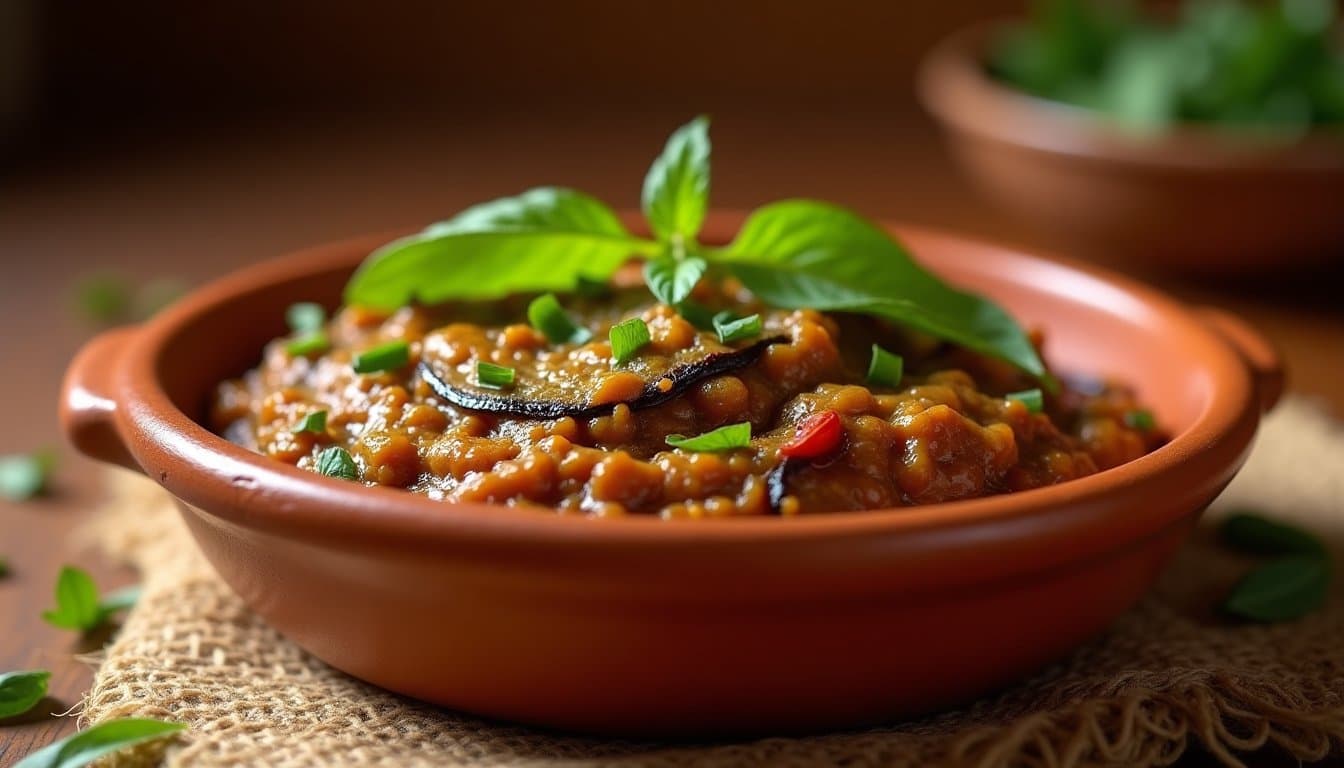
Kashk-e Bademjan Roasted Eggplant Dip with Ramp Oil and Wok-Charred Walnuts
Persian kashk-e bademjan's feral spring cousin. Smoky roasted eggplant and tangy fermented whey get ambushed by a neon-green ramp oil and walnuts dry-toasted in a screaming-hot wok until they're borderline burnt and magnificent. The ramps bring a garlicky sharpness that makes the funky kashk taste even more ancient, while the wok char on the walnuts cuts straight through the eggplant's natural sweetness.
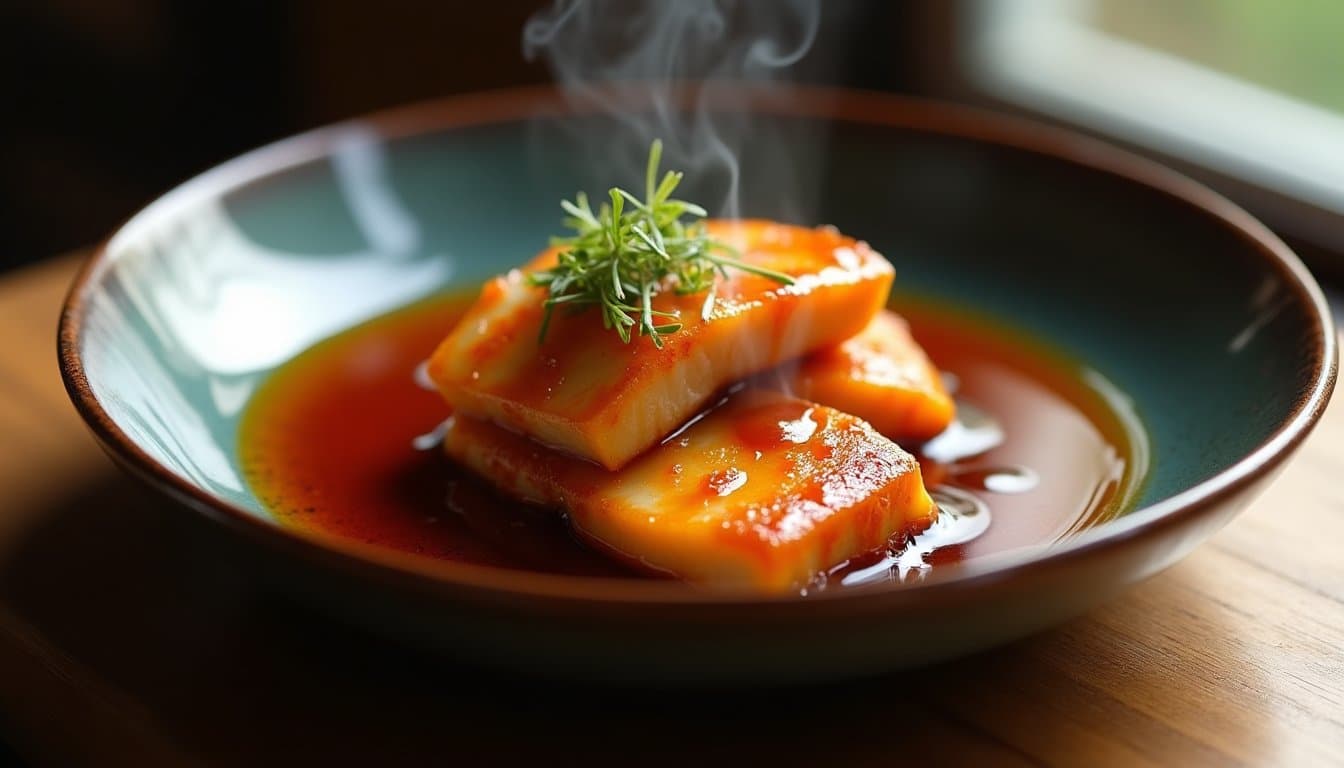
Caramelized Fish Sauce & Tamarind Glaze with Wild Garlic and Ramps
Fish sauce, cooked down until it turns syrupy and almost jammy, smells like a dare and tastes like a revelation. This Vietnamese-inspired glaze pushes that caramelized funk into genuinely strange territory by pulling in tamarind's fruity acid and wild garlic and ramps, two alliums that go feral when they hit warm oil. The result is something that belongs on grilled meat, noodles, or a spoon held over the sink at midnight.
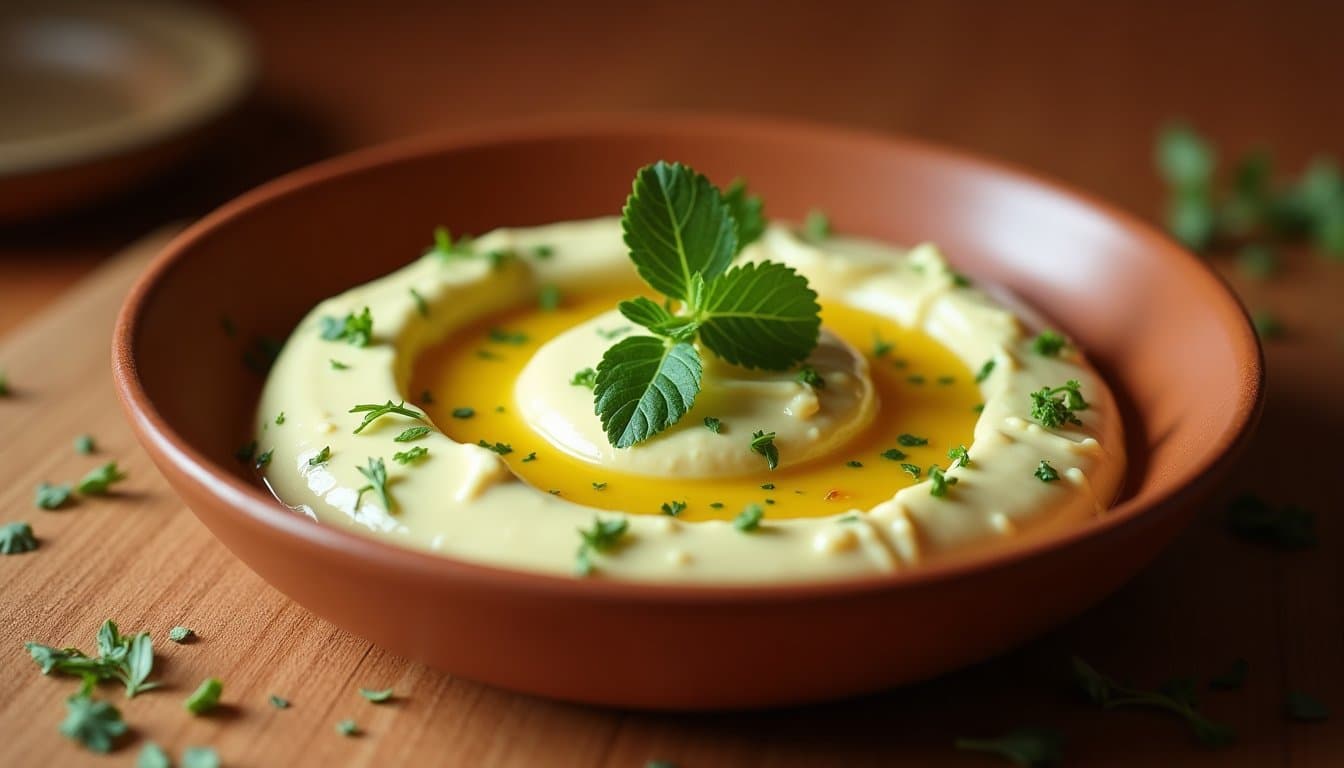
Sous-Vide Wild Garlic Aioli with Preserved Lemon and Smoked Paprika
Wild garlic has a window of maybe six weeks a year, and this sauce is the best argument for using every bit of it. A sous-vide oil infusion pulls out the fat-soluble aromatics before they vanish, then the whole thing gets shaken up with preserved lemon brine and smoked paprika in a move borrowed loosely from Argentine chimichurri. The result is simultaneously ancient and a little alien, and it's the most intensely garlicky aioli you'll make without shedding a tear.
Get the free flavor science guide.
5 rules that explain why unusual combinations work — plus new recipes every week.
You can unsubscribe anytime. No spam, ever. Or just read the guide.