
This post contains affiliate links. We may earn a small commission at no extra cost to you. Learn more
Wild Spring Fire: Fermented Ramp, Habanero & Wild Garlic Hot Sauce
what's this?
Strangeness scale
- 1 — Slightly odd
- 2 — Raises eyebrows
- 3 — Genuinely strange
- 4 — Deeply weird
- 5 — Unhinged
- Total
- 168h 30m
- Difficulty
- Medium
- Serves
- 32
- Origin
- Mexican
Ramps and wild garlic show up for about three weeks a year, smell like a forest that's been drinking, and then they're gone. Fermenting them with habaneros turns that fleeting weirdness into a hot sauce with genuine complexity, the kind of funky, fruity heat that makes you go back for a second taste before the first one has even settled. It belongs on tacos and eggs, and if you eat it straight from the jar at 2am, no judgment.
Equipment
Why It Actually Works
Ramps and wild garlic are loaded with thiosulfinate compounds, the sulfur-based molecules responsible for raw allium sharpness, but lacto-fermentation converts those harsh notes into gentler, more complex sulfur aromatics while producing lactic acid that brightens and preserves the sauce. Habaneros fermented whole allow capsaicin to migrate slowly into the brine, while the fruity apricot-like ester methyl hexanoate stays intact in the acidic environment instead of cooking off. Meanwhile, the allicin in wild garlic breaks down under fermentation into polysulfides, savory meaty-smelling compounds that add real umami depth without any animal product in the jar.
Learn the flavor science rules behind recipes like this →Ingredients
- 200g ramp bulbs and lower stems, roots trimmed and cleaned
- 100g ramp leaves, roughly torn
- 150g wild garlic (Allium ursinum) bulbs and leaves, cleaned
- 8 whole habanero peppers (approx 120g), stems removed
- 3 whole dried árbol chiles, stems removed
- 1 tablespoon whole black peppercorns
- 1 teaspoon whole cumin seeds, lightly toasted
- 1 teaspoon whole coriander seeds
- 4 cups non-chlorinated filtered water
- 2 tablespoons + 1 teaspoon fine sea salt or kosher salt (non-iodized), divided
- 1 tablespoon apple cider vinegar (raw, with mother), added post-ferment
- 1 teaspoon agave nectar, added post-ferment
- zest of 1 lime, added post-ferment
- juice of 2 limes, added post-ferment
Instructions
1. BRINE PREP: Dissolve 2 tablespoons of sea salt into 4 cups of non-chlorinated water, stirring until fully dissolved. Non-chlorinated water is non-negotiable — chlorine kills your lacto-bacteria before the party starts. Set aside.
2. VESSEL STERILIZATION: Sterilize a 1-quart wide-mouth mason jar and a smaller jar or zip-lock bag (for your weight) by running through a dishwasher hot cycle or submerging in boiling water for 10 minutes. Let cool completely.
3. INGREDIENT LAYER: Pack the ramp bulbs and stems into the jar first — they're the densest. Add habaneros whole (no slicing; keeping them whole slows capsaicin release during ferment for more complexity). Tuck in the wild garlic bulbs, árbol chiles, peppercorns, cumin, and coriander. Finally, pack the ramp leaves and wild garlic leaves on top.
4. BRINE: Pour the salt brine over everything until all solids are submerged, leaving 1.5 inches of headspace. Everything must stay below the brine line or you risk kahm yeast or mold. Use a fermentation weight, a small zip-lock bag filled with remaining brine, or a cabbage leaf folded over the top to keep everything submerged.
5. COVER & BURP: Cover the jar with a loose lid, a fermentation airlock lid, or a cloth secured with a rubber band. If using a standard lid, 'burp' the jar (briefly open it) once daily to release CO2 buildup. Label the jar with the start date.
6. FERMENT — DAYS 1-2: Place the jar somewhere between 65–75°F (18–24°C), away from direct sunlight. Within 24–48 hours you should see small bubbles forming around the solids — that's your Lactobacillus colonies clocking in for work. The brine may turn slightly cloudy and the ramps will begin to lose their sharp raw edge.
7. FERMENT — DAYS 3-5: Taste the brine daily using a clean utensil. It should be getting tangier and developing a funky, savory depth. The habaneros will begin to look slightly wrinkled and the ramp leaves will darken. If you see white kahm yeast (a thin, flat, white film on the surface), skim it off — it's harmless but bitter.
8. FERMENT — DAYS 6-7: By day 6 or 7, the brine should taste pleasantly sour, funky, and fiery. The ramps will have mellowed from sulfurous raw to something closer to fermented leek — deeply savory and complex. At this point you can stop, or continue fermenting up to 14 days for a more intensely sour, funky result. Taste every day and trust your gut (literally).
9. BLEND: Transfer all solids and approximately 1/2 cup of the ferment brine into a high-speed blender. Reserve the remaining brine. Add the apple cider vinegar, agave nectar, lime zest, and lime juice. Blend on high for 90 seconds until completely smooth.
10. STRAIN (OPTIONAL): For a silky, pourable hot sauce, strain through a fine mesh sieve, pressing with a spatula. For a thicker, chunkier salsa-style sauce, skip the straining. Taste and adjust: add reserved brine for thinner consistency and more tang, more lime for brightness, or a pinch of salt.
11. BOTTLE & STORE: Pour into sterilized glass bottles or jars. Because of the live cultures and residual fermentation activity, store in the refrigerator — cold dramatically slows further fermentation. The sauce will keep for 3–6 months refrigerated and the flavor will continue to develop and mellow over time.
12. SERVE: Deploy liberally on tacos al pastor, huevos rancheros, grilled corn, quesadillas, or anywhere that needs a hit of chaotic spring energy.
Nutrition (estimated per serving)
- Calories
- 8
- Fat
- 0g
- Carbs
- 2g
- Protein
- 0g
- Fiber
- 0g
- Sodium
- 180mg
Variations
- SMOKED SPRING FIRE: Before fermenting, char the habaneros and ramp bulbs directly over a gas flame or under a broiler for 2-3 minutes until lightly blackened. The smoke compounds survive fermentation and add a mezcal-adjacent depth to the finished sauce.
- TOMATILLO VERDE FERMENT: Add 4 whole husked tomatillos to the ferment vessel. Their pectin softens into a jammy body and their natural acidity pushes the finished sauce toward salsa verde territory, tangy and green-tasting in the best way.
- MISO AMPLIFIER: Post-ferment, blend in 1 tablespoon of white shiro miso before bottling. The glutamates from the miso stack with the fermentation-derived amino acids and the result is a savory depth that's almost disorienting for a hot sauce.
Storage & Make-Ahead
Once blended and bottled, this hot sauce keeps in the fridge for up to 6 months — the lacto-fermentation and added lime juice give it enough acidity to stay safe and bright. The flavor actually improves over the first two weeks as the habanero heat mellows slightly and the wild allium funk deepens, so don't rush to use it. If you want to get ahead on the fermentation, you can pack the jar and let it ferment for the full 5-7 days, then refrigerate the unblended mash for up to 2 weeks before finishing with the vinegar, agave, and lime. Freezing is possible but not ideal, since it dulls the volatile compounds that give ramps and wild garlic their sharp, grassy character.
Reader Tips
No tips yet — be the first!
More Strange Recipes
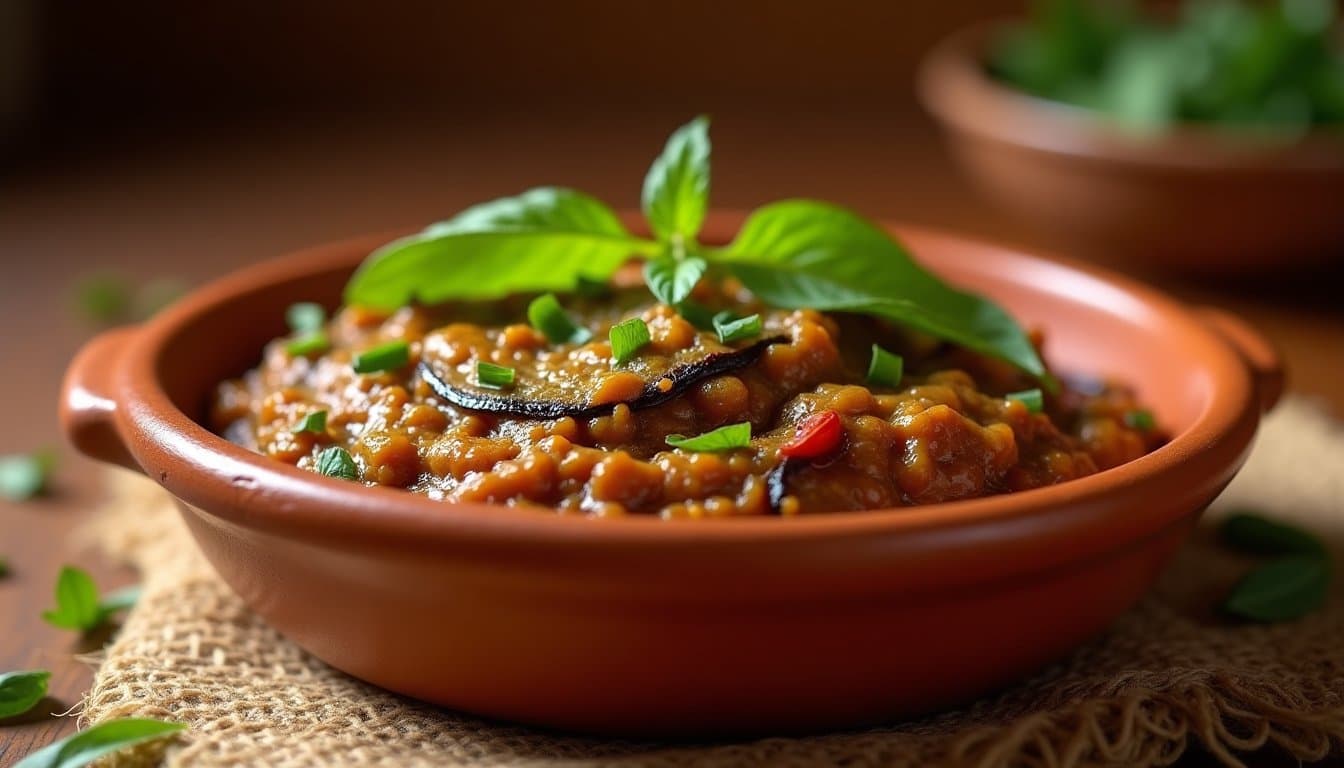
Kashk-e Bademjan Roasted Eggplant Dip with Ramp Oil and Wok-Charred Walnuts
Persian kashk-e bademjan's feral spring cousin. Smoky roasted eggplant and tangy fermented whey get ambushed by a neon-green ramp oil and walnuts dry-toasted in a screaming-hot wok until they're borderline burnt and magnificent. The ramps bring a garlicky sharpness that makes the funky kashk taste even more ancient, while the wok char on the walnuts cuts straight through the eggplant's natural sweetness.
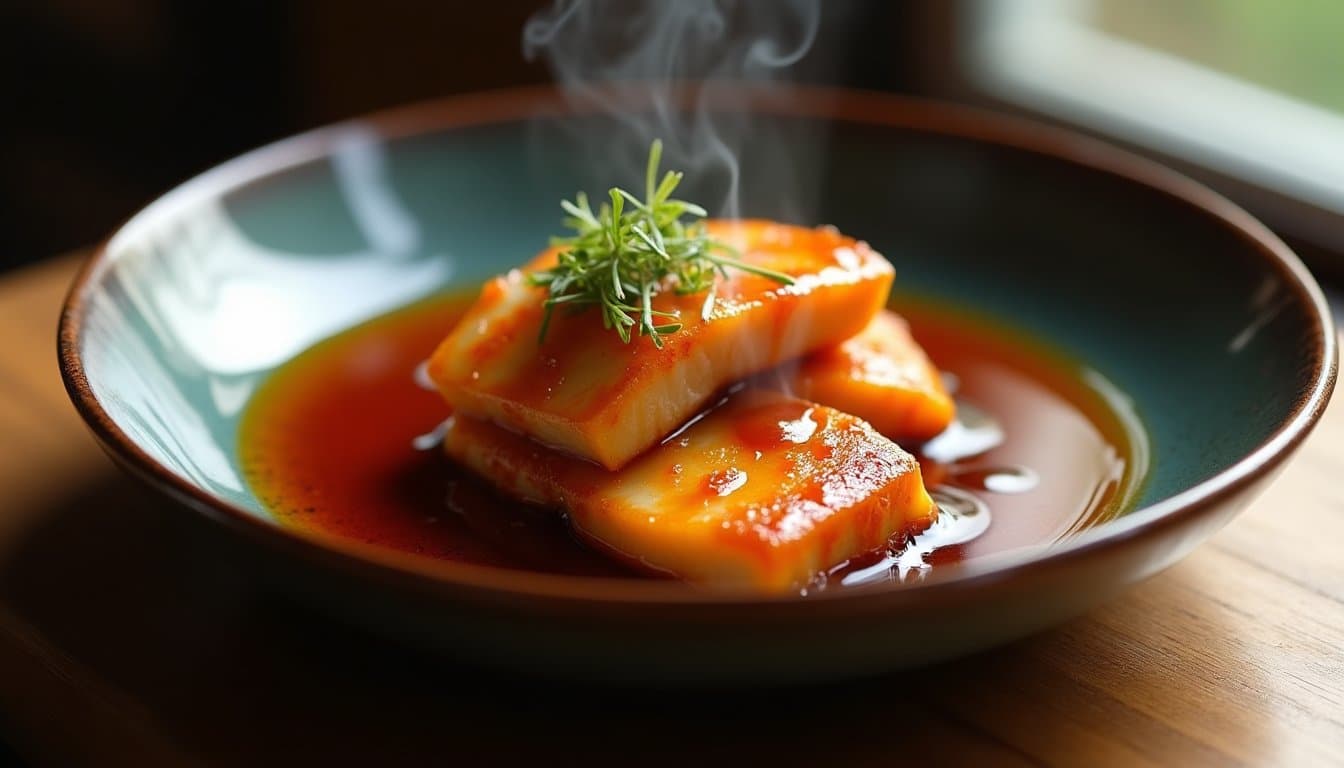
Caramelized Fish Sauce & Tamarind Glaze with Wild Garlic and Ramps
Fish sauce, cooked down until it turns syrupy and almost jammy, smells like a dare and tastes like a revelation. This Vietnamese-inspired glaze pushes that caramelized funk into genuinely strange territory by pulling in tamarind's fruity acid and wild garlic and ramps, two alliums that go feral when they hit warm oil. The result is something that belongs on grilled meat, noodles, or a spoon held over the sink at midnight.
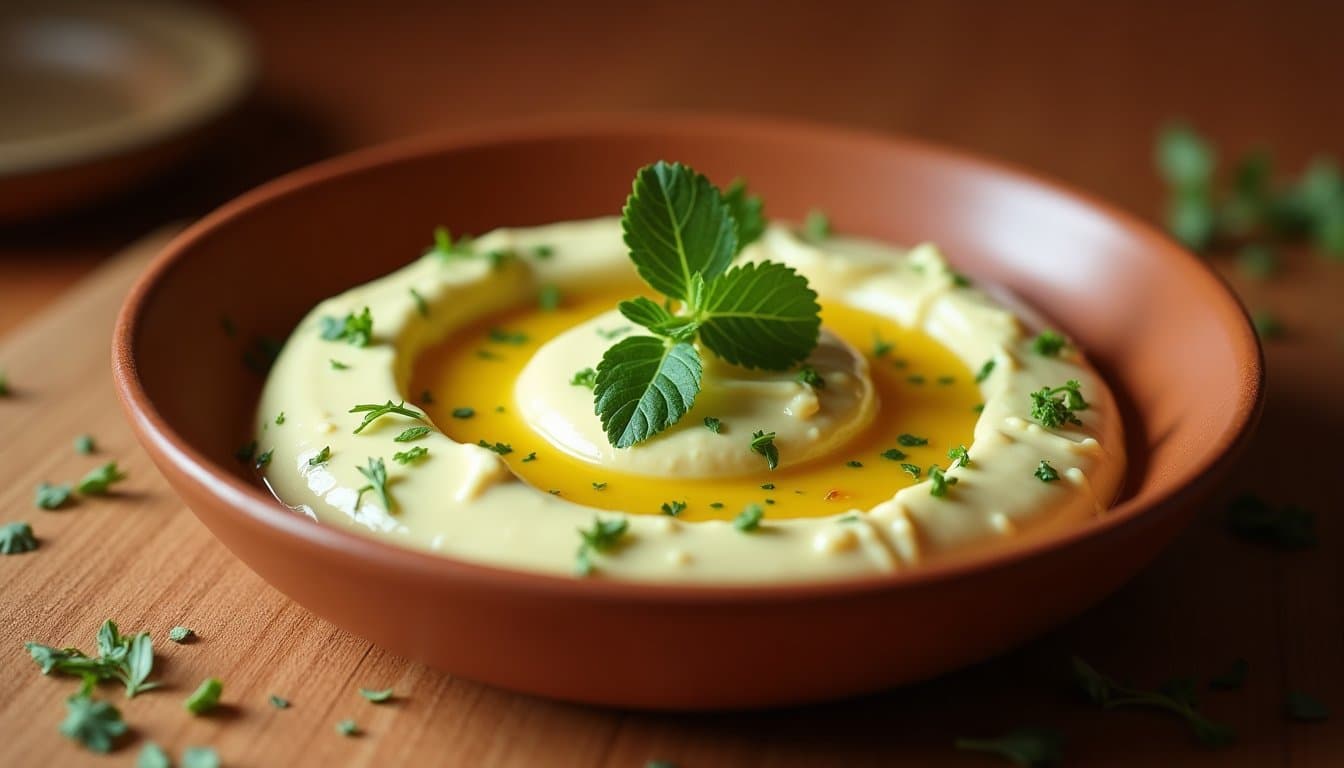
Sous-Vide Wild Garlic Aioli with Preserved Lemon and Smoked Paprika
Wild garlic has a window of maybe six weeks a year, and this sauce is the best argument for using every bit of it. A sous-vide oil infusion pulls out the fat-soluble aromatics before they vanish, then the whole thing gets shaken up with preserved lemon brine and smoked paprika in a move borrowed loosely from Argentine chimichurri. The result is simultaneously ancient and a little alien, and it's the most intensely garlicky aioli you'll make without shedding a tear.
Get the free flavor science guide.
5 rules that explain why unusual combinations work — plus new recipes every week.
You can unsubscribe anytime. No spam, ever. Or just read the guide.