This post contains affiliate links. We may earn a small commission at no extra cost to you. Learn more
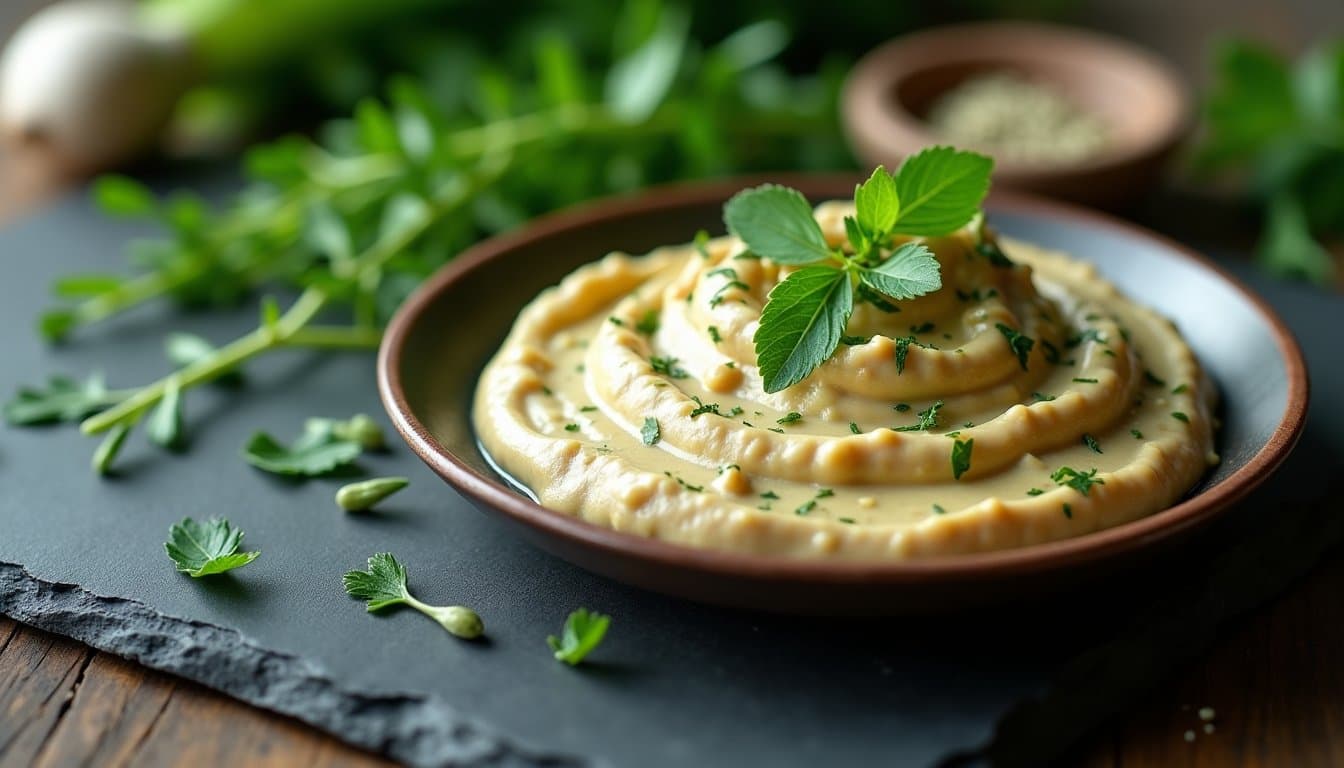
Wild Garlic & White Bean Dip with Spring Crudités and Ramp Oil
what's this?
Strangeness scale
- 1 — Slightly odd
- 2 — Raises eyebrows
- 3 — Genuinely strange
- 4 — Deeply weird
- 5 — Unhinged
- Total
- 20m
- Difficulty
- Easy
- Serves
- 6
- Origin
- Mediterranean
Raw wild garlic leaves bring a grassy, pungent allicin punch that you don't get from the roasted stuff, and blended with cannellini beans and lemon, that sharpness settles into something bright and genuinely interesting. A drizzle of ramp-infused olive oil finishes it with a leek-meets-garlic note that makes the whole thing taste like spring in sauce form. It sounds fussy, but it isn't: fat carries volatile aromatics, so the ramp oil amplifies every green, garlicky note already in the dip.
Equipment
Why It Actually Works
Raw wild garlic contains allicin, the same sulfur compound behind conventional garlic's bite, but at a gentler concentration and paired with chlorophyll-rich leaf tissue, which softens the sharpness once it's emulsified with fat. Cannellini beans are high in starch and soluble fiber, giving you a neutral, creamy base that absorbs and distributes volatile aromatic compounds evenly throughout. The ramp oil works by dissolving fat-soluble flavor molecules from the leaves into olive oil, producing a concentrated aromatic finish that hits the nose before the palate, a technique borrowed from modernist herb oil tradition.
Learn the flavor science rules behind recipes like this →Ingredients
- 2 cans (400g each) cannellini beans, drained and rinsed
- 40 g wild garlic leaves (ramsons), roughly chopped, plus a few whole leaves to garnish
- 3 tablespoons extra-virgin olive oil
- 2 tablespoons fresh lemon juice
- 1 teaspoon lemon zest
- 1 small clove garlic, peeled
- 3 tablespoons cold water, plus more to adjust consistency
- 1 teaspoon flaky sea salt, plus more to taste
- 0.5 teaspoon white pepper
- 0.25 teaspoon ground cumin
- 10 g ramp leaves (wild leek tops), roughly chopped
- 4 tablespoons extra-virgin olive oil, for ramp oil
- 1 pinch flaky salt, for ramp oil
- 4 radishes, thinly sliced into rounds, for crudités
- 2 small Persian cucumbers, cut into spears, for crudités
- 6 asparagus spears, tough ends snapped off, for crudités
- 4 spring onions, trimmed, for crudités
- 1 handful snap peas, strings removed, for crudités
Instructions
1. Make the ramp oil: Combine the chopped ramp leaves, 4 tablespoons of extra-virgin olive oil, and a pinch of flaky salt in a high-speed blender or small food processor. Blitz for 60–90 seconds until vivid green and mostly smooth. Strain through a fine-mesh sieve lined with cheesecloth, pressing gently — don't squeeze hard or you'll cloud the oil. Set aside; it will deepen in color as it rests.
2. Build the dip base: Add the drained cannellini beans, wild garlic leaves, 3 tablespoons olive oil, lemon juice, lemon zest, raw garlic clove, cold water, salt, white pepper, and cumin to a food processor.
3. Blend until very smooth, scraping down the sides twice, about 2–3 minutes total. The extended blending breaks down the bean cell walls further, producing a silkier texture. Add more cold water, one tablespoon at a time, if the dip feels stiff — aim for the consistency of thick hummus.
4. Taste and adjust: wild garlic heat varies enormously by season and forage location. If it tastes sharp, add another squeeze of lemon to balance; if it seems mild, add a few extra wild garlic leaves and blend again.
5. Prepare the crudités: Arrange radish rounds, cucumber spears, asparagus spears, spring onions, and snap peas on a large serving board or platter. Keep them cold in the fridge until ready to serve.
6. Plate the dip: Spoon the white bean dip into a wide shallow bowl, using the back of a spoon to create a swirling well in the center. Drizzle the ramp oil generously into the well and across the surface.
7. Garnish with reserved whole wild garlic leaves, a few extra radish rounds, and a final pinch of flaky sea salt. Serve immediately alongside the crudités.
Nutrition (estimated per serving)
- Calories
- 285
- Fat
- 17g
- Carbs
- 24g
- Protein
- 9g
- Fiber
- 7g
- Sodium
- 420mg
Variations
- Swap cannellini beans for butter beans (lima beans) for an even creamier, more buttery base that lets the wild garlic come through more assertively.
- Stir 2 tablespoons of white miso into the dip before blending for a fermented, savory undercurrent that sits surprisingly well alongside the Mediterranean base.
- Replace ramp oil with a basil-and-wild-garlic flower oil using the same infusion technique, then scatter the edible blossoms on top before serving.
Storage & Make-Ahead
The white bean dip keeps well in the fridge for up to 4 days in a sealed container, though the wild garlic flavor mellows noticeably after day two, so it's worth making it closer to when you need it. Store the ramp oil separately in a small jar for up to 5 days; it will deepen to a darker, more olive-toned green but the flavor holds. The crudités are best prepped the morning of serving, kept in a bowl of ice water in the fridge to stay crisp, then patted dry before plating. The dip doesn't freeze well, since the blended beans turn grainy and the wild garlic loses its brightness on thawing.
Reader Tips
No tips yet — be the first!
More Strange Recipes
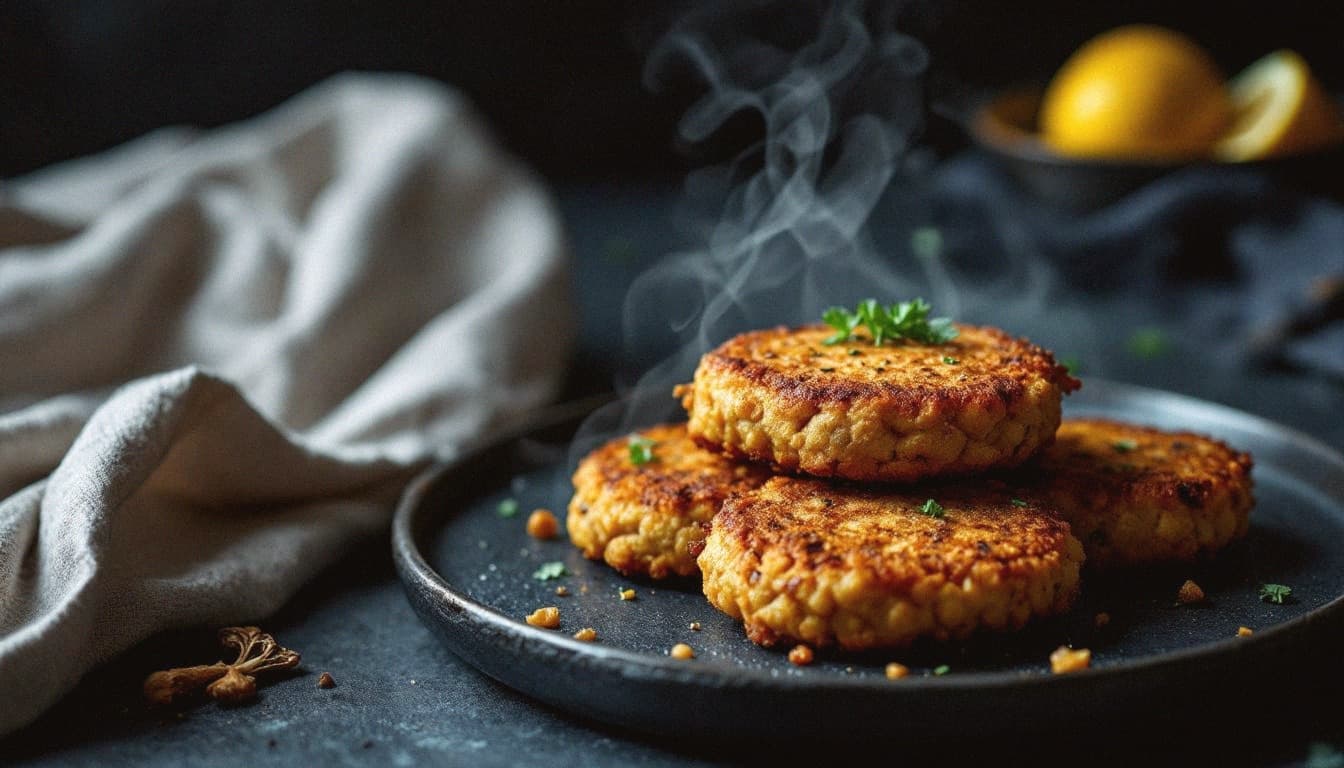
Suya-Spiced Morel Mushroom Fritters with Ramp-Tamarind Dipping Sauce
Dried morel mushrooms carry more glutamates per gram than almost any other fungus, and suya spice's roasted groundnut base clings to those honeycomb cavities like it was born there. Wild garlic folds into the batter for a sharp, grassy counterpoint, while a ramp-tamarind sauce brings enough acid and allium funk to cut through the fry. It's West African street-food logic applied to foraged forest ingredients, and it makes complete sense once you taste it.
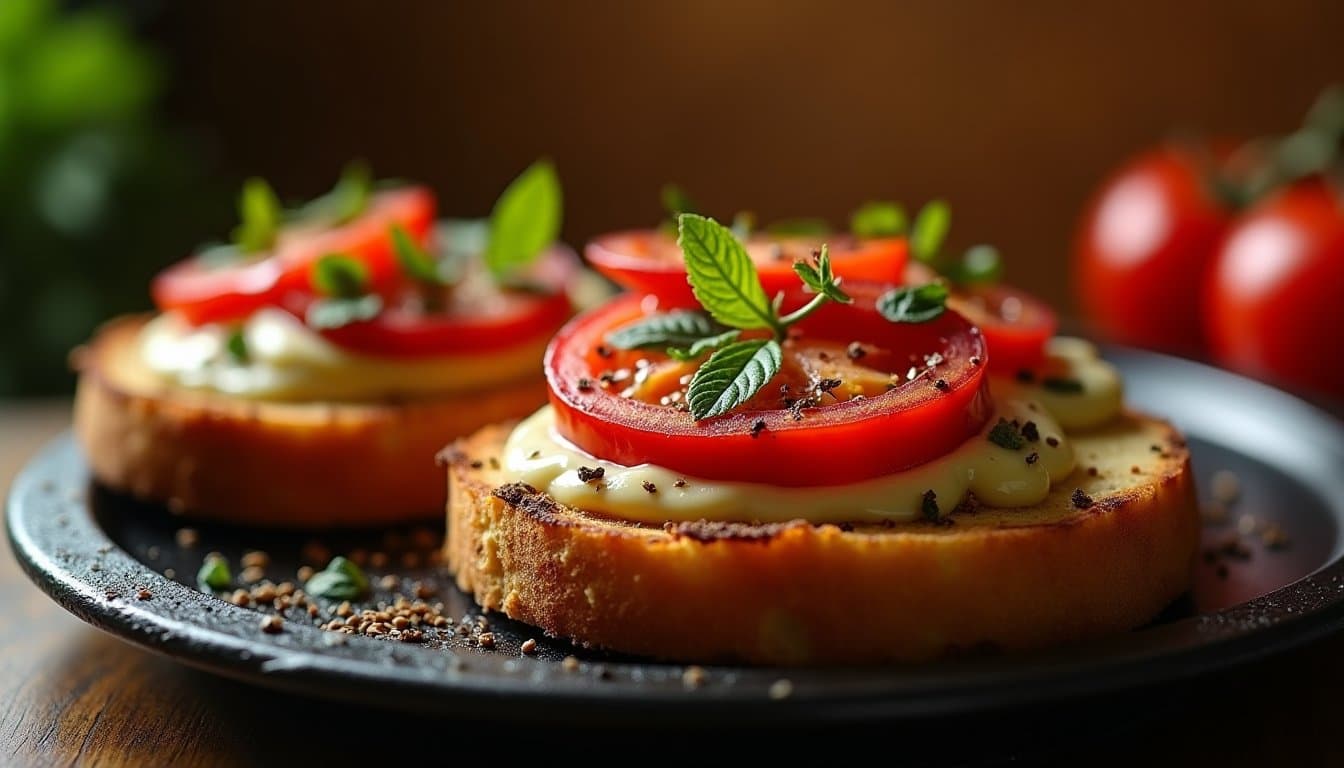
Black Garlic Morel Pan Con Tomate with Smoked Tomato Jam
Pan con tomate has no business being this weird, and yet here we are. Grilled sourdough gets rubbed with smoked tomato jam, piled with sautéed morel mushrooms, and finished with a swipe of black garlic paste that tastes like someone left balsamic vinegar alone with molasses for a month. The bright tomato acid cuts through the earthiness of both the mushrooms and the garlic, which is the only reason this doesn't collapse under its own intensity.
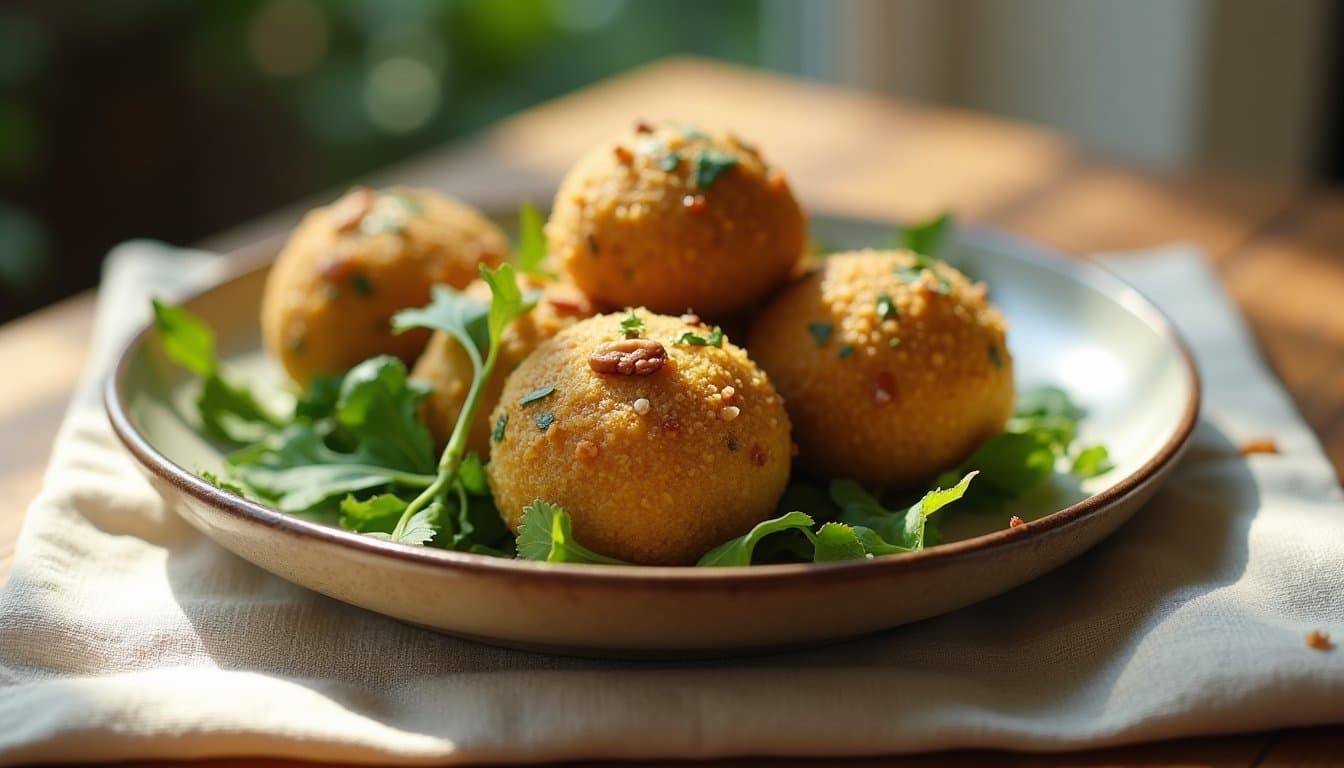
Stinging Nettle & Walnut Pkhali Bites with Pomegranate and Wild Herb Oil
Pkhali is Georgia's answer to a question nobody else thought to ask: what if blanched greens and raw walnuts became something that tastes genuinely magical? This version uses stinging nettles, whose formic acid gets neutralized by blanching, leaving behind a deep, almost meaty minerality that pairs beautifully with walnut's bitter tannins and pomegranate's bright punch. The wild herb oil isn't garnish. It's the bridge that makes the whole weird thing work.
Get the free flavor science guide.
5 rules that explain why unusual combinations work — plus new recipes every week.
You can unsubscribe anytime. No spam, ever. Or just read the guide.