This post contains affiliate links. We may earn a small commission at no extra cost to you. Learn more
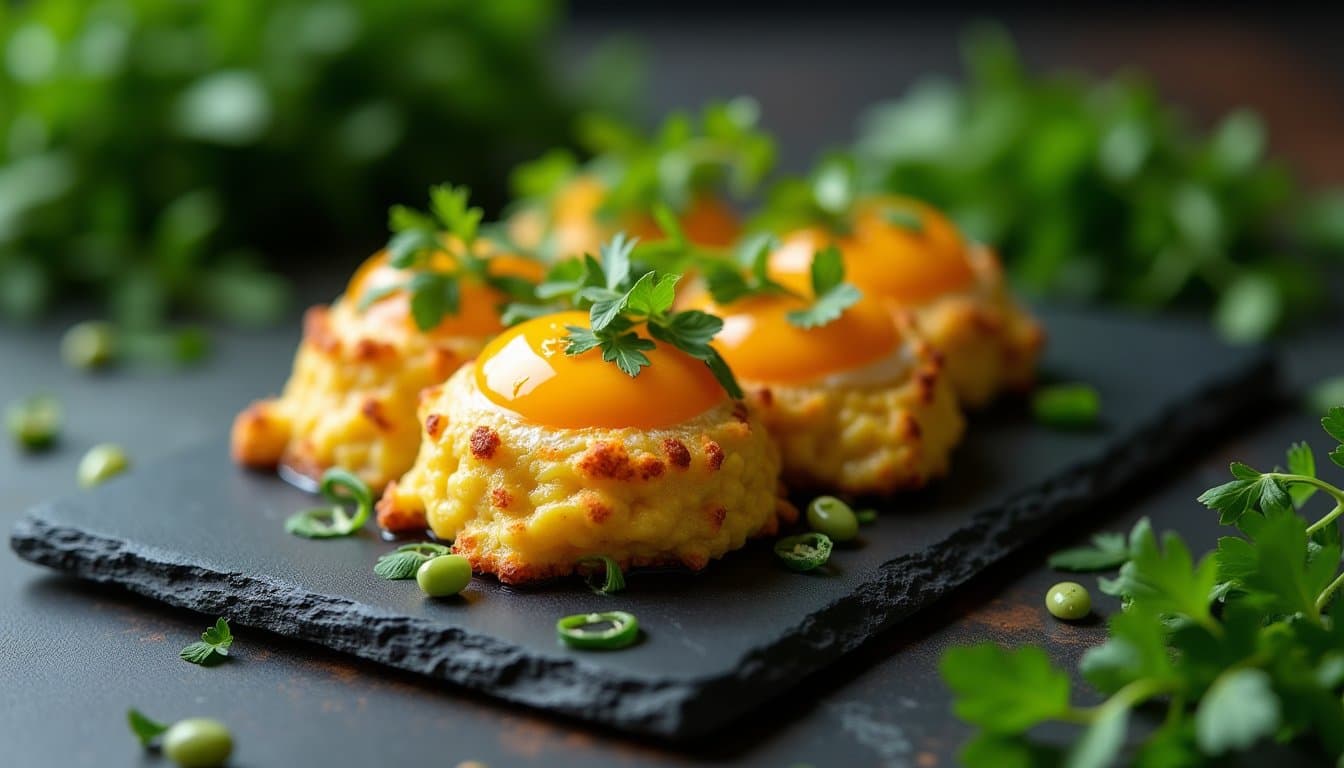
Salted Egg Sinangag with Spring Peas and Crispy Shallot Dust
what's this?
Strangeness scale
- 1 — Slightly odd
- 2 — Raises eyebrows
- 3 — Genuinely strange
- 4 — Deeply weird
- 5 — Unhinged
- Cook
- 15m
- Total
- 30m
- Difficulty
- Easy
- Serves
- 4
- Origin
- Filipino
Salted duck egg in garlic fried rice sounds like a brunch identity crisis, but it works. The yolk, cured and dense with fat, melts into the oil and coats every grain in something richer and funkier than a fresh egg could manage. Fried shallots get pulverized into a savory dust that dissolves on your tongue, and sweet spring peas cut through the brine just enough to keep you going back for another forkful.
Equipment
Why It Actually Works
Curing transforms the duck egg yolk's proteins and concentrates its fat, so when it hits a hot pan it emulsifies into the oil rather than scrambling, coating each grain of rice in a rich, savory film no fresh egg can replicate. Spring peas bring natural sugars that play against the yolk's saltiness, a salt-sweet tension that keeps the dish from tipping into one-note territory. Grinding the fried shallots to a powder maximizes surface area for flavor release and creates a layer that melts on the tongue, delivering a concentrated allium hit without any crunch competing with the rice.
Learn the flavor science rules behind recipes like this →Ingredients
- 4 cups cooked jasmine rice, day-old and cold
- 2 whole salted duck eggs (itlog na maalat), hard-boiled and peeled
- 1 cup fresh or frozen spring peas, thawed if frozen
- 10 cloves garlic, minced
- 4 large shallots, thinly sliced into rings
- 3 tablespoons neutral oil (canola or vegetable), divided
- 1 tablespoon unsalted butter
- 1 teaspoon fish sauce, plus more to taste
- 1/2 teaspoon white pepper, freshly ground
- 1/4 teaspoon MSG (optional but encouraged)
- 2 stalks green onion, thinly sliced for garnish
- 1/2 teaspoon flaky sea salt, for finishing
Instructions
1. Separate the salted egg yolks from the whites. Chop the whites into small rough pieces and set aside. Mash the yolks with a fork in a small bowl until crumbly — they should look like bright orange sand. This is your secret weapon.
2. Make the shallot dust: Heat 2 tablespoons of neutral oil in a wok or large skillet over medium heat. Add the shallot rings and fry, stirring frequently, for 8–10 minutes until deep golden brown and fully crisp. Remove with a slotted spoon onto paper towels and reserve the shallot oil in the pan. Once the shallots are completely cool (about 3 minutes), crush them between your fingers or pulse briefly in a spice grinder until they form a coarse, fragrant powder — the 'dust.'
3. Return the shallot-infused oil to the wok and crank the heat to high. Add the remaining 1 tablespoon of neutral oil and let it rip until the oil shimmers and just begins to smoke.
4. Add the minced garlic all at once and stir-fry for 30–45 seconds until golden and intensely fragrant. Do not walk away — golden turns to bitter in seconds.
5. Add the mashed salted egg yolks directly into the hot garlicky oil. Stir constantly for 1 minute — the yolks will foam and sizzle dramatically, coating the oil in a rich orange emulsion. This is the soul of the dish.
6. Add the cold day-old rice in one layer. Press it down with your spatula and let it sit undisturbed for 90 seconds to develop a light crust on the bottom. Then toss vigorously, breaking up any clumps, and repeat the press-and-toss cycle twice more over 3 minutes.
7. Add the butter and stir until melted and glossy. Add the fish sauce, white pepper, and MSG if using. Toss to combine.
8. Add the spring peas and chopped salted egg whites. Stir-fry for 1–2 minutes until the peas are heated through but still vivid green and slightly firm — you want that pop.
9. Taste and adjust with additional fish sauce if needed. Remove from heat.
10. Plate the sinangag and immediately shower generously with the shallot dust, then scatter the green onions on top. Finish with a pinch of flaky sea salt. Serve immediately while the contrast between the crispy dust and steamy rice is at its peak.
Nutrition (estimated per serving)
- Calories
- 487
- Fat
- 18g
- Carbs
- 67g
- Protein
- 13g
- Fiber
- 3g
- Sodium
- 890mg
Variations
- Swap the fish sauce for 1 tablespoon of fermented shrimp paste (bagoong alamang) stirred in during the final seasoning step, and add 1-2 bird's eye chilies with the garlic for a funky, fiery version.
- Add blanched asparagus tips and snap peas with the spring peas, then toss in a handful of pea shoots off-heat at the very end, keeping the salted egg yolk for its emulsifying work.
- Replace the salted egg whites with pan-fried extra-firm tofu cubes tossed in soy sauce before adding to the rice, while keeping the yolk for the emulsification step, a pescatarian version that holds up in both texture and flavor.
Storage & Make-Ahead
The fried rice itself keeps well in the fridge for up to 3 days in an airtight container, but store the shallot dust separately in a small jar at room temperature or it'll turn soft and lose everything that makes it worth making. You can fry the shallots and mash the salted egg yolks up to 2 days ahead, which cuts the active cooking time down to about 10 minutes on the day you're serving it. Reheat the rice in a hot wok with a small splash of oil, stirring constantly, until the grains are separated and slightly crisped at the edges again. This dish doesn't freeze well — the peas turn mealy and the rice texture suffers, so plan to eat it fresh or within that 3-day window.
Reader Tips
No tips yet — be the first!
More Strange Recipes
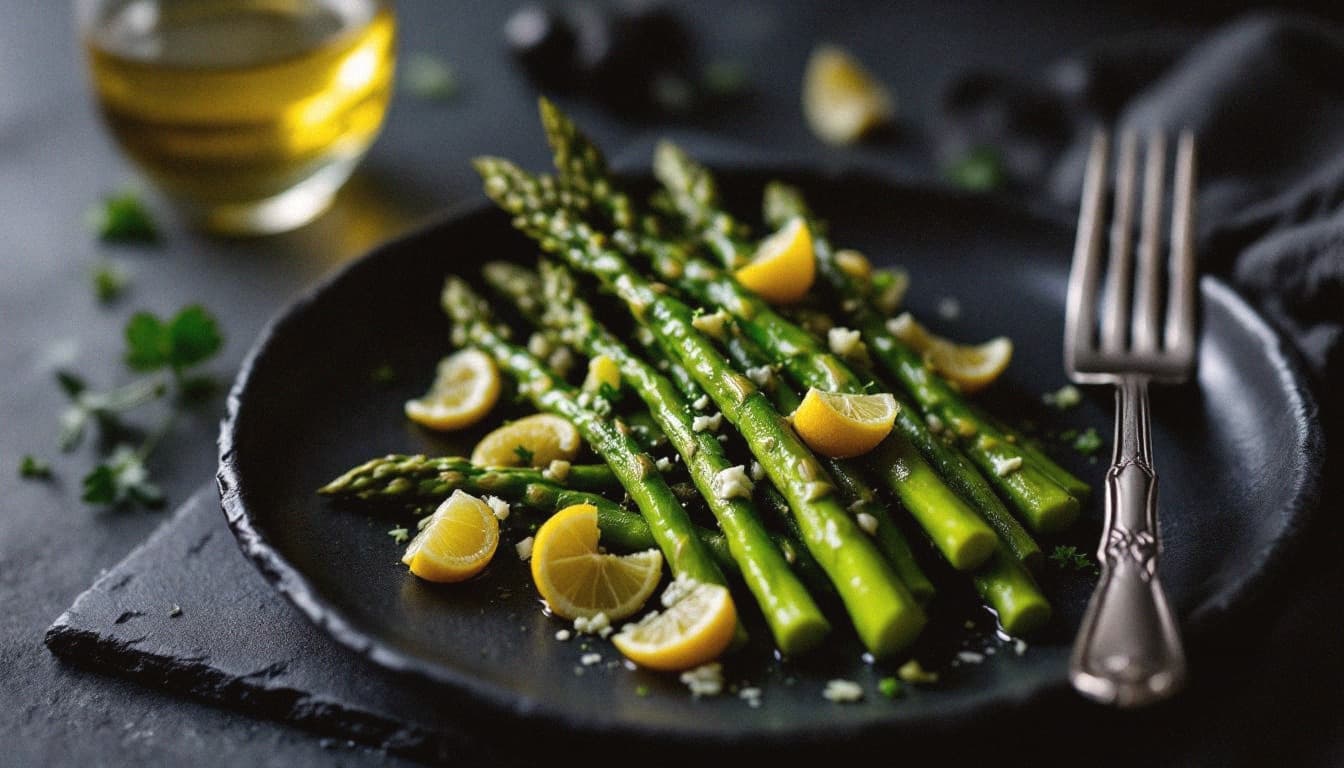
Aquavit-Pickled Asparagus with Juniper and Dill Seed
Aquavit already carries caraway and dill in its botanical makeup, so using it as a pickling base for asparagus is less a wild experiment and more a logical conclusion. Juniper berries crack open to release piney, resinous oils that cut through the brine's acidity, while dill seeds (not fronds) bring a rounder, almost anise-like depth that fresh dill never quite manages. The result is a jar of spears that taste like a Scandinavian forest floor in the best possible way.
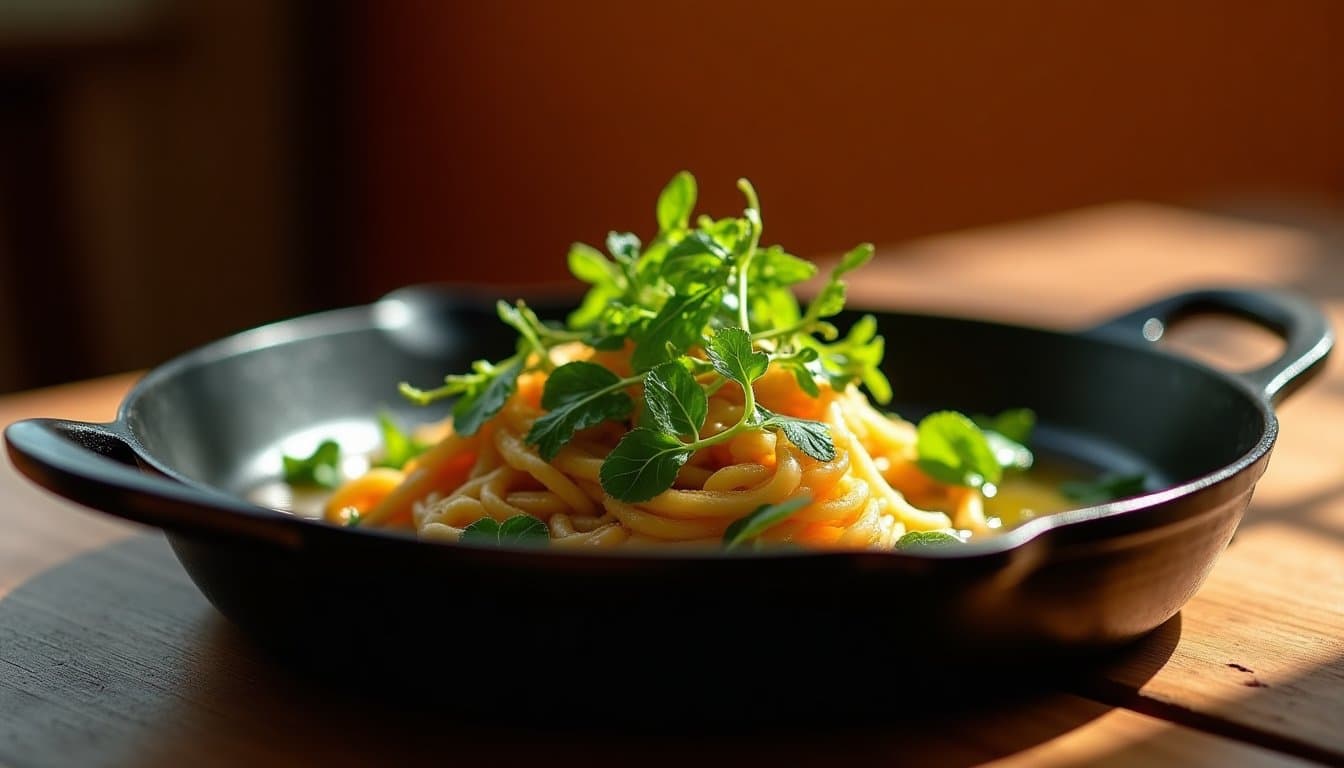
Nettle-Ramp Atakilt Wat en Papillote with Spring Peas
Atakilt wat, Ethiopia's cabbage-and-potato stew built on berbere and turmeric, has no business being this good when ramps and stinging nettles get involved, but here we are. Sealing the whole thing in parchment turns the sulfurous funk of ramp bulbs and the mineral bite of nettles into a pressurized aromatic steam that permeates every vegetable in the packet. Open it at the table so nobody misses the berbere sauna moment.
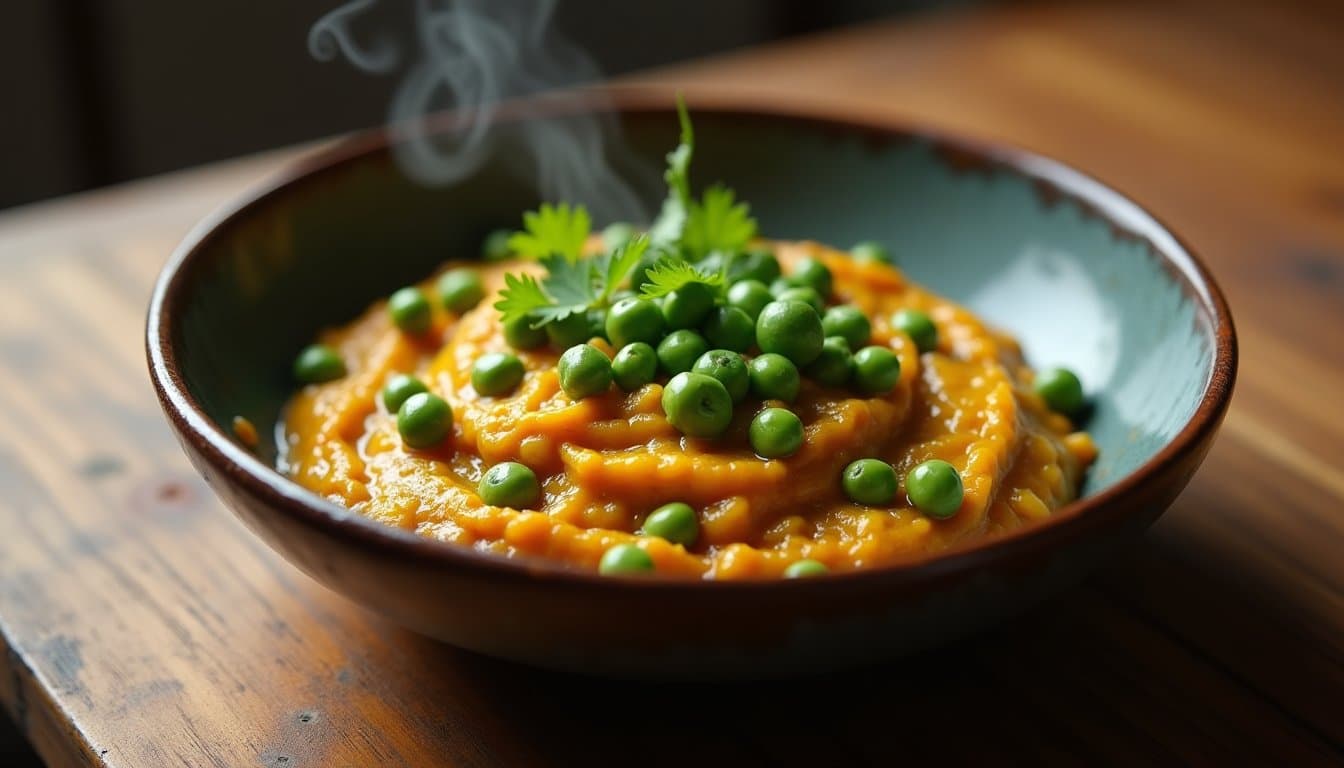
Spring Pea and Ramp Dal with Wild Garlic Tadka and Crispy Curry Leaves
Appalachian foraged ramps have no business being in a Bengali masoor dal, and yet here we are. The sulfurous, leek-meets-garlic punch of ramps and wild garlic replaces the traditional onion-garlic base entirely, while spring peas dissolve into the lentils and bring a grassy sweetness dal has never had before. The plot twist is a screaming-hot wok tadka of curry leaves, black mustard seeds, and raw wild garlic poured over the top at the last second.
Get the free flavor science guide.
5 rules that explain why unusual combinations work — plus new recipes every week.
You can unsubscribe anytime. No spam, ever. Or just read the guide.