This post contains affiliate links. We may earn a small commission at no extra cost to you. Learn more
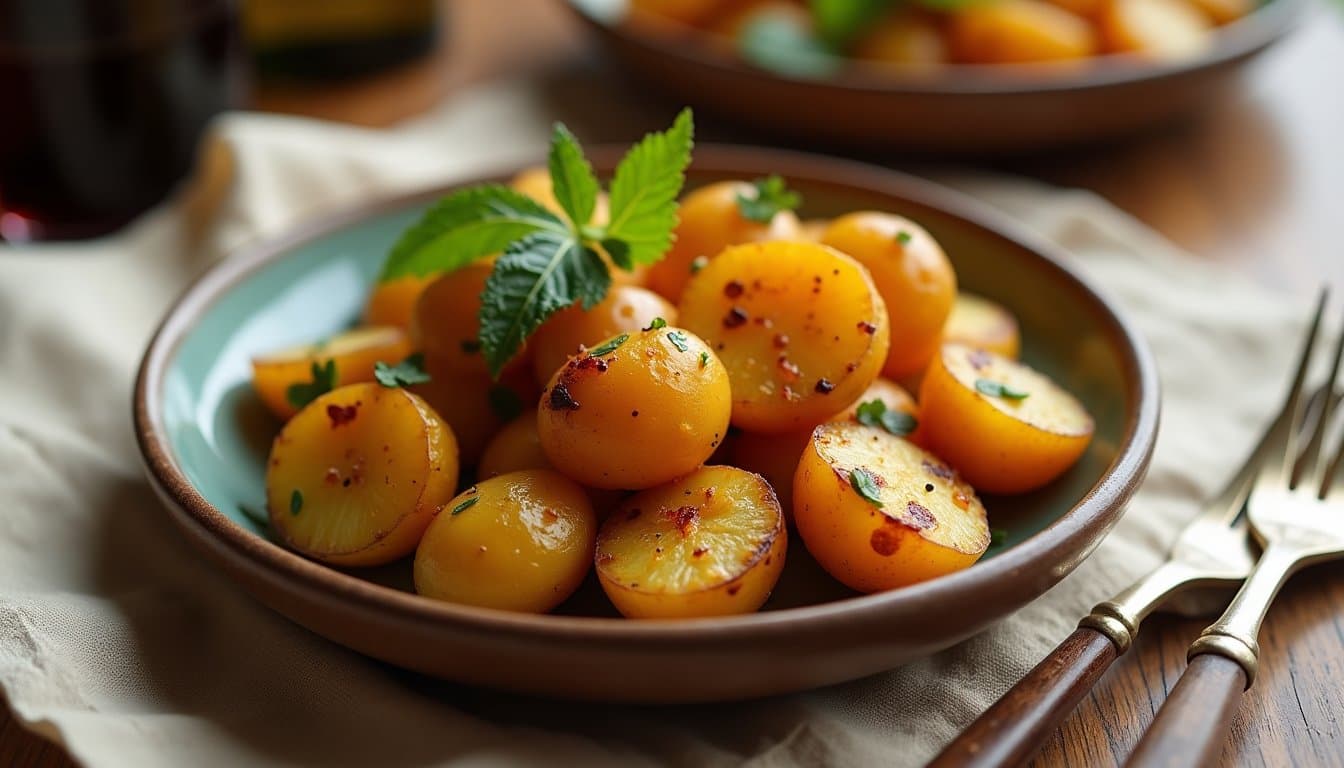
Berbere-Grilled New Potatoes with Stinging Nettle Pesto and Charred Spring Peas
what's this?
Strangeness scale
- 1 — Slightly odd
- 2 — Raises eyebrows
- 3 — Genuinely strange
- 4 — Deeply weird
- 5 — Unhinged
- Cook
- 30m
- Total
- 55m
- Difficulty
- Medium
- Serves
- 4
- Origin
- Ethiopian
Stinging nettles in a pesto sounds like a provocation, and honestly it is. Blanched into harmlessness and blitzed with tej honey and lemon, they make a bright, mineral-edged sauce that slots surprisingly well against a berbere spice crust, because the two share the same grassy, herbal frequencies. Blistered spring peas keep things from getting too serious.
Equipment
Why It Actually Works
Berbere's spice base, built on fenugreek, coriander, bishop's weed, and dried chiles, carries herbal and grassy volatile compounds that overlap with those in stinging nettles, so the two don't fight so much as recognize each other. Blanching hydrolyzes the nettles' formic acid to kill the sting while concentrating chlorophyll and iron-rich minerality, giving the pesto an earthy bitterness that cuts through the fat and heat of the spice crust the way gremolata cuts through a braise. Charring the peas over high heat drives Maillard reactions in their thin skins, producing furanones and pyrazines that mirror the smoky, toasty notes of dry-roasted berbere spices.
Learn the flavor science rules behind recipes like this →Ingredients
- 700 g new potatoes (golf-ball size), halved
- 3 tbsp berbere spice blend
- 3 tbsp refined coconut oil, melted
- 1 tsp fine sea salt
- 200 g fresh stinging nettle tips (top 2–3 leaves only), picked with gloves
- 1 cup shelled fresh spring peas (or thawed frozen)
- 3 tbsp raw cashews, soaked 2 hours and drained
- 2 cloves garlic, roughly chopped
- 1 tbsp tej (Ethiopian honey wine) or dry white wine, vegan-verified
- 2 tbsp fresh lemon juice
- 4 tbsp extra-virgin olive oil, plus extra for peas
- 0.5 tsp black cardamom seeds, lightly crushed
- 0.25 tsp ground korarima (Ethiopian cardamom) or green cardamom
- flaky sea salt and fresh lemon zest, to finish
Instructions
1. PARBOIL THE POTATOES: Place halved new potatoes in a pot of cold salted water. Bring to a boil and cook 8-10 minutes until just tender at the tip of a knife but still holding their shape firmly. Drain and let steam-dry on a rack for 5 minutes — this is non-negotiable for a good grill crust.
2. MAKE THE BERBERE SLICK: Whisk together the berbere spice blend, melted coconut oil, and fine sea salt in a large bowl until it smells aggressively good. Toss the parboiled potatoes through the mixture, coating every cut face generously. Let them marinate at room temperature while you prep everything else.
3. TAME THE NETTLES: Bring a small pot of salted water to a rolling boil. Wearing rubber gloves, drop in the nettle tips and blanch for exactly 90 seconds — the sting is completely neutralized by heat. Drain immediately and plunge into an ice bath. Squeeze out as much water as humanly possible with your fists; you want a dense green puck, not a soggy mess.
4. BLEND THE NETTLE PESTO: Add the squeezed nettles, drained cashews, garlic, tej, lemon juice, crushed black cardamom, and korarima to a blender or food processor. Blitz on high, drizzling in the olive oil until you have a vivid, slightly coarse pesto. Taste — it should be grassy, garlicky, and have a faint spiced-wine intrigue. Season with salt and set aside.
5. PREHEAT THE GRILL: Heat a gas or charcoal grill to high (around 230°C / 450°F). If using charcoal, let the coals ash over fully for even heat. Oil the grates well with a folded paper towel dipped in neutral oil, held with tongs.
6. GRILL THE POTATOES: Place potatoes cut-side down directly on the grates. Grill without moving for 5-6 minutes until the berbere crust is deeply charred at the edges and releases cleanly. Flip and grill the skin side for 3-4 minutes more. Transfer to a serving platter and tent loosely with foil.
7. CHAR THE PEAS: Toss the spring peas with a thin drizzle of olive oil and a pinch of salt in a small bowl. Place in a grill basket or on a piece of foil with holes punched in it. Grill over high heat for 3-4 minutes, tossing once, until peas are blistered and slightly collapsed in spots but still bright green inside.
8. ASSEMBLE AND SERVE: Spread a generous swoosh of nettle pesto across a warm serving platter. Pile the berbere-charred potatoes on top, then scatter the charred peas over everything. Finish with flaky sea salt and a shower of fresh lemon zest. Serve immediately while the contrast between the fiery crust and the cool, grassy pesto is at its most dramatic.
Nutrition (estimated per serving)
- Calories
- 420
- Fat
- 24g
- Carbs
- 45g
- Protein
- 8g
- Fiber
- 7g
- Sodium
- 620mg
Variations
- Replace coconut oil with clarified niter kibbeh in the marinade for a richer, more traditional fat profile that pulls out the fenugreek and nigella notes in the berbere (not vegan).
- Crumble fresh ayib over the finished dish instead of the cashew pesto for a tangy, creamy counterpoint to the spiced crust (skip if keeping vegan).
- Stir 1 tsp white miso into the nettle pesto before blending; the glutamates amplify the nettles' umami depth and build a savory bridge to the spiced potatoes without reading as Japanese.
Storage & Make-Ahead
The nettle pesto keeps well for up to 3 days in the fridge with a thin layer of olive oil pressed over the surface to prevent browning, but don't store it with the potatoes or peas. Parboil and berbere-coat the potatoes up to 24 hours ahead, then refrigerate them uncovered so the surface dries out further, which actually improves the grill crust. The charred peas are best made fresh, since they turn mealy and lose their snap after a few hours, but you can char them earlier in the day and hold them at room temperature if you're serving within 4 hours. Leftover assembled portions reheat reasonably well in a dry cast-iron pan over medium-high heat for about 5 minutes, though the pesto should be added cold after reheating rather than warmed through with everything else.
Reader Tips
No tips yet — be the first!
5 avg · 1 rating
More Strange Recipes
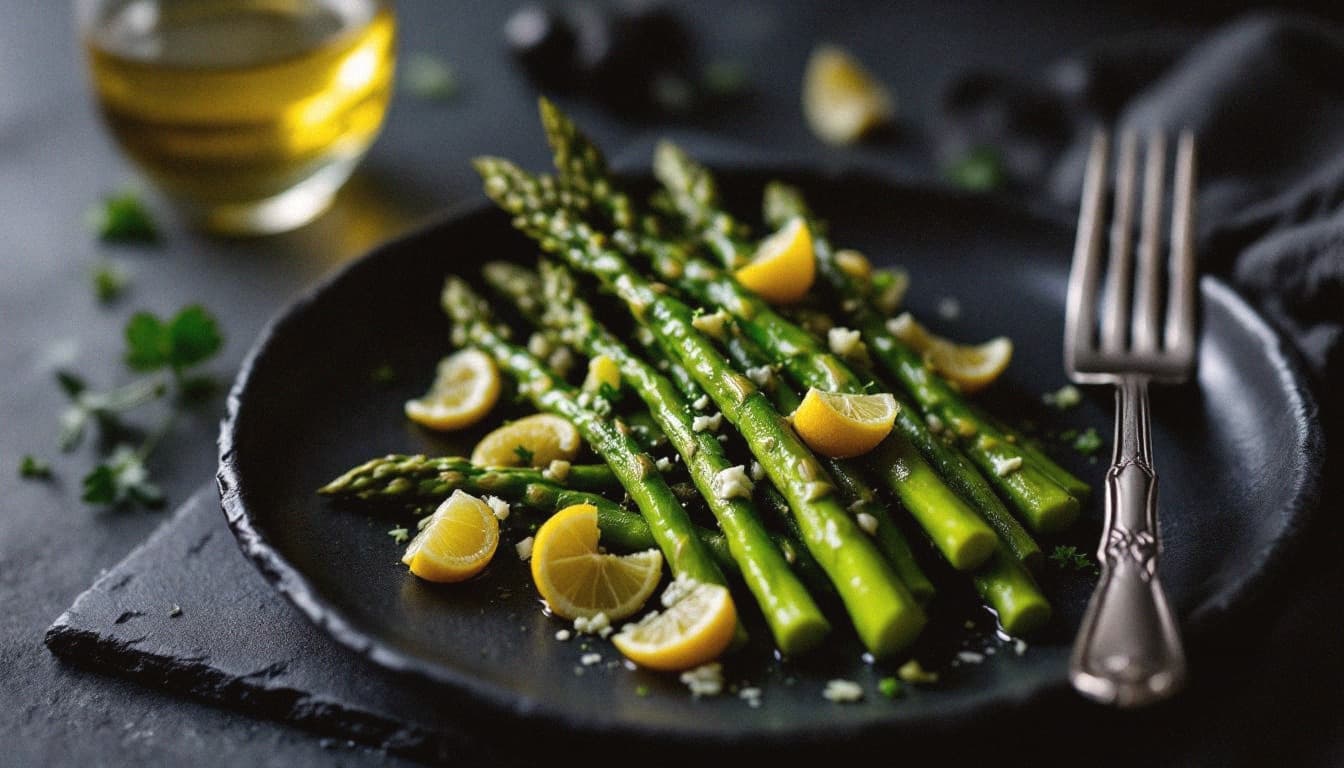
Aquavit-Pickled Asparagus with Juniper and Dill Seed
Aquavit already carries caraway and dill in its botanical makeup, so using it as a pickling base for asparagus is less a wild experiment and more a logical conclusion. Juniper berries crack open to release piney, resinous oils that cut through the brine's acidity, while dill seeds (not fronds) bring a rounder, almost anise-like depth that fresh dill never quite manages. The result is a jar of spears that taste like a Scandinavian forest floor in the best possible way.
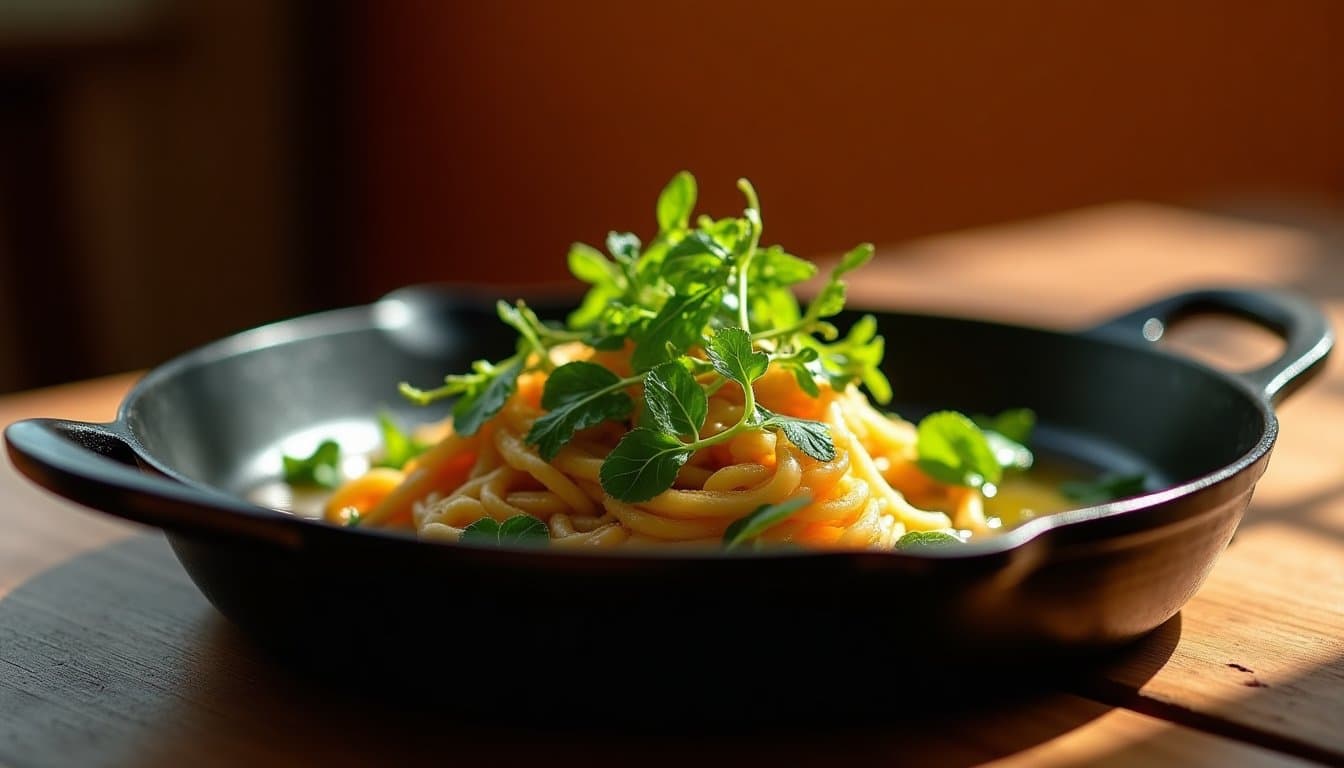
Nettle-Ramp Atakilt Wat en Papillote with Spring Peas
Atakilt wat, Ethiopia's cabbage-and-potato stew built on berbere and turmeric, has no business being this good when ramps and stinging nettles get involved, but here we are. Sealing the whole thing in parchment turns the sulfurous funk of ramp bulbs and the mineral bite of nettles into a pressurized aromatic steam that permeates every vegetable in the packet. Open it at the table so nobody misses the berbere sauna moment.
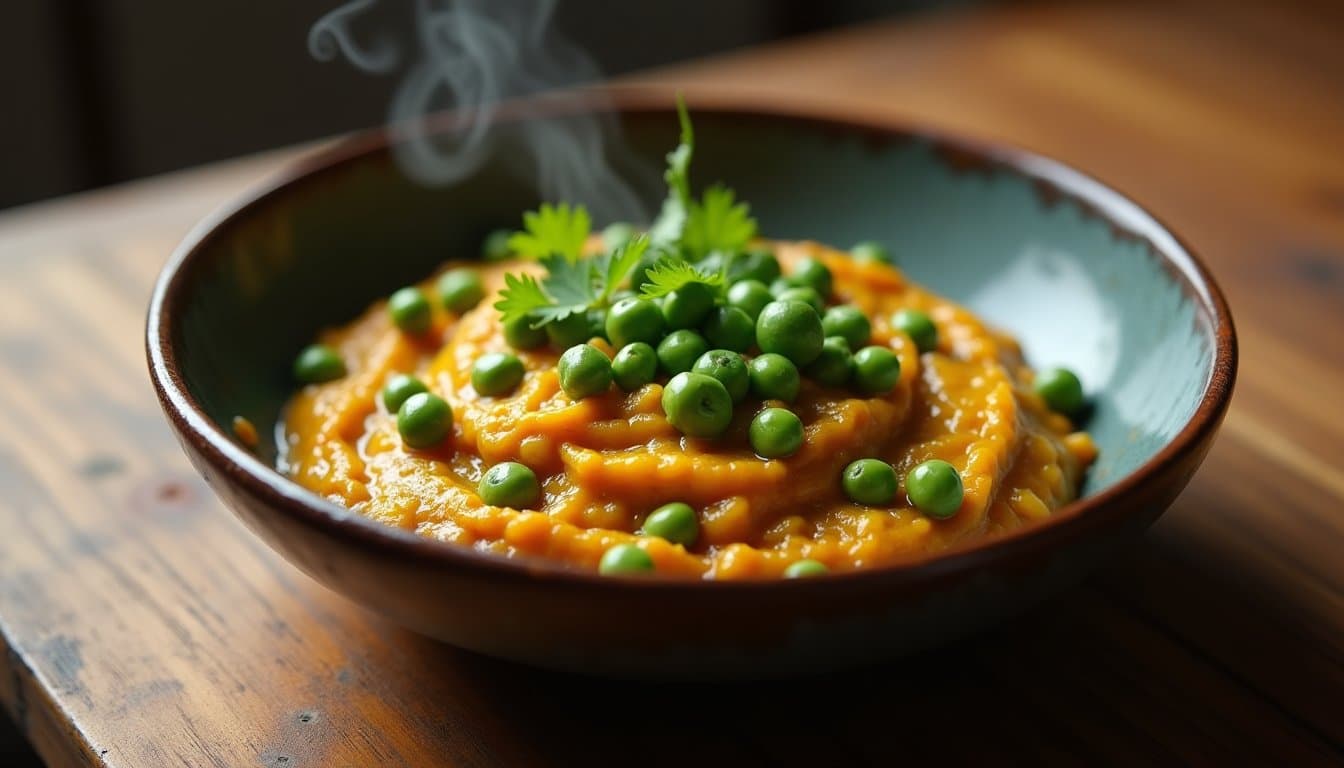
Spring Pea and Ramp Dal with Wild Garlic Tadka and Crispy Curry Leaves
Appalachian foraged ramps have no business being in a Bengali masoor dal, and yet here we are. The sulfurous, leek-meets-garlic punch of ramps and wild garlic replaces the traditional onion-garlic base entirely, while spring peas dissolve into the lentils and bring a grassy sweetness dal has never had before. The plot twist is a screaming-hot wok tadka of curry leaves, black mustard seeds, and raw wild garlic poured over the top at the last second.
Get the free flavor science guide.
5 rules that explain why unusual combinations work — plus new recipes every week.
You can unsubscribe anytime. No spam, ever. Or just read the guide.